Arab Gulf Readies Infrastructure to Attract Long-Term Capital

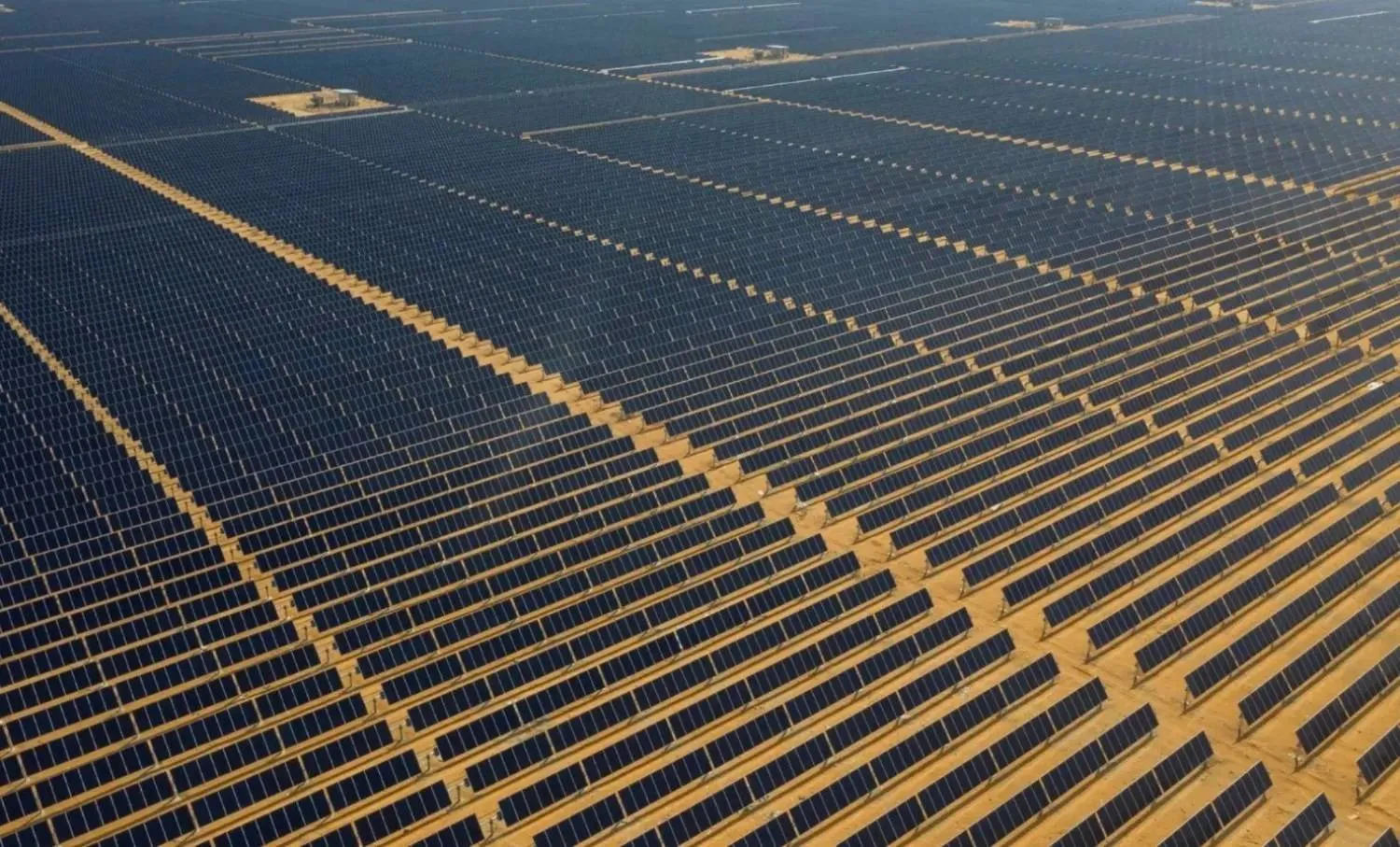
A solar power project in northern Saudi Arabia. (SPA)
TT

Arab Gulf Readies Infrastructure to Attract Long-Term Capital

A solar power project in northern Saudi Arabia. (SPA)

Saudi Arabia and other Gulf countries are reshaping how they finance the next wave of infrastructure, moving beyond government spending to tap private and institutional capital for projects spanning energy, water, and the digital economy.

The shift marks a broader change in the Gulf’s investment model, as governments, development banks, sovereign investors, and private capital increasingly share the cost of turning large-scale projects into long-term investable assets.

What is changing in the Gulf is not simply the scale of infrastructure spending. The financing model itself is being reshaped.

As projects expand across energy, water, transport and the digital economy, government funding alone is no longer enough to meet rising investment needs. Pension funds, insurers and asset managers, meanwhile, control vast pools of long-term capital that are well suited to infrastructure assets capable of generating steady cash flows over many years.

The region is therefore moving toward financing structures designed to share risks more effectively, strengthen project creditworthiness and turn government-backed investments into opportunities that can draw in private and institutional capital.

Speaking to Asharq Al-Awsat, Saud Alsayyari, Asian Infrastructure Investment Bank (AIIB) Senior Investment Officer for the Middle East and North Africa, said the “fundamentals are strong” in Saudi Arabia and across the Gulf.

Population growth, urbanization and economic transformation programs are creating a broad pipeline of opportunities in renewable energy, digital infrastructure, water and healthcare, he explained.

The bigger challenge is no longer finding opportunities. It is structuring the risks and mobilizing enough capital to deliver them, he stressed.

Multilateral development institutions can play a central role by making projects more bankable, reducing risks for investors and catalyzing capital flows far beyond the size of their own direct commitments, he added.

Renewable energy and digital infrastructure lead opportunities

Alsayyari noted that the strongest investment opportunities over the next five years are likely to emerge where economic growth meets climate and sustainability goals.

Large-scale renewable energy projects, backed by storage technologies, will be a key pillar of the region’s energy transition, he went on to say.

He pointed to the financing of Oman’s 500-megawatt Ibri II solar power plant as an example.

Technology-enabled infrastructure will also play an increasingly important role.

From nationwide fiber-optic networks to smart logistics, such infrastructure “multiplies the value of every other asset class,” Alsayyari said.

Social infrastructure, particularly healthcare and education, is also expected to expand alongside population growth and urbanization.

“Disciplined structuring and strong environmental and social standards are what turn opportunity into sustainable, long-term value,” Alsayyari remarked.

Development banks can turn plans into bankable projects

Alsayyari said multilateral development banks can help transform government infrastructure plans into projects that lenders and investors are willing to finance. Their role includes sharing risks and providing the technical expertise needed to make projects viable.

He cited recent financing with the Saudi Water Authority, structured with the National Infrastructure Fund and commercial lenders to modernize major desalination facilities.

Projects of that scale become investable when a multilateral development institution can absorb risks that commercial lenders are unwilling to take, he added.

Such institutions can also carry out environmental and social due diligence and provide the technical expertise needed to structure deals in line with international standards.

“That is the model: multilateral development institutions turn ambition into bankable projects through disciplined preparation, blended finance and credit enhancement,” he stressed.

AIIB’s involvement also “reassures the market, reduces perceived risk and catalyzes private capital far beyond the size of our direct commitment,” he said.

The key issue is who carries the risk

For private investors, the problem is not risk itself, Alsayyari said. It is how that risk is distributed.

Infrastructure risk cannot be eliminated, but it can be allocated more effectively among the parties involved, he remarked.

Problems arise when investors are asked to shoulder risks they cannot easily price, such as regulatory uncertainty, early-stage construction risk or revenue models without a clear track record.

“Our role as a multilateral development bank is to correct that risk allocation,” Alsayyari said.

AIIB does this through non-sovereign financing that reduces pressure on public budgets, as well as guarantees and first-loss structures that can make commercial investment tranches more attractive to institutional investors.

Those tools can also increase confidence in how projects will be delivered and operated, he explained.

Clear visibility over future projects is equally important.

Alsayyari said the investment program AIIB is developing with Saudi Arabia gives investors a clearer view of a structured pipeline of opportunities rather than leaving them to assess isolated deals one by one.
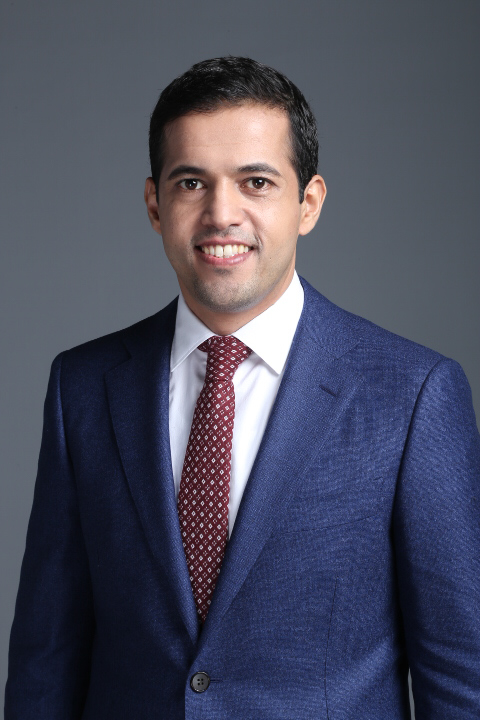
Saud Alsayyari, Asian Infrastructure Investment Bank (AIIB) Senior Investment Officer for the Middle East and North Africa. (AIIB)

Four conditions could unlock institutional capital

Alsayyari said pension funds and insurers hold enormous amounts of long-term capital, yet infrastructure still accounts for only a limited share of their portfolios. That is despite a natural fit between the two.

Infrastructure assets can offer predictable, inflation-linked cash flows, making them well-suited to the long-term liabilities of institutional investors, he added.

Alsayyari identified four conditions needed to attract more of that capital: stable legal and regulatory frameworks, including clear public-private partnership rules; standardized project documents, procurement processes and structures; credit-enhancement tools; and reliable environmental, social and governance performance.

“Many global investors are subject to net-zero commitments, so they are looking for assets aligned with the goals of the Paris Agreement,” he noted. “When those conditions are in place, Gulf infrastructure can become a core asset class for institutional investors, and the capital will follow.”

Regional funds can multiply investment

Alsayyari described regional funds as one of the Gulf’s most effective tools for mobilizing private capital for infrastructure.

A direct loan finances one project. A well-structured investment platform can finance an entire portfolio, spread risk and build a broader investment ecosystem around it, he said.

He pointed to AIIB commitments to Gulf infrastructure funds, including Rakiza and Aberdeen Standard Investcorp Infrastructure Partners.

The funds target sustainable core infrastructure in healthcare, education, water, mobility and digital networks, with backing from investors including Saudi Arabia’s Public Investment Fund and the Oman Investment Authority.

AIIB’s participation adds more than capital, Alsayyari said.

Projects financed through the funds are assessed against the bank’s standards, ineligible activities are excluded and governance requirements are written into contracts.

The combination of “scale, discipline and local expertise” is crucial to steering institutional capital toward the region’s infrastructure needs, he said.

Gulf states look beyond new construction

Alsayyari said Gulf countries have made significant progress in building an infrastructure system that balances economic growth, environmental goals and long-term financing needs.

Sustainability has become embedded in national strategies, from net-zero commitments to renewable energy targets, he stated. One of the most striking developments, however, is the growing focus on upgrading existing assets rather than simply building new ones.

Alsayyari cited the modernization of desalination plants in Saudi Arabia.

Switching from thermal desalination to reverse osmosis will reduce energy consumption and emissions while increasing production capacity and extending asset life, he said.

“Growth and environmental performance are advancing together,” he told Asharq Al-Awsat.

The region’s financing system is also evolving quickly, with more structures combining multilateral, national and commercial institutions.

Alsayyari said the partnership with the National Infrastructure Fund offered a model that could be replicated elsewhere.

Every AIIB-approved financing aligns with the goals of the Paris Agreement, he said. “The direction of the region is clear, and we are proud to support that path.”

Energy, water and green hydrogen seen as the next growth areas

Over the next decade, Saudi Arabia and other Gulf states are likely to stand out in several infrastructure sectors, Alsayyari said.

Renewable energy and storage systems are expected to lead, alongside the emerging green hydrogen economy, technology-enabled infrastructure and climate-resilient water systems.

The region already has advanced investments in connectivity, data center capacity and digital infrastructure, he noted.

Water security will remain a strategic priority because of the region’s geography and its future needs.

The bigger transformation may be in how projects are financed

Alsayyari said the most important infrastructure change over the next decade may not be what the Gulf builds, but how it pays for it.

The region is gradually moving away from models driven mainly by government funding toward more complex partnerships bringing together governments, development institutions, sovereign investors and private capital.

That shift sits at the heart of the role the Asian Infrastructure Investment Bank was created to support, Alsayyari said.

AIIB’s 11th annual meeting, to be hosted by Doha, will mark an important milestone as the bank enters its second decade.

Alsayyari said Saudi Arabia and other Gulf countries could lead several global trends in renewable energy, digital infrastructure and water systems in the years ahead.


Bahraini Transport Minister to Asharq Al-Awsat: Each Country to Finance Its Share of Gulf Railway Project

A conceptual rendering of the Gulf railway interconnection project. (X)
TT

Bahraini Transport Minister to Asharq Al-Awsat: Each Country to Finance Its Share of Gulf Railway Project

A conceptual rendering of the Gulf railway interconnection project. (X)

The Gulf Cooperation Council (GCC) member states took a new step toward completing the railway interconnection project by signing the project's general agreement in Bahrain on Sunday. This comes as part of efforts to establish an integrated transport network linking the six nations and boosting the movement of passengers, goods, and commercial trade among them.

Bahraini Minister of Transportation and Telecommunications Dr. Sheikh Abdulla bin Ahmed Al Khalifa told Asharq Al-Awsat that each country will fund and execute the portion of the project located within its territory.

Meanwhile, the costs, fees, and expenses associated with the shared interconnection components among member states will be determined collectively, he added.

He explained that the agreement establishes a joint framework for the project's execution and operation, while defining the obligations of member states and their coordination mechanisms.

He noted that the network, which extends some 2,117 kilometers, aims to transport 6 million passengers and 200 million tons of freight by 2030, with the figures projected to rise to more than 8 million passengers and 271 million tons of freight by 2045.

The project spans from Kuwait, passing through Saudi Arabia, Bahrain, Qatar, and the UAE, all the way to Oman, with the goal of achieving full network operations by December 2030.

According to the minister, interconnection lines between adjacent countries can become operational as soon as their components are completed, without the need to wait for the entire Gulf network to be finalized.

National financing and potential partnerships

On private sector participation, Al Khalifa said that it remains one of the viable options for financing, executing, or operating certain components of the project, depending on the outcomes of economic and financial studies. He stressed that there is no unified public-private partnership model approved across the entire network.

There are currently no pre-existing agreements with specific international partners to finance or execute the project, he said. However, the expertise of global companies in the fields of design, engineering, technology, and operating systems could be utilized based on the project's needs and its various phases.

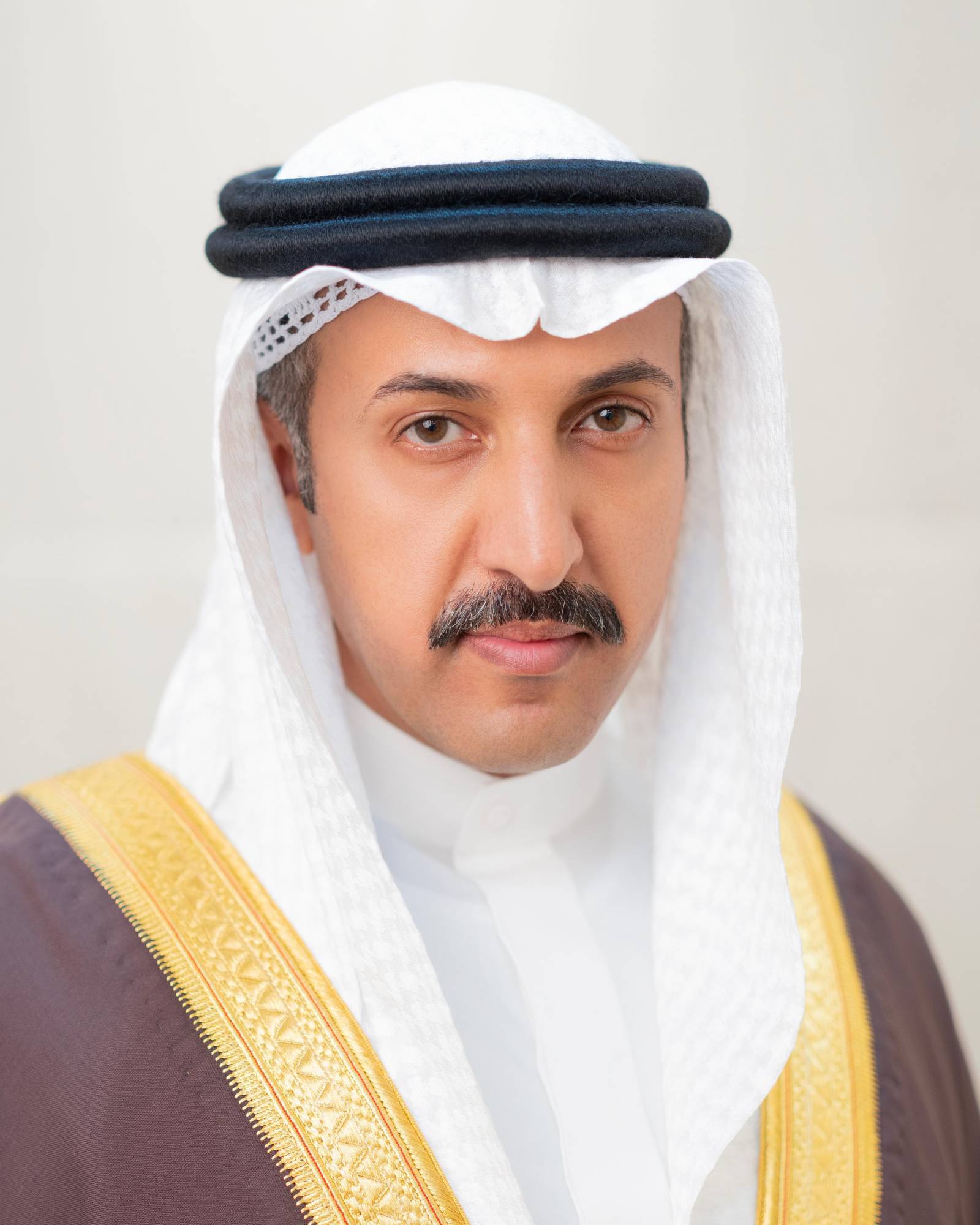
Bahraini Minister of Transportation and Telecommunications Dr. Sheikh Abdulla bin Ahmed Al Khalifa.

Concerning the project's announced completion rate, the minister explained that the 50 percent figure represents the average progress achieved across member states, and does not mean that half of the construction work for the entire Gulf network has been completed.

The project's cost estimates are currently undergoing review and updates in light of economic shifts, rising prices for materials and services, construction costs, and inflation, he revealed without specifying an updated total cost at the present time.

Returns beyond passenger and freight transport

Al Khalifa said that the economic impact of the project is not limited to facilitating passenger movement and freight transport, but extends to improving supply chain efficiency, boosting trade among GCC countries, and linking industrial centers, economic zones, and logistical hubs, as well as supporting employment and investment opportunities.

He added that determining the project's exact contribution to the gross domestic product (GDP) or estimating expected savings in time and costs remains premature, given that returns vary depending on transport routes, the nature of the cargo, and the points of origin and destination.

In light of the challenges facing maritime navigation in the region, the minister stressed that the Gulf railway network is not intended to serve as a substitute for maritime transport. Instead, it acts as a complementary route that boosts transport options and connectivity among GCC nations, increasing the resilience of supply chains against disruptions that could affect various modes of transportation.

He noted that integration between ports, roads, railways, and airports will strengthen the flexibility of the Gulf transport system, while connecting to broader international logistical corridors remains a future possibility contingent on completing studies, understandings, and coordination with the relevant countries and entities.

King Hamad Bridge to link Bahrain and Saudi Arabia

Regarding the connection between Bahrain and Saudi Arabia, Al Khalifa explained that the King Hamad Bridge project includes road lanes and railway lines, enabling the international passenger station in Bahrain to connect with the Saudi railway network and forming one of the essential components for completing the Gulf interconnection.

He added that work is underway on the privatization procedures for the King Fahd Causeway Authority, alongside completing the necessary studies and procedures to transition to the execution of the new bridge project.

Achieving the connection between Bahrain and Saudi Arabia is a fundamental requirement for operating the railway line between the two countries within the project's targeted timeframe in December 2030,e he said.


Egypt Seeks Faster Progress on Libya Gas, Refining and Power Projects

Egyptian Foreign Minister Badr Abdelatty speaks during a press conference with Minister of Information Diaa Rashwan (not pictured) in Cairo, Egypt, March 25, 2026. (Reuters)
TT

Egypt Seeks Faster Progress on Libya Gas, Refining and Power Projects

Egyptian Foreign Minister Badr Abdelatty speaks during a press conference with Minister of Information Diaa Rashwan (not pictured) in Cairo, Egypt, March 25, 2026. (Reuters)

Egypt aims to accelerate energy projects with Libya, including gas pipeline links, refining of Libyan crude in Egypt and an electricity interconnection, Egyptian Foreign Minister Badr Abdelatty said late on Saturday.

Abdelatty's comments were in ‌a ministry ‌statement after a meeting ‌with ⁠Libya’s acting oil ⁠and gas minister Khalifa Abdulsadek in Tripoli.

Abdelatty also ‌called for cooperation on petroleum products and the completion of projects to refine Libyan ‌oil in Egypt and re-export it, the statement said, ⁠adding ⁠that Abdulsadek had said that Libya would continue implementing existing projects and would visit Cairo soon to continue technical talks with Egypt’s petroleum and electricity ministers.

The statement did not provide details on costs or the status of the projects.


GCC: Railway Agreement Sets Joint Framework for Project Implementation and Operation

GCC transport ministers pose for a group photo following the 27th committee meeting in Kuwait. (GCC Railway Authority)
TT

GCC: Railway Agreement Sets Joint Framework for Project Implementation and Operation

GCC transport ministers pose for a group photo following the 27th committee meeting in Kuwait. (GCC Railway Authority)

Jasem Albudaiwi, secretary-general of the Gulf Cooperation Council (GCC), said on Sunday that the signing of the General Agreement on the GCC Railway Project marked an important step toward establishing an integrated regional transport network.

He said the network would facilitate the movement of citizens and residents, ease freight transport, boost intra-GCC trade efficiency and strengthen member states’ economic competitiveness and the region’s position in regional and international trade.

Albudaiwi's remarks came at the signing ceremony in the Bahraini capital, Manama, on Sunday, held under the patronage and in the presence of Bahrain’s Crown Prince and Prime Minister Salman bin Hamad Al Khalifa.

He said the project reflected the GCC’s shared ambition to connect member states and improve mobility and trade by linking their economic and industrial hubs, ports and logistics centers.

He added that the project would create opportunities for safe, reliable, affordable and environmentally friendly transport services that meet development needs, serve the aspirations of future generations and strengthen economic integration among GCC states.

Albudaiwi said the agreement sets a common framework for member states to implement and operate the project in coordination with their national railway networks, while establishing mechanisms and a timetable to accelerate its completion.

Albudaiwi praised GCC leaders and transport ministers for their support of strategic regional projects, thanking Bahrain’s crown prince and prime minister for hosting the signing ceremony and officials for advancing the railway project.