More Sudanese Oil Available for Marine Fuel Blending as China Demand Easeshttps://english.aawsat.com/business/5311609-more-sudanese-oil-available-marine-fuel-blending-china-demand-eases
More Sudanese Oil Available for Marine Fuel Blending as China Demand Eases
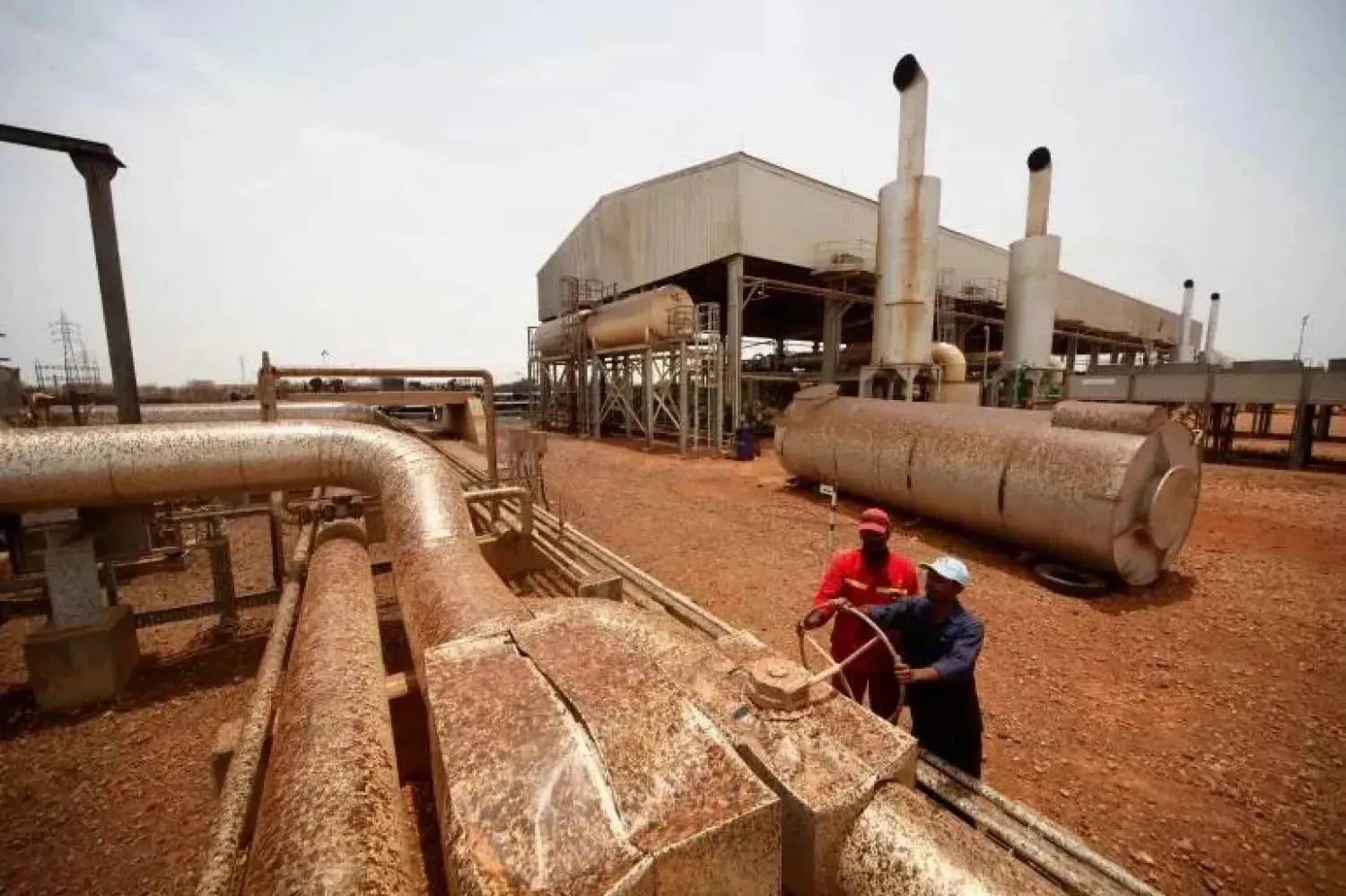
File photo of the Heglig oil field in southern Kordofan, Sudan (Reuters)
More barrels of South Sudan's Dar Blend crude oil returned to the marine fuel blending pool in Singapore and Malaysia this month as demand from China's refining sector eased, according to market sources and shipping data.
The rise in Sudanese oil imports added to other arbitrage supply, putting pressure on Singapore's low-sulphur fuel oil market towards the end of the month, said Reuters.
Earlier this year, Dar Blend was diverted away from the conventional marine fuel blending outlets to some of China's refineries, market sources said, after the US-Iran war disrupted heavy crude supply from the Middle East.
About 1.7 million barrels of Dar Blend arrived in Singapore and Malaysia in August, up for a third consecutive month, Kpler data showed.
China received no volume in August, the data showed, after importing Dar Blend every month between March and July.
"With incremental crude availability and choice, (China's) demand for additional barrels of heavy-sweet crudes like Dar has eased," said Emril Jamil, a senior oil research manager at commodities data firm Kpler.
Dar Blend is a heavy-sweet crude that can be used to blend or produce low-sulphur fuel oil with maximum 0.5% sulphur content used in powering ships.
The barrels are highly coveted due to limited availability of heavy-sweet crude that can be used to derive low-sulphur marine fuel that meets emission specifications.
"More Dar returning to the bunker blending pool pressured the low-sulphur market although tight availability of cutters and blendstocks should limit the downside," said Jamil, referring to fuel blending components used for reducing viscosity and sulphur content to meet marine fuel specifications.
Spot differentials for Singapore 0.5% low-sulphur fuel oil have fallen to a month's low this week, Reuters data showed.
Sudan has been exporting about 2.6 million barrels of Dar Blend per month this year, up from a monthly average of 1.9 million barrels in 2025, Kpler data showed. The oil mainly loads from Sudan's Bashair port located in the Red Sea.
Dar Blend crude lifters include BB Energy, BGN and PetroChina, according to market sources and shipping fixtures data.
Dar Blend exports resumed in February 2025 after a supply hiatus of nearly a year following a pipeline rupture in 2024. Before this, Dar barrels mostly headed to the United Arab Emirates for the Fujairah bunker hub, as well as Singapore and Malaysia.
Saudi Arabia Eyes $1 Trillion in Investment Opportunities as Non-Oil Revenues Triplehttps://english.aawsat.com/business/5345639-saudi-arabia-eyes-1-trillion-investment-opportunities-non-oil-revenues-triple
Saudi Arabia Eyes $1 Trillion in Investment Opportunities as Non-Oil Revenues Triple
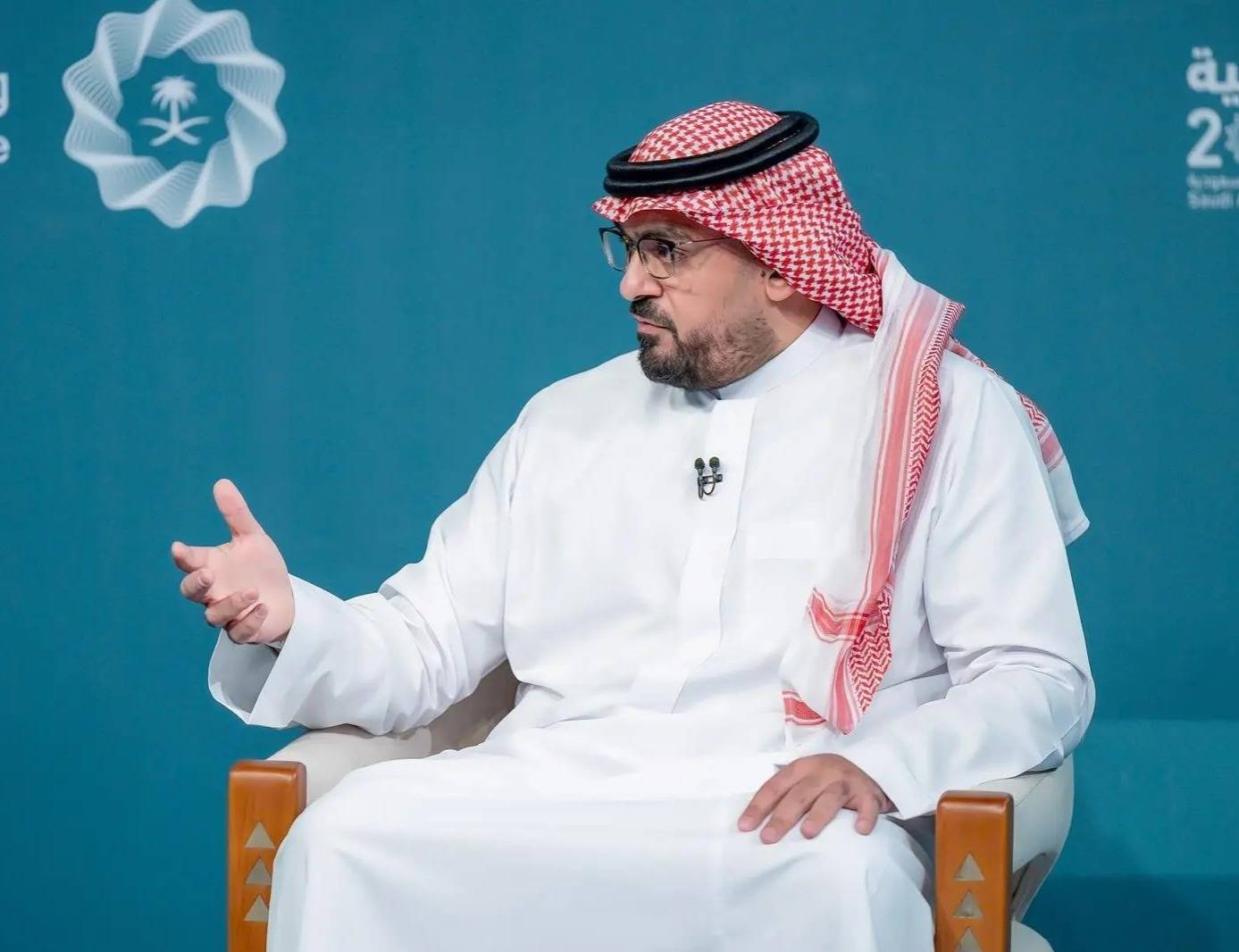
Minister of Economy and Planning Faisal Alibrahim addresses attendees during the panel discussion. (SPA)
Saudi Arabia is entering a new phase of economic transformation, with investment opportunities estimated at $1 trillion over the next eight to 10 years and non-oil revenues having tripled since the launch of Vision 2030, covering 36% of total spending, up from 17% before its launch.
Investment in the Kingdom exceeded 1.3 trillion riyals ($346.6 billion) in 2025, as Saudi Arabia seeks to expand the role of the private sector and broaden its domestic and foreign investor base.
The figures were unveiled at the 2027 Budget Forum in Riyadh on Wednesday, where ministers and senior officials outlined key economic and development achievements across the Kingdom. The forum followed the Cabinet’s approval on Tuesday of the 2027 fiscal budget, which projects spending of 1.392 trillion riyals ($371.2 billion), revenues of 1.202 trillion riyals ($320.5 billion) and a deficit of 190.6 billion riyals ($50.8 billion).
Non-oil revenues cover 37% of spending
Finance Minister Mohammed Aljadaan said Saudi Arabia’s public finances has demonstrated considerable resilience in navigating economic and geopolitical challenges.
Non-oil revenues now cover around 37% of total government spending, up from 16% in previous years, reducing the impact of oil revenue volatility on public expenditure, strengthening fiscal stability and improving the government’s medium-term planning capabilities.
Aljadaan said the Kingdom’s institutional capabilities have advanced significantly over the past decade, enabling the government to respond more efficiently to crises, accelerate decision-making, assess different scenarios and capitalize on previous infrastructure investments to withstand shocks.
Saudi Arabia has emerged stronger from successive economic challenges over the decades, he said, adding that non-oil GDP, consumption and private-sector investment continued to grow despite global and regional headwinds, supported by the government’s ability to manage crises, contain their repercussions and support businesses.
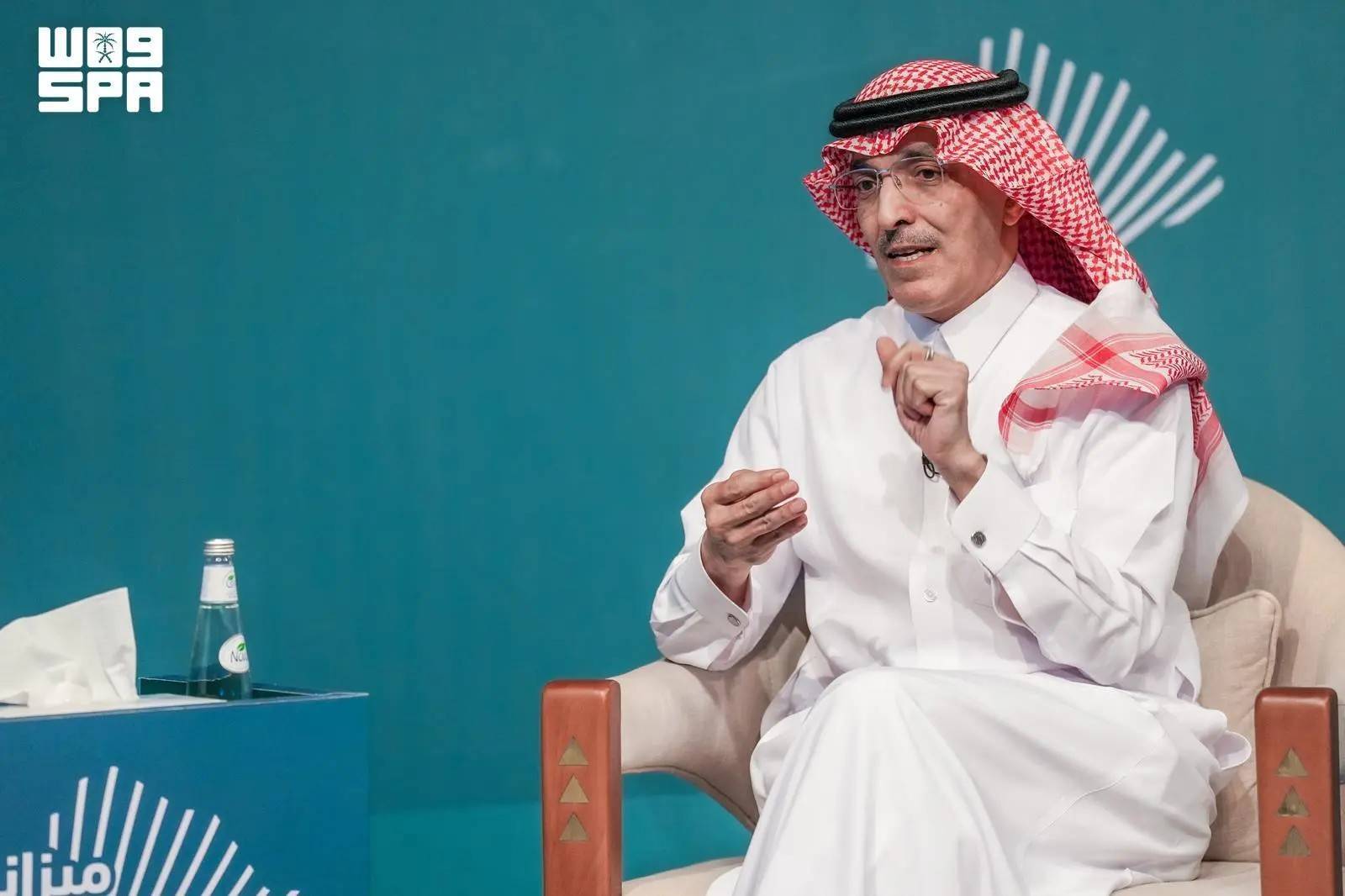
Finance Minister Mohammed Aljadaan speaks at the forum. (SPA)
Infrastructure
Minister of Economy and Planning Faisal Alibrahim said non-oil revenues have tripled since the launch of Vision 2030, covering around 36% of total spending, compared with 17% before its launch, reflecting a broader and more diversified revenue base.
The National Infrastructure Fund has committed more than 10.5 billion riyals ($2.8 billion) in financing for projects worth 60 billion riyals ($16 billion), attracting more than four riyals from private-sector participants and investors for every riyal provided by the fund, he said.
Investment opportunities across the Kingdom over the next eight to 10 years are estimated at $1 trillion.
Alibrahim said the transport and logistics sector has navigated regional shipping disruptions by rerouting goods, exports and imports through Red Sea gateways, whose share of non-oil exports surged from 19% to around 41% in record time.
Air cargo capacity in the Riyadh region also recovered rapidly following the events of October, surpassing previous levels.
He stressed the Saudi economy’s ability to navigate challenges and restore oil production levels, which reached 10.6 million barrels per day, nearing levels from before these challenges, while exports rose to 7.47 million barrels per day, their highest in the past four years.
Economy’s reliance on oil declines
The share of GDP directly or indirectly linked to oil fell to 61% in 2024 from around 70% in 2019, Alibrahim said, adding that the trend would continue as non-oil economic activity expanded.
Local content has also increased. For every 100 riyals in government spending, 51 riyals now remain within the domestic economy, compared with 28 riyals in 2018, reflecting the growing impact of public expenditure on the local economy.
Saudi Arabia climbs global rankings
Foreign capital inflows rose in 2025 from the previous year, Alibrahim said, citing international data showing an increase to 123.75 billion riyals ($33 billion) from 78.75 billion riyals ($21 billion). Another set of figures showed inflows rising to 157.5 billion riyals ($42 billion) from 116.25 billion riyals ($31 billion).
Saudi Arabia climbed four places to rank 13th globally, while fixed capital formation rose 2.7% in the second quarter.
Financial, insurance and business services expanded by 3.3% in the second quarter, while social, community and personal services, including education, healthcare, culture and entertainment, grew by 4.1%.
The number of Saudis employed in the private sector increased by around 190,000 in a single year, Alibrahim said.
Minister of Economy and Planning Faisal Alibrahim speaks at the forum on Wednesday. (SPA)
Investor appetite grows
Investment Minister Fahad Al-Saif said investment in Saudi Arabia exceeded 1.3 trillion riyals ($346.7 billion) in 2025 and was expected to reach similar levels this year, having risen 6% in the first half of 2026 from a year earlier.
The Kingdom’s next phase of growth will build on substantial infrastructure investments made over the past five years, which exceeded 6 trillion riyals ($1.6 trillion), he remarked.
Domestic investor appetite is key to attracting foreign capital, Al-Saif stressed, adding that Saudi Arabia has become a major destination for local, regional and global investors, supported by the resilience demonstrated across several sectors over the past six months.
He announced agreements worth 7 billion riyals ($1.87 billion) with 19 domestic investors across six tourism destinations, as part of efforts to integrate the tourism and investment sectors.
On the 2027 budget, Al-Saif said clear spending priorities bolstered investor confidence, enabling private businesses to plan, expand, contribute to economic diversification and create jobs for Saudi nationals.
Domestic investment
Domestic investment, led by large companies and capital market-linked businesses, alongside small and medium-sized enterprises (SMEs), accounted for around 90% of the 6 trillion riyals ($1.6 trillion) invested over the past five years, Al-Saif went on to say.
SMEs accounted for around 30% of that total, making a substantial contribution to the economy.
Investment opportunities across the Kingdom are enabling young Saudis and businesses across various sectors to expand and absorb additional investment, he added.
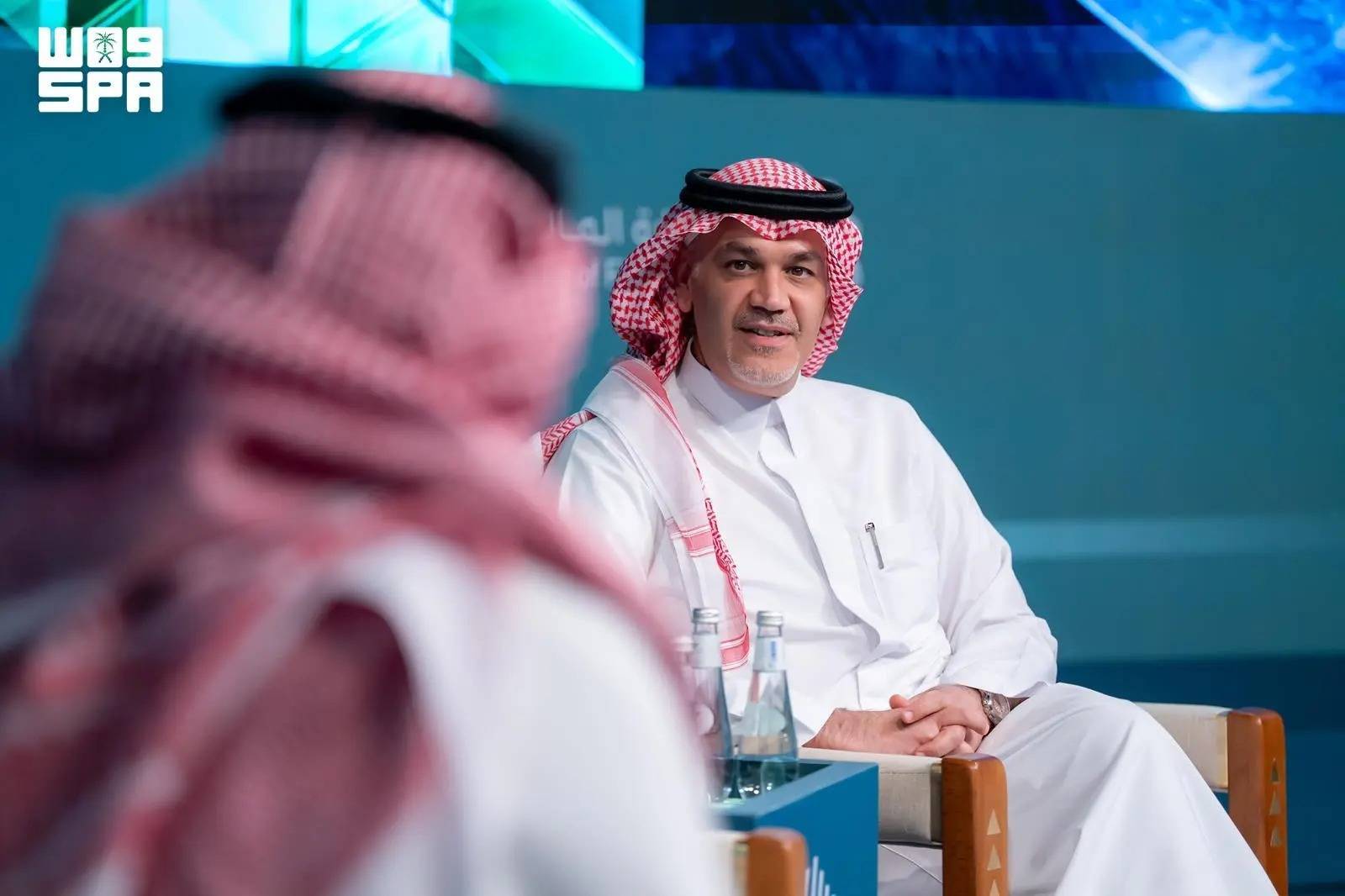
Investment Minister Fahad Al-Saif speaks at the forum. (SPA)
Capital formation
Reforms introduced since the launch of Vision 2030 have given investors greater clarity throughout the investment process, Al-Saif said.
He expects Saudi Arabia to evolve from a destination for investment into a global capital formation hub, enabling domestic investors to launch businesses, produce goods and provide services within the Kingdom before expanding into export markets.
The next phase will focus on strengthening Saudi Arabia’s global competitiveness and positioning the Kingdom as a platform from which capital can be deployed to serve domestic investments and international markets.
Regional trade
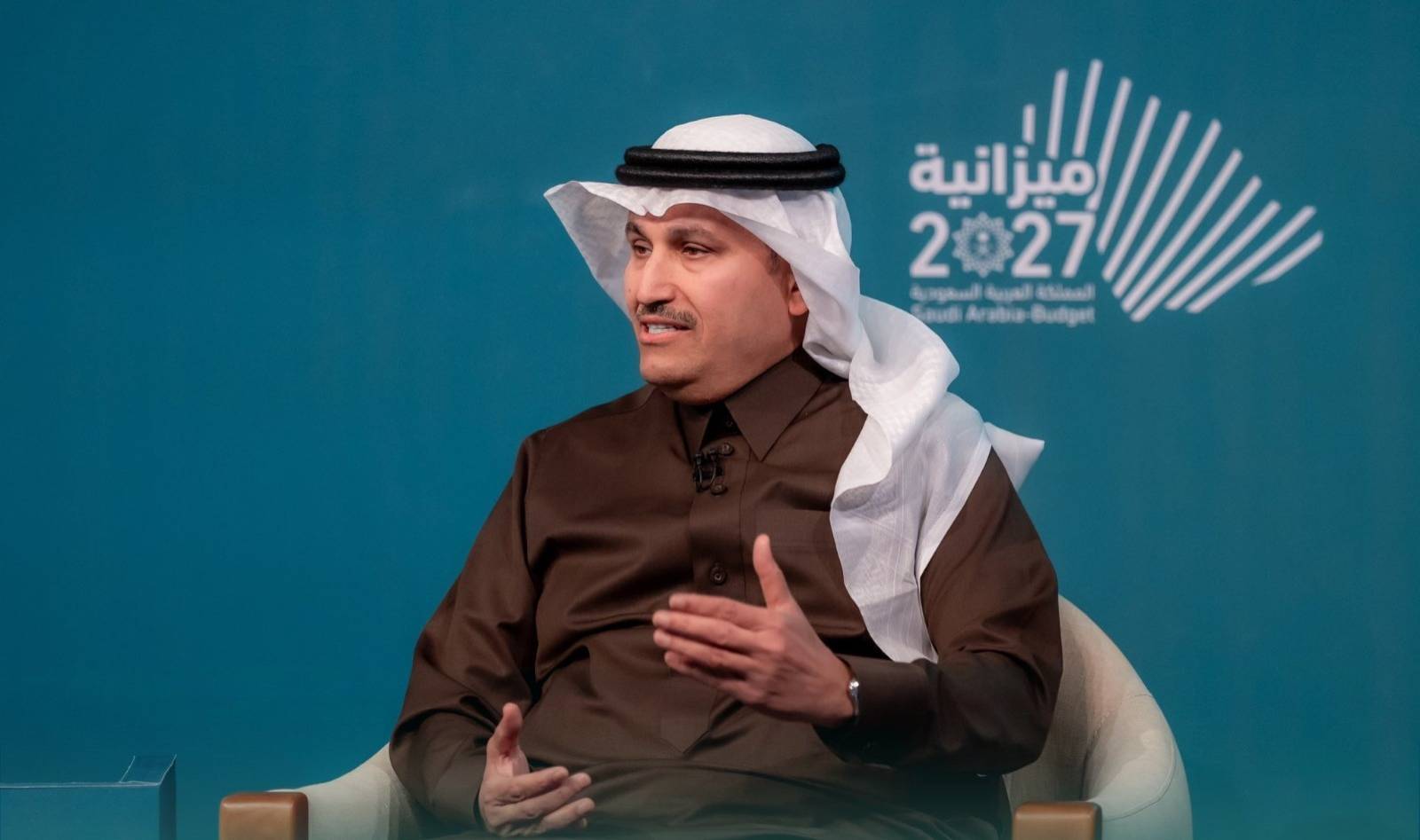
Minister of Transport and Logistics Services Saleh Al-Jasser said Saudi Arabia’s transport network has demonstrated its readiness and flexibility in responding to disruptions in regional trade routes and shifting shipping patterns.
Proactive planning and operational measures ensured the continuity of supplies and accommodated growing cargo volumes, he noted.
New investment commitments across the transport and logistics sector have reached 45 billion riyals ($12 billion) so far this year, with the private sector driving the bulk of investments under the National Transport and Logistics Strategy.
“Private-sector participation and different forms of partnership are essential to enabling us to implement the National Transport and Logistics Strategy,” Al-Jasser said, adding that the Kingdom has attracted hundreds of billions of riyals in recent years, including strategic investments across the sector.
Logistics hubs
Domestic and international private-sector participation remains a key driver of the National Transport and Logistics Strategy, with investments in recent years spanning major port, logistics zone and infrastructure projects, Al-Jasser added.
Highlighting global shipping giant Maersk’s investment at Jeddah Islamic Port, he said the port now hosts 17 logistics zones.
He described Maersk’s investment in the facility as the largest across its global network, surpassing its investments in its home country and at its headquarters.
Minister of Transport and Logistics Services Saleh Al-Jasser at the forum. (Ministry of Transport and Logistic Services)
New projects
Al-Jasser pointed to major investment agreements signed this year, including two multibillion-riyal deals with CMA CGM to invest in the Jeddah terminal, alongside agreements for five new logistics zones.
New trains have also been ordered for several railway lines, including the East and North lines, the mineral railway and the Haramain High-Speed Railway.
The order for 20 new Haramain trains reflects the strong support the sector enjoys, alongside growing interest from domestic and international investors, Al-Jasser said.
Work is also underway to sign contracts to double-track the mineral railway serving Maaden, while the Riyadh Link project, designed to connect the Kingdom’s railway networks within the capital, has reached the final stages of contract award.
Al-Jasser revealed that work was continuing on the Saudi Landbridge project through the allocation of government resources and collaboration with the private sector, alongside several projects that have reached advanced stages under privatization programs.
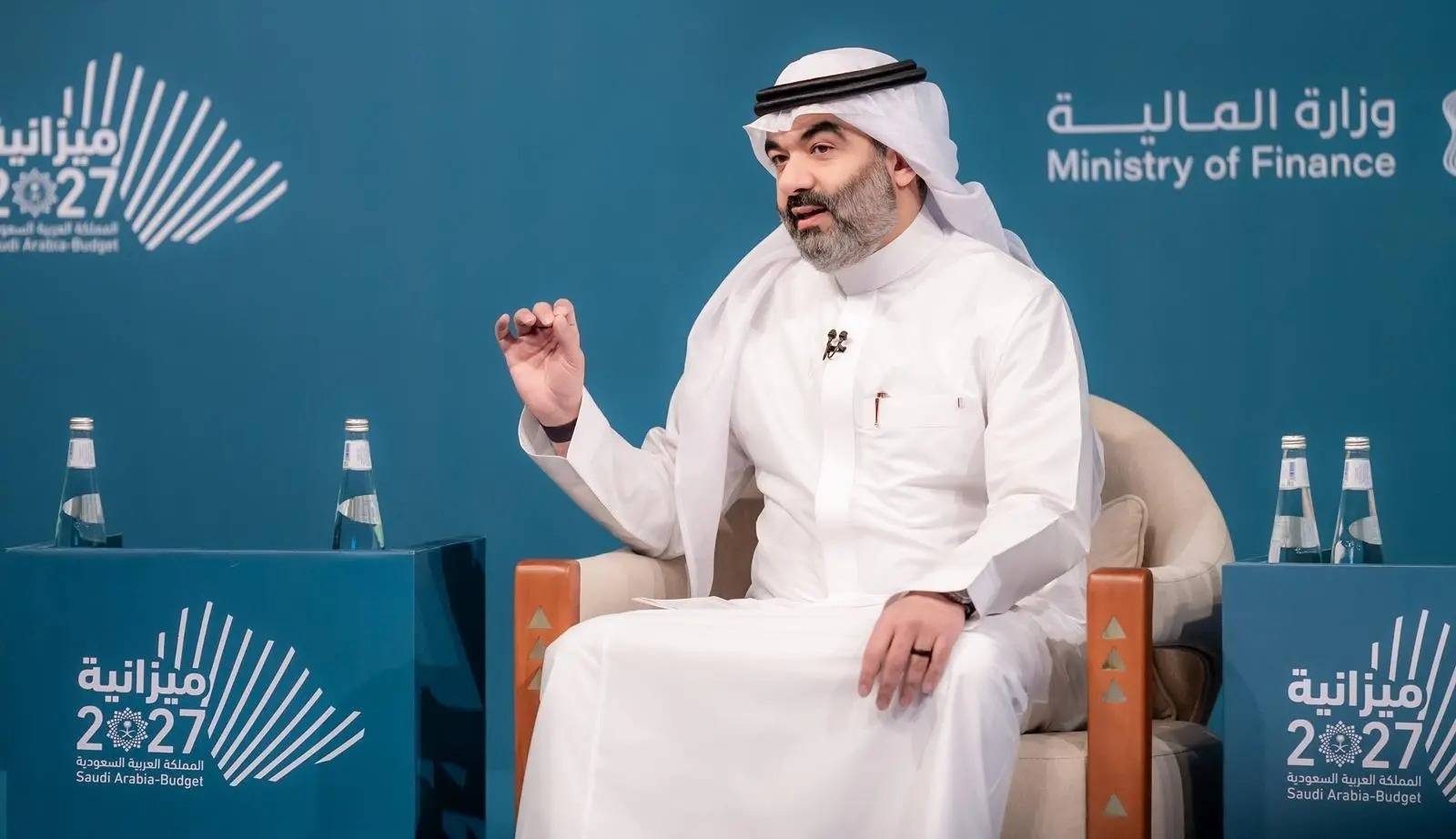
Minister of Communications and Information Technology Abdullah Alswaha at the event. (SPA)
Digital economy
Minister of Communications and Information Technology Abdullah Alswaha said Saudi Arabia’s digital economy has grown by 75% over the past decade, approaching half a trillion riyals ($133.3 billion), while digital trade rose 30% in the latest quarter to 100 billion riyals ($26.7 billion).
Saudi Arabia ranked first globally in digital readiness, he noted, adding that investment in digital infrastructure has helped ensure business and service continuity amid regional developments.
The Kingdom is preparing to move from digital government to government powered by artificial intelligence agents, with an AI assistant set to launch on the Tawakkalna platform next February.
The assistant will enable citizens to access government services through voice commands in their local dialects, including renewing passports, making vaccination inquiries and registering students in schools.
The pilot program began with 500 users and will gradually expand to include specialized AI agents across government sectors, including healthcare, education and transport.
Alswaha also announced that Saudi company ACES has secured contracts worth more than 1 billion riyals ($266.7 million) over the next five years in India to supply specialized technology that improves indoor telecommunications coverage, having developed its products with support from the National Technology Development Program.
Saudi companies, including Foodics and Classera, have expanded into more than 20 countries, while education platforms Noon Academy and Classera serve more than 30 million students across the region.
Alswaha also highlighted HUMAIN’s launch of its Limitless program, which provides computing power, talent and investment to startups and entrepreneurs, strengthening their ability to develop AI solutions and compete globally.
Technology market
Saudi Arabia’s technology market grew by 9.4% in 2026, outpacing the telecommunications sector’s 3.9% growth, Alswaha said.
The National Technology Development Program supports more than 1,500 companies and has secured 2.6 billion riyals ($693.3 million) in funding to support technology businesses.
The number of fintech companies in the Kingdom has surpassed 200, while the telecommunications, technology, space, AI and cybersecurity sectors employ around 420,000 people.
Saudi Arabia has allocated more than 20 sites for data centers, totaling 80 square kilometers. It is also expanding its submarine cable network, targeting a capacity of 280 terabits per second to connect the Kingdom with global markets and strengthen its ability to host AI applications.
Saudi Merchandise Trade Surplus Grows by 74.5%https://english.aawsat.com/business/5345469-saudi-merchandise-trade-surplus-grows-745
Merchandise exports increased by 14.2% in September 2026 compared to the same month in 2025, driven by a 25.6% rise in oil exports, while imports declined by 4.3% and the merchandise trade surplus grew by 74.5%, according to the trade bulletin issued by the General Authority for Statistics (GASTAT).
The bulletin showed that oil exports accounted for 75.4% of total merchandise exports in September 2026, up from 68.6% in September 2025.
Plastics, rubber, and related products accounted for the largest share of non-oil exports at 22.0%, followed by chemical industries and their products at 19.6%.
Among trading partners, South Korea was the leading destination for the Kingdom’s merchandise exports, accounting for 18.9% of the total, followed by India at 14.3% and China at 12.9%.
China was also the Kingdom’s largest import partner, accounting for 24.9% of the total, followed by the United States at 8.2% and Egypt at 6.2%.
The figures are based on administrative records provided by the relevant authorities, namely the Zakat, Tax and Customs Authority for non-oil data and the Ministry of Energy for oil data, which are processed and reviewed in accordance with GASTAT’s approved statistical methodologies to ensure quality and accuracy prior to publication.
EU Plans 50-bn-euro Fund for AI, Quantumhttps://english.aawsat.com/business/5345450-eu-plans-50-bn-euro-fund-ai-quantum
FILE PHOTO: European Commission Executive Vice-President Henna Virkkunen holds a press conference on strengthening Frontex and the digitalisation of the return process, in Brussels, Belgium October 27, 2026. REUTERS/Yves Herman/File Photo
FILE PHOTO: European Commission Executive Vice-President Henna Virkkunen holds a press conference on strengthening Frontex and the digitalisation of the return process, in Brussels, Belgium October 27, 2026. REUTERS/Yves Herman/File Photo
The EU on Wednesday announced plans to create a fund starting with 50 billion euros ($55 billion) to invest in "critical technologies" including artificial intelligence and quantum computing in Europe.
The fund would "ensure access to innovative funding instruments, not only for quantum technologies, but more widely for all critical technologies which are necessary to our tech sovereignty and economic security", EU tech chief Henna Virkkunen told reporters at the European Parliament in Strasbourg.
The draft Quantum Act aims to help Europe, which lags behind the United States and China in AI development, chips and cloud computing, reduce its dependency on third countries.
Its proposal also comes as worries over US companies' ability to use so-called "kill switches" to block their products from functioning in Europe have spurred EU efforts to develop local products and services.
"Quantum technologies will shape the future of industry, security and innovation, and they will have a profound impact on our societies. Europe needs to accelerate now," Virkkunen said in a statement.
The draft legislation will need to be ironed out with EU countries and the European Parliament in the coming months before it can become law.
Around one third of the world's quantum companies are based in the European Union, according to the Commission. Public quantum funding amounted to €8.6 billion last year versus €5.3 billion in the United States and €13.6 billion in China.
Europe's private funding for quantum startups at €1.1 billion, however, trailed the United States' €7 billion.
"Given the possible impact of quantum technologies for security and the Union's strategic interests and technological autonomy, it is necessary to restrict procurement procedures to products, systems and services that are provided by Union controlled entities," the draft legislation said.
It said entities from third countries with which the EU has a respective reciprocal partnership could also bid for tenders.
لم تشترك بعد
انشئ حساباً خاصاً بك لتحصل على أخبار مخصصة لك ولتتمتع بخاصية حفظ المقالات وتتلقى نشراتنا البريدية المتنوعة