
World Gold Council to Asharq Al-Awsat: Saudi Arabia Strengthens Its Position as a Key Market in the Region

A customer looks at gold bracelets at a local store in Saudi Arabia (SPA)
TT

World Gold Council to Asharq Al-Awsat: Saudi Arabia Strengthens Its Position as a Key Market in the Region

A customer looks at gold bracelets at a local store in Saudi Arabia (SPA)

As gold prices climbed to record levels in 2026 and its role as a tool for hedging and portfolio diversification grew amid rising global debt and continued economic and geopolitical uncertainty, Saudi Arabia has emerged as one of the markets undergoing rapid transformation in the gold sector. This has been driven by growth in investment and consumer spending, as well as the expansion of tourism and financial activity.

Andrew Naylor, the World Gold Council's Head of Middle East and Public Policy, believes these shifts are strengthening the Kingdom's position among the region's major gold markets and creating new opportunities for sector growth in the coming years.

In an interview with Asharq Al-Awsat, Naylor said gold has entered a phase in which its role extends beyond its association with immediate crises, as its importance as a strategic asset in investment portfolios continues to grow. Global gold demand, including over-the-counter trading, reached about 1,269 tons in the second quarter of 2026, while demand in the first half of the year rose 2 percent year on year to 2,522 tons. The value of demand reached a record level of about $380 billion.

Andrew Naylor, the World Gold Council's Head of Middle East and Public Policy (World Gold Council)

These levels come amid strong gains in gold prices during the year. The metal's average price under the London benchmark reached $4,506 per ounce in the second quarter, a significant increase from its level in the same period last year, despite falling from the record level recorded in the first quarter. The price movement reflects continued investor demand for gold as geopolitical risks intersect with interest rate expectations, currency fluctuations, and elevated debt levels.

Gold received an additional boost in August amid growing concerns about US debt levels, particularly after the US Treasury Department announced that it would double buyback operations for longer-term bonds to at least $4 billion per operation. The announcement on August 19 coincided with declines in Treasury yields and the dollar, while gold jumped more than 3 percent in a single session, signaling continued investor sensitivity to developments in the US debt market and fiscal policy.

Global Economic Risks

Naylor explained that gold's importance has increased amid continued geopolitical and economic uncertainty worldwide, noting that investors are not reacting only to individual events, but to an environment characterized by growing and persistent risks, from geopolitical tensions to uncertainty over inflation and interest rates and volatility in currency markets.

He added that gold continues to play a role in diversifying portfolios, preserving value, and strengthening their ability to withstand volatility, pointing out that concerns over rising global debt levels and their sustainability have become factors supporting interest in gold.

These factors come as recent US inflation data showed that price pressures persist, with annual inflation, as measured by the Personal Consumption Expenditures index, holding at 3.7 percent in July, slightly above market expectations. The persistence of inflation above the Federal Reserve's 2 percent target increases the importance of the path of interest rates and the dollar for gold's performance, as markets await new signals on US monetary policy.

Naylor noted that gold's appeal does not rest on a single factor, explaining that geopolitical developments are one of the drivers, but interact with a broader set of economic, financial, and investment factors.

Investment Maintains Its Momentum

Despite some moderation in investment demand following a strong start to the year, global demand for gold bars and coins remained at elevated levels, while over-the-counter demand, particularly in Asian markets, continued to support the market.

Naylor said investment may remain one of the main drivers of demand in the coming period, as investors seek to diversify their portfolios and hedge against a broader range of risks.

He added that continued geopolitical tensions could provide additional support for demand, but their impact will depend on how they interact with the broader economic and financial environment, including trends in inflation, interest rates, and currencies.

Asia Leads Demand

Asked which regions are best positioned to drive global demand, Naylor said Asia will remain a key market driver, with China and India, along with Middle Eastern markets, continuing to play an important role in investment and jewelry demand.

Demand for gold bars and coins in China reached about 107 tons in the second quarter, compared with 50 tons in India, indicating continued investment interest despite the impact of higher prices on some consumer segments.

He explained that rising prices can alter the composition of demand across different categories, with investment products tending to show greater resilience than jewelry during periods of rising prices.

The Gulf Strengthens Its Role

At the Middle East level, Naylor said geopolitical developments have contributed to increased interest in gold, but investor behavior in the region also reflects a broader trend toward portfolio diversification and hedging against economic and financial volatility and currency risks.

He added that Saudi Arabia and the UAE continue to strengthen their positions as financial and wealth management centers in the region, supporting long-term demand for gold.

He stressed that the Gulf plays a vital role in the global gold market, benefiting from its geographic location, trade networks, and advanced infrastructure in refining, logistics, and trade.

He noted that the development of financial markets and economic growth in the region are creating scope for this role to expand further in the coming years, as the region has moved beyond its traditional role as a consumer market for gold to assume a larger role in global trade and flows.

Saudi Arabia... An Expanding Market

Regarding the Saudi market specifically, Naylor said the Kingdom is attracting growing attention amid ongoing economic transformations, the expansion of investment activity, and higher levels of consumer and tourism spending. These factors are supporting its position as one of the important gold markets in the region.

He added that initiatives linked to Vision 2030, particularly the development of the tourism, retail, and entertainment sectors, along with population growth and evolving spending patterns, are providing a supportive environment for the long-term development of the gold and jewelry sector.

He believes that the growth of tourism and consumer activity in the Kingdom could open new opportunities for the jewelry sector, while the development of financial markets and private wealth supports the investment side of demand.

Central Banks

Regarding central banks, Naylor noted that official demand has become one of the structural factors supporting the market, with central banks adding 289 tons to their reserves in the second quarter, bringing total purchases to 345 tons in the first half of the year.

Although these levels are below the exceptional rates recorded during some earlier periods, they remain strong by historical standards and reflect the continued preference of central banks for gold as a strategic reserve asset.

This comes as discussions intensify around diversifying global reserves, currency risks, and monetary policies, giving official demand for gold a long-term dimension that extends beyond short-term price movements.

The continuation of this demand, alongside growing investment and consumer demand, gives the Saudi market an opportunity to benefit from these shifts, particularly as tourism grows, the retail sector develops, and the investor base expands.

This does not mean that the Kingdom is competing with the world's major centers for gold trading or refining. Rather, domestic economic transformations are enabling it to strengthen its role as an important regional center for gold demand, investment, and related services.

Thus, the story of gold in Saudi Arabia is not only about rising global prices, but also about a broader shift in the nature of demand, where investment intersects with tourism, consumption, and the development of financial markets, at a time when investors globally are seeking assets capable of diversifying portfolios and preserving value amid a more volatile economic environment.
Aramco Confronts Repercussions of War with Emergency System as Markets Await Its Results

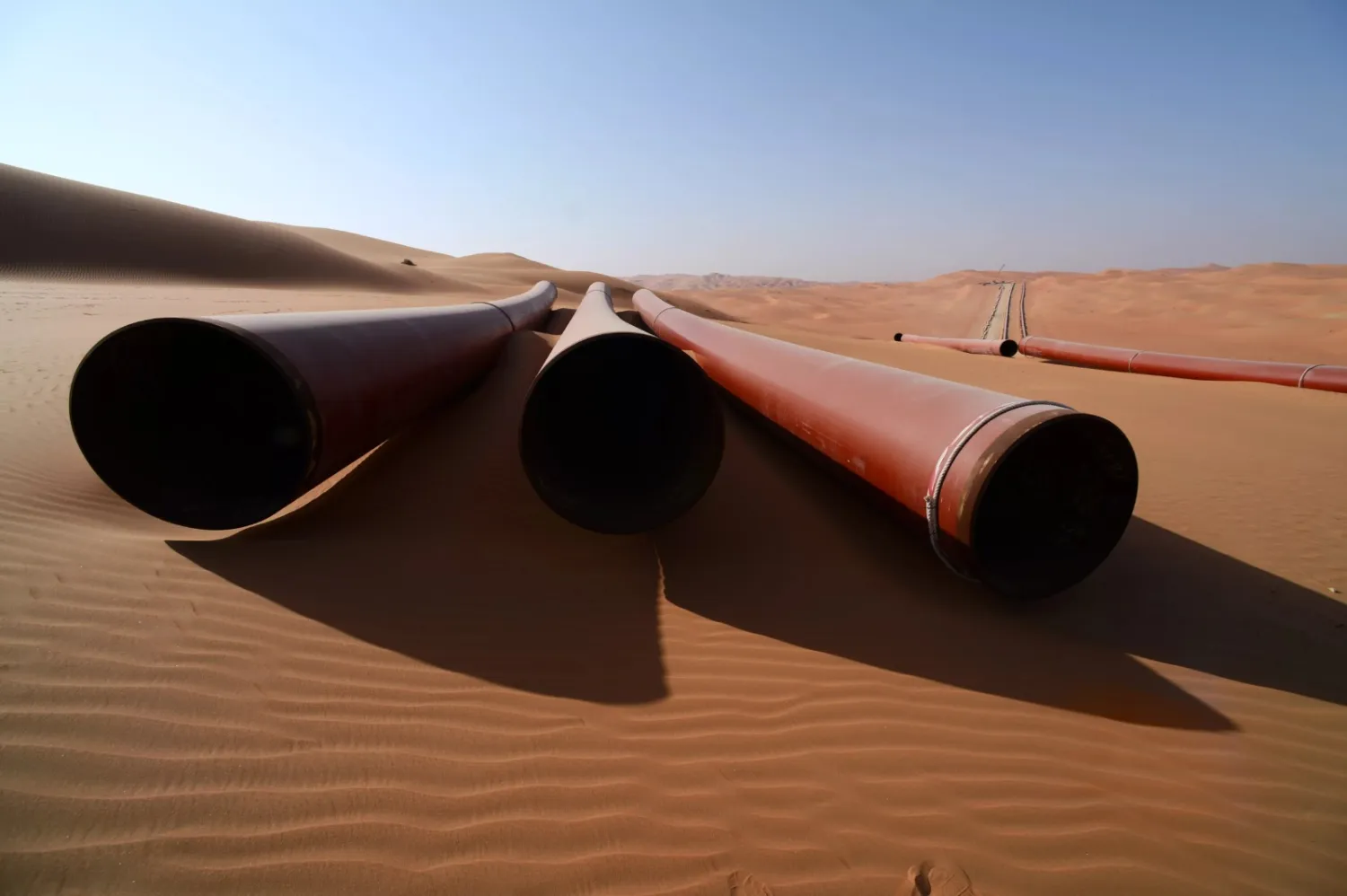
Pipelines in the Saudi desert. (Aramco)
TT

Aramco Confronts Repercussions of War with Emergency System as Markets Await Its Results

Pipelines in the Saudi desert. (Aramco)

As markets anticipate Saudi Aramco's announcement of its financial results for the third quarter of 2026 on Tuesday, the repercussions of the US–Israel war on Iran stand out as one of the most prominent factors testing the company's ability to maintain its operations and the flow of its supplies to global markets.

Despite attacks that struck oil facilities and disruptions to shipping traffic through the Strait of Hormuz since the outbreak of the war on February 28, the company continued to rely on a system of infrastructure and operational alternatives developed over decades. These measures included pipelines, alternative export outlets, and international inventories, alongside accelerating repairs to damaged facilities and sourcing maintenance requirements locally.

Chief among these alternatives is the East–West pipeline, which transports crude oil from the Eastern Region to the port of Yanbu on the Red Sea, bypassing the Strait of Hormuz and providing an export outlet when navigation through the strait is disrupted.

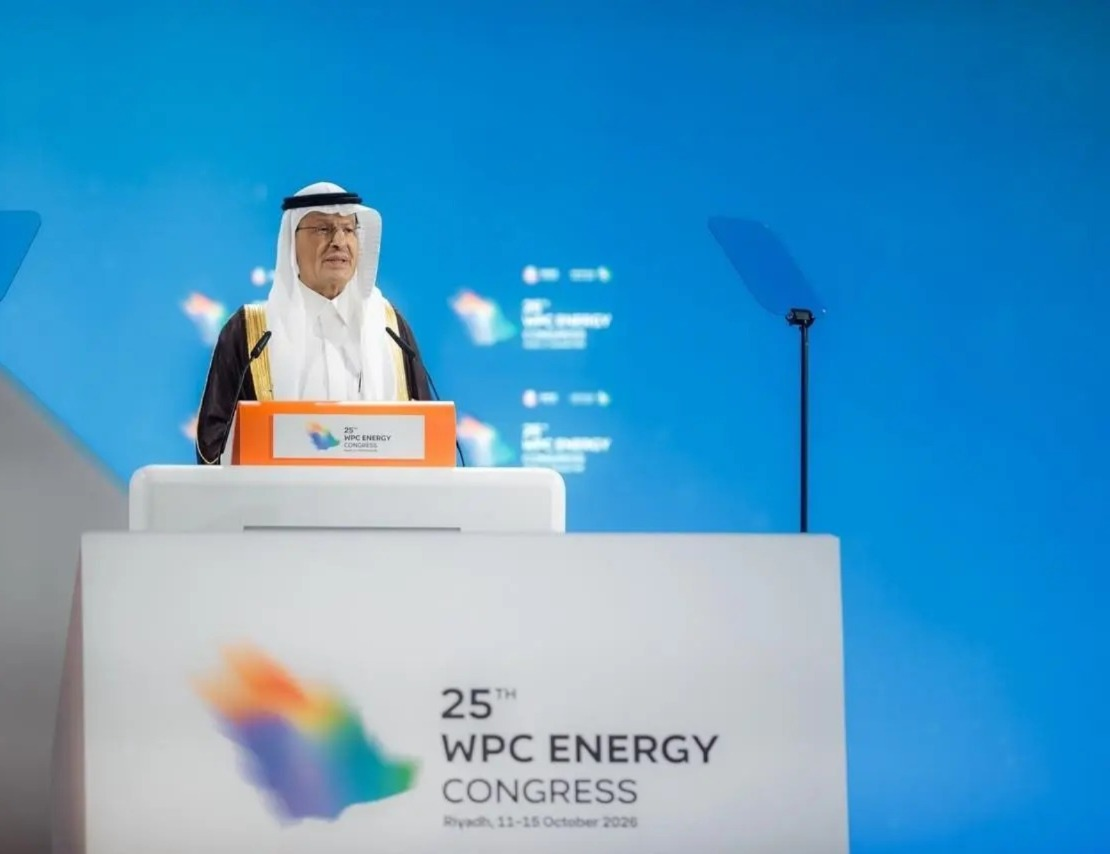
The importance of this route stems from advance planning to diversify export outlets. This was underscored by Saudi Minister of Energy Prince Abdulaziz bin Salman at the International Petroleum Conference in October 2026, when he stressed the need for providing alternatives before crises occur, pointing to the role of strategic infrastructure in boosting the security of energy supplies.

In parallel with these alternatives, Aramco bolstered its measures to manage attacks and disruptions by accelerating the repair of damaged facilities, securing maintenance materials and spare parts locally, and utilizing crude inventories both inside and outside the Kingdom. The company is also studying additional options to transport oil away from maritime corridors that are vulnerable to disruption.

Saudi Minister of Energy Prince Abdulaziz bin Salman at the International Petroleum Conference in October 2026. (SPA)

These measures take on particular significance in light of the repercussions of the war that broke out on February 28, which extended to oil facilities in the Gulf, coinciding with the disruption of shipping traffic through the Strait of Hormuz and escalating concerns over the continuity of supplies to global markets.

Aramco's facilities were among those targeted by the attacks. Two days after the outbreak of the war, the Ras Tanura refinery was targeted by two drones that were intercepted. Their debris caused a limited fire and minor damage, without affecting the supply of petroleum products to the domestic market.

In confronting these risks, the company focused on accelerating damage repair and restoring operations, while ensuring the continuous flow of oil to global markets.

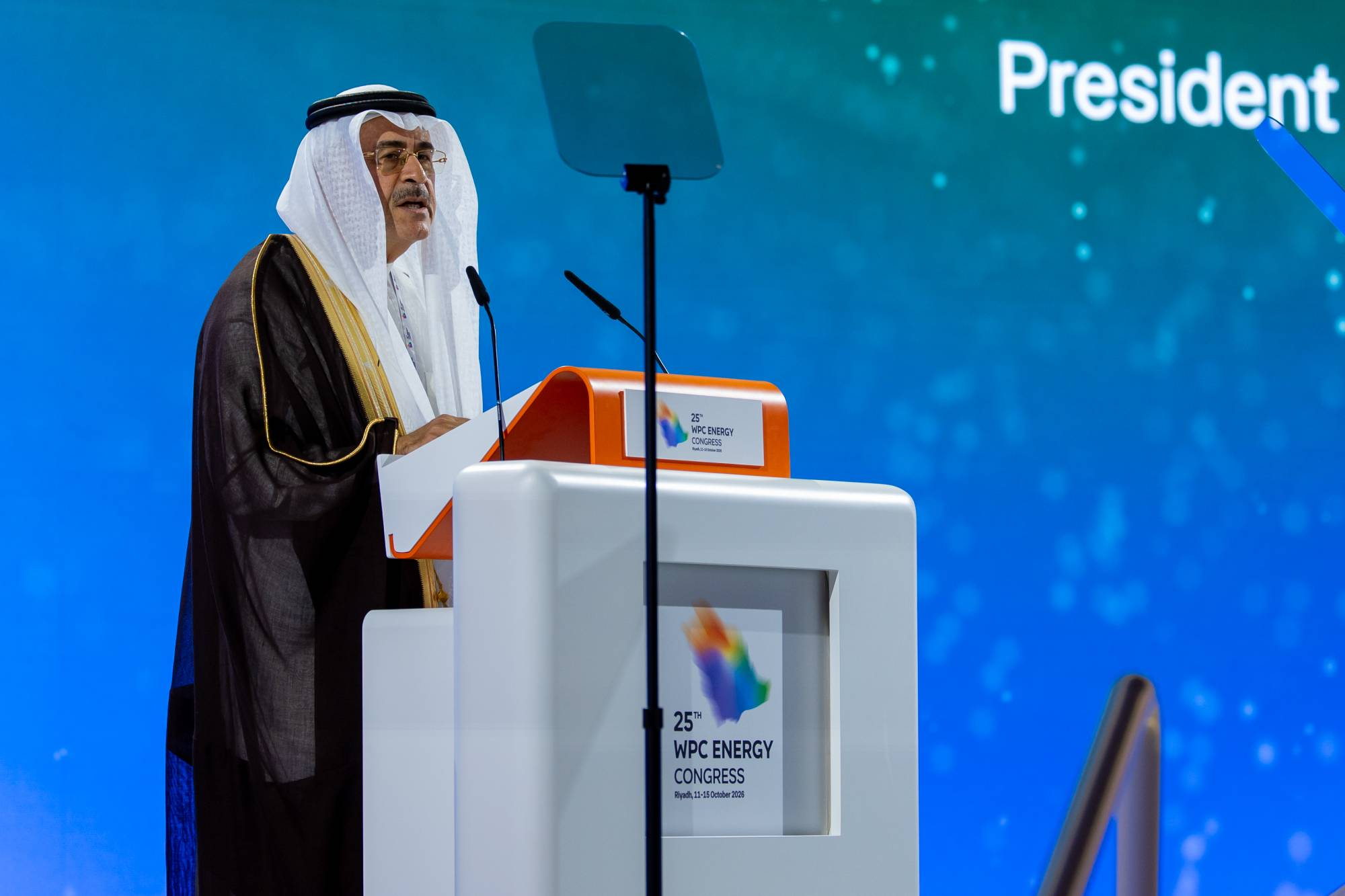
Aramco's President and CEO Amin Nasser revealed aspects of these preparations in a Reuters interview published on October 15. The measures included utilizing drones to assess damage, securing repair materials, and deploying specialized teams to handle multiple incidents simultaneously.

Response teams and repair inventories

Aramco has bolstered its incident response capabilities and accelerated the repair of damaged facilities through an emergency system that includes specialized teams, inventories of repair materials and spare parts, and tools to assess damage and determine technical requirements.

Nasser explained that Aramco developed specialized rapid-response teams following the 2019 attacks targeting the Abqaiq oil processing facility, and has since worked to boost its readiness to handle incidents, including simultaneous ones.

According to Nasser, the company produces locally or maintains in its warehouses approximately 90 percent of the materials required for repairs, which reduces reliance on imports and speeds up the restoration of operations.

Nasser said Aramco's response speed is more than six times the industry average, allowing damaged facilities to resume operations within days in many cases.

The emergency system is not limited to facility repairs, but also encompasses business continuity plans, the utilization of domestic and international inventories, and multiple routes for transporting and exporting crude oil, which helps the company maintain supplies despite production and shipping disruptions.

Aramco's President and CEO Amin Nasser at a petroleum conference in Riyadh. (Asharq Al-Awsat)

Restoring the capacity of the East–West Pipeline

With growing reliance on the East–West pipeline to bypass shipping disruptions through the Strait of Hormuz, its role has emerged as a primary corridor for transporting oil from the Eastern Region to the port of Yanbu on the Red Sea, and from there to global markets.

However, this route was not immune to the repercussions of the war; one of its pumping stations was attacked in April, which reduced flows by around 700,000 barrels per day. On April 12, the Ministry of Energy announced the restoration of the pipeline's full operational capacity, which stands at around seven million barrels per day.

The concept of establishing the pipeline dates back to the early 1980s during the Iraq–Iran War, when Saudi Arabia, under the directives of King Fahd bin Abdulaziz, decided to diversify its oil export outlets in anticipation of shipping disruptions in the Gulf. In 1995, its capacity was raised to around five million barrels per day, as reviewed by Energy Minister Prince Abdulaziz bin Salman during the International Petroleum Conference in October 2026.

Infrastructure readiness

On April 9, the Ministry of Energy announced that the targeting of a pumping station reduced pipeline flows by some 700,000 barrels per day, while subsequent attacks also impacted production at the Manifa and Khurais fields. Just three days later, the Ministry confirmed the restoration of full pumping capacity on the East-West pipeline and the recovery of affected production at the Manifa field, with work ongoing at the Khurais field.

In September, the pipeline was preemptively shut down to verify its safety following a new attack. On October 6, the Minister of Energy said operations had resumed within five to six days, with flows reaching around 5.8 million barrels per day, compared to its maximum capacity of seven million barrels per day.

These developments reflect the importance of rapidly repairing pumping stations and restoring operations at a time of increased reliance on export routes via the Red Sea to compensate for shipping disruptions in the Strait of Hormuz.

An integrated system

In its announcement of first-quarter results for 2026, Aramco said that it had activated business continuity plans to manage the repercussions of the war. The company utilized the East–West pipeline along with domestic and international storage capacities, in addition to leveraging the diversity of its assets and infrastructure.

In a speech delivered in London on October 5, Nasser stated that the company's resilience also relies on global strategic inventories, spare production capacity, multiple grades of crude, domestic gas inventories, and the Bahri tanker fleet. Facility preparations also encompass backup equipment and the segregation of critical utilities to limit the impact of disruptions.

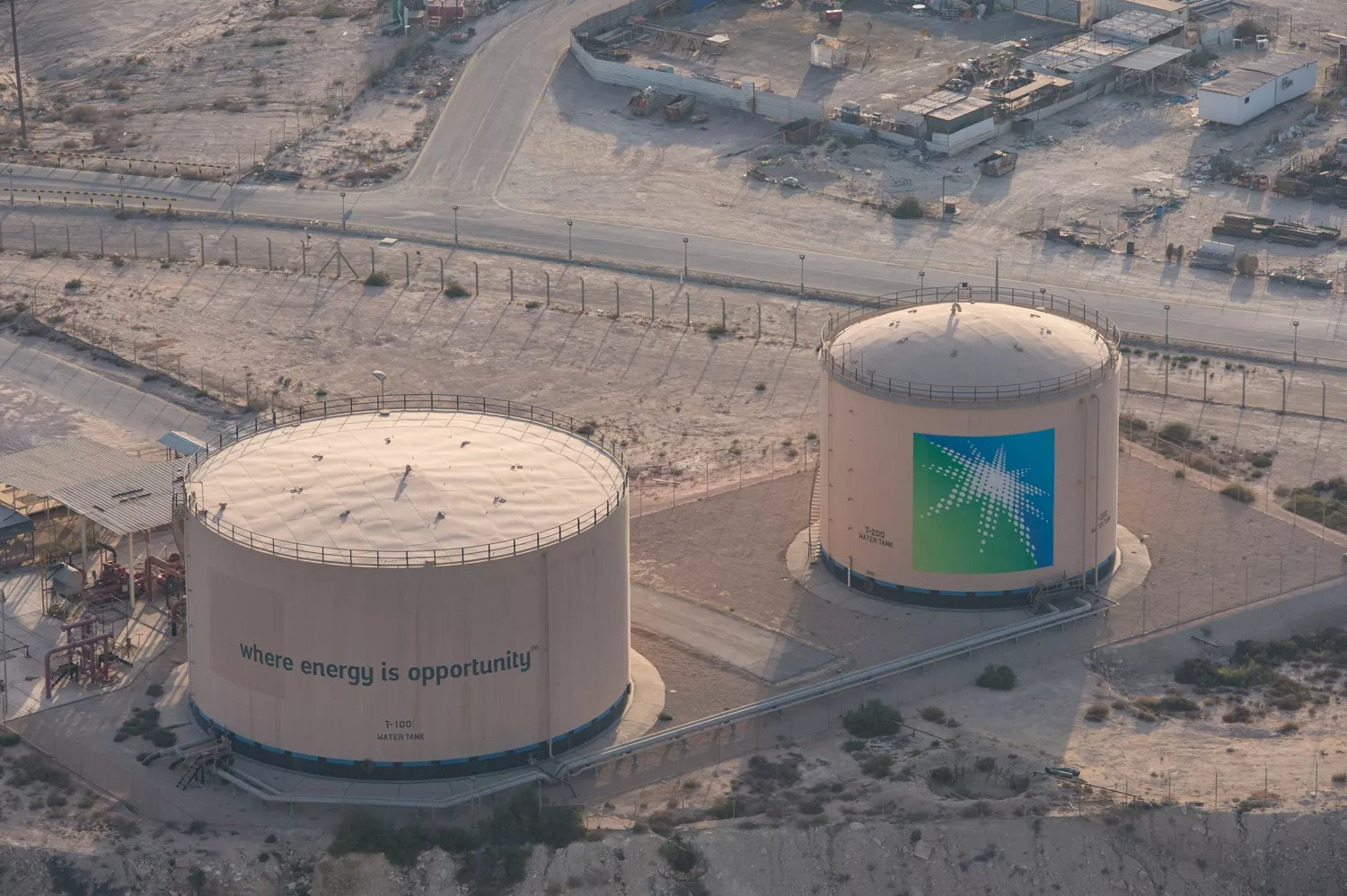
Storage facilities at Ras Tanura. (Aramco)

Additional export options

Alongside boosting the efficiency of existing infrastructure, Aramco is studying additional options to transport oil to global markets, aiming to reduce reliance on maritime corridors vulnerable to disruption.

Nasser stated that the company is exploring alternative routes without disclosing their details, explaining that they will be announced once a final decision is reached.

This coincides with a Saudi push to expand oil transport capacity through pipelines. In statements made in October, the Minister of Energy spoke of a target to increase the capacity of oil export pipeline routes to ten million barrels per day, as part of ongoing efforts to bolster supply security.

Diversifying crude transport options enables the rerouting of exports when certain pathways are disrupted and mitigates dependence on vital maritime checkpoints, while expanding the pipeline network introduces an additional layer of readiness to counter supply disruptions.

Overseas inventories

Supply management options during crises are not limited to altering transport routes. Storing crude oil outside the Kingdom allows volumes to be held close to consumer markets, providing greater flexibility in meeting customer needs when shipping lanes are disrupted or tanker arrivals are delayed. Saudi Aramco is actively seeking to expand these options, with its latest step coming via an initial understanding with Singapore.

On October 26, Saudi Arabia and Singapore announced an initial understanding to store Saudi crude oil in the Jurong Rock Caverns on Singapore's Jurong Island.

The facility is located underground at a depth of around 150 meters, with a total capacity of nearly nine million barrels of liquid hydrocarbons. The storage of Saudi crude oil at the facility is expected to begin during the second half of 2027.

Singapore is not the company's only international storage point, as Aramco maintains storage arrangements in Okinawa and Kiire in Japan, Ulsan in South Korea, Rotterdam in the Netherlands, and facilities linked to the Sumed pipeline system in Egypt. These strategic locations keep crude close to consumption centers and provide vital alternatives for meeting customer demand during shipping disruptions.


Saudi Market Rises 0.35% to 9,873 Points in Early Trading

An investor walks past the "Tadawul" logo in the Saudi market (Reuters)
TT

Saudi Market Rises 0.35% to 9,873 Points in Early Trading

An investor walks past the "Tadawul" logo in the Saudi market (Reuters)

Saudi Arabia’s benchmark stock index, the Tadawul All Share Index (TASI), rose 0.35% to 9,873 points in early trading on Monday, gaining 34.87 points from its previous close of 9,838.

Cisco Holding led the gainers, rising 6.66% to 35.22 riyals, followed by Miahona, which climbed 4.72% to 42.12 riyals.

Riyadh Cables advanced 4.02% to 96.95 riyals.

Among the decliners, GIG led losses, tumbling 9.01% to 25.66 riyals, followed by Bawan, down 6.25% at 23.72 riyals. Tasheel also shed 4.46% to 19.08 riyals.


Gold Rises on Softer Oil; Markets Parse Fed Signals

A salesman presents gold bars at a jewelry shop inside the Gold Market at the Old Souk in Dubai (EPA)
TT

Gold Rises on Softer Oil; Markets Parse Fed Signals

A salesman presents gold bars at a jewelry shop inside the Gold Market at the Old Souk in Dubai (EPA)

Gold prices bounced on Monday, after a selloff in the previous session, as weaker oil prices tempered inflation concerns, while investors assessed comments from the Federal Reserve for clues on the path of US interest rates.

Spot gold rose 0.8% to $3,903.90 per ounce by 0757 GMT, after hitting a one-year low in the previous session. US gold futures for December delivery gained 0.4% to $3,913.20.

Bullion ‌slumped 3.5% ‌to its lowest since October 2025 on Friday, ‌falling ⁠below its key $4,000 ⁠per ounce level amid a selloff in technology stocks that led to margin calls, and the forced sale of safe-haven assets such as gold.

"We're just getting a bounce after the selloff, along with oil prices coming off to start the week, which is providing a little bit of a relief for ⁠precious metals generally," said Kyle Rodda, senior financial market ‌analyst at Capital.com.

Oil prices fell ‌more than 3% after Reuters reported that Iranian negotiators were in ‌Doha on Sunday for a third consecutive day of talks ‌with Qatari mediators aimed at pushing for a deal to end the US-Israeli war on Iran.

Elevated energy prices often raise the expectation that the Fed will keep interest rates higher for longer, increasing the opportunity ‌cost of holding non-yielding bullion.

Investors are now focusing on the November 3 US midterm elections ⁠and their ⁠potential impact on fiscal policy and broader market sentiment.

Meanwhile, a trio of Fed officials made the case on Friday for more interest rate increases to combat high levels of inflation, in the first round of commentary made by central bankers after last week's monetary policy meeting at which policymakers left short-term borrowing costs steady.

"Gold faces a difficult near-term environment in which technical selling and liquidity concerns are overshadowing its longer-term investment appeal," said Ole Hansen, head of commodity strategy at Saxo Bank, in a note.

Spot silver climbed 2.5% to $50.33 per ounce, platinum steadied at $1,431.50 and palladium gained 0.9% to $986.00.