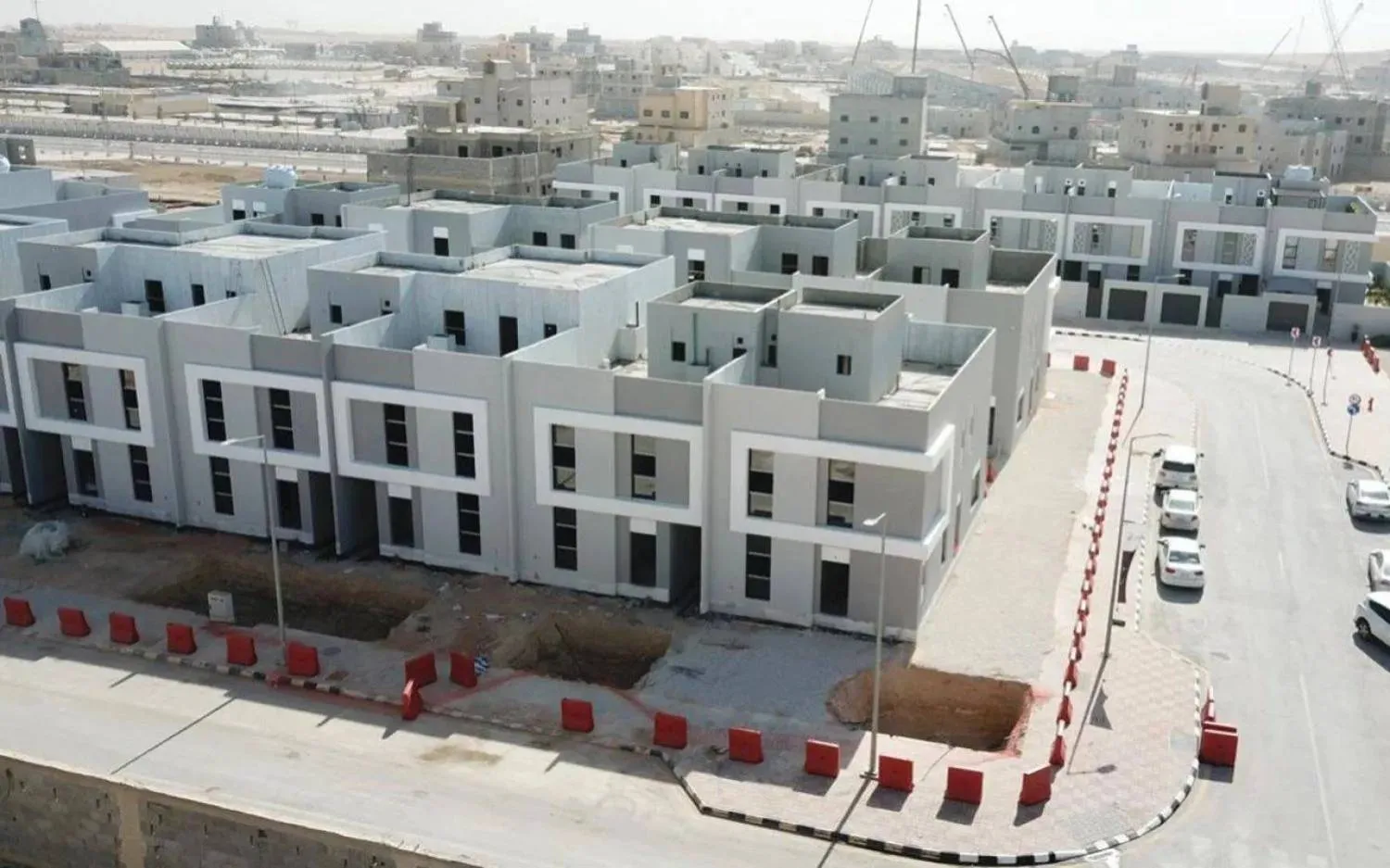

Saudi Arabia is moving to make white land fees more closely tied to the actual behavior of landowners, closing one avenue through which ownership of land could previously be transferred before outstanding fees were settled. The new decision gives owners of fee-subject land clearer options: pay the fees, develop the land, or sell it after settling their obligations, strengthening the system's effectiveness in increasing supply and bringing undeveloped land onto the market.
The Saudi Cabinet approved this week a decision not to document any real estate transaction transferring ownership of land subject to the White Land and Vacant Real Estate Fees Law until payment of the fees due on the land has been verified.
Minister of Municipalities and Housing Majid Al Hogail said the Cabinet's approval to regulate the documentation of real estate transactions involving land subject to the fees, by verifying payment of outstanding amounts before documenting any ownership transfer, aims to safeguard the state's rights, encourage landowners to develop their properties and increase real estate supply, thereby improving market efficiency and supporting market balance.
Evolution of the Fees
White land fees in Saudi Arabia have gone through several stages aimed at meeting the country's development targets and injecting more supply into the local market. In 2015, the fees were approved at a fixed rate of 2.5 percent. This was followed by the modern billing system introduced this year, under which annual fees can reach as much as 10 percent of the land's value, in implementation of directives from Crown Prince and Prime Minister Mohammed bin Salman.
The decision puts landowners before a clearer equation: develop the land, pay the fees, or sell after settling their obligations, closing one avenue for avoiding the fees by transferring ownership.
The significance of the move extends beyond the procedural collection of outstanding amounts, as it seeks to influence landowners' behavior, raise the cost of holding undeveloped land, and push more of it toward development or sale.
The modern fee system has expanded to include both white land and vacant real estate, tightening the pressure on vacant properties in the Kingdom to develop them and offer them for rent or sale, increasing market activity and achieving the real estate balance targeted by the government.
Rising Cost of Land
Khaled Al-Mubayyed, CEO of real estate company Manasat, told Asharq Al-Awsat that the Cabinet's approval prevents land from being transferred to a new owner while outstanding fees remain unpaid, or attempts to shed the obligation through a change in ownership. As a result, the fees become effectively tied to the land and transactions involving it, preventing attempts to circumvent the system.
Al-Mubayyed said the measure strengthens the collection of government dues by linking documentation to payment, making collection more effective because a sale and transfer of ownership are among the key pressure points that are difficult to bypass.
The CEO of Manasat added that the significance of the Cabinet's approval lies in putting the owner before two options: either develop the land or pay the fees if they wish to retain or sell it. This increases the cost of keeping land undeveloped and strengthens the incentive to bring it onto the market.
Monitoring the Property's Status
Real estate specialist and developer Ahmed Omar Basoudan told Asharq Al-Awsat that the new measure eliminates attempts to circumvent or evade development or payment of the fees, increases supply, and curbs speculative behavior and land hoarding.
He added that holding undeveloped land has become costly, forcing some owners to sell or develop rather than wait for prices to rise. This could therefore expand the pool of land available for development, which is the primary objective of the fee system.
Basoudan said increased supply of developed land would help ease bottlenecks in the land market, particularly in cities with high demand, and could gradually affect land prices as well as development and housing costs.
He added that the decision comes amid the expansion of the system to include white land and vacant real estate, with implementing regulations allowing fees to be calculated and the status of properties monitored, while reinforcing collection procedures and preventing evasion.