Al-Jadaan at G20 Meeting: Global Economy Resilient but More Vulnerable to Risks

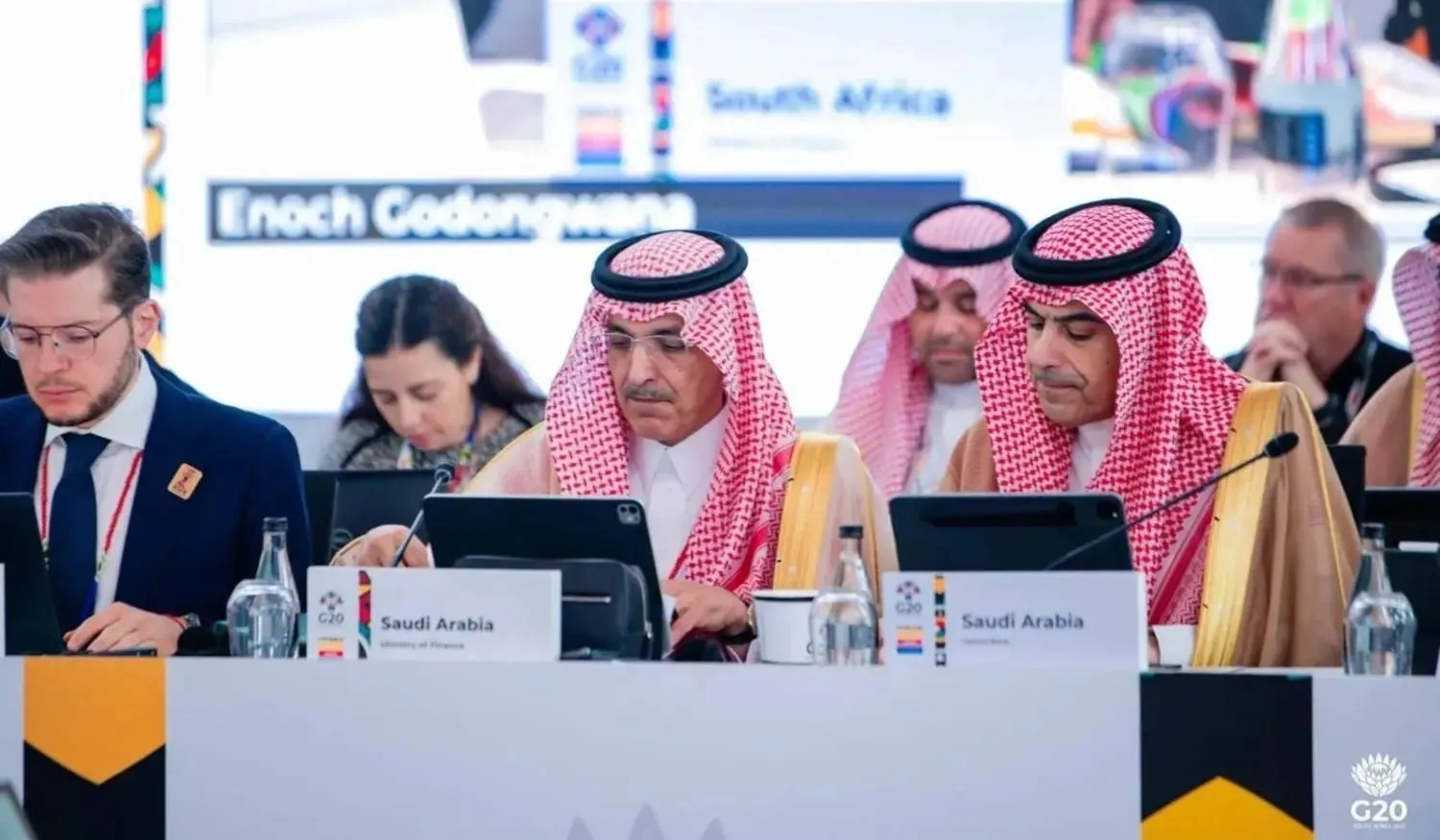
Saudi Finance Minister Mohammed Al-Jadaan during previous G20 meetings (SPA) 
TT

Al-Jadaan at G20 Meeting: Global Economy Resilient but More Vulnerable to Risks

Saudi Finance Minister Mohammed Al-Jadaan during previous G20 meetings (SPA) 

Saudi Finance Minister Mohammed Al-Jadaan took part in the second G20 Finance Ministers and Central Bank Governors Meeting, held under the US presidency of the group in Asheville, North Carolina, on Aug. 31 and Sept. 1, 2026.

The meeting brought together finance ministers and central bank governors from G20 member countries, representatives of invited nations and heads of international financial institutions.

During a session on current economic developments, Al-Jadaan said the global economy had demonstrated resilience in the face of shocks but had also become more vulnerable to risks.

He stressed the importance of strengthening economic resilience by diversifying production alternatives, ensuring adequate inventories and maintaining infrastructure with spare capacity, describing these factors as the first line of economic defense against shocks.

In a session on economic growth, the Saudi finance minister emphasized the need to strengthen economies’ capacity to achieve robust and sustainable long-term growth, noting that constraints on growth vary among economies and evolve as they progress through different stages of development.

He noted that raising growth potential requires identifying the most significant constraints at each stage and then adapting policies and reforms to the nature of those challenges as they evolve.

During discussions on global imbalances, Al-Jadaan said external surpluses and deficits may reflect differences in countries’ economic conditions and structures and do not necessarily constitute imbalances in themselves.

He added that effectively addressing global imbalances requires looking beyond trade flows to consider domestic fiscal and economic conditions as well as the underlying structural factors.

The minister underlined that building a more robust international framework for addressing debt challenges requires not only dealing more effectively with debt crises in vulnerable countries but also limiting the accumulation of debt that does not generate sustainable economic and development returns.

His comments came during a session on sovereign debt. He explained that strengthening countries’ capacity to assess their financing needs and manage debt sustainability is a key pillar in preventing liquidity pressures from developing into deeper debt crises.

Al-Jadaan also participated in a closed-door dialogue with finance ministers, central bank governors and private-sector leaders in the field of artificial intelligence. The session addressed the role of technology in driving innovation, boosting productivity, and strengthening economic growth.

On the sidelines of the meeting, the Saudi finance minister held a series of bilateral talks with counterparts from participating countries and senior officials from international financial institutions.

The discussions covered global economic developments and financial issues of mutual interest, as well as opportunities to strengthen cooperation and exchange expertise in economic and financial fields.


Saudi FM Holds Separate Calls with His Qatari, Egyptian Counterparts

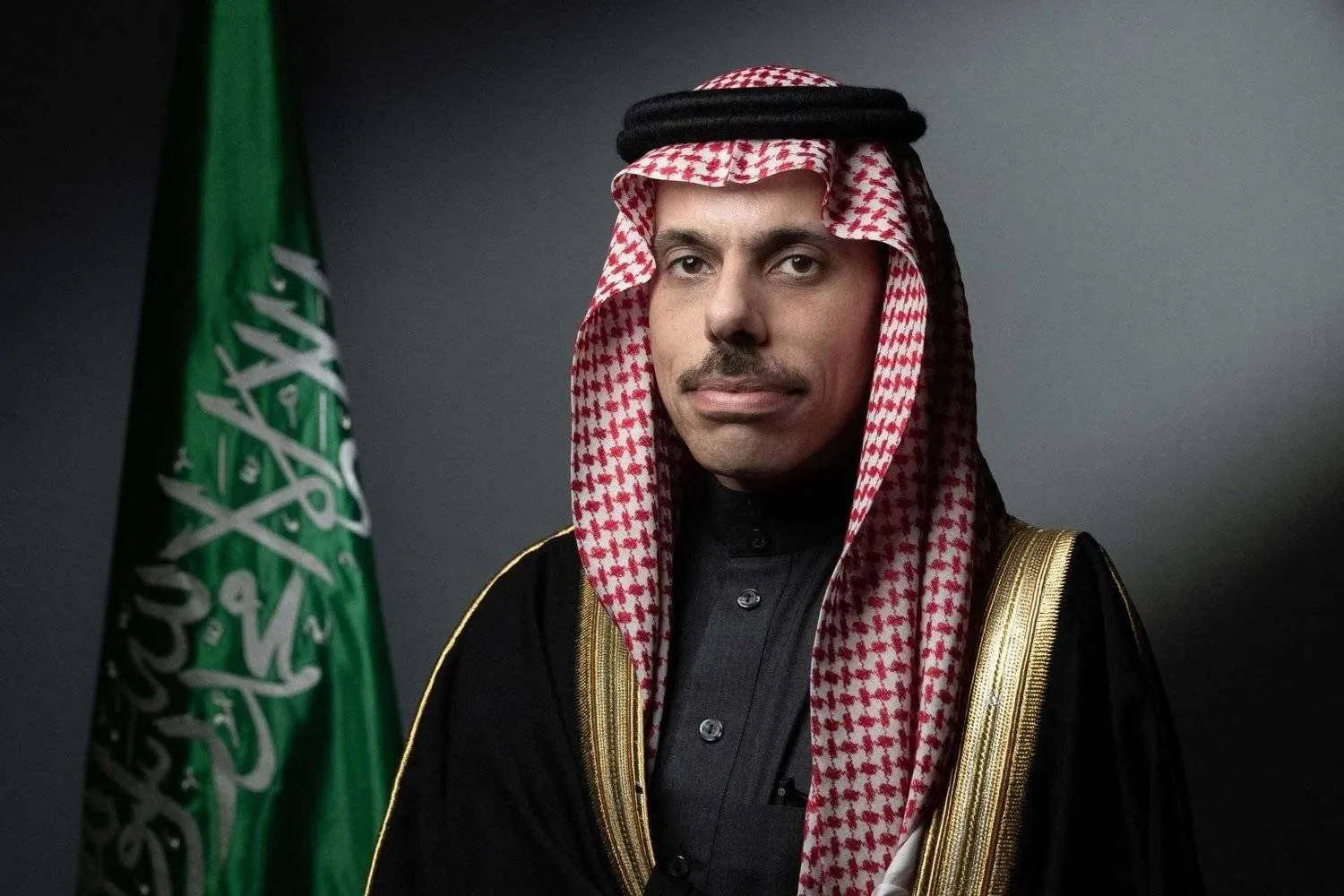
Saudi Foreign Minister Prince Faisal bin Farhan (Asharq Al-Awsat)
TT

Saudi FM Holds Separate Calls with His Qatari, Egyptian Counterparts

Saudi Foreign Minister Prince Faisal bin Farhan (Asharq Al-Awsat)

Saudi Minister of Foreign Affairs Prince Faisal bin Farhan bin Abdullah held a phone call with Qatari Prime Minister and Minister of Foreign Affairs Sheikh Mohammed bin Abdulrahman bin Jassim Al Thani.

They discussed the latest regional developments and efforts to de-escalate tensions and strengthen security and stability.

According to SPA, he also received a phone call from Egyptian Minister of Foreign Affairs, International Cooperation and Egyptian Expatriates Dr. Badr Abdelatty, with whom he discussed regional and international developments and efforts to support security and stability.


Coalition: Houthi Cruise Missile Launched Toward Riyadh Region Destroyed

Official Spokesperson for the Coalition to Restore Legitimacy in Yemen Major General Turki Al-Malki (Asharq Al-Awsat)
TT

Coalition: Houthi Cruise Missile Launched Toward Riyadh Region Destroyed

Official Spokesperson for the Coalition to Restore Legitimacy in Yemen Major General Turki Al-Malki (Asharq Al-Awsat)

Official Spokesperson for the Coalition to Restore Legitimacy in Yemen Major General Turki Al-Malki stated on Saturday that a cruise missile launched by the terrorist Houthi militia toward Riyadh Region was intercepted and destroyed.

Al-Malki said on Friday night that a UAV was intercepted and destroyed in Riyadh Region.


Turkish Parliament Ratifies Makkah Defense Pact

General view of the Turkish Parliament. (Reuters – File Photo)
TT

Turkish Parliament Ratifies Makkah Defense Pact

General view of the Turkish Parliament. (Reuters – File Photo)

Türkiye's parliament ratified a regional defense pact involving Saudi Arabia and Pakistan overnight, state media reported.

The three countries signed the Makkah Joint Defense Agreement in August, committing them to come to one another's aid if any member is attacked.

Lawmakers approved the measure by 279 votes to 119, according to the state-run Anadolu news agency.

During parliamentary debates, ruling AKP lawmaker Ziya Altunyaldiz said the agreement was not directed against any third country and was intended to prevent conflicts rather than escalate them, Anadolu reported.