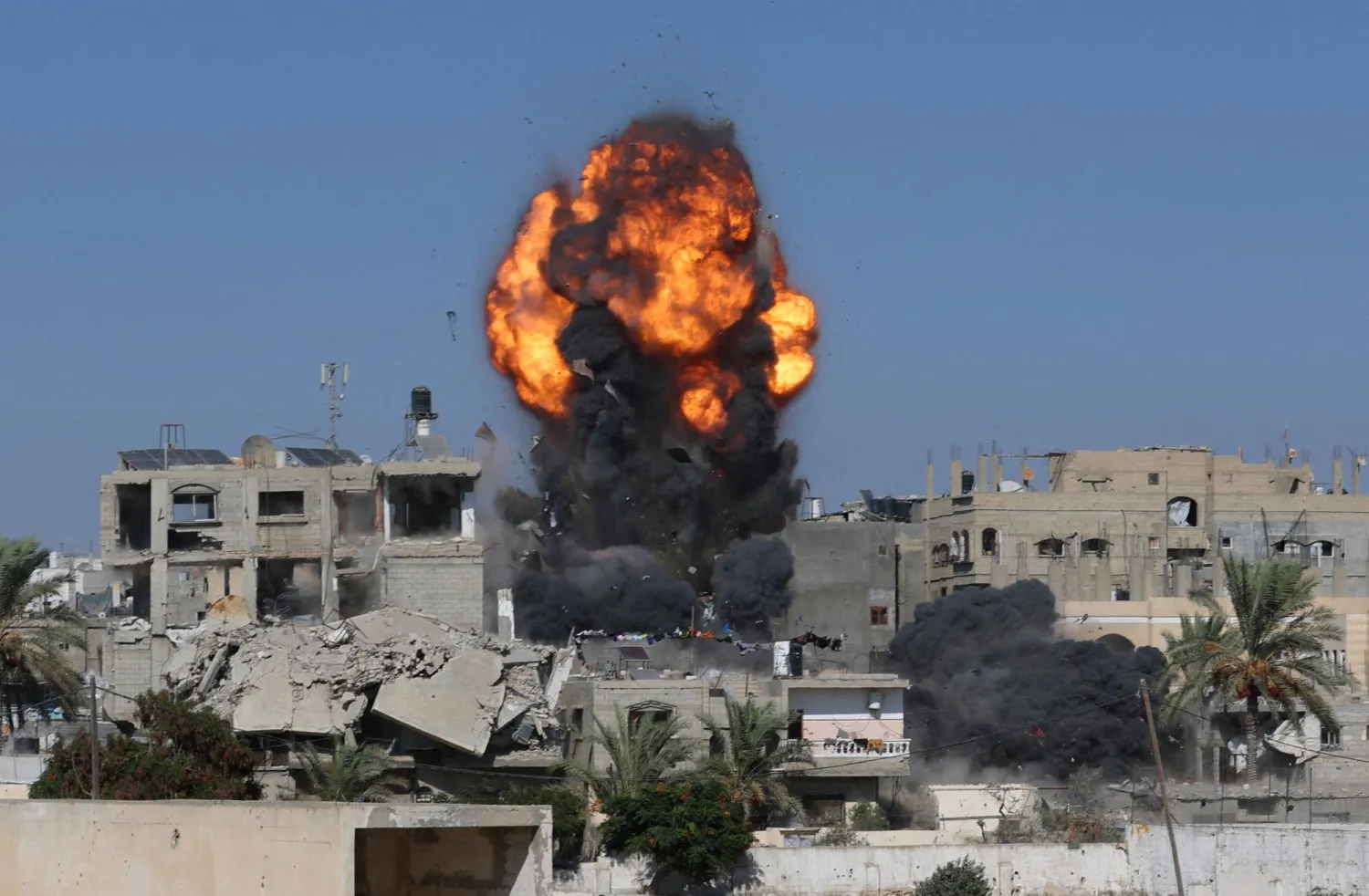
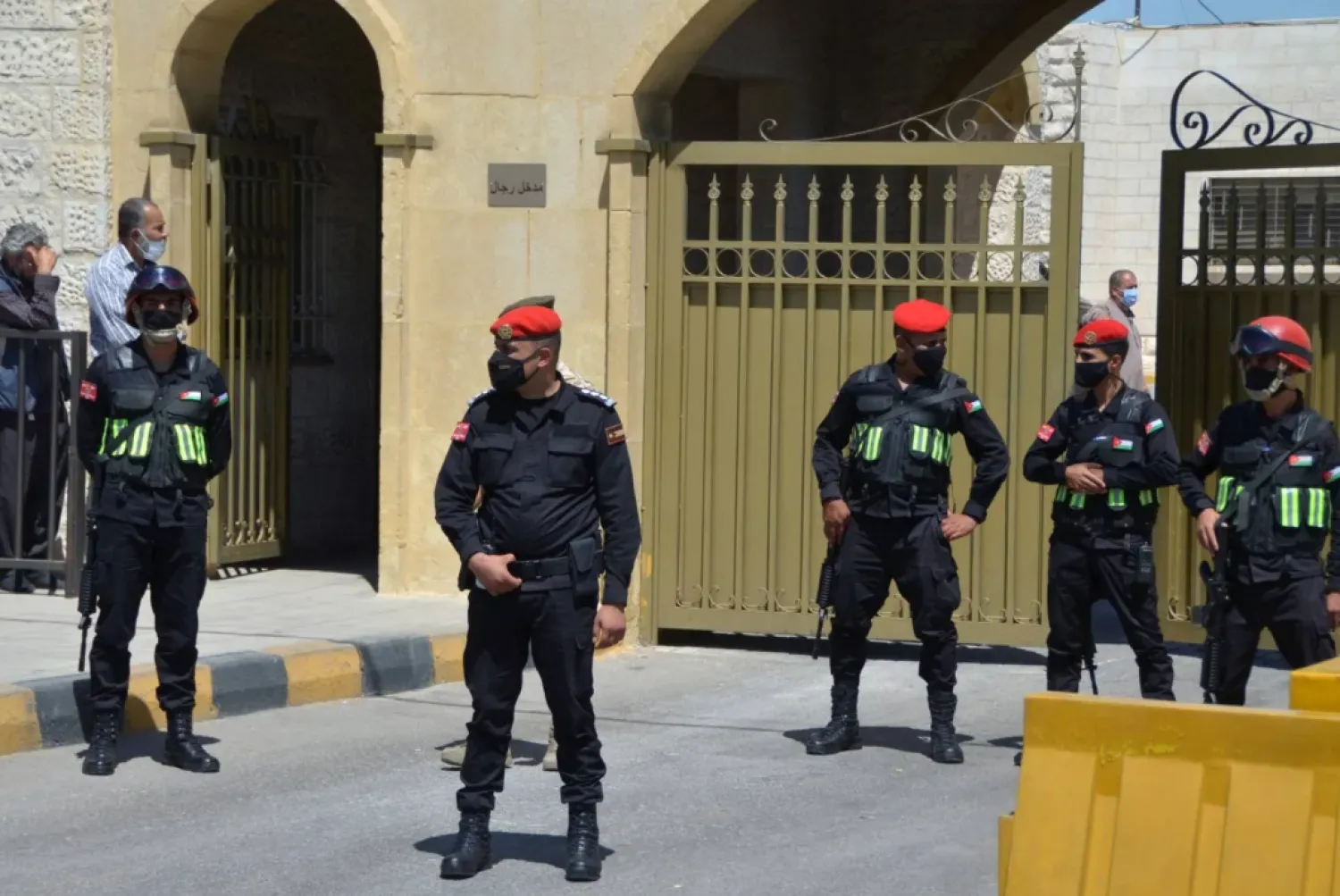
Iraq's push to bring armed factions under state control faces a critical test as fears mount of renewed war between the United States and Iran, raising the prospect of militia involvement that could drag Baghdad into a regional conflict it is determined to avoid.
The concerns come amid US and Israeli reports of plans to resume strikes on Iran after the November 3 US midterm elections, with efforts to cement a ceasefire at an impasse.
The prospect leaves Prime Minister Ali al-Zaidi's government facing a delicate balancing act: keeping Iraq out of another war while preserving ties with Washington, even as armed factions retain military capabilities and the freedom to act independently of Baghdad, observers say.
Al-Zaidi outlined a phased disarmament plan in a September interview with The New York Times during a visit to New York, setting June 30, 2027, as the new deadline for bringing all weapons under state control. The previous deadline was September 30, 2026.
The plan begins with a 90-day period during which factions would halt attacks on US interests and neighboring countries in return for US forces refraining from targeting them. A gradual handover of weapons would follow over the next six months.
But setting a deadline has done little to settle disputes over how the plan would work. Powerful factions remain unwilling to disarm, with some insisting that foreign troops must leave first. Nor do public pledges to accept state control necessarily amount to binding commitments to surrender heavy weapons, missiles or drones.
Risks of escalation
Talib Mohammed Karim, a political science professor at Mustansiriyah University, said the scale of any US strike and Israel's role in it would largely determine how far Iraqi factions become involved.
Direct Israeli strikes on Iran, he told Asharq Al-Awsat, would make it "more serious" for some factions to shift from attacking US interests and bases in the region to striking deep inside Israel, potentially setting off retaliatory attacks and widening the conflict.
Karim said Baghdad's responsibility went beyond restraining armed factions. It must also prevent Iraqi territory from being drawn into the war and safeguard the country's sovereignty and national interests under the constitution.
Factions tied to Iran's supreme leader
Ghalib al-Daami, a media professor at Mustansiriyah University, expects any initial involvement by Iraqi factions to be indirect, most likely through attacks on US interests.
The factions have already declared their readiness to fight alongside Iran if war resumes, Daami told Asharq Al-Awsat. But openly entering the conflict could leave them in a "predicament," he said.
Abdulrahman al-Jubouri, a specialist in US affairs, said the factions do not necessarily share Baghdad's priorities, pointing to Kataib Hezbollah, whose ideology is directly tied to Iran's supreme leader.
"Al-Zaidi's position is not binding on these groups. Some say they remain committed to the truce, but they have not changed their view of the United States as an enemy," Jubouri said.
No united front among factions
Basil Hussein, head of the Kluadha Center for Political Studies, does not expect Iraqi factions to respond in unison to another US-Iran war.
Groups most closely aligned with Iran's Revolutionary Guards, particularly Kataib Hezbollah and the Nujaba Movement, could follow Tehran's calculations and expand their attacks to US interests and energy facilities across the region, Hussein told Asharq Al-Awsat.
Others, including Asaib Ahl al-Haq and Kataib al-Imam Ali, which have declared their support for bringing weapons under state control, are more likely to stay out of the fighting. But those declarations offer no guarantee of how they would respond if the war spreads, he said.
For al-Zaidi's government, Hussein said, the stakes are especially high. Renewed fighting could hand factions resisting disarmament another reason to keep their weapons while exposing Iraq to US and regional retaliation.
Researcher and academic Abbas Abboud outlined two paths for the factions: honor an agreement with the government to place weapons first under the commander-in-chief of the armed forces and then surrender them in stages, or join attacks on US interests inside or outside Iraq.
The second path could unravel the government's central program, Abboud warned.
If the factions join Iran in a war against the United States, he said, Baghdad could face severe political and security fallout, with Iraq dragged into the fighting "against its will and political decision."
Economic strain and sovereignty
Political researcher Hani Ashour said al-Zaidi's insistence that weapons remain under state control and decisions on war and peace rest with constitutional institutions reflects Baghdad's official determination to avoid another regional conflict.
A renewed US-Iran war could upend the regional landscape, Ashour told Asharq Al-Awsat, as Iraq struggles to shield itself from the fallout while grappling with difficult economic conditions.
Ashour believes the government will not allow factions to join the fighting under any pretext, noting that several have already pledged to place their weapons under state control.
Whether Baghdad can enforce that position, however, depends on turning political pledges into action. Factions remain divided over disarmament, with the timing and terms of any handover still in dispute.
Political researcher Falah al-Mishal said government warnings against those promoting weapons outside state control were in line with al-Zaidi's government program. Under existing laws, he noted, penalties for incitement or terrorist acts can extend to the death penalty.