Saudi Culture Ministry Issues Guide on Ethical Use of AI in Cultural Sector

Saudi Culture Ministry Issues Guide on Ethical Use of AI in Cultural Sector
TT

Saudi Culture Ministry Issues Guide on Ethical Use of AI in Cultural Sector

Saudi Culture Ministry Issues Guide on Ethical Use of AI in Cultural Sector

Saudi Arabia's Ministry of Culture has issued a guide on the ethics of using artificial intelligence in the cultural sector, one of the products of the Cultural Policy Lab.

The guide aims to promote informed, responsible and fair practices in using AI technologies across the creative industries and mitigate the risks of misuse. It balances harnessing AI’s potential with preserving the authenticity of Saudi creativity and culture.

The guide can be downloaded through the ministry’s website.

The guide covers 11 cultural sectors and targets cultural institutions and practitioners, as well as AI technology developers. It outlines potential forms of misuse in each sector and provides guidance to help cultural-sector workers keep pace with emerging technologies and use them responsibly. It also seeks to promote innovation that supports the sector’s development and growth and raise awareness of ethical and unethical practices related to AI use.

The guide is based on seven guiding principles: cultural safety and authenticity; ownership and attribution of creative works; transparency, explainability and lawful data use; ethical and fair use of AI; AI as a tool to empower creativity; enhancing access to cultural content; and protecting data privacy and security.

The guide stresses that humans remain responsible for the creative vision and final artistic output, while AI should serve as a supporting tool that enhances creators’ capabilities. It calls for disclosure of AI use, obtaining the necessary approvals, verifying the integrity of data and outputs, and respecting copyright and intellectual property rights.

The guide aligns with guidelines issued by the Saudi Authority for Intellectual Property (SAIP) and is consistent with UNESCO’s Recommendation on the Ethics of Artificial Intelligence, as well as relevant frameworks issued by the Saudi Data & AI Authority (SDAIA).

The guide is a non-binding document, with applicable laws and regulations in Saudi Arabia remaining the overriding reference.
European Film Festival Returns to Riyadh for Fifth Edition with 16 Films

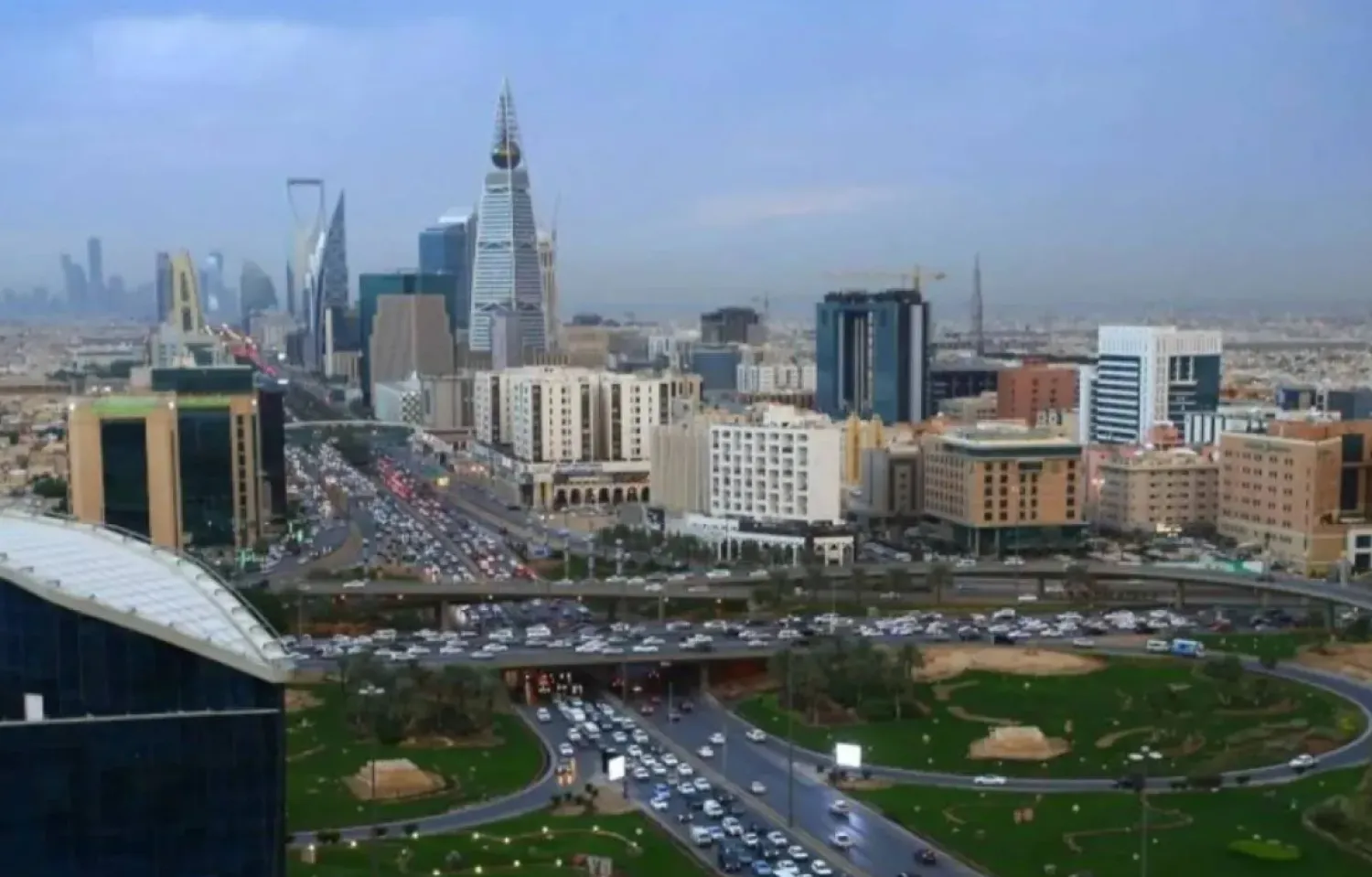
File photo of the Saudi capital Riyadh - File/AAWSAT
TT

European Film Festival Returns to Riyadh for Fifth Edition with 16 Films

File photo of the Saudi capital Riyadh - File/AAWSAT

The Delegation of the European Union to Saudi Arabia, in collaboration with the embassies of its member states and with the support of the Film Commission, has announced the fifth edition of the European Film Festival in Riyadh, featuring 16 films from 16 European countries, SPA reported.

The festival will begin on November 2, with public screenings running from November 3 to 10, building on the success of its four previous editions.

The program includes a diverse selection of cinematic works reflecting the variety of European film schools and traditions. All films will be presented with Arabic and English subtitles.


‘Rashrash’: A Silver Necklace Reflecting Jazan’s Traditional Women’s Jewelry Heritage

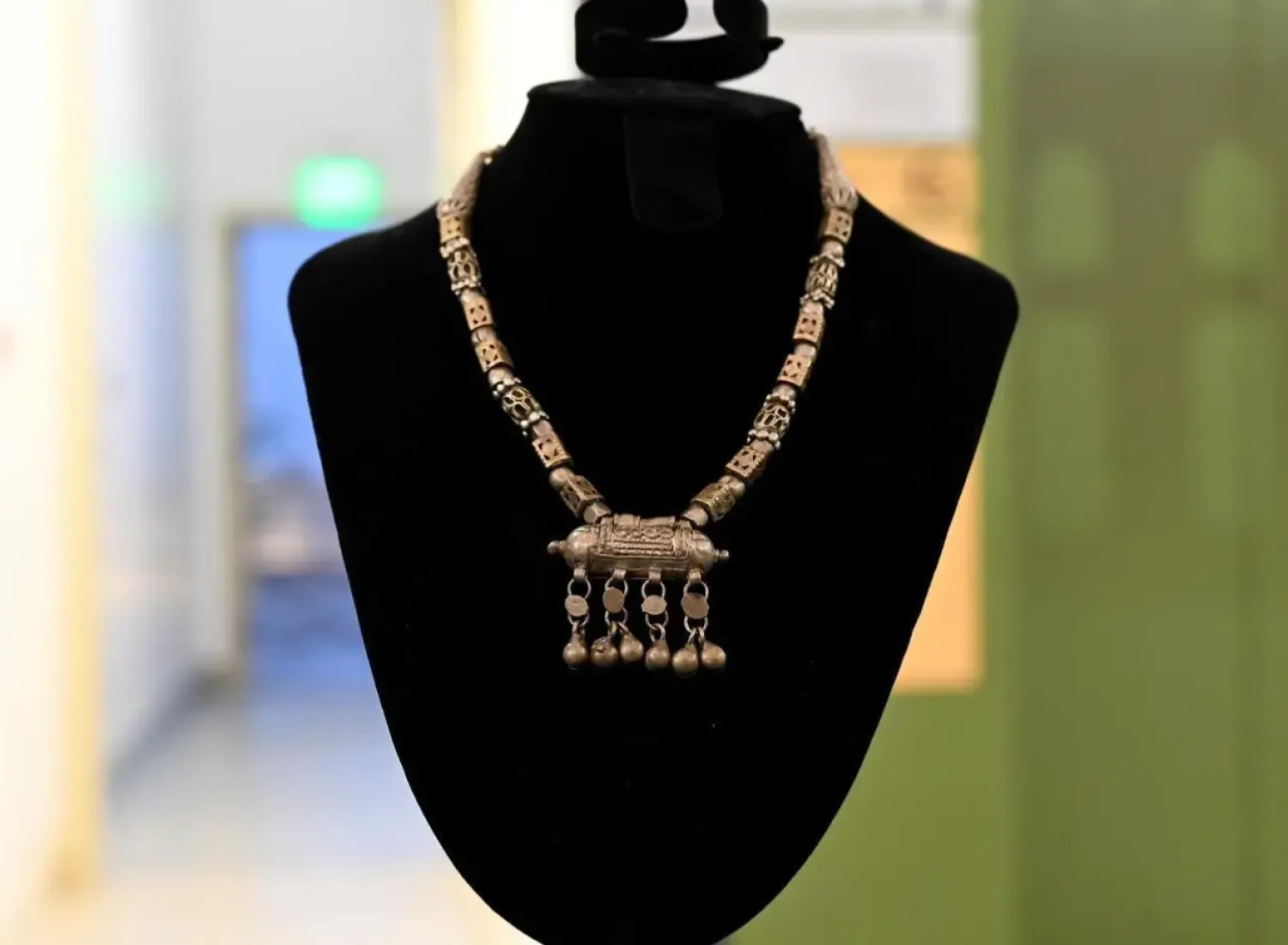
Adornment was not limited to silver jewelry but also included the use of kohl, henna, perfumes and hair-care products - SPA
TT

‘Rashrash’: A Silver Necklace Reflecting Jazan’s Traditional Women’s Jewelry Heritage

Adornment was not limited to silver jewelry but also included the use of kohl, henna, perfumes and hair-care products - SPA

Traditional jewelry in Jazan Region preserves part of the memory of women and reflects aspects of their social lives in the past.

Among these ornaments is the Rashrash necklace, a silver piece worn around women’s necks, valued for its aesthetic appeal and cultural significance, which are deeply rooted in the community’s customs and heritage.

According to SPA, silver held a prominent place in traditional Jazan women’s adornment, with jewelry ranging from necklaces, earrings and bracelets to decorative pieces worn on the upper arms and feet.

The Rashrash was among the ornaments worn by women in Jazan and was one of the pieces worn by brides as part of traditional wedding customs. Together with other jewelry, it formed the bride’s adornment for the occasion, reflecting the attention women paid to aesthetic details and the variety of silverwork used for personal adornment.

Adornment was not limited to silver jewelry but also included the use of kohl, henna, perfumes and hair-care products.

Women also used local plants and flowers to adorn their hair on special occasions. These practices were closely linked to the natural environment, which provided the plants and materials women used in their daily lives and social gatherings.


The Black Stone: Sacred Landmark at the Heart of the Holy Kaaba

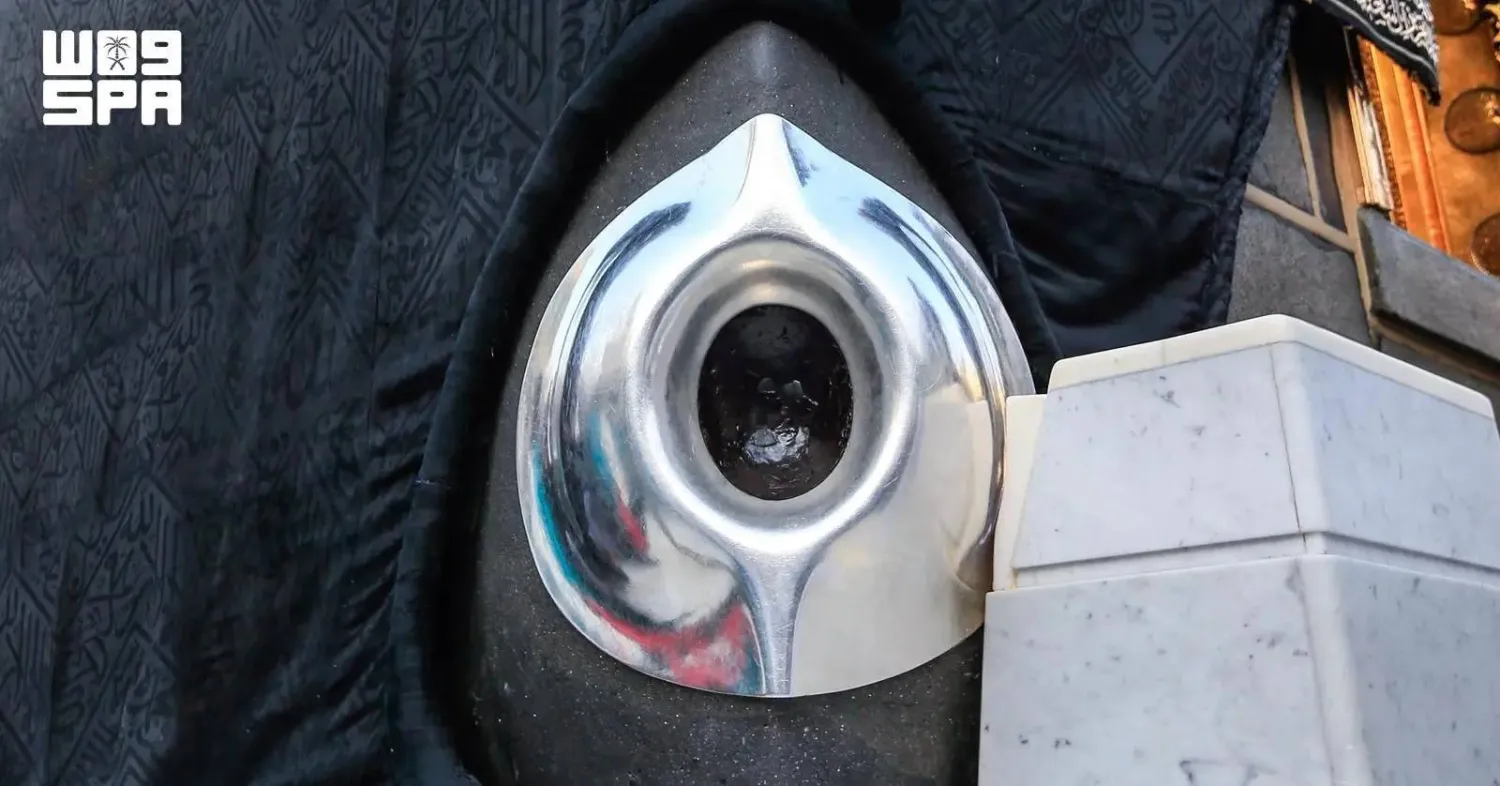
The Black Stone is located at a height of about one and a half meters from the Mataf surface. (SPA)
TT

The Black Stone: Sacred Landmark at the Heart of the Holy Kaaba

The Black Stone is located at a height of about one and a half meters from the Mataf surface. (SPA)

In the southeastern corner of the Holy Kaaba stands the Black Stone, the faith-filled landmark from which Tawaf begins and ends, drawing the hearts and eyes of millions of Muslims performing the sacred ritual, the Saudi Press Agency said on Thursday.

The Black Stone is located at a height of about one and a half meters from the Mataf surface. It appears black with a reddish tint, surrounded by a pure silver frame, and appears inside in the form of small cohesive parts held together by a binding substance.

During Tawaf, Muslims seek to kiss or touch the Black Stone, if feasible without hardship or crowding, or to point to it while reciting the Takbir, in adherence to the prophetic Sunnah, added the news agency.

The Kingdom of Saudi Arabia gives special care to the Holy Kaaba and its landmarks, driven by its dedication to serving the Two Holy Mosques. The General Authority for the Care of the Affairs of the Grand Mosque and the Prophet’s Mosque conducts periodic maintenance, cleaning, and perfuming of the Black Stone using specialized personnel and modern technologies, including high-resolution imaging to document its features with precision.