
The expanded war in Lebanon, which erupted with widespread Israeli bombardment on September 23, 2024, and led to intense clashes and battlefield shifts, has forced a new reality on Hezbollah.
The Iran-backed group's military capabilities, supply lines, and political influence have significantly declined following severe losses within its senior leadership ranks. Furthermore, Hezbollah's deployment on the ground and operations have fundamentally changed compared to its pre-war positioning.
Two years later, the group is navigating a far more complex military landscape. While the loss of a vast portion of its leadership, declining drone and missile capabilities, and shrinking supply lines through Syria have severely weakened its position, the party still retains enough military capacity to continue operating.
It is actively attempting to reorganize its ranks and adapt to an altered battlefield reality - one that stretches from north of the Litani River into broader territory across southern Lebanon and the Western Bekaa.
Speaking to Asharq Al-Awsat, security and defense expert Riad Kahwaji estimated that Hezbollah's capabilities have significantly declined between 2024 and today across its leadership, military structure, political influence, and supply lines, evaluating the scale of this drop to have "exceeded nearly half."
He explained that the group has lost the vast majority of its first- and second-tier leaders, while most of the leaders present today were classified within the third tier in 2024.
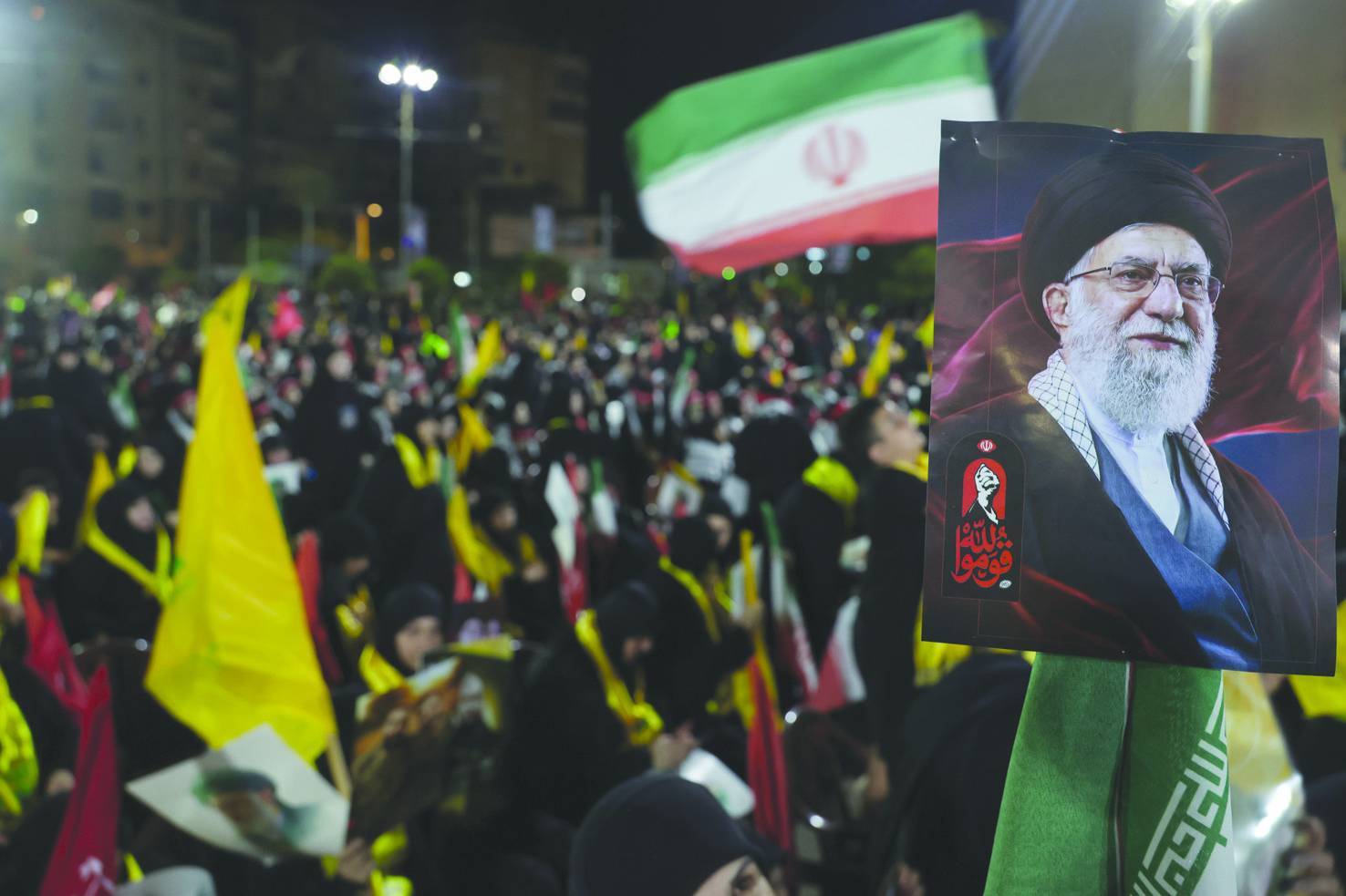
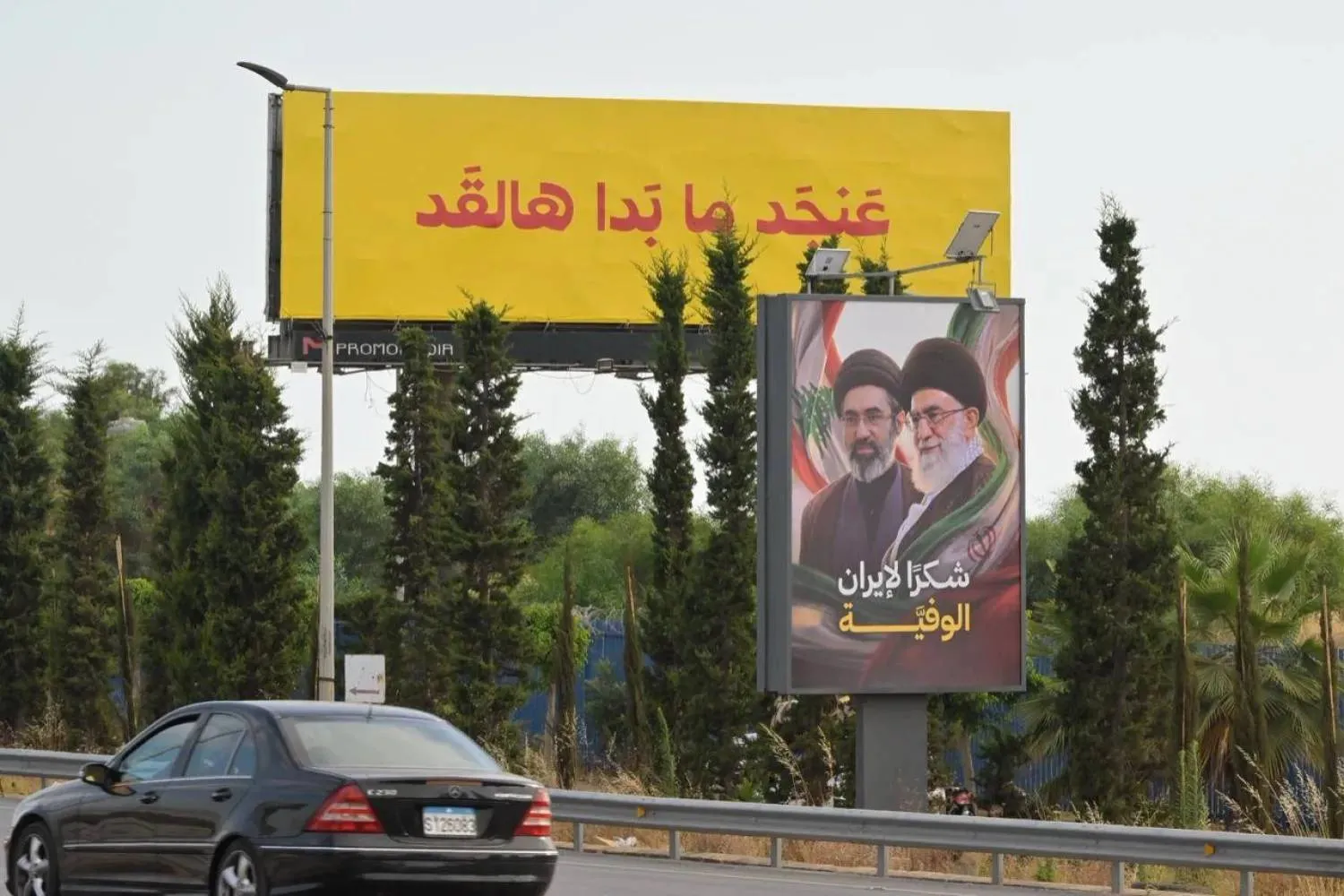
The nature of management within the group has also changed, as "management in 2024 was local under Iranian guidance, whereas today management and guidance have become directly Iranian," he added.
On the military level, Kahwaji said that "the party's forces have become stationed north of the Litani, after having previously been present directly on the border."
"Nabatieh has practically become the separation line of contact between the group's presence and the Israeli forces," he noted.
Regarding the military arsenal, he said that "missile and drone capabilities still exist, but they have become less than half of what they were before."
He added that Hezbollah's political influence within Lebanon has significantly weakened from its previous levels, noting that one of the most prominent shifts affecting the group is the severe disruption of its supply lines through Syria, which have now been largely cut off.
Since the November 2024 ceasefire up to the current stage, retired Brigadier General Dr. Khalil Helou told Asharq Al-Awsat that the party’s "capabilities have dropped compared to what they were before the war, but it has not lost its military capacity and still possesses capabilities that allow it to continue."
Its limited responses to Israel during the current stage may be a sign that it has entered a new "phase of reorganization and rebuilding of combat readiness," he added.
Helou explained that the period following the November 2024 ceasefire was marked by ongoing Israeli assassinations targeting Hezbollah operatives, while the group largely refrained from retaliating.
This pattern underscores a significant drop in Hezbollah's capabilities compared to its pre-2024 strength, while simultaneously indicating that the group has been undergoing a phase of reorganization, rearmament, and rebuilding of its combat readiness, he noted.
Helou stressed that the strategic landscape shifted following the outbreak of the US war on Iran at the end of February, which Hezbollah joined in early March.
"From that point until the second ceasefire on June 17, the party engaged in the fighting, launching effective retaliatory operations in certain areas and firing missiles into both the Israeli interior and Israeli-occupied territories," Helou said.
He remarked that during that phase, Israel "advanced, made incursions, and established its presence on the ground," while Hezbollah continued to carry out military responses, though the situation following the latest ceasefire has returned to a pattern similar to the period that followed November 2024.
"Today, we have virtually returned to the previous phase, as Hezbollah's responses to Israeli attacks have become almost nonexistent," he stated. "If we review operations over the past two and a half months since the ceasefire, the military operations carried out by the group against Israel are highly limited and can be counted on two hands. This stands in sharp contrast to dozens of daily Israeli operations, including airstrikes, shelling, and assassinations."