Italian Official to Asharq Al-Awsat: We Will Work with Saudi Arabia to Enter Third Markets

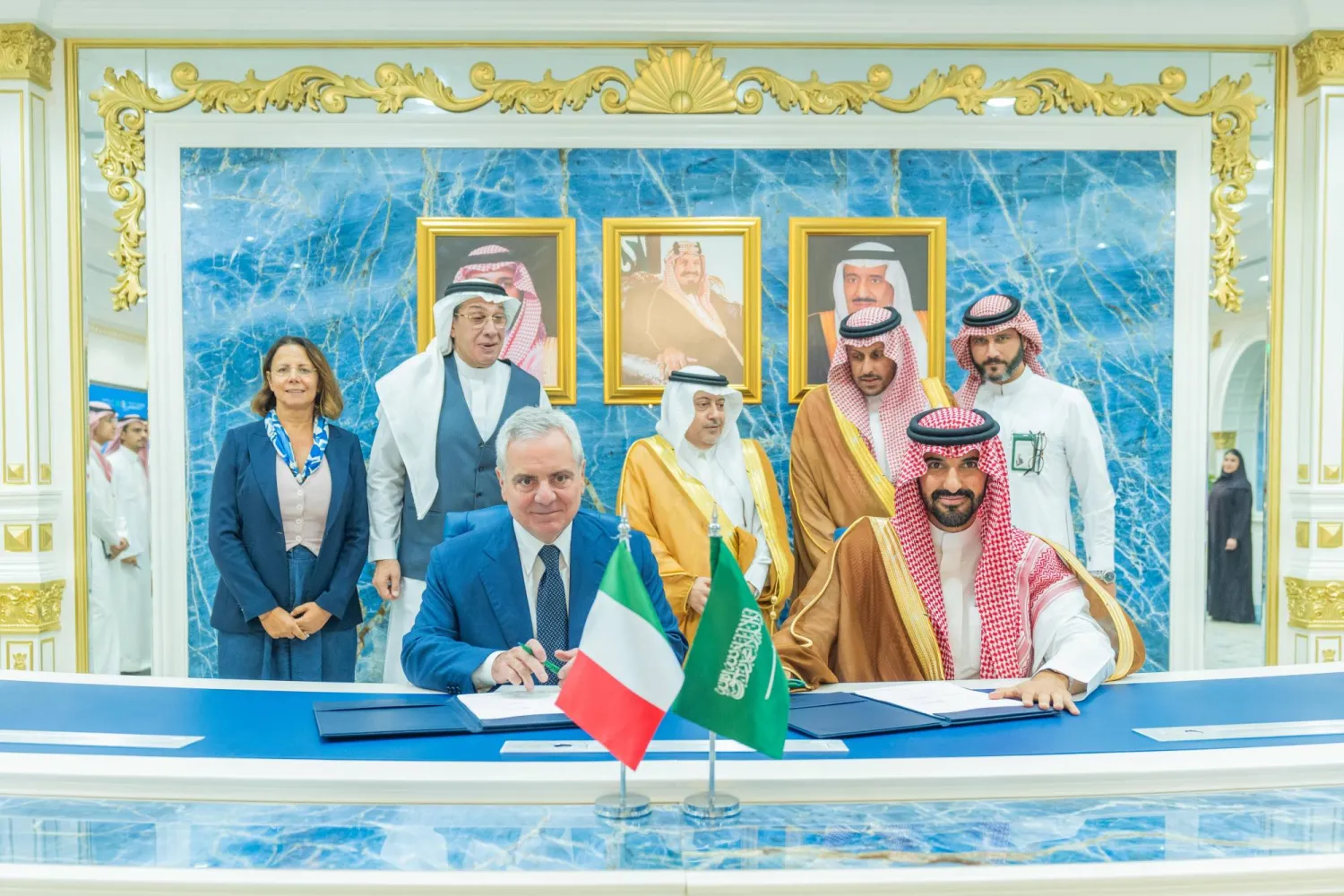
Signing of a cooperation agreement between the Federation of Saudi Chambers and Italy's national promotional and development institution (X)
TT

Italian Official to Asharq Al-Awsat: We Will Work with Saudi Arabia to Enter Third Markets

Signing of a cooperation agreement between the Federation of Saudi Chambers and Italy's national promotional and development institution (X)

Riyadh and Rome are moving their economic relations toward a more practical track, with plans for joint cooperation in third markets, alongside expanding channels of cooperation between Saudi and Italian companies, particularly small and medium-sized enterprises.

The move comes as Italy's national promotional institution, Cassa Depositi e Prestiti (CDP), signed two agreements in Riyadh, one with Saudi Arabia's National Development Fund and another with the Federation of Saudi Chambers, aimed at expanding financing and investment cooperation and facilitating companies' access to opportunities in both countries.

A senior Italian official told Asharq Al-Awsat that cooperation between Riyadh and Rome is not limited to the Saudi and Italian markets, but also extends to working together in "third markets." He noted that Saudi Arabia's economic diversification offers broad opportunities for Italian companies, given Italy's diverse industrial base and expertise across multiple sectors.

On Wednesday, the Federation of Saudi Chambers and CDP signed an agreement in Riyadh aimed at activating the Saudi-Italian strategic partnership launched in AlUla, opening financing channels for joint projects, integrating small and medium-sized enterprises into cooperation between the two countries, and strengthening the federation's role as the institutional representative of the Saudi private sector in cooperation with its Italian counterpart.

The agreement provides a practical framework for strengthening partnerships between the business sectors of the two countries by supporting a business-matching platform that connects Saudi companies with their Italian counterparts, introducing projects and investment opportunities, and establishing communication channels to help Italian companies explore the Saudi market and facilitate their entry.

CDP is part of the Saudi-Italian strategic partnership launched in AlUla, while the agreement enables the Federation of Saudi Chambers and its Saudi-Italian Business Council to play a greater role in advancing private-sector cooperation between the two countries and turning partnership opportunities into joint projects and business ventures.

Joint Strategic Cooperation

Dario Scannapieco, President of CDP (Cassa Depositi e Prestiti), told Asharq Al-Awsat that cooperation between Italy and Saudi Arabia "is not limited to bringing the two countries closer together or working within the Saudi market, but also includes cooperation in other countries and third markets."

He explained that the Italian delegation's visit to Riyadh has several objectives, foremost among them meeting with investors and strengthening cooperation with Saudi institutions. He said the meeting with the National Development Fund was "very fruitful" and had paved the way for excellent cooperation with it in many fields.

He added that the agreement signed with the Federation of Saudi Chambers represents "a further step" toward moving from institutional cooperation to more operational cooperation, with the aim of helping Italian SMEs that want to explore the possibility of entering Saudi Arabia, providing them with direct contacts and facilitating their access to the market.

"We are launching and revamping a platform that will put Italian SMEs in contact with Saudi SMEs. So business opportunities may develop from this new opportunity. This is another signal that Italy and Saudi Arabia must cooperate more," Scannapieco said.

He noted that there are many opportunities for cooperation between Italy and Saudi Arabia through Cassa Depositi e Prestiti, Italy's national promotional institution, adding that CDP is working to foster this cooperation and expand its scope.

Regarding the agreement's details, Scannapieco said its first objective is to support and expand the business-matching platform, which will connect Saudi SMEs with Italian SMEs and help them identify potential partners.

"The second is the idea to work on selected projects here in Saudi Arabia and allow Italian companies to know about these projects. The Expo is one of this kind where clearly Italian projects may be involved," he said.

"The third is to create a contact point between these two organizations, so to iron out all the doubts and to clearly push developing this relationship." He explained that when an Italian company wants to enter the Saudi market, it needs support in obtaining authorizations and handling other requirements.

"So it's very concrete, goes in the direction to make easier the access to Saudi Arabia for Italian companies," he said.

On the extent to which the strategic relationship between the two countries can help address challenges that may arise in the region, Scannapieco said Italy has "a very diversified industrial base" and produces a wide range of products.

"We are the third most diversified industry after China and the United States," he said.

This diversity, he added, enables Italian companies to provide specialized technical expertise and become useful partners in efforts to diversify the Saudi economy. "We could be extremely valuable partners."

He said the next phase requires bringing the Italian business sector's presence in Saudi Arabia to a broader level. Many large companies are already present in the Kingdom, he noted, but "now is the time to also give the opportunity to SMEs to internationalize in this region," thereby expanding the base of economic cooperation between the two countries.

Saudi-Italian Partnership Moves Toward Implementation

Kamel Al-Munajjed, Chairman of the Saudi-Italian Business Council, told Asharq Al-Awsat that the agreement is a direct extension of the meeting held in AlUla in January 2025 between Crown Prince and Prime Minister Mohammed bin Salman and Italian Prime Minister Giorgia Meloni, which elevated relations between the two countries to the level of a strategic partnership and made economic relations one of its main pillars.

He added that the agreement signed Wednesday between CDP and the Federation of Saudi Chambers represents a practical step toward strengthening cooperation between the business sectors of the two countries and provides a new channel for turning existing relations into commercial and investment partnerships and projects.

Al-Munajjed said the agreement strengthens the partnerships built by the Saudi-Italian Business Council with Confindustria and CNA through delegations, forums, and direct business meetings. He noted that CDP's capabilities and the scope of the Federation of Saudi Chambers' work would help turn these links into more sustained business opportunities.

He said the agreement offers two main advantages. The first is CDP's business-matching platform, which allows Saudi and Italian companies to enter information about their capabilities and business interests and then identify potential partners whose needs match those capabilities.

The platform can shorten the path for companies seeking suitable partners. A Saudi industrial company looking for Italian technology, for example, can identify companies capable of meeting its needs, while an Italian company seeking to enter the Saudi market can search for a local partner. The federation and the business council will work to encourage companies to use the platform and follow up on cooperation opportunities that emerge through it.

The second advantage, Al-Munajjed said, is strengthening cooperation with SIMEST, a subsidiary of the CDP Group. Its presence in Riyadh and support for the international expansion of Italian companies could help more companies, particularly SMEs, establish and expand their businesses in Saudi Arabia.

He added that the joint channel provided by the agreement will enable Saudi companies seeking to trade, invest, or operate in Italy to reach suitable Italian partners and identify new opportunities. He called on the Saudi business community to take advantage of the partnership and work to turn it into sustainable projects and shared growth opportunities.

Al-Munajjed said Italian companies have specialized expertise in engineering, technology, and manufacturing, while Saudi companies provide knowledge of the local market and the ability to expand. Opportunities for cooperation extend to trade, infrastructure, telecommunications, industry, energy, tourism, and other sectors.

He added that Expo 2030 Riyadh represents an important opportunity to bring these capabilities together and open new areas for companies in both countries. He stressed that the priority now is to move to implementation by bringing companies onto the platform, identifying priority sectors, establishing clear points of contact, and following promising opportunities through to actual projects.


Saudi Arabia Leads G20 with 7.9% Growth Forecast in 2027

King Abdullah Financial District in Riyadh (Asharq Al-Awsat)
TT

Saudi Arabia Leads G20 with 7.9% Growth Forecast in 2027

King Abdullah Financial District in Riyadh (Asharq Al-Awsat)

Saudi Arabia is projected to lead the G20 countries in economic growth forecasts for 2027, according to International Monetary Fund (IMF) estimates. The IMF projects the Kingdom's real GDP to grow by 7.9 percent, the highest rate among the group's economies, as shown in data published by the Saudi Ministry of Investment.

The Fund had previously raised its projections for the Kingdom's real GDP growth to 7.9 percent, compared to 5.5 percent in its July estimates, an increase of 2.4 percentage points.

This revision comes amid expectations of economic activity regaining momentum as regional conflict-related disruptions subside, and oil production and exports gradually return to normal levels.

India ranked second among G20 countries with a projected growth rate of 7 percent, followed by Indonesia at 5.1 percent, then China at 4 percent, and Türkiye at 3.6 percent, according to IMF data reviewed by the Ministry.

Argentina came in sixth with projected growth of 3.5 percent, followed by South Korea at 2.8 percent, then the United States at 2.3 percent. Projections for Brazil stood at 1.9 percent, Mexico at 1.8 percent, Canada at 1.7 percent, Australia at 1.6 percent, South Africa at 1.3 percent, and the United Kingdom at 1.2 percent.

Germany registered projected growth of 1.1 percent, Russia 0.9 percent, while projections for France and Japan were 0.7 percent each, with Italy coming in last at 0.6 percent.

Growth Forecasts Revised

In an assessment of the recovery path, the Fund noted that the diversification of Saudi energy export routes limits the Kingdom's vulnerability to geopolitical disruptions compared to some regional economies. This is due to the the East-West Pipeline's ability to divert some oil exports to Yanbu Port on the Red Sea, away from the Strait of Hormuz.

The IMF's estimates align with the World Bank's projections, which also raised its forecast for Saudi economic growth in 2027 to 7.9 percent, compared to 4.9 percent in its April estimates, while anticipating a 2 percent contraction in GDP during 2026.

Globally, the IMF expects the world economy to grow by 3.1 percent in 2026 before rising to 3.4 percent in 2027, placing Saudi Arabia's growth forecast at more than double the projected global rate for the coming year.

The Saudi Ministry of Investment said that the Kingdom’s leading growth outlook among G20 countries reflects the strength and resilience of its economy and opens up broader prospects for investment and growth.

This is supported by strong private-sector momentum and the expansion of non-oil activities, reinforcing the Kingdom’s shift toward a more diversified, sustainable, and investment-friendly economy.


Saudi Arabia to Host Global Water Innovation Conference in Jeddah

 Participants at a previous edition of the Innovation Driven Water Sustainability Conference. (Saudi Water Authority)
Participants at a previous edition of the Innovation Driven Water Sustainability Conference. (Saudi Water Authority)
TT

Saudi Arabia to Host Global Water Innovation Conference in Jeddah

 Participants at a previous edition of the Innovation Driven Water Sustainability Conference. (Saudi Water Authority)
Participants at a previous edition of the Innovation Driven Water Sustainability Conference. (Saudi Water Authority)

Saudi Arabia will host water industry experts from more than 140 countries in Jeddah from December 14 to 16 for a conference focused on harnessing innovation to tackle growing water security challenges.

Organized by the Saudi Water Authority, the Innovation Driven Water Sustainability Conference (IDWS 2026) is expected to draw more than 10,000 participants and 250 speakers, with an exhibition featuring over 150 international brands.

Bringing together researchers, investors, technology companies and water utility operators, the event aims to bridge the gap between scientific advances and the practical needs of the industry, helping promising solutions reach commercial markets.

Tariq Al-Ghafari, the authority’s vice president for research and emerging water technologies, described the conference as an opportunity to connect new technologies with financing and operational expertise, paving the way for wider adoption.

The gathering comes as pressure on water resources intensifies, creating growing demand for investment in infrastructure and technology.

The global market for water security and infrastructure management is estimated at $303.8 billion, while planned construction and engineering projects in the water and wastewater sectors exceed $1.2 trillion.

Meeting the UN Sustainable Development Goals for clean water and sanitation will require an additional $131 billion to $140 billion annually, highlighting the scale of investment needed to expand access and modernize infrastructure.

According to the World Health Organization and UNICEF, around 1.8 billion people live in households without water supplies on the premises.

Agriculture alone accounts for approximately 72% of global freshwater withdrawals, according to the UN Food and Agriculture Organization, underscoring the importance of improving efficiency in water-intensive sectors.

Against this backdrop, the conference will explore ways to expand treated wastewater reuse, promote circular economy practices and apply artificial intelligence, digital technologies and data analytics to water management.

Discussions will also examine how regulation, financing and workforce development can speed up the adoption of new technologies, while improving efficiency across the water cycle, from production and treatment to resource recovery.

The program includes the MiyahThon innovation competition, startup showcases and the fourth edition of the Global Prize for Innovation in Water.

These initiatives are designed to bring innovators together with investors and water operators, giving emerging technologies a clearer path from development to commercial deployment.

By connecting research with investment and industry needs, the conference aims to help turn promising ideas into practical solutions as countries seek more efficient, resilient and sustainable water infrastructure.


Arada Enters Saudi Property Market with $13.3 Billion Portfolio

The Saudi capital, Riyadh (SPA)
TT

Arada Enters Saudi Property Market with $13.3 Billion Portfolio

The Saudi capital, Riyadh (SPA)

Property developer Arada is entering Saudi Arabia through a partnership with local firm XTOPIA, gaining access to a SAR 50 billion ($13.3 billion) land and development portfolio as the Kingdom continues to attract international investment despite global economic uncertainty.

The new venture, Arada KSA, will launch its first project in Riyadh’s Al Rimal district, a SAR 14 billion residential development comprising around 3,500 villas and townhouses.

Arada KSA Chairman Mohammed AlDhabaan told Asharq Al-Awsat that the investment reflected long-term confidence in Saudi Arabia’s economic prospects, supported by Vision 2030 reforms, infrastructure development and growing housing demand.

The Kingdom’s clear economic policies, sustained reforms and improving investment environment provide the certainty needed for long-term commitments, he explained.

“Our investment in the Kingdom is not tied to temporary market conditions but rests on firm confidence in its future and the economic transformation driven by Vision 2030 with government support,” AlDhabaan said.

He described the Riyadh development as an investment in the future rather than simply a response to current demand, marking the beginning of a lasting commitment to the Saudi market.

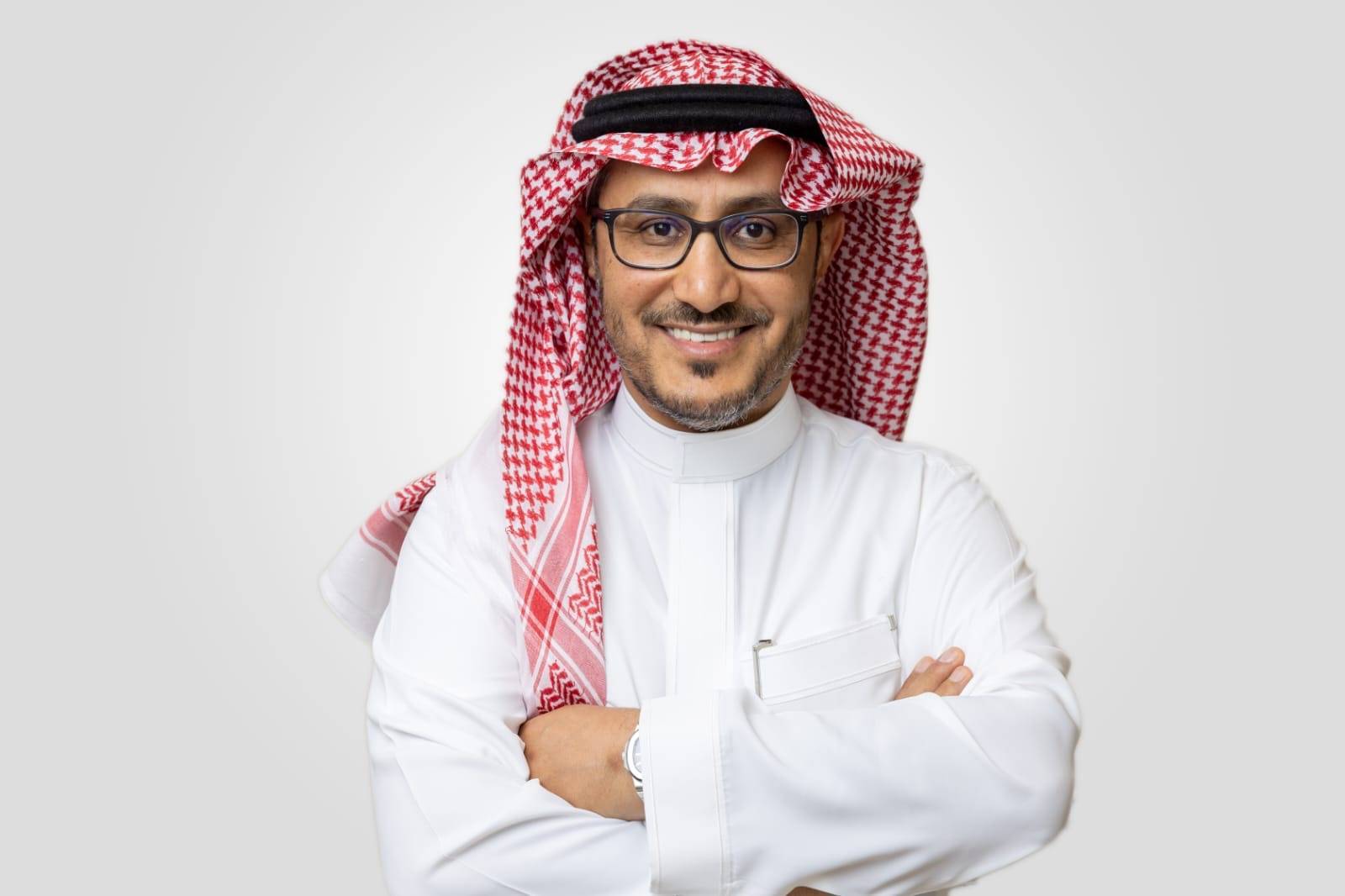
Arada KSA Chairman Mohammed AlDhabaan (Asharq Al-Awsat)

Housing demand and prices

AlDhabaan expressed optimism about the sector’s prospects, citing population growth, the formation of new households, urban expansion and government initiatives to increase homeownership and improve quality of life.

The next phase of growth, he argued, would be measured not only by the number of homes built but also by developers’ ability to create communities that meet residents’ everyday needs.

Location, affordability, access to financing, infrastructure and confidence in developers would shape demand, while land and construction costs would remain key factors influencing prices.

“No single project can determine market prices. They are influenced by supply and demand, land and construction costs, and financing,” he noted.

“However, increasing supply, diversifying housing products and improving development efficiency can strengthen competition and give buyers more options.”

Developers that combine quality design and construction with integrated facilities and reliable delivery would have a competitive advantage, he added.

First project in Riyadh

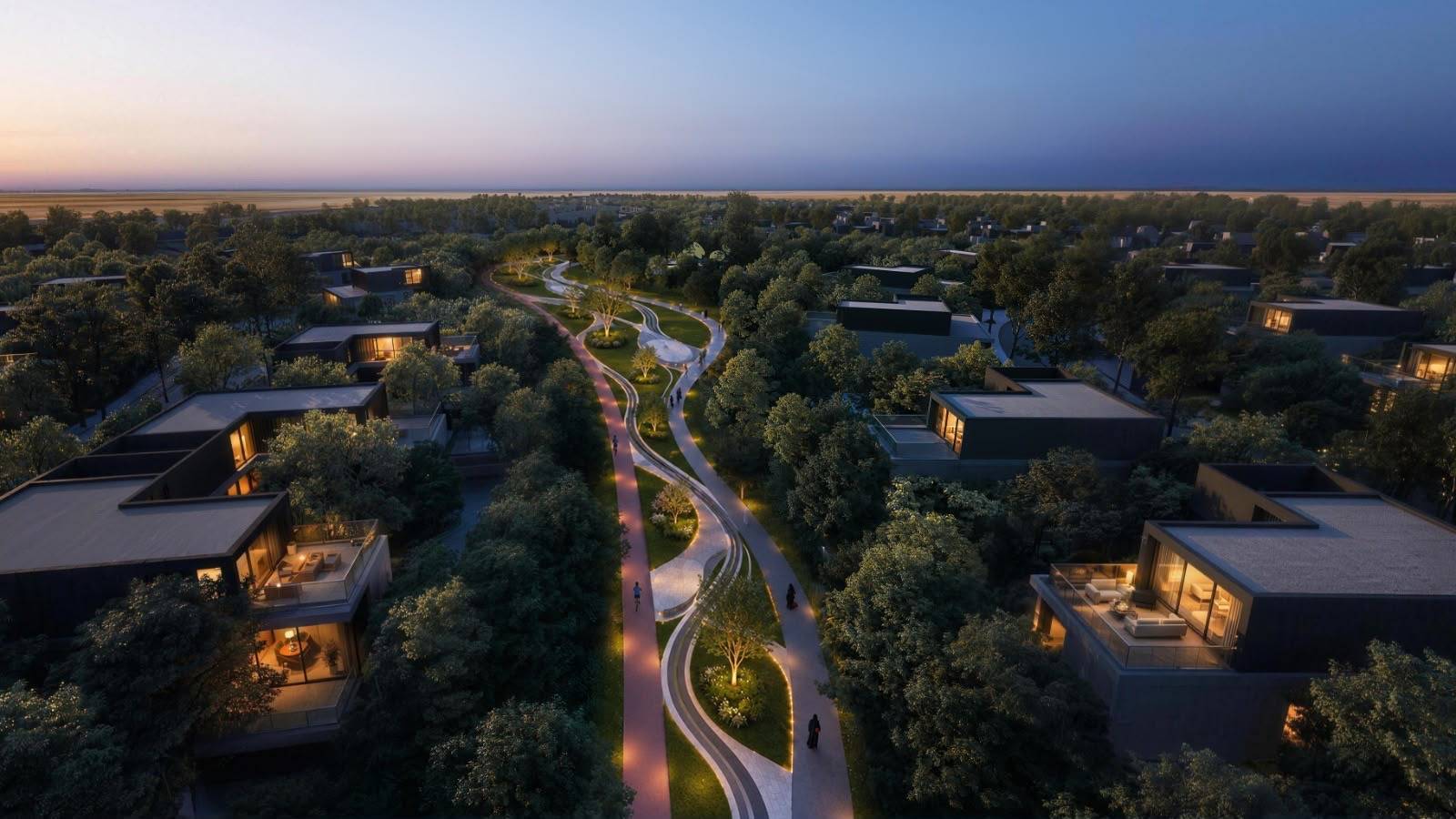
Arada KSA’s inaugural development in northeastern Riyadh will feature approximately 3,500 villas and townhouses alongside educational, retail and sports facilities, a community center and green spaces incorporating around 100,000 trees.

The company will work with relevant government authorities to prepare a master plan aligned with the capital’s urban development requirements.

The project will be financed through an investment structure regulated by Saudi Arabia’s Capital Market Authority and managed by a licensed financial company. Construction and sales are scheduled to begin in 2027.

Design model for one of the company’s projects in Saudi Arabia (Asharq Al-Awsat)

Partnership and expansion

Established with XTOPIA, Arada KSA will have access to a 10 million-square-meter land portfolio across Riyadh, Jeddah and Makkah, providing opportunities for further residential developments in the coming years.

AlDhabaan, who also chairs XTOPIA, will lead the new company, bringing together Arada’s international experience in developing residential communities and its Saudi partner’s knowledge of the local market.

He believes the combination will allow the venture to build a lasting presence in the Kingdom while contributing to Vision 2030’s housing and quality-of-life objectives.

The Saudi expansion forms part of Arada’s broader international strategy. Its development portfolio is valued at approximately SAR 189 billion ($50.4 billion) across five markets: Saudi Arabia, the United Arab Emirates, the United Kingdom, Australia and Syria.

The company has more than 70,000 residential units in its portfolio, including around 17,000 already completed, according to its figures.

Green Riyadh initiative

The Al Rimal development also aligns with Saudi Arabia’s efforts to improve urban living standards and expand green spaces.

Through the Green Riyadh initiative, the Royal Commission for Riyadh City aims to plant 7.5 million trees across the capital and increase green space per resident from 1.7 square meters to 28 square meters by 2030.

Arada’s entry comes as local and international developers compete to meet rising housing demand and offer buyers a wider range of residential options.