
Taiz Repels Simultaneous Houthi Attacks in Fiercest Fighting in Years

Yemeni government forces engage in fierce clashes to prevent Houthis from infiltrating Taiz (Military Media)
TT

Taiz Repels Simultaneous Houthi Attacks in Fiercest Fighting in Years

Yemeni government forces engage in fierce clashes to prevent Houthis from infiltrating Taiz (Military Media)

Yemen’s Taiz province has witnessed its fiercest fighting in years as the Iran-backed Houthis launched simultaneous attacks on several fronts, opening a new battlefront in Samea district, while government forces intensified ground and airstrikes against Houthi positions and reinforcements across several provinces.

Government forces announced 468 strikes targeting Houthi fighters and equipment on the eastern fronts, in Al-Bayda and in Al-Mansoura in western Taiz’s Al-Wazi’iyah district, claiming hundreds of casualties and the destruction of military hardware.

The Taiz Military Axis media center reported fierce battles in Bani Bakari in Jabal Habashi district, Humeir in Maqbanah and Al-Aqroud southeast of Taiz, claiming Houthi losses in personnel and equipment.

Field sources said that government troops repelled a major assault in Al-Arbaeen, north of Taiz city, and thwarted infiltration attempts in Al-Kuraifat, Aqabat Munif and Al-Tashrifat to the east.

Clashes extended to Al-Shaqab in Sabir Al-Mawadim district, while heavy artillery exchanges continued along the city’s eastern front.

According to local reports, Houthi fighters retreated in Samea following ground strikes that killed or wounded dozens, with government forces seizing military equipment.

Residents also came under fire. Local sources noted that the Houthis fired 23 mortar shells at villages in Al-Dhabab, west of Taiz, spreading fear among civilians.

The Taiz Military Axis media center reported drone strikes on Houthi positions in Al-Kadhah, destroying a 120 mm artillery piece and setting an ammunition depot ablaze. Government forces also shelled positions in Jabal Ghurab, Tabbat Yasin, Al-Ashrouh, Asifarah and Al-Silw.

 

A Houthi fighter firing a mortar during clashes at an undisclosed location in Yemen. (AP)

Intensified Airstrikes

Sources further pointed to airstrikes against Houthi positions and vehicles in Al-Akboush, Al-Ahkoum and Hayfan southeast of Taiz, alongside attacks in Al-Wazi’iyah.

According to Yemeni Armed Forces spokesman Col. Majed Al-Nuzaili, precision strikes were launched against Houthi reinforcements, weapons and equipment, including three artillery batteries in Al-Wazi’iyah and a mobile air defense system he said Iranian experts had developed in Mocha.

He also reported strikes targeting Houthi commanders and fighters in Al-Mansoura and Bab Al-Mandab.

Al-Nuzaili had earlier announced 468 strikes across three fronts, including Al-Wazi’iyah, claiming hundreds of Houthi casualties and the destruction of military equipment.

The broader escalation extended to Saada, Amran, Marib, Hodeidah and Taiz, with reports of strikes against weapons depots, artillery batteries, communications networks, reinforcements and fixed and mobile positions.

Fighting Spreads Beyond Taiz

Clashes erupted in Al-Aghbarah, near Lahj’s Al-Mudarabah and Al-Arah district, along the province’s western border with Taiz. Military and tribal forces also announced the recapture of parts of Al-Mansoura.

In Shabwa, the Shabwa Defense Forces said that Houthi attacks and infiltration attempts were thwarted on four fronts - Harib, Ain, Bayhan and Upper Markha - claiming casualties and forcing the attackers to retreat. Drones simultaneously struck Houthi positions and movements.

The operations reflect an expanding confrontation as government forces seek to consolidate defensive lines and prevent further Houthi breakthroughs along the western coast and approaches to Taiz and Lahj.
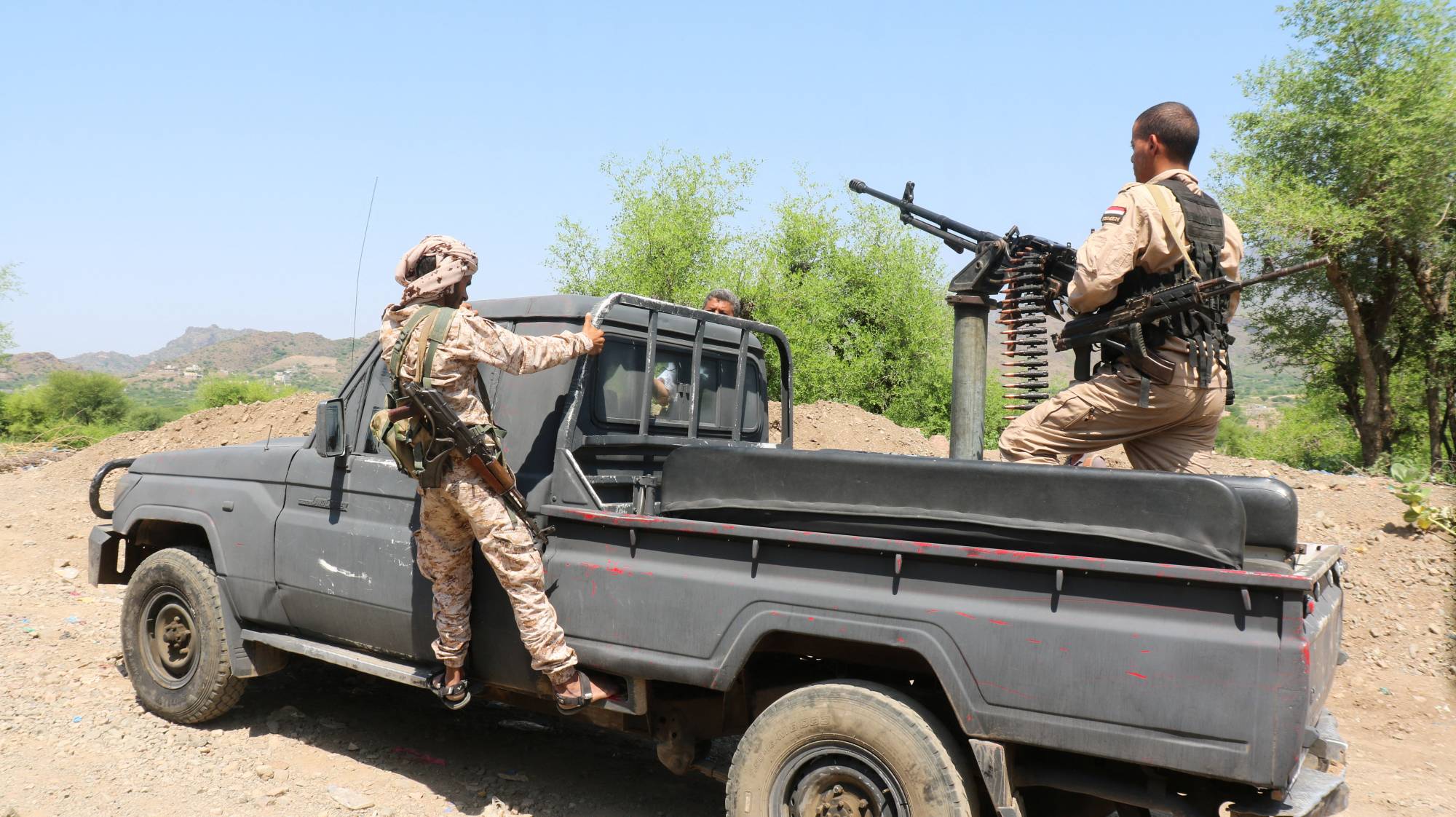
 

Yemeni government forces ride on a military pick-up vehicle as they patrol a road leading to a frontline of clashes with Houthi fighters, in Taiz province, Yemen, September 30, 2026. REUTERS/Ebrahim Al-Suhaibi

Government Mobilization

Meanwhile, Yemen’s government began implementing Presidential Leadership Council Chairman Rashad Al-Alimi’s directives for general mobilization.

In Aden, Defense Minister Lt. Gen. Taher Al-Aqili chaired a military meeting on readiness and coordination, stressing the need for cooperation between the armed forces, state institutions and society in confronting the Houthis.

Deputy Chief of Staff Maj. Gen. Ahmed Al-Basr also met committees established by the defense minister to discuss implementation, allocate responsibilities, mobilize personnel and resources, and strengthen coordination.

Sources Reveal to Asharq Al-Awsat Details of Fatah-Hamas Talks in Cairo

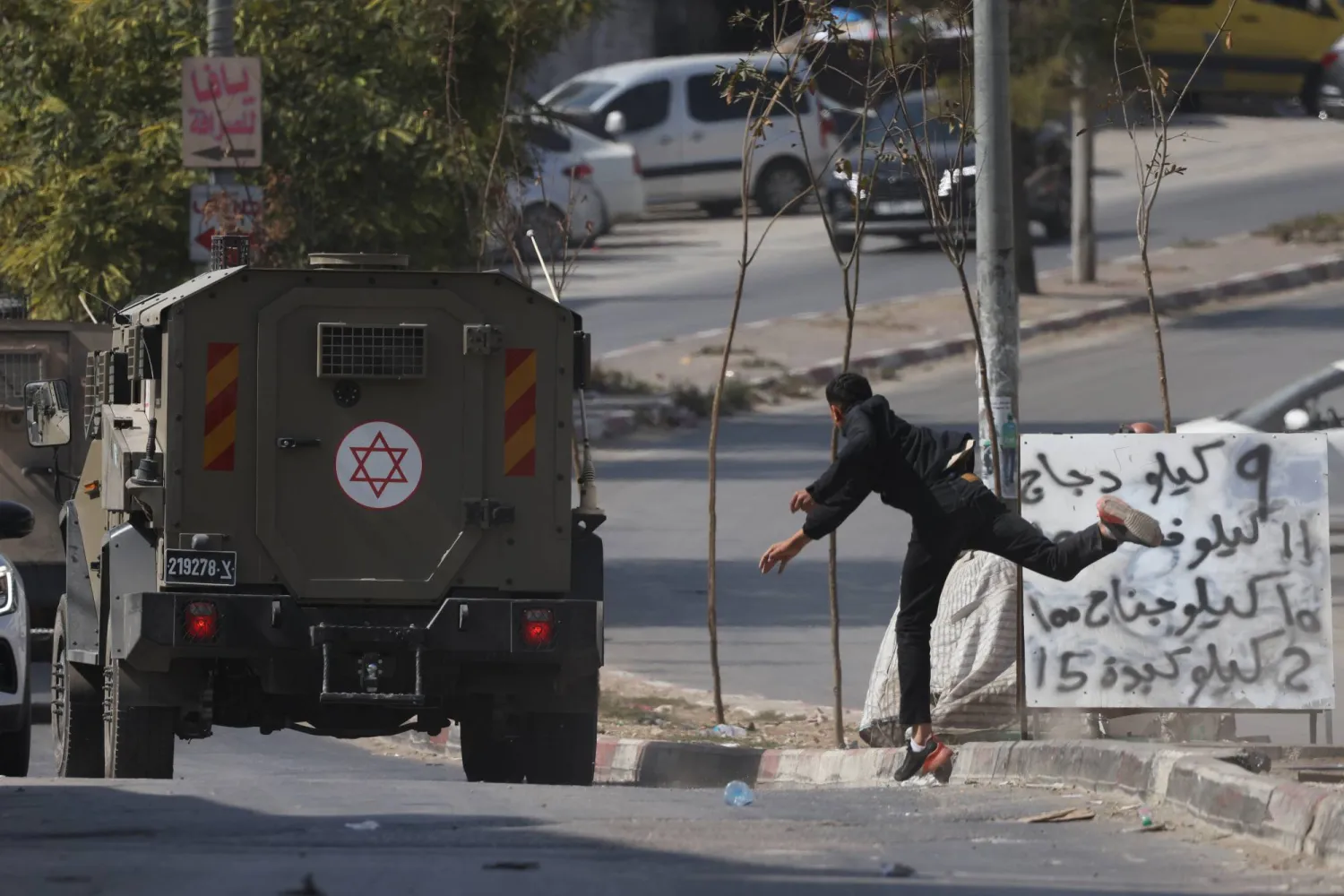
 A Palestinian boy throws stones at Israeli troops during an Israeli army raid at Balata refugee camp near the West Bank city of Nablus, 21 October 2026.   EPA/ALAA BADARNEH
A Palestinian boy throws stones at Israeli troops during an Israeli army raid at Balata refugee camp near the West Bank city of Nablus, 21 October 2026. EPA/ALAA BADARNEH
TT

Sources Reveal to Asharq Al-Awsat Details of Fatah-Hamas Talks in Cairo

 A Palestinian boy throws stones at Israeli troops during an Israeli army raid at Balata refugee camp near the West Bank city of Nablus, 21 October 2026.   EPA/ALAA BADARNEH
A Palestinian boy throws stones at Israeli troops during an Israeli army raid at Balata refugee camp near the West Bank city of Nablus, 21 October 2026. EPA/ALAA BADARNEH


Several Palestinian sources have revealed details of meetings held in Cairo days ago between a senior Fatah delegation and leaders and representatives of Palestinian factions, particularly Hamas. The discussions ended with an agreement to resume talks in the near future.

Two sources, one from Hamas and another from a different Palestinian faction, separately told Asharq Al-Awsat that the meetings would resume after the Israeli Knesset elections scheduled for next Tuesday, with the aim of reaching an agreement.

The Hamas source said two meetings had been held between the movement's delegation, which included Zaher Jabarin, head of its political bureau in the West Bank, and political bureau members Ghazi Hamad and Hussam Badran, and a Fatah delegation led by Jibril Rajoub and including Mohammad Shtayyeh.

The source noted that the first meeting was attended by Maj. Gen. Ahmed Abdel Khalek, the Egyptian intelligence official responsible for Palestinian affairs.

While the Hamas source described the first meeting as positive, a Fatah source and two representatives of other Palestinian factions who had been briefed on its outcome offered a different assessment.

They said the meeting had produced no meaningful understandings or concrete basis for further progress, with one source describing its results as particularly poor.

Nevertheless, they acknowledged that the atmosphere had been constructive, with both sides showing a willingness to listen to each other's demands.

All four sources said the Hamas delegation had raised several issues during the first meeting, including restructuring the Palestine Liberation Organization (PLO), the Supreme Court, employment, the future of employees in Gaza, passports and objections to the Palestinian Authority security services' treatment of Hamas members in the West Bank.

Hamas emphasized the need to resolve these issues as essential steps toward ending the Palestinian political division.

However, discussions focused primarily on the PLO and the need to address broader questions concerning the Palestinian national project and its future.

The second meeting, which most sources described as more significant and serious, saw the Fatah delegation present a document from Palestinian President Mahmoud Abbas containing several demands that Hamas would be required to accept.

Asharq Al-Awsat revealed the contents of the document late last month.

The demands included ending the consequences of the Hamas takeover of Gaza and committing to a single governing system, one law and one legitimate armed force.

They also called for recognition of the PLO and its political program as the sole legitimate representative of the Palestinian people, adherence to peaceful popular resistance, and commitment to a political settlement based on the two-state solution in accordance with international resolutions.

The document further stipulated the formation of a technocratic government by decision of President Abbas, with authority over the West Bank, East Jerusalem and the Gaza Strip.

It also required that responsibility for negotiations toward a comprehensive peace agreement remain exclusively with the PLO.


Hamas Reservations


According to a Hamas source and another Palestinian faction representative, the Hamas delegation raised reservations about three provisions in Abbas's document.

The sources said Hamas had no objection to recognizing the PLO and its political program but would not recognize the organization's commitments, particularly those concerning recognition of Israel, security coordination with Israeli authorities and other political arrangements governing Palestinian relations with Israel.

A second point of disagreement concerned Hamas's acceptance of a Palestinian state along the June 4, 1967, borders while refusing to recognize Israel as a second state without a clear process and concrete steps toward implementing a two-state solution.

The third issue concerned restricting resistance exclusively to peaceful methods.

The Hamas delegation requested alternative wording that would not rule out other forms of resistance.

According to the same sources, these issues remained unresolved.

The Fatah delegation informed Hamas representatives that it would refer the disputed provisions for internal discussions within the movement and consultations with President Abbas, who appeared determined to secure Hamas's acceptance of the document in its entirety.


Meetings with Other Palestinian Factions


The Fatah and Hamas delegations also met representatives of other Palestinian factions, including Islamic Jihad, the Popular Front for the Liberation of Palestine and the Fatah Democratic Reform Current led by Mohammed Dahlan, a former Fatah leader who broke away from the movement.

The meetings addressed many of the same issues, although discussions between Fatah and Dahlan's faction focused primarily on internal reconciliation.

Dahlan's representatives presented demands calling for the reinstatement of all members expelled from Fatah, the restoration of salaries to those whose payments had been suspended, and the reintegration of all members into the movement's governing bodies, including the Central Committee and Revolutionary Council.

Rajoub confirmed that these demands would be conveyed to President Abbas.

The Fatah delegation also met the leadership of Islamic Jihad in discussions that sources from both movements described as highly positive.

A Fatah source said Islamic Jihad had affirmed its commitment to any agreement reached through national consensus.

The group also requested a change to the wording concerning resistance, objecting to restricting it exclusively to peaceful popular resistance.

Four sources from Hamas and other Palestinian factions revealed that Egyptian officials had made clear that it was not Cairo's responsibility to convene a Palestinian national dialogue.

They said the decision to call such a dialogue must come from President Abbas, although Egypt remained fully prepared to host it.

According to the sources, Egyptian officials stressed to all the factions that bilateral meetings should pave the way for agreement on the outstanding issues before a comprehensive national dialogue is convened.

Cairo emphasized the importance of avoiding another failed reconciliation effort, insisting that broad agreement on the key issues should be reached before launching formal national talks.

The Egyptian side also pointed out that such a dialogue would attract close attention not only from Palestinians but also from Arab and Islamic countries, European governments and the United States.

A successful dialogue could help open the way for an internationally supported political process that would shape the options available to Palestinians and determine the future direction of their national cause.


Jordan, Egypt Condemn Attack on King Fahd International Airport in Saudi Arabia

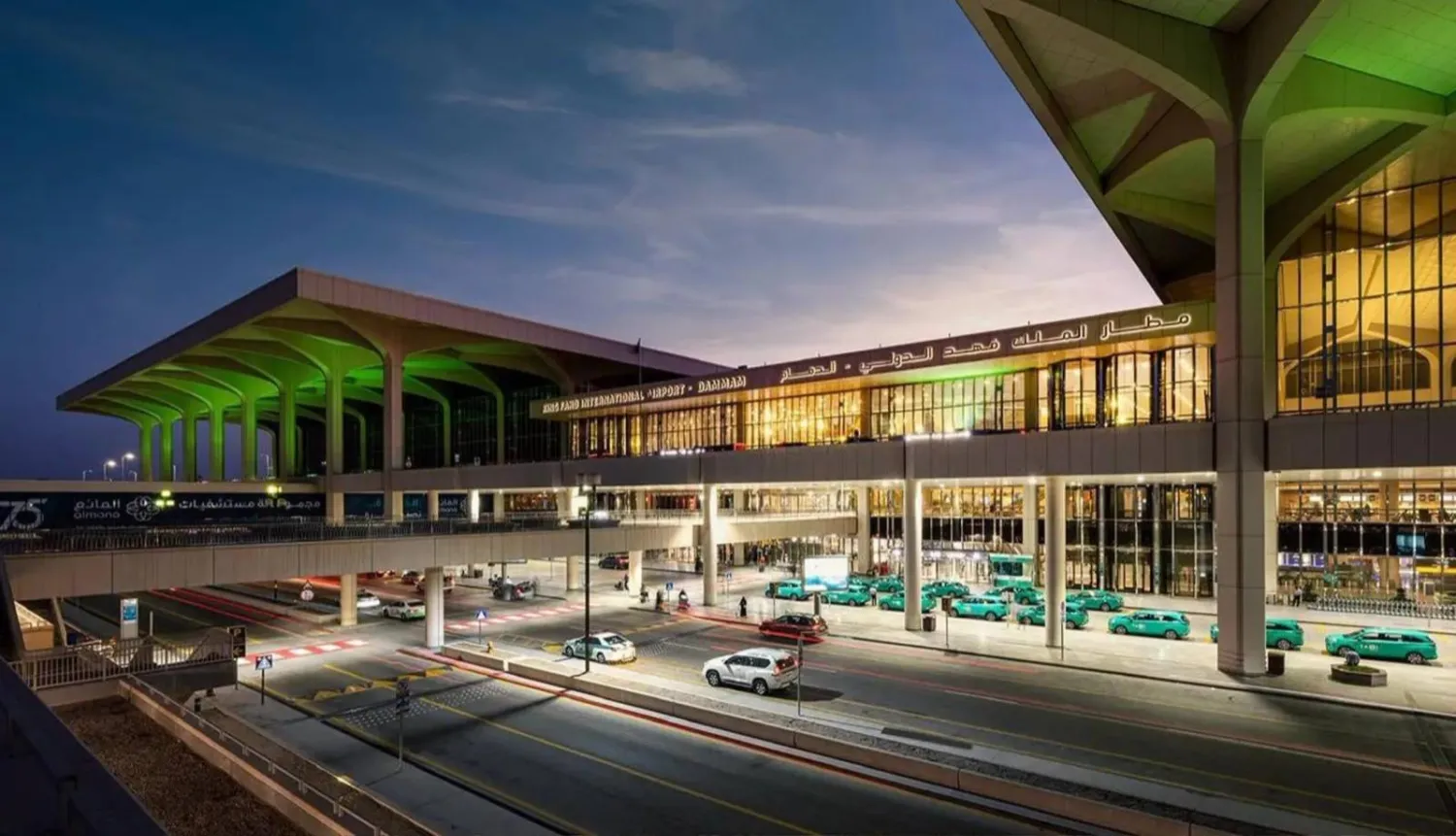
King Fahd International Airport in Dammam (SPA)
TT

Jordan, Egypt Condemn Attack on King Fahd International Airport in Saudi Arabia

King Fahd International Airport in Dammam (SPA)

The Jordanian government condemned the terrorist attack carried out by the Houthi militia against King Fahd International Airport in Dammam, which resulted in the death of two individuals and injuries to others.

In a statement, the Jordanian Ministry of Foreign Affairs expressed Jordan’s condemnation and denunciation of the attacks on the airport, civilians and civilian and economic assets in Saudi Arabia, describing these acts as a flagrant violation of international law and a brutal assault on the Kingdom’s sovereignty, security, stability, and the safety of its citizens and residents.

The ministry further affirmed Jordan’s absolute solidarity with the Kingdom, expressing its full support for all measures taken by Saudi Arabia to protect its security, stability, national assets, and the safety of its citizens and residents.

It extended its sincere condolences and sympathy to the families of the victims and wished a speedy recovery to those injured.

Earlier, Egypt also condemned the attack, describing it as a violation of international law and condemning the indiscriminate targeting of air traffic, civilian infrastructure and people.

In a statement issued by the Foreign Ministry, Egypt categorically rejected such acts, warning that they risked exacerbating the crisis, heightening tensions and undermining regional stability.

Egypt reaffirmed its full solidarity with Saudi Arabia and its leadership, and its support for the kingdom’s efforts to defend its territory and citizens. It stressed that Saudi Arabia’s security is an integral part of Arab and Egyptian national security.


Man with Disability Killed by Israeli Fire in Syria

Syrians walk past shops down an alley at the Old City in Damascus on October 21, 2026. (Photo by LOUAI BESHARA / AFP)
TT

Man with Disability Killed by Israeli Fire in Syria

Syrians walk past shops down an alley at the Old City in Damascus on October 21, 2026. (Photo by LOUAI BESHARA / AFP)

A man with a disability was killed Thursday by Israeli army fire during an incursion in southern Syria, where it has stepped up operations, Syria's state news agency said.

"A civilian with a disability was killed Thursday by fire from the Israeli occupation forces during their incursion into the village of Jamla" in Daraa province, SANA news agency said.

Israeli forces deployed in one neighborhood of the village and placed snipers on the rooftops after bombing the area late on Wednesday, the report said.

After Ahmed al-Sharaa came to power in Damascus in late 2024, Israel launched hundreds of strikes against Syria.

The Israeli army also carried out incursions into Syria's south and deployed troops in the UN-monitored buffer zone separating Israeli and Syrian forces on the Golan Heights.

In recent days, Israeli forces have also uprooted vast olive groves in Quneitra province, near Daraa, according to the agency.

Trees were destroyed across an area of about 1.3 hectares by the village of Saida, SANA said.

The village faces the buffer zone where the Israeli army has been building fortifications.

"Tanks entered my land without any warning," Mohammad Ali al-Chaghla, 58, the owner of the field, told AFP. "They cut down and destroyed some 400 trees during their incursion."

The Syrian Foreign Ministry on Sunday condemned "the intensification of incursions by the Israeli occupation" in Quneitra and Daraa.