




Saudi Arabia’s investment presence in international sporting events is no longer limited to traditional forms of commercial sponsorships or one-off acquisitions. It has evolved into intellectual and strategic leadership that is reshaping the foundations of the global sports economy.
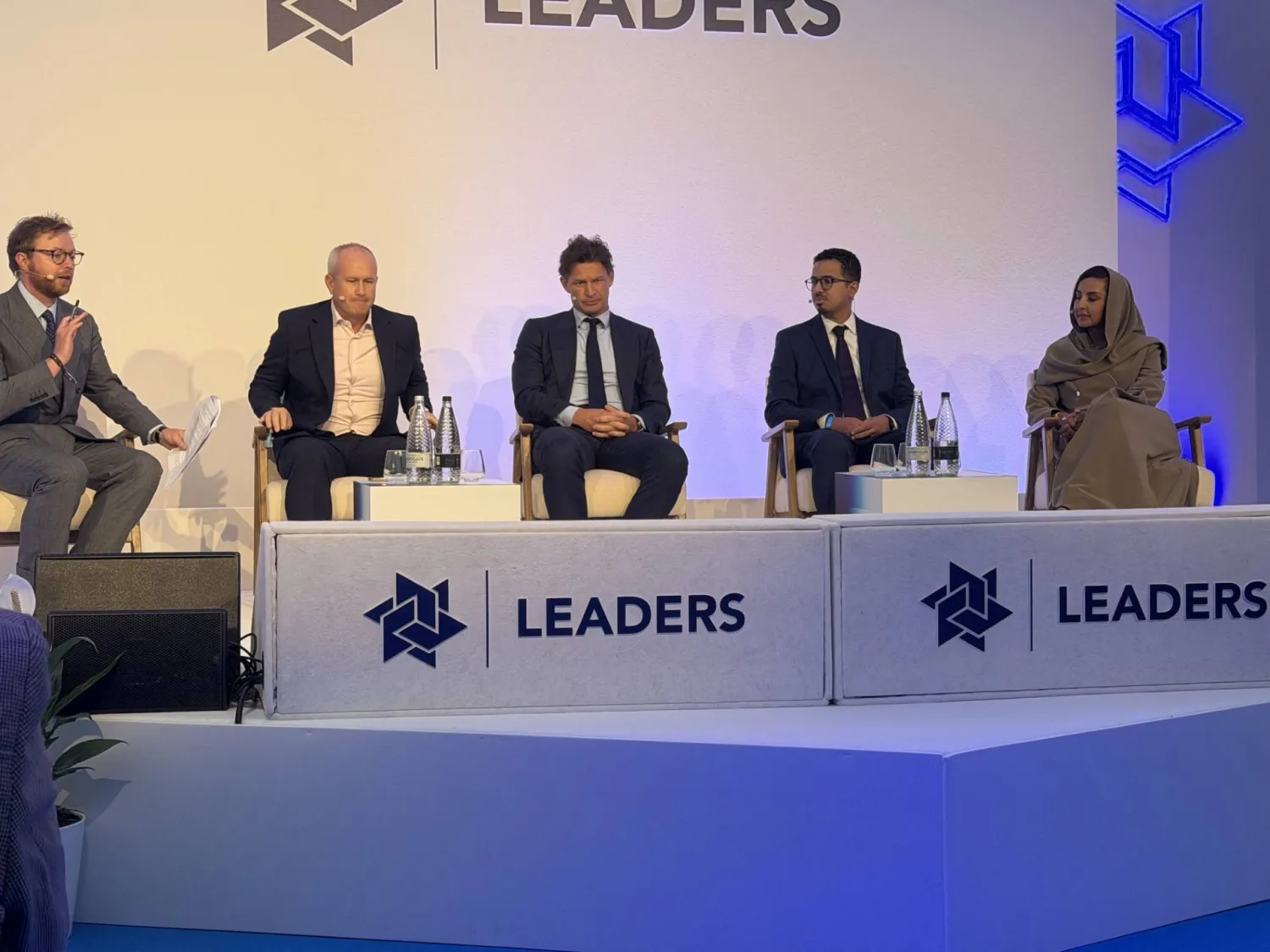
From the heart of the British capital, London, specifically at the historic Stamford Bridge stadium, which hosts the annual Leaders Week London summit, the high-level Saudi session reflected the depth of the structural transformation being led by the Kingdom and its effective shift from hosting seasonal events to creating a sustainable investment and development environment capable of shaping the future of the sector globally.
The special session, sponsored by the Public Investment Fund, highlighted how a “sporting superpower” can be built through a unique strategic integration of smart sovereign financing, major infrastructure development, and unprecedented operational excellence. This has made the Saudi experience a new economic benchmark aligned with the ambitions and targets of Saudi Vision 2030.
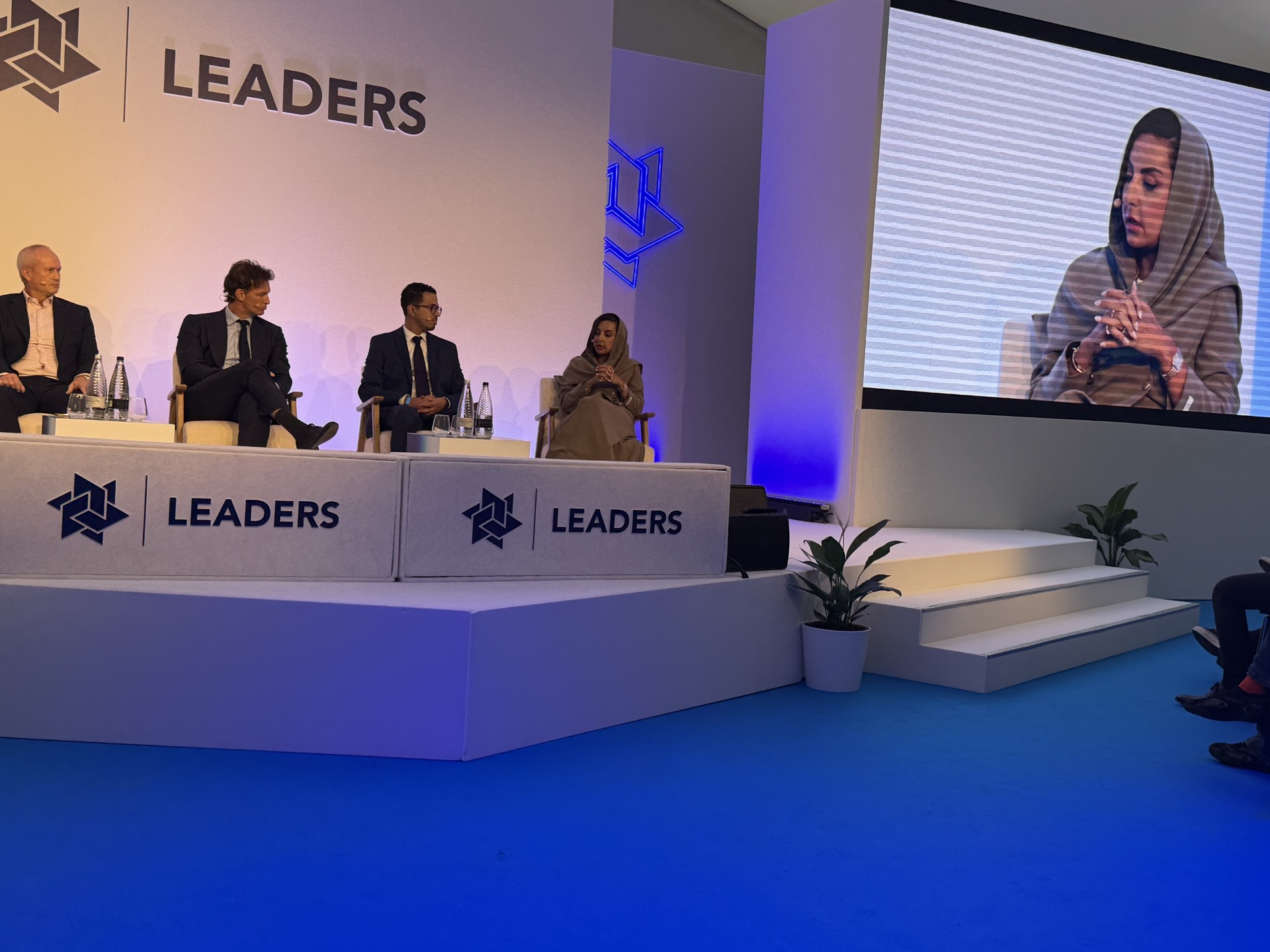
The summit’s business and leadership platform brought together a group of decision-makers and specialists leading this strategic transformation on the ground. Participants included Alanoud Althonayan, Head of Sponsorships and Events at the Public Investment Fund, and Feras Sheraiff, Head of Sports Investments for the Middle East and North Africa at the fund, who discussed the Kingdom’s financing dimensions and long-term economic vision.
On structural development and operational excellence at facilities, the session featured an extensive discussion with Xavier Campbell, CEO of radia, and Marc Archer, Executive Director of Sports Strategy and Partnerships at Qiddiya, highlighting how ambitious engineering and investment plans can be transformed into active assets that maximize returns and create sustainable opportunities.
Historically, most major investments in sports have focused on acquiring broadcasting rights or sponsoring the jerseys of major clubs to achieve rapid and temporary brand exposure. The current Saudi strategy, however, prioritizes investment in physical infrastructure to establish solid foundations for the sector. This transformation involves injecting unprecedented capital into the construction of modern stadiums, advanced training centers, and surrounding entertainment districts, based on an economic vision that considers ownership of advanced physical assets the only guarantee of attracting sporting elites, rights holders, and global sponsorship groups over the long term.
Qiddiya stands out as a key pillar and a living example of this structural vision. The construction of high-quality facilities such as the world-class racing circuit and the National Tennis Center, built to advanced engineering specifications, is not aimed merely at hosting a passing tour or tournament. Rather, it seeks to create a permanent infrastructure environment capable of hosting training camps and continental tournaments throughout the year, thereby increasing the investment efficiency of the real estate and sporting asset and transforming it into a productive and sustainable sector that generates tangible returns.
Countries that host major sporting events have historically faced a challenge known as “abandoned stadiums,” referring to large facilities that lose their function and vitality after competitions end and become a financial and administrative burden on governments. The Saudi model, however, has anticipated this challenge by focusing on operational excellence years before hosting major competitions.
This system was strengthened through the launch of radia, a company affiliated with SURJ Investment, which is owned by the fund, in partnership with global leaders in operations and entertainment such as Live Nation and Oak View Group, to ensure the continuity and vitality of events on a permanent basis.
The core philosophy of radia is to transform stadiums and sports arenas from facilities that operate only on seasonal match days into vibrant entertainment, cultural, and commercial destinations operating year-round without interruption.
This smart integration of sports and entertainment ensures sustainable financial flows that protect assets from declines in market value. At the same time, it contributes to creating thousands of permanent jobs for young Saudi talent in management, marketing, and hospitality, strengthening the local impact of sovereign investments.
Redefining Return Standards and Engineering Legacy Toward 4302
The Public Investment Fund’s investment vision has moved beyond traditional concepts of direct financial returns limited to ticket sales. The new Saudi benchmark is centered on making sports a major contributor to non-oil GDP, stimulating the sports tourism sector, and increasing the attractiveness of the domestic market to foreign investors.
This financial return is linked to a sustainable social impact, as investments contribute to increasing community participation in sports locally and developing an ideal environment for practicing them, which in turn improves the public health of citizens and creates a vibrant and active society.
The 2034 FIFA World Cup represents the most prominent milestone in these ambitions. However, the event is not viewed as a final objective whose implementation ends with the closing match. Instead, it is treated as a comprehensive development accelerator serving future generations.
All current investments discussed at the London summit, from stadiums to entertainment districts, are being designed to align with a clear and strict post-tournament plan, so that sports infrastructure will be immediately ready to support the growth of domestic leagues, make the Kingdom the Middle East’s leading regional hub for sports business, and create an integrated ecosystem capable of growing on its own.


