Flydubai Co-Pilot Planned Suicide Attack on Tel Aviv Airport, Says UAE Prosecutor

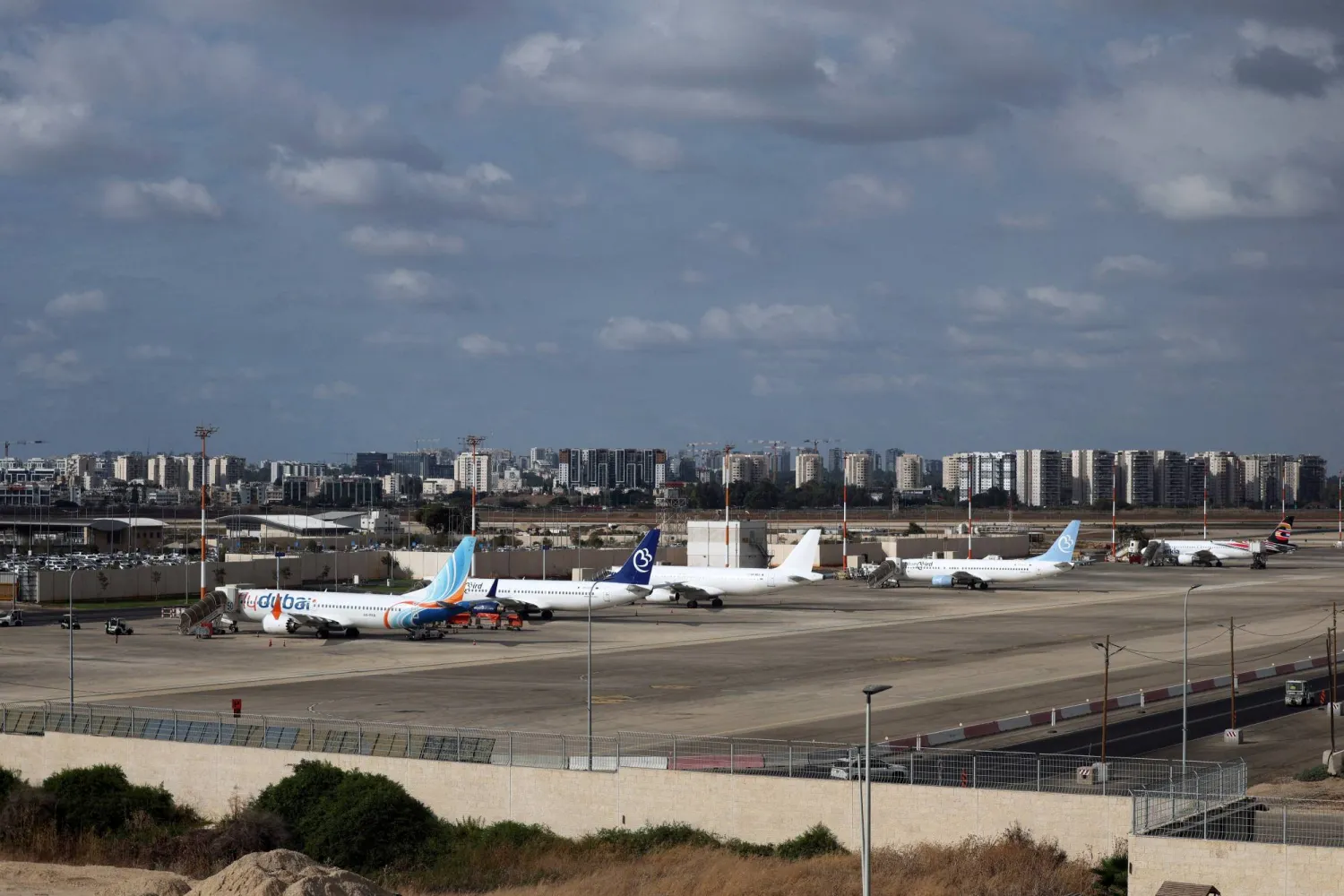
Planes sit on the tarmac at Ben Gurion International Airport after a Flydubai aircraft bound for Israel from the United Arab Emirates was diverted to Saudi Arabia following an emergency signal, in Lod, near Tel Aviv, Israel, September 30, 2026. (Reuters)
TT

Flydubai Co-Pilot Planned Suicide Attack on Tel Aviv Airport, Says UAE Prosecutor

Planes sit on the tarmac at Ben Gurion International Airport after a Flydubai aircraft bound for Israel from the United Arab Emirates was diverted to Saudi Arabia following an emergency signal, in Lod, near Tel Aviv, Israel, September 30, 2026. (Reuters)

The co-pilot who attacked the captain of a flydubai jet last week had planned to crash the plane into Tel Aviv's international airport, the United Arab Emirates' top prosecutor said on Friday.

In the aftermath of the incident, people on board -- the majority of whom were Israeli -- described a sudden plunge in altitude and a fight for control of the aircraft, which was forced to make an emergency landing in Saudi Arabia. The passengers were repatriated on a second flydubai flight hours later.

The unnamed Omani co-pilot, now in custody in the UAE, had drawn inspiration from Al-Qaeda's September 11, 2001, suicide attacks on the United States, and carried out his attempt "with the aim of causing the greatest possible loss of life", according to the Emirati prosecutor's findings published by state media.

The prosecutor found that the co-pilot had first begun to be radicalized while studying in Australia "through reading extremist literature and following online content glorifying terrorist organizations and suicide attacks".

He said last week's flight had been the co-pilot's third to Tel Aviv, and that he had used the two earlier trips to plan the attack.

During the flight, the suspect used an emergency axe to attack the plane's Indian captain, Smit Machchhar, who fought back and tried to call for help.

Another pilot assigned to the return flight, who was also on board, "noticed the cockpit door opening and closing repeatedly in an unusual manner", according to the findings.

After gaining entry, he "intervened with the assistance of a cabin crew member and several passengers, and together they rescued the injured captain and restrained the suspect".

The return flight captain and his co-pilot then landed the plane at Tabuk Airport in Saudi Arabia.

- No sign of intentions -

Israel and the UAE normalized ties under the US-brokered Abraham Accords in 2020, and Israel carries out stringent security checks on those travelling to the country.

Prime Minister Benjamin Netanyahu previously said that the co-pilot -- identified in reports as Hamam al-Hammami -- must have gotten around restrictions preventing individuals from nations that do not recognize Israel operating flights to the country.

The UAE prosecutor's "findings showed that he had met the professional and security requirements for employment, including holding a pilot's license, providing a certificate of good conduct and completing the required checks".

"However, none of the procedures revealed any indications of his extremist views or his intention to carry out a terrorist plot."

After the incident, Netanyahu had hailed the passengers and the plane's captain for their bravery in averting what would have otherwise been a catastrophe.

He later ordered a "thorough review of all security aspects of foreign civil aviation to Israel" in response to the incident.


Qatari Gas Tanker Struck in Gulf

FILE PHOTO: QatarEnergy's liquefied natural gas (LNG) production facilities, in Ras Laffan Industrial City, Qatar March 2, 2026. REUTERS/Stringer/File Photo
TT

Qatari Gas Tanker Struck in Gulf

FILE PHOTO: QatarEnergy's liquefied natural gas (LNG) production facilities, in Ras Laffan Industrial City, Qatar March 2, 2026. REUTERS/Stringer/File Photo

A Qatari tanker has been attacked with "unidentified objects" while transiting Gulf waters, the country's state news agency reported Sunday.

The attack on Friday evening struck a liquefied natural gas carrier, Al Mayeda, which belongs to the Qatar Gas Transport Company, Qatar News Agency said.

None of the crew members onboard the vessel struck on Friday were injured and there was no environmental impact from the attack, the report said.

The ship was in a "safe condition" and operational, the Qatari company was cited as saying.


Saudi Arabia Strengthens Water Security in 14 Yemeni Governorates with 62 Projects

The projects and initiatives have helped provide sustainable sources of safe freshwater. (SPA)
TT

Saudi Arabia Strengthens Water Security in 14 Yemeni Governorates with 62 Projects

The projects and initiatives have helped provide sustainable sources of safe freshwater. (SPA)

Saudi Arabia has provided 62 water projects and development initiatives across 14 Yemeni governorates to improve distribution, expand access to safe drinking water and strengthen water security in urban and rural areas.

Implemented through the Saudi Development and Reconstruction Program for Yemen (SDRPY), the initiatives have helped secure sustainable freshwater supplies, improve the efficiency of water systems, reduce losses and strengthen local communities’ ability to manage their resources.

The projects have met 100% of water needs in the Al-Ghaydah, Al-Mahra Governorate, 50% in Socotra Governorate and part of the demand in Aden Governorate, helping improve the continuity and reliability of water services.

The program combines infrastructure development with modern technology and environmental and operational sustainability. Its work includes building and upgrading water networks, connecting Yemeni communities to water sources and using renewable energy to power wells and pumps.

These measures have also improved production and distribution efficiency, reduced operating costs and extended water services to areas most in need.

Sustainable water resource management

The program has supported agriculture by introducing modern irrigation systems, including drip irrigation, to improve water-use efficiency, reduce waste and promote sustainable agricultural production and food security.

In Socotra, a project to establish an integrated water system for a sustainable freshwater supply illustrates this approach by diversifying water sources, upgrading supply networks and strengthening resource sustainability.

Efforts have also focused on empowering local communities and building technical and institutional capacity through training programs designed to develop the skills of workers and beneficiaries in water resource management, system operation and maintenance.

SDRPY has conducted awareness campaigns to encourage community participation and promote sustainable water consumption and management practices, helping maintain services and improve the long-term operational efficiency of the projects.

Strategic solutions

In January, SDRPY announced a project to establish Yemen’s first desalination plant of its kind in the Aden Governorate, using modern desalination technology to expand freshwater supplies and reduce the depletion of water resources.

The project is intended to strengthen water security and improve living conditions.

It also includes transferring Saudi expertise and training Yemeni personnel in saline water desalination to boost technical and operational capabilities and ensure the sustainability of services in the governorate.

Saudi Arabia’s support for Yemen’s water sector forms part of a broader development effort implemented through SDRPY in coordination with the Yemeni government and local authorities.

The program has undertaken 300 development projects and initiatives across 16 Yemeni governorates, covering eight sectors: education, health, energy, water, transport, agriculture and fisheries, development programs, and capacity building and support for the Yemeni government.

Together, these efforts aim to strengthen coordination among development initiatives and deliver lasting improvements in essential services and living conditions for Yemenis.


Saudi Foreign Minister Discusses Regional Security with Russian, Canadian Counterparts

Saudi Foreign Minister Prince Faisal bin Farhan and his Russian counterpart Sergey Lavrov (SPA)
TT

Saudi Foreign Minister Discusses Regional Security with Russian, Canadian Counterparts

Saudi Foreign Minister Prince Faisal bin Farhan and his Russian counterpart Sergey Lavrov (SPA)

Saudi Foreign Minister Prince Faisal bin Farhan met his Russian counterpart, Sergei Lavrov, on the sidelines of the G20 foreign ministers’ meeting in Atlanta, Georgia on Friday.

The talks focused on bilateral relations and key regional developments, including the escalating security situation in Yemen and ongoing threats to maritime traffic through the Strait of Hormuz and the Bab al-Mandab Strait. The ministers also discussed efforts to strengthen regional security and stability.

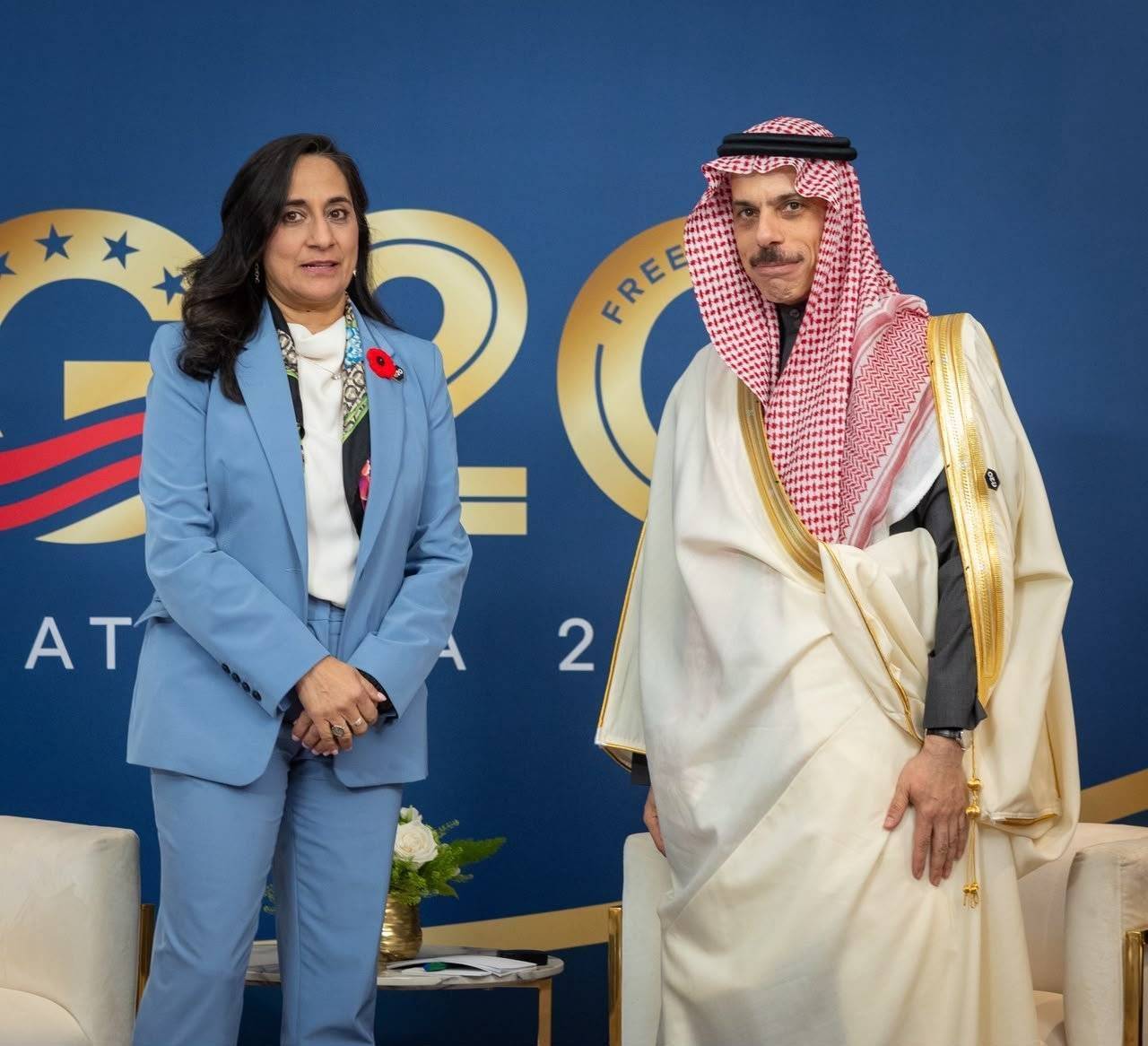
Saudi Foreign Minister Prince Faisal bin Farhan and Canadian Foreign Minister Anita Anand

Prince Faisal also held talks with Canadian Foreign Minister Anita Anand on bilateral relations and the latest regional developments. The two ministers condemned continued Houthi attacks on Saudi Arabia and underscored the importance of joint efforts to strengthen regional security and stability.

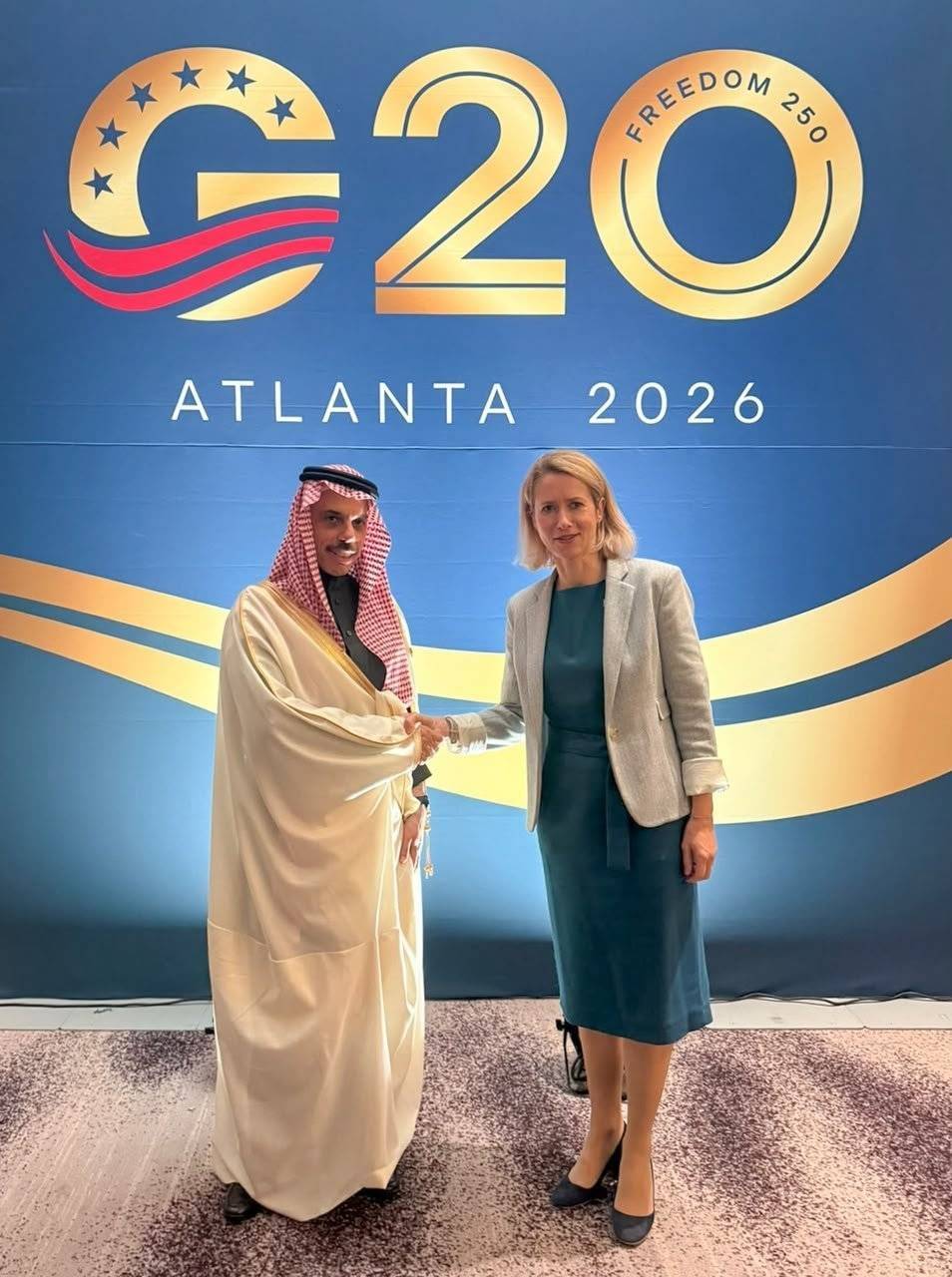
Saudi Foreign Minister Prince Faisal bin Farhan and EU European Commission Vice-President Kaja Kallas

The Saudi minister also met European Union foreign policy chief and European Commission Vice-President Kaja Kallas. The two sides underscored the importance of promoting security and stability in the region.