
A Year into Ceasefire, Israel Wages a Scaled-Down War in Gaza

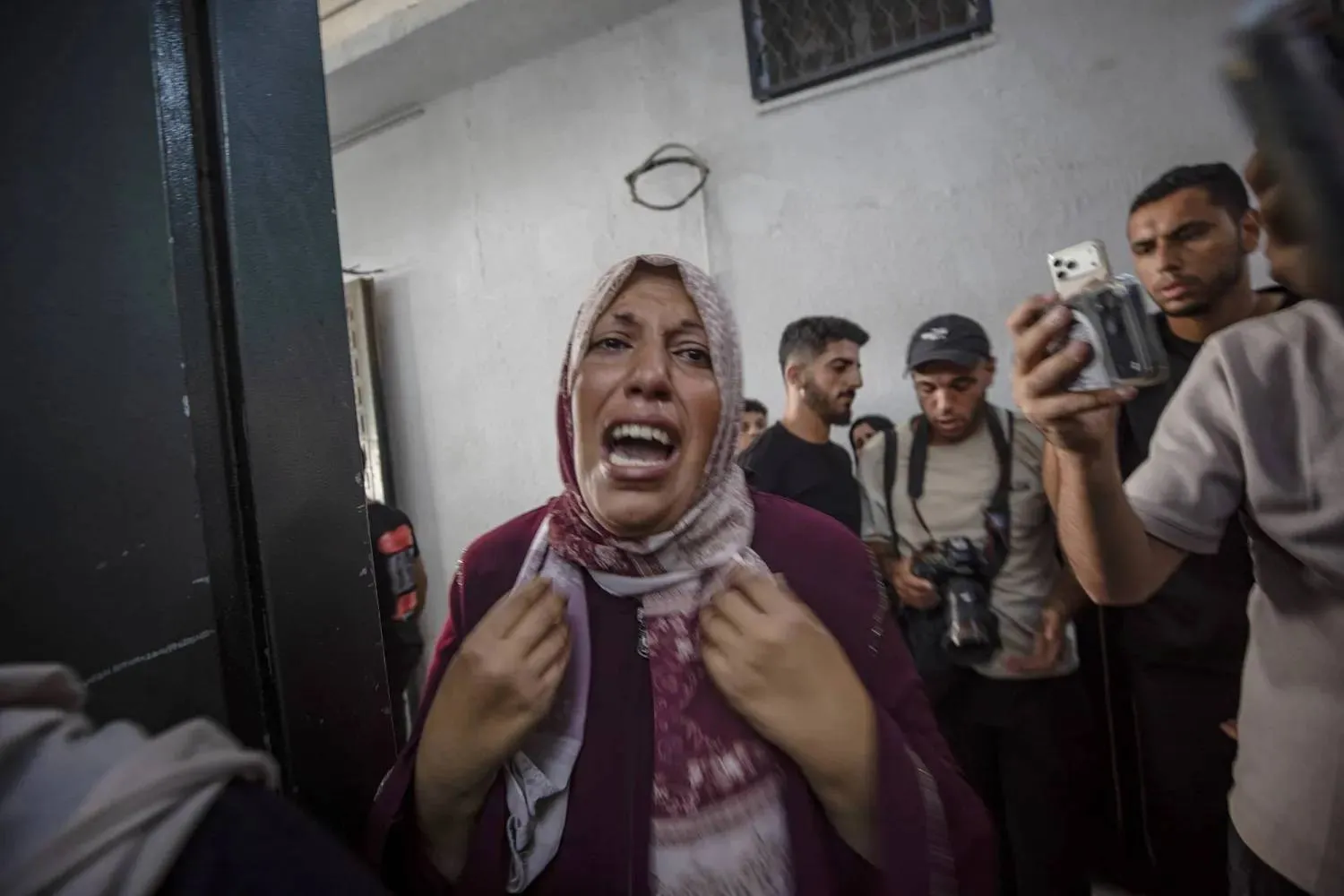
A Palestinian woman weeps during the funeral of an eight-year-old boy killed in an Israeli airstrike in Gaza City on Friday. (EPA)
TT

A Year into Ceasefire, Israel Wages a Scaled-Down War in Gaza

A Palestinian woman weeps during the funeral of an eight-year-old boy killed in an Israeli airstrike in Gaza City on Friday. (EPA)

October 10, 2026, marks one year since the announcement of an end to the war in Gaza, even as Israel continues to wage it on a smaller scale, killing more Palestinians and destroying their homes on the grounds that Hamas refuses to disarm.

On the eve of the fragile ceasefire’s first anniversary, Gaza endured a night of intense attacks that reminded thousands of residents of the war’s harshest days.

The Israeli military ordered residential blocks evacuated at night before bombing and destroying homes and apartment buildings in Gaza City and Khan Younis. A child and a woman were killed while trying to evacuate homes where families had sought refuge.

Shortly before midnight on Thursday, Israeli warplanes twice bombed homes in a residential block in the Katiba area, north of the al-Amal neighborhood in Khan Younis, in southern Gaza. The strikes destroyed or severely damaged several homes, displacing hundreds of Palestinians who lost their only shelter.

Israeli warplanes also destroyed two residential buildings in Gaza City. One housed displaced people in apartments in the Sabra neighborhood in the city’s south.

The Israeli military ordered the entire surrounding residential block evacuated, but some families did not have enough time to leave.

A child and a woman from the Abu Asr family, displaced from the Shujaiya neighborhood, were killed. At least seven people were wounded, including a journalist who put down his camera to help residents evacuate their homes.

The second building was destroyed in Gaza City’s Old City, west of Shujaiya and north of Zeitoun, after orders to evacuate it and the entire surrounding area.

Palestinians observed that Israeli warplanes fired several missiles at the targeted buildings, particularly in Gaza City, that failed to explode, prompting repeated attacks.

The strikes displaced hundreds of Palestinians living in those residential blocks. Unable to find alternative shelter, they had to spend the night in hospital courtyards, at shelters or with relatives.

The Israeli military said the strikes aimed to destroy four weapons storage facilities belonging to Hamas and Islamic Jihad. It has offered the same explanation in statements about similar strikes in the past.

Palestinian factions have repeatedly denied those claims, accusing Israel of deliberately destroying the homes and buildings still standing in Gaza.

Targeted killings and ground operations

The nighttime strikes came hours after six Palestinians were killed in a series of airstrikes in two separate incidents. Those killed included a woman and two members of the Al-Quds Brigades, Islamic Jihad’s armed wing, whose vehicle was attacked by an Israeli drone in the industrial area south of Gaza City.

A third member was killed in a targeted strike on a tent in the Tawam area northwest of the city.

On Friday morning, a Palestinian was killed and five others, including two women and a child, were wounded by gunfire from Israeli military vehicles that advanced into al-Masdar and the Maghazi refugee camp in the eastern part of central Gaza.

Two Palestinians were also wounded in a strike on al-Mawasi in Khan Younis.

For the third time in less than a week, Israeli military vehicles advanced from the Abu Hamam military position east of Deir al-Balah toward areas north of al-Masdar village, firing as engineering vehicles bulldozed land.

Israel is digging a wide trench and erecting an earth embankment in that area near the Yellow Line, as part of a broader plan being implemented along Gaza’s borders.

Figures covering the fragile ceasefire’s first year show that more than 1,478 Palestinians have been killed and more than 5,000 wounded since it took effect, according to Gaza’s Health Ministry and government media office.

The government media office said Israel had committed 5,223 violations on the ground since the agreement began, including bombing, gunfire, the demolition of homes and buildings, and incursions. More than 200 Palestinians have also been detained.

Israel controls more than 63% of Gaza’s territory after expanding the area within the so-called Yellow Line over the past year of the ceasefire. The agreement announced at the time designated it as an initial withdrawal line.

The UN Office for the Coordination of Humanitarian Affairs (OCHA) said 196 Palestinians, including 18 women and 43 children, were killed near that line between the start of the ceasefire and early April 2026.

OCHA said areas subject to access restrictions accounted for about 64.9% of Gaza’s territory. It said those areas were under tighter and more direct Israeli control, with Palestinians barred from entering most of them and humanitarian organizations required to coordinate access in advance.


EU Lays Groundwork to Keep its Forces in Lebanon after UNIFIL Term Ends

A UNIFIL patrol in southern Lebanon. (UNIFIL)
TT

EU Lays Groundwork to Keep its Forces in Lebanon after UNIFIL Term Ends

A UNIFIL patrol in southern Lebanon. (UNIFIL)

The European Union is continuing to fulfill its commitments to support Lebanon’s military and security institutions after the end of UNIFIL’s mandate by establishing a new mission to provide training and advice to the Lebanese army and Internal Security Forces.

The mission will not replace the UN Interim Force in Lebanon (UNIFIL), but will help “strengthen state sovereignty and extend its authority” across Lebanese territory.

Speaking in Beirut on Thursday, Kaja Kallas, the EU’s high representative for foreign affairs and security policy and vice president of the European Commission, announced plans for a new EU mission to provide training and advice to the Lebanese army.

She said she expects EU foreign ministers on Monday to formally establish the mission, which will make a key contribution to Lebanon’s security.

The mission will provide advice and assistance to the Lebanese army and Internal Security Forces to strengthen their authority across Lebanon, secure its borders and bolster internal security.

All of this will be in line with UN Security Council Resolution 1701, Kallas said, adding that the mission will not replace UNIFIL and will not focus exclusively on southern Lebanon.

UNIFIL’s mandate is nearing its end. European countries are among its leading supporters and troop contributors, notably France, Italy, Spain, Germany and Ireland.

As the mandate’s expiration approaches, a proposal to establish a European replacement force with the same responsibilities has faced US and Israeli opposition, stalling the initiative.

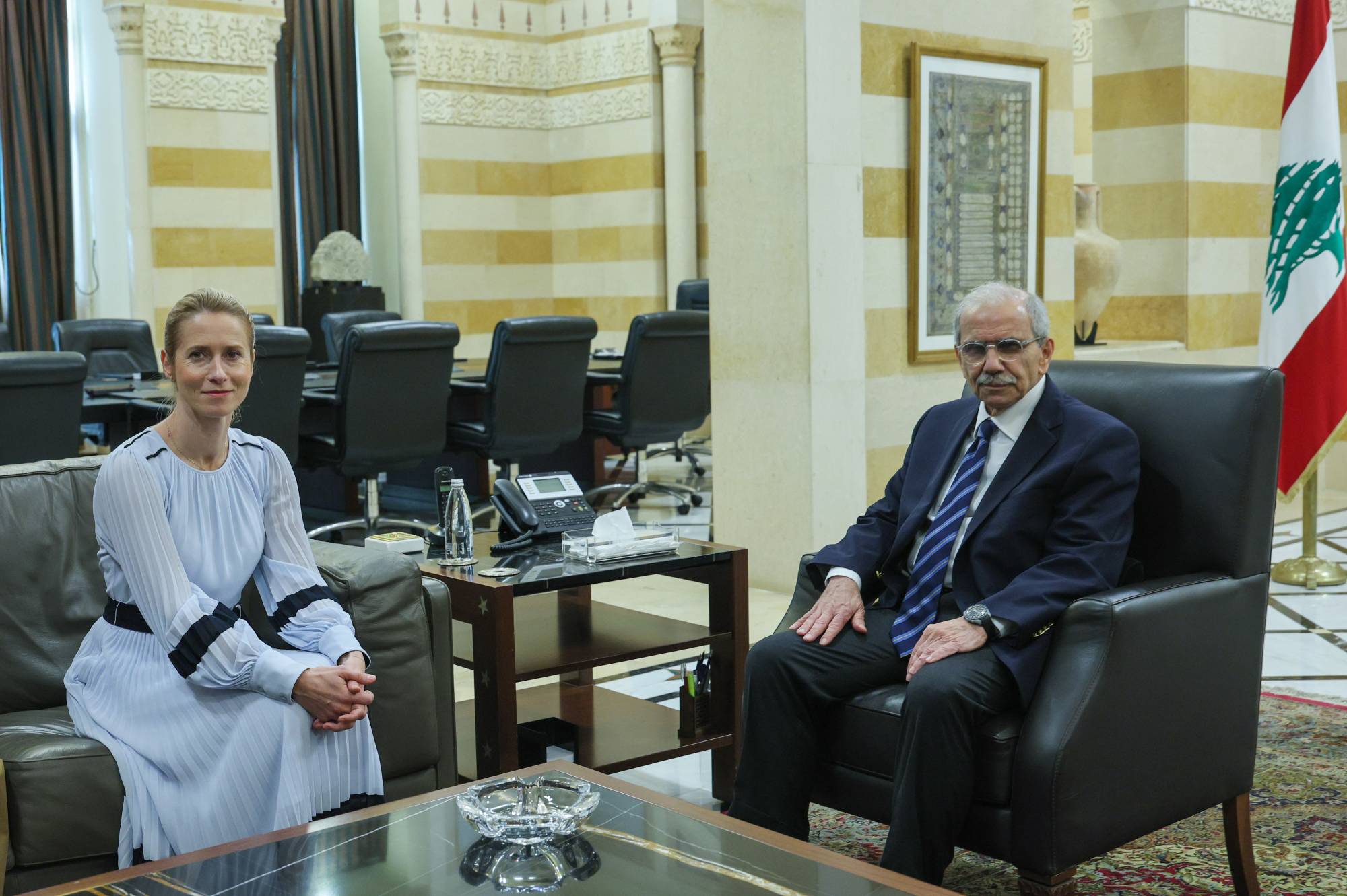
Lebanese Prime Minister Nawaf Salam (R) meets with Kaja Kallas (L), the European Union's high representative for foreign affairs and security policy, at the Government Palace in Beirut, Lebanon, 08 October 2026. (EPA)

Multiple roles

Through the new mission, the EU is continuing its commitment to support Lebanon’s armed forces and enable the Lebanese state to fulfill its pledges, particularly maintaining internal stability and implementing its decisions to establish a state monopoly on weapons and extend control across its territory exclusively through its legitimate forces.

A Lebanese ministerial source told Asharq Al-Awsat that the mission “is not linked to UNIFIL or any other mission.”

“Its role is not military, and it will not take over UNIFIL’s responsibilities. Its role will be logistical and will include training Lebanese military forces, alongside social, health and education activities, meaning it will have more than one role,” the source said.

It added that the European mission’s task would be to “strengthen state sovereignty, extend its authority and enable Lebanese security agencies to deploy and carry out their duties.” That role can be inferred from Kallas’s statement that the mission would align with Security Council Resolution 1701, which provides its political framework.

The EU has allocated 505 million euros to Lebanon for 2026 and 2027, the second part of a 1-billion-euro package announced in 2024, to support economic recovery, reforms, security and essential services.

European assistance to the army through the European Peace Facility has totaled 182 million euros since 2022.

The EU has expressed its readiness to provide Lebanon with the assistance it needs, particularly for the army, Internal Security Forces, and social and humanitarian institutions. It also supports the Lebanese state’s decisions to establish full control over its territory and move ahead with disarming Hezbollah.

Alongside this role, the EU is pushing to extend UNIFIL’s mandate to avoid a security vacuum after the international mission leaves.

UNIFIL has played an important role for almost 50 years. A continued UN presence in Southern Lebanon is under discussion, and the EU remain ready to work with Lebanon, the UN, and the Security Council members on what comes next, Kallas said in Beirut.


Lebanon Says 6 Wounded in Attack That Israel Says Targeted Pro-Iran Syrian Operative

An Israeli army vehicle operates in East Zawtar, as seen from West Zawtar, southern Lebanon, October 1, 2026. (Reuters)
TT

Lebanon Says 6 Wounded in Attack That Israel Says Targeted Pro-Iran Syrian Operative

An Israeli army vehicle operates in East Zawtar, as seen from West Zawtar, southern Lebanon, October 1, 2026. (Reuters)

Lebanon said an Israeli attack on Friday wounded six people as Israel said it targeted a "Syrian terrorist" who planned anti-Israel attacks under Iranian instructions.

"The Israeli attack near the town of Hawsh al-Sayyed Ali in the Hermel district led to six wounded, including five Syrian nationals, two of them women, and one Lebanese," Lebanon's health ministry said.

Lebanon's state-run National News Agency (NNA) reported that "an enemy military drone targeted a car" in the town, located close to the Syrian border, an area largely been spared such attacks since an Israel-Hezbollah ceasefire was agreed in June.

Israel's military said that it "struck a Syrian terrorist", identified as Yusuf Ali al-Hassoun, who it said "operated under the direction of the Iranian regime and advanced terrorist attacks targeting Israeli civilians and Israeli soldiers operating in southern Syria".

It did not say whether the suspect was operating as part of a particular militant group.

Hassoun allegedly "planned and advanced attacks" against soldiers "that were thwarted, including the launching of explosive drones and rockets toward Israeli soldiers in southern Syria".

The Israeli military "will continue to operate to eliminate immediate threats on all fronts", it said.

Since the December 2024 ouster of longtime Syrian ruler Bashar al-Assad, Israel has carried out hundreds of strikes in Syria and sent troops into a UN-patrolled buffer zone that had separated Israeli and Syrian forces in the Golan since 1974.

It has also carried out repeated incursions deeper into Syrian territory, sometimes seizing residents, and has vowed to keep troops in a so-called "security zone" in southern Syria, where it seeks a broader demilitarized area.

On Monday, the Israeli military said it had killed an assailant at an army outpost in the area it occupies in southern Syria.

Syria's former ruler Assad was an ally of Iran and Tehran-backed armed group Hezbollah, which drew Lebanon into the Middle East war this year by attacking Israel.


Houthi Escalation Strains Health Services, Deepens Displacement

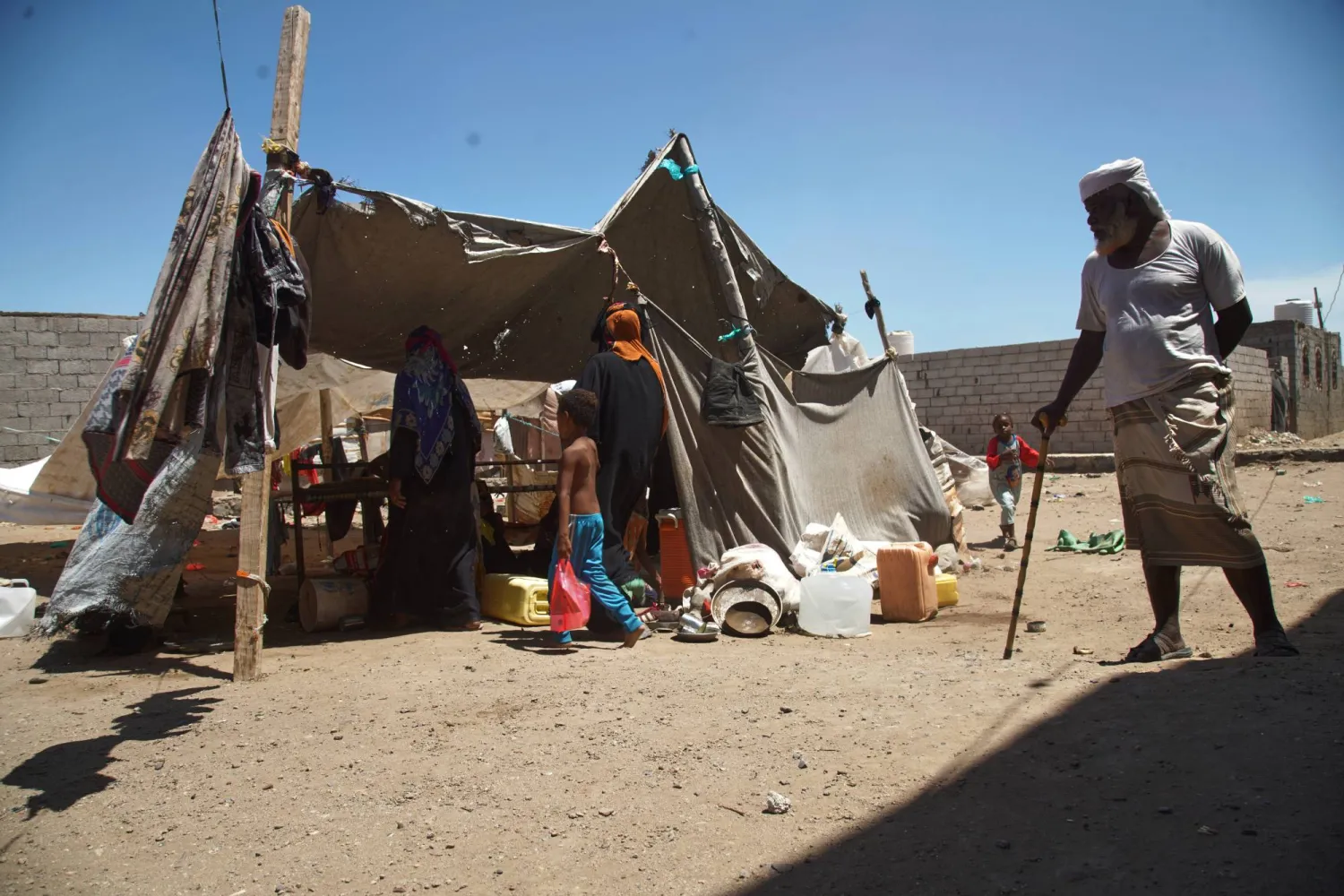
A displaced Yemeni family enters a makeshift shelter at the Al-Kod Al-Othmani displacement camp in Sheikh Othman district, Aden, Yemen, Thursday, Oct. 8, 2026. (AP Photo/Abdulnasser Alseddik)
TT

Houthi Escalation Strains Health Services, Deepens Displacement

A displaced Yemeni family enters a makeshift shelter at the Al-Kod Al-Othmani displacement camp in Sheikh Othman district, Aden, Yemen, Thursday, Oct. 8, 2026. (AP Photo/Abdulnasser Alseddik)

Yemen’s humanitarian crisis is worsening as the Houthi escalation spreads, leaving more than 5,000 people dead or wounded since August, displacing about 200,000 and fueling a rise in suspected cholera and measles cases.

The United Nations is warning of gaps in care and the risk of outbreaks as health services struggle to reach the wounded and deliver emergency treatment, especially in conflict zones and displacement camps.

UN Health Cluster data show 5,166 casualties since Aug. 6, including 959 deaths. In six days alone, 685 new casualties were recorded, a daily average of 114, up from about 101 in the preceding period, signaling a continued rise in the conflict’s human toll.

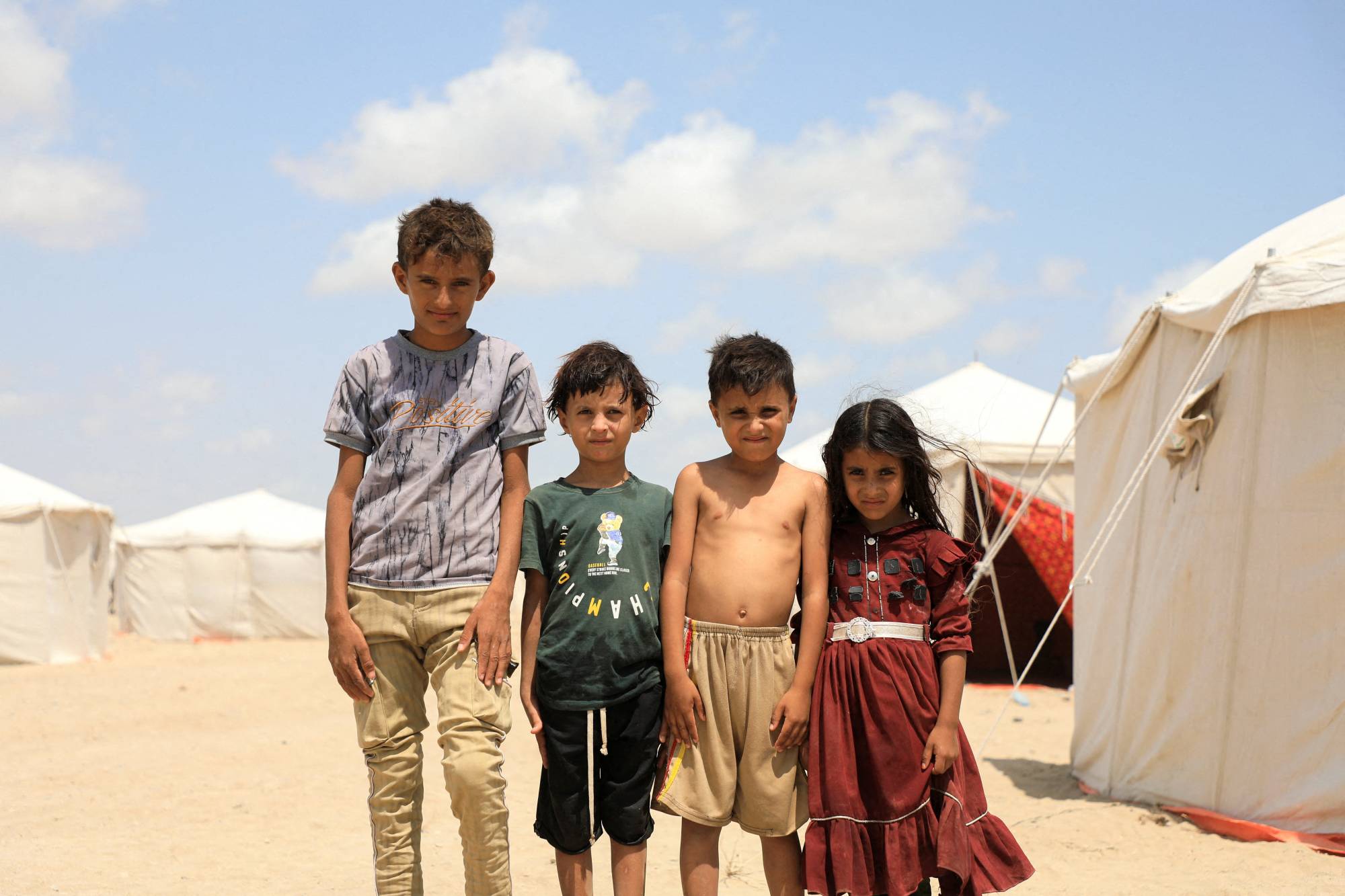
Children pose for a photo in a makeshift camp for people displaced by clashes near Aden, Yemen October 7, 2026. REUTERS/Stringer

Taiz governorate in southwestern Yemen has become one of the deadliest fronts, with average daily casualties jumping from eight to 109 in a week as fighting moved into Taiz city. Preliminary reports also indicated casualties in Hadramout and Al-Jawf, while violence and casualties remain high in Lahj and Marib.

Displacement is adding to the strain on host communities, while shortages of trauma stabilization points and medical supplies hamper efforts to reach the wounded and meet mounting health needs.

For medical teams near the front lines, reaching the injured quickly is a critical challenge. Too few trauma stabilization points near the fighting mean precious time is lost during the “golden hour,” when urgent medical intervention can improve a wounded person’s chances of survival.

Difficulties in providing medical services on the front lines with the Houthis (local media)

First-level trauma stabilization points remain a major gap in the health response. Six of the 20 planned points still lack partner support, limiting the health system’s ability to stabilize patients and get them to operating rooms within an hour of injury.

Communications outages and security risks are also hampering efforts to track humanitarian conditions. Aid workers believe the available figures understate the actual toll, while continued fighting makes reports of attacks on health facilities difficult to verify.

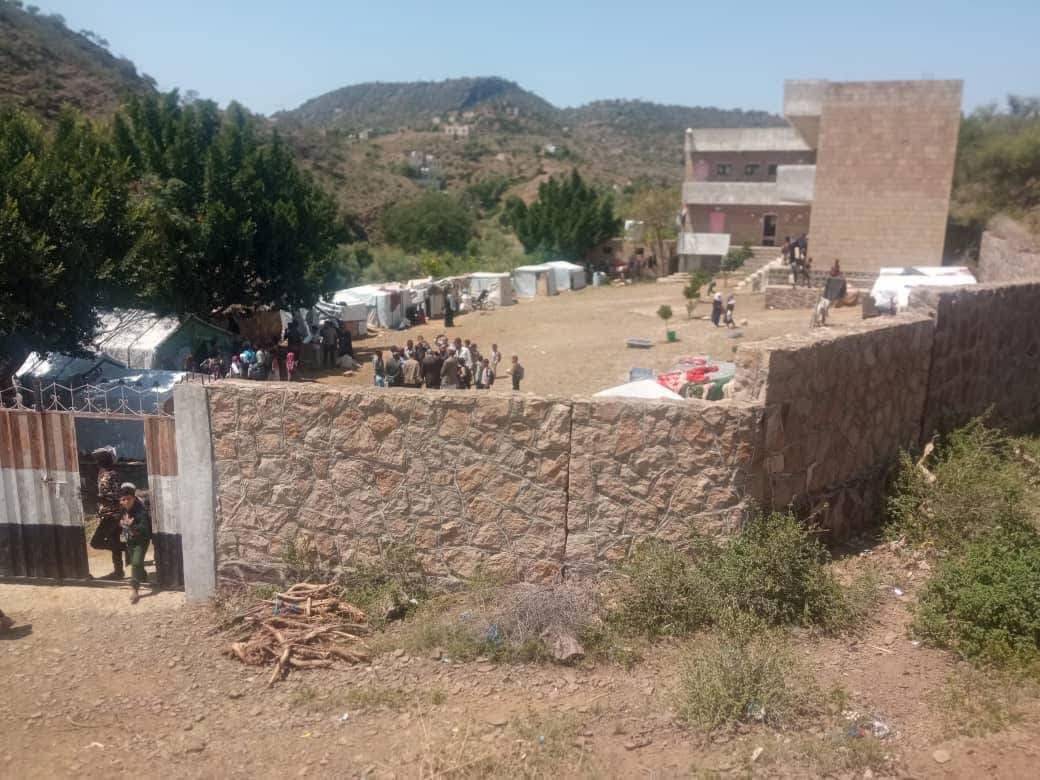
Displacement camps in Yemen lack basic necessities (local media)

Displacement and outbreaks

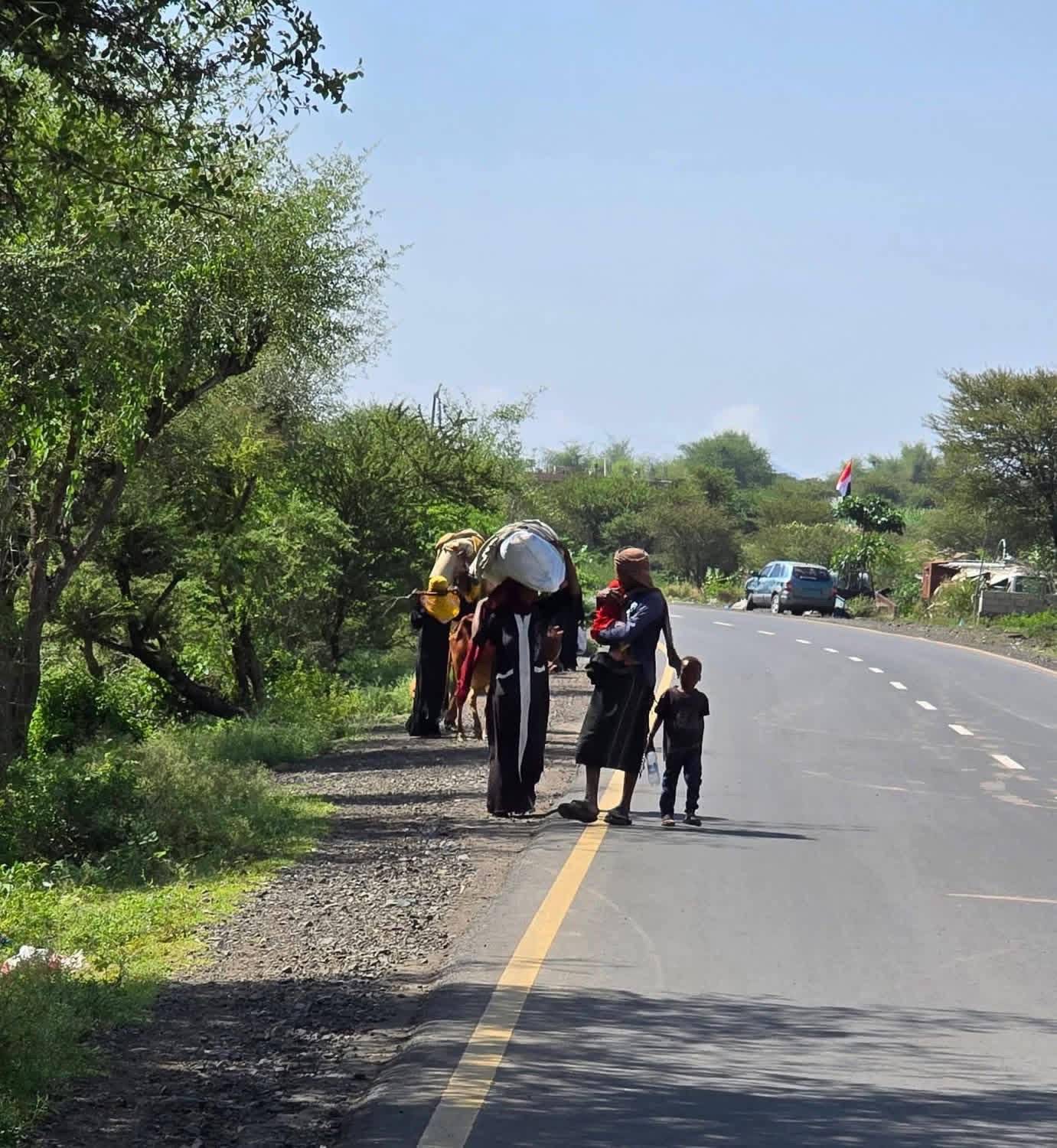
The fallout from the Houthi escalation extends beyond the dead and wounded. About 200,000 people have been displaced, including 29,519 families across 10 governorates, with displacement rising 8% in just five days.

Lahj accounted for about two-thirds of the latest increase, underscoring the pressure on residents and host communities as fighting drives up demand for shelter, basic services and health care.

Displacement has spread further into eastern governorates, including Hadramout, Al-Mahra and Shabwa. The consolidated report lists 454 displaced families in those governorates, up from 201 on Sept. 23.

In Hadramout, the Mukalla center reported another 429 families in Al-Abr, in Wadi Hadramout, who have yet to be included in the consolidated report, suggesting the actual displacement figures are higher.

Civilians pay the price for Houthi escalation in several governorates (local media)

More than 3,600 people have also crossed into Djibouti, according to the data, extending the conflict’s humanitarian repercussions beyond Yemen.

Growing displacement and deteriorating living and health conditions are heightening fears of outbreaks as cholera and measles cases rise, immunization gaps widen and displaced children show alarming levels of acute malnutrition.

Surveillance data show suspected cholera cases nearly tripled in three weeks, reaching 647 in week 39, up from 217 in week 36.

Measles is spreading alongside cholera as displacement and overcrowding in areas hosting affected families widen immunity gaps, increasing health risks for children, especially those suffering from malnutrition.

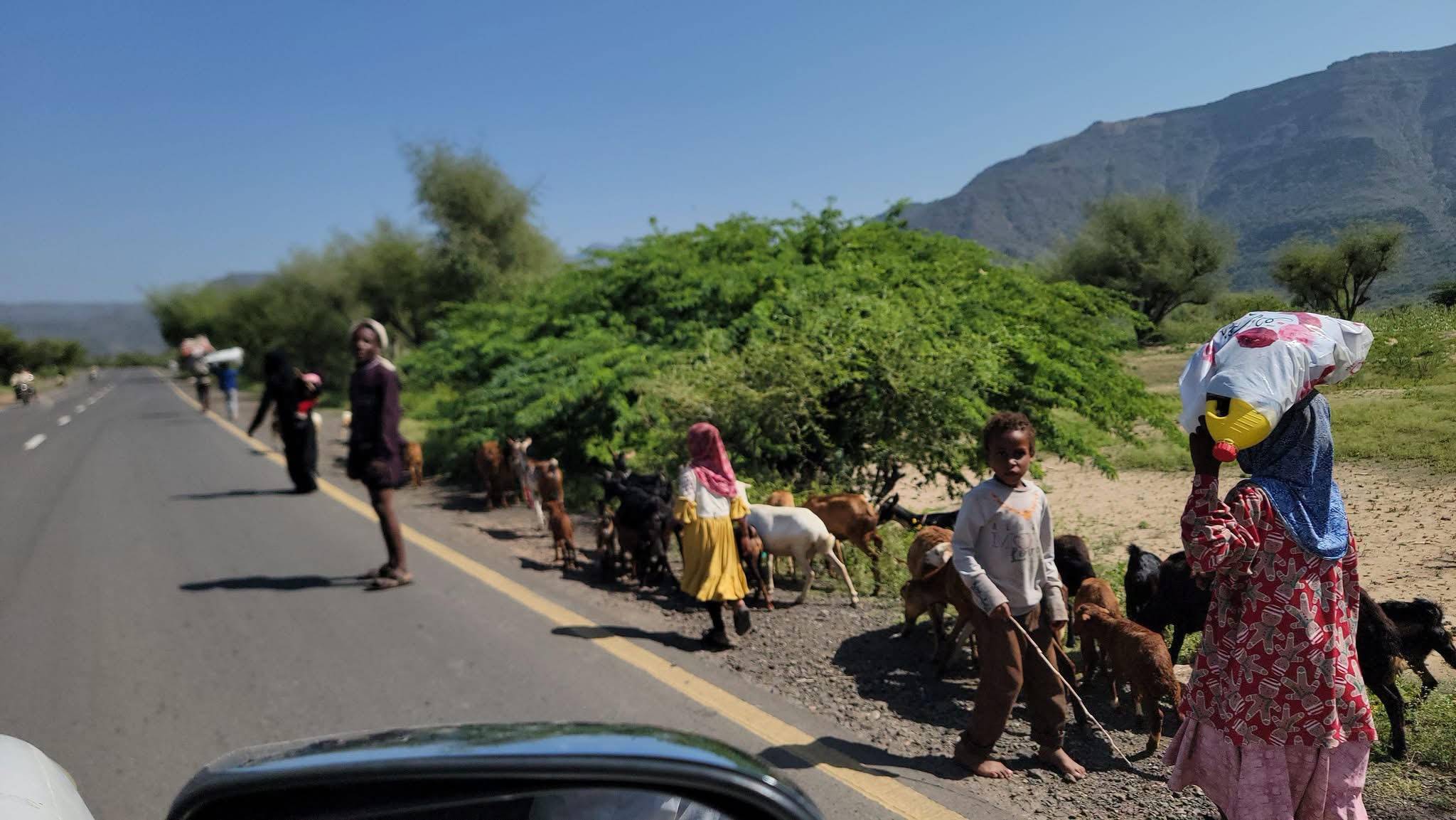
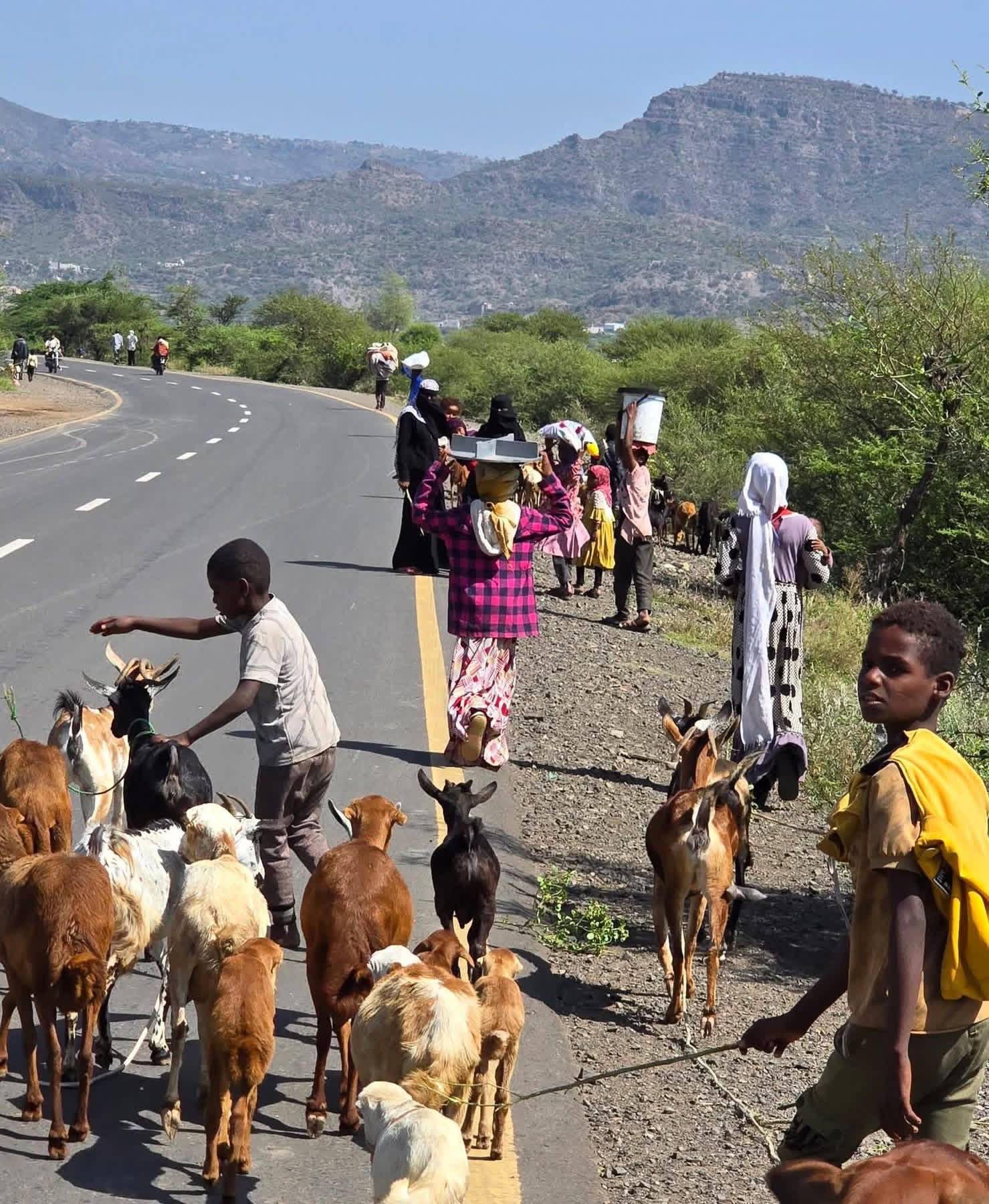
People fleeing Houthi escalation in Taiz governorate (local media)

Malnutrition

Screenings by International Medical Corps mobile medical teams have found high levels of acute malnutrition among displaced children, offering another measure of deteriorating health and living conditions.

Of 54 displaced children under five screened, nine had severe acute malnutrition and 29 had moderate acute malnutrition, highlighting urgent nutritional and treatment needs among the most vulnerable.

At least five health facilities have run out of ready-to-use therapeutic food, and three have exhausted their stocks of supplementary food, threatening their ability to treat children most at risk of complications.