Iran Reportedly Fortifies Nuclear Sites, Rallies its People for Return to Combat

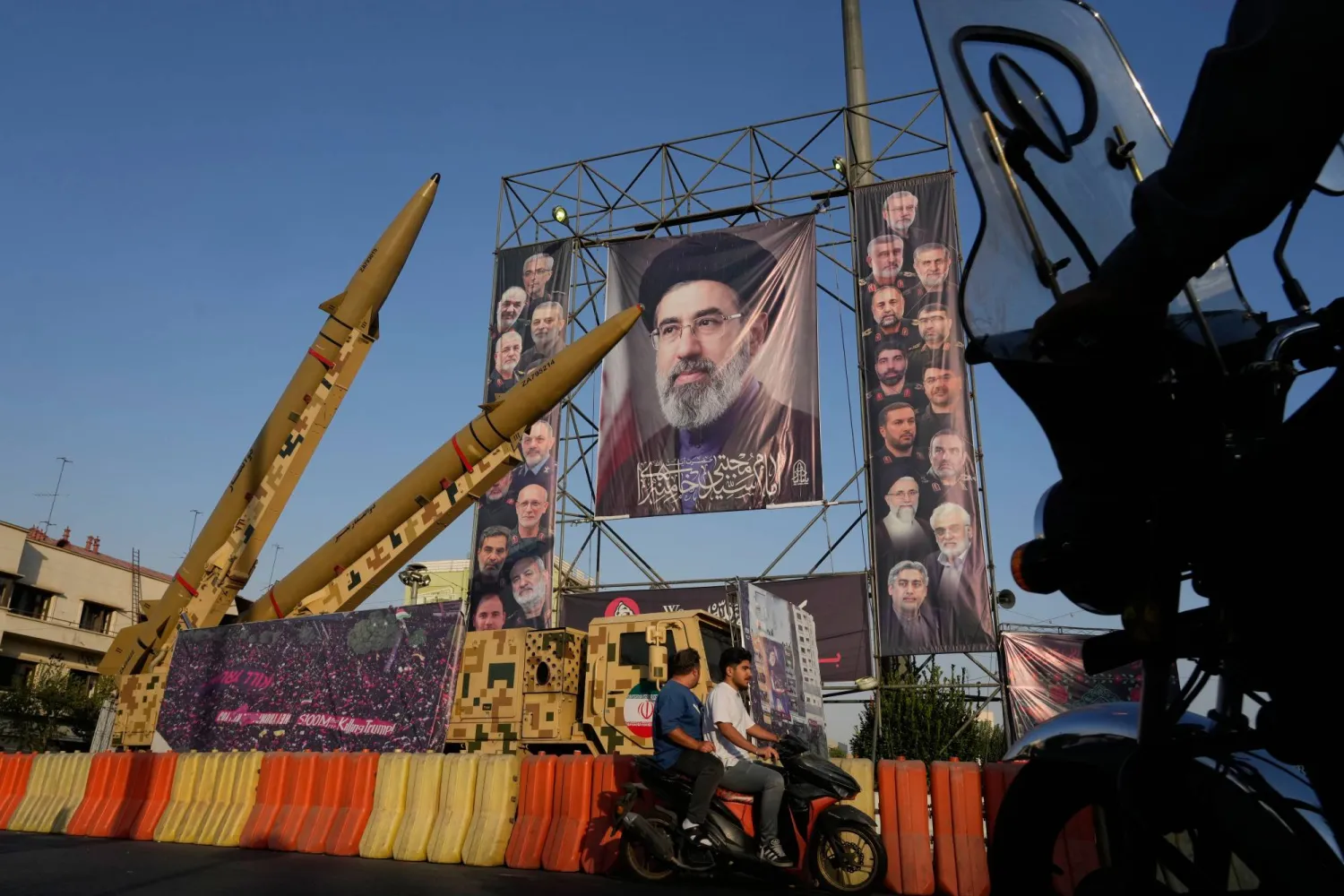
Motorbikes drive past Iranian missiles and banners showing portraits of the Iranian Supreme Leader, Mojtaba Khamenei, center, and the late armed forces commanders and nuclear scientists, who were killed in Israeli and US strikes, displayed in a military exhibition commemorating the anniversary of the start of the 1980-88 Iraq-Iran war at Baharestan Square, in Tehran, Monday, Sept. 28, 2026. (AP Photo/Vahid Salemi)
TT

Iran Reportedly Fortifies Nuclear Sites, Rallies its People for Return to Combat

Motorbikes drive past Iranian missiles and banners showing portraits of the Iranian Supreme Leader, Mojtaba Khamenei, center, and the late armed forces commanders and nuclear scientists, who were killed in Israeli and US strikes, displayed in a military exhibition commemorating the anniversary of the start of the 1980-88 Iraq-Iran war at Baharestan Square, in Tehran, Monday, Sept. 28, 2026. (AP Photo/Vahid Salemi)

Iran is fortifying its defenses as it prepares for potential American attacks after the midterms and seeks to deter them, The Wall Street Journal reported.

Satellite images show Iran is strengthening sensitive locations, including nuclear sites and border areas, to make them more resilient to attacks, the newspaper said.
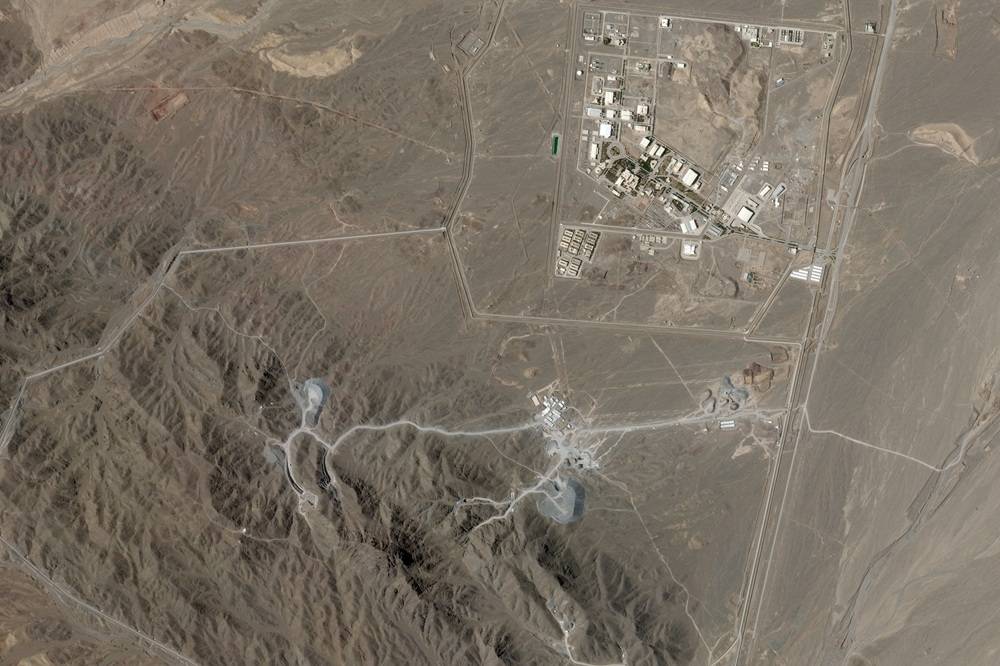
This June 15, 2026, photo from Planet Labs PBC shows Iran's Natanz nuclear enrichment facility, upper right, and the under-construction at Pickaxe Mountain directly to the south of it. (Planet Labs PBC via AP)

Last month, it built passive defense measures such as makeshift dirt mounds around its Pickaxe Mountain and Natanz nuclear sites to impede any attempted raid by ground forces, according to Vantor satellite images analyzed by the Institute for Science and International Security, a Washington, D.C.-based nonprofit.

Iranian officials are touting their efforts. The country’s airports, seaports and power plants “have prepared for wartime conditions,” installing shelters and backup supplies to continue operating in a crisis, Brig. Gen. Gholamreza Jalali, the official in charge of the country’s contingency plans, told reporters at the end of September.

While US President Donald Trump last week ruled out an attack before the Nov. 3 midterm elections, he has publicly mulled hitting the Pickaxe Mountain nuclear site, and US officials have said that the military is preparing a range of options for new strikes.

Iran’s government is also preparing Iranians for renewed war, sending paramilitary forces to read war stories to kindergartners, advertising training in firing shoulder-mounted antiaircraft missiles and holding rallies.
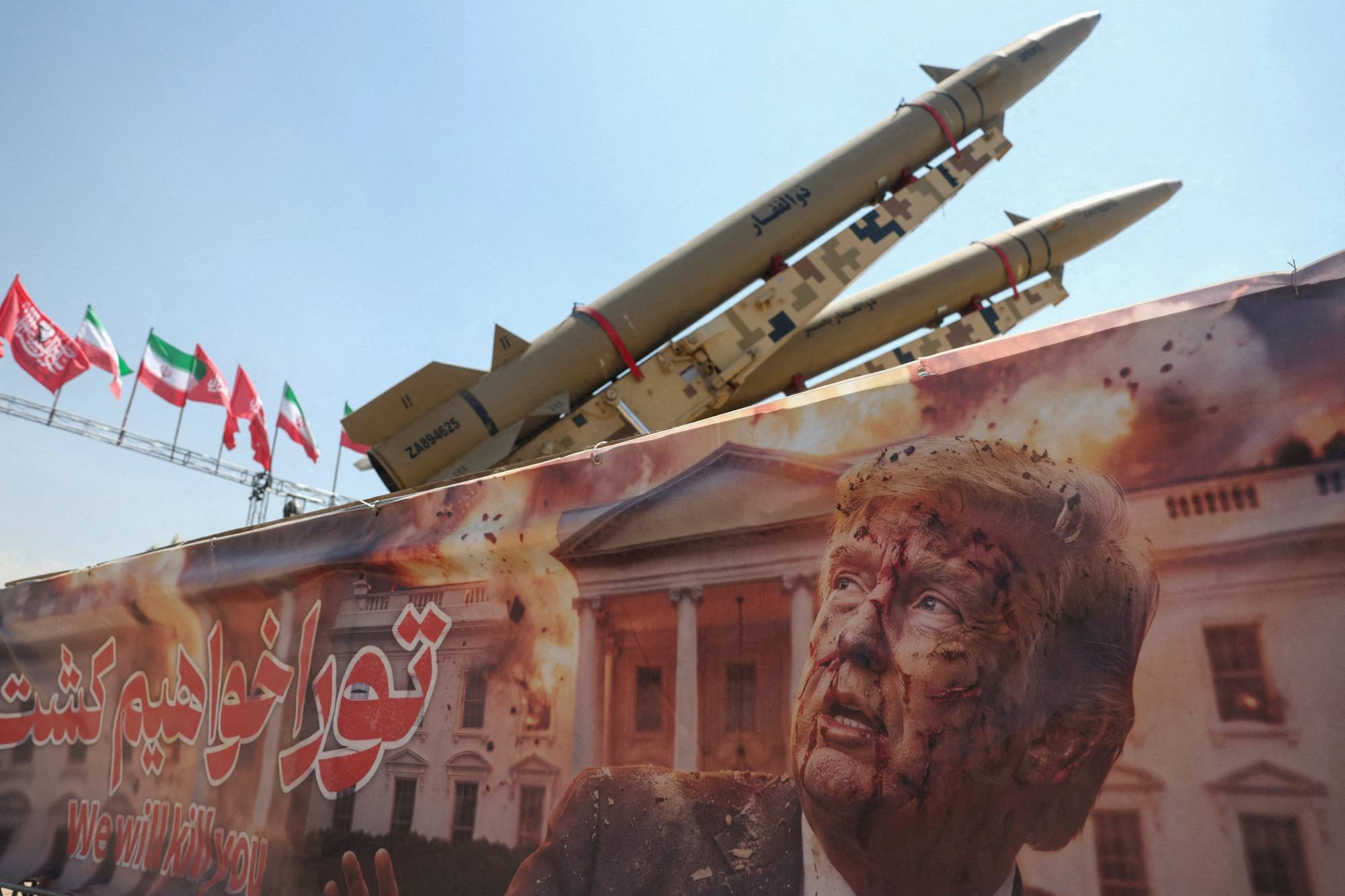
A banner with a picture of US President Donald Trump next to an Iranian missile system at Azadi Square in Tehran, Iran, July 30, 2026. Majid Asgaripour/WANA (West Asia News Agency) via REUTERS

Billboards in Tehran now advertise civilian training courses in the use of shoulder-fired antiaircraft missiles and sniper rifles.

Last month, the Revolutionary Guard boasted that it had trained its first female commando units in guerrilla tactics, firearms use and drone piloting, according to footage posted by the Fatehin, an elite unit of Iran’s Basij volunteer defense forces.
WHO Chief: Ebola Reminder of Urgent Need to Finish Pandemic Treaty

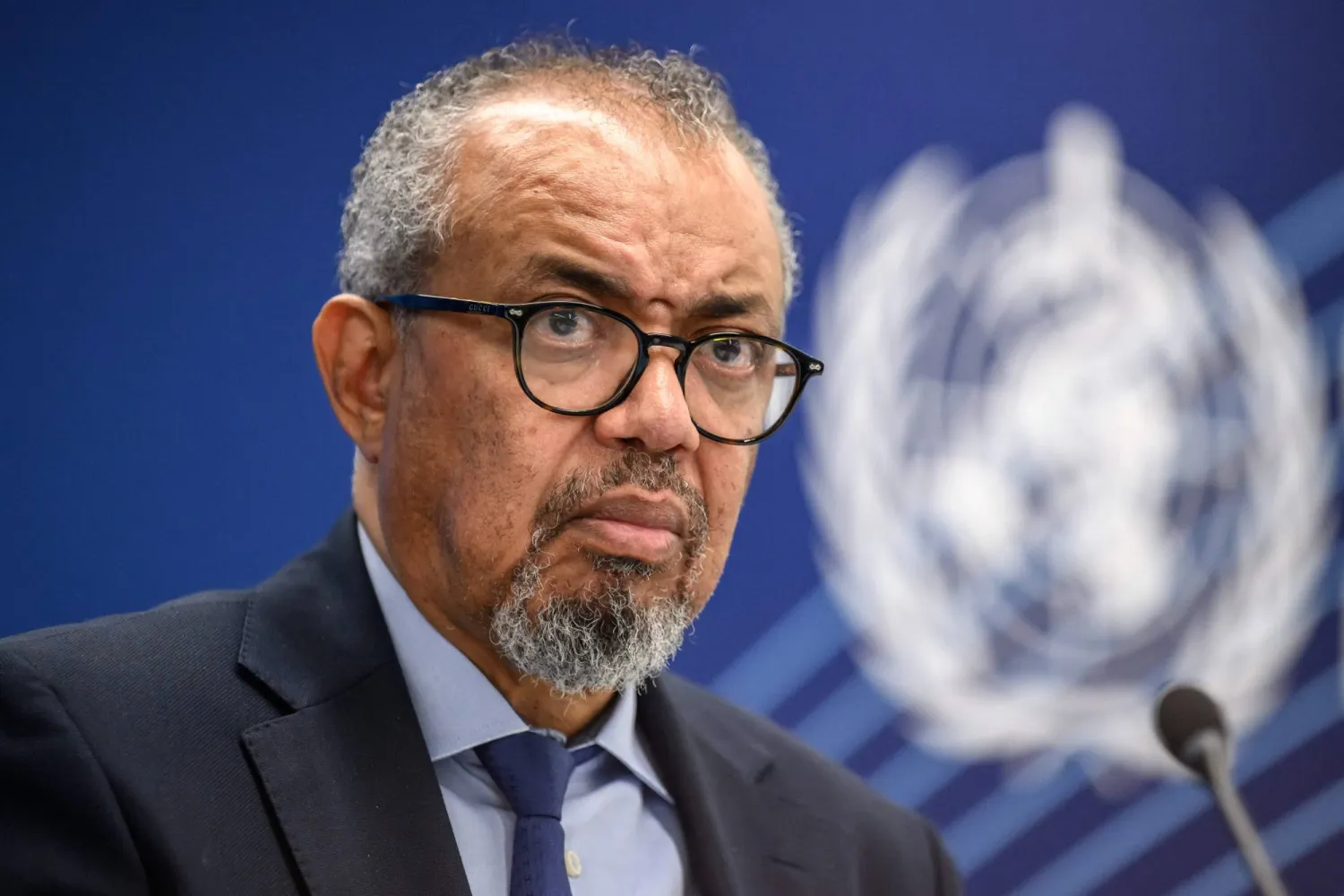
World Health Organization (WHO) Director-General Tedros Adhanom Ghebreyesus looks on during a press conference on global health issues, in Geneva, on October 7, 2026. (Photo by Fabrice COFFRINI / AFP)
TT

WHO Chief: Ebola Reminder of Urgent Need to Finish Pandemic Treaty

World Health Organization (WHO) Director-General Tedros Adhanom Ghebreyesus looks on during a press conference on global health issues, in Geneva, on October 7, 2026. (Photo by Fabrice COFFRINI / AFP)

Deadly outbreaks like the Ebola epidemic raging in the Democratic Republic of Congo show the urgent need to complete an international pandemic treaty, the World Health Organization chief said Monday.

Wealthy countries and developing nations remain at loggerheads over how an agreement, adopted last year as a framework to handle future Covid-like pandemics, will work in practice.

As the ninth meeting towards finalizing the deal opened in Geneva Monday, WHO chief Tedros Adhanom Ghebreyesus called on countries to "finish the job".

Pointing to several recent deadly disease outbreaks, he stressed that completing a pandemic treaty was "about protecting people".

"A pathogen threat anywhere can become a threat everywhere, to people of every country," he said, according to a written version of his statement.

"The outbreak of hantavirus earlier this year, and the ongoing Ebola epidemic in DRC remind us of this threat."

He was referring to the hantavirus outbreak that killed three people on a cruise ship in April and the latest Ebola outbreak, declared in May, which has killed nearly 5,000 people out of more than 10,000 infected mostly in the DRC.

It was vital, Tedros said, that the world learn the overarching lesson of the Covid-19 pandemic: "no country can protect itself from pandemics by acting alone".

When countries agreed in May 2025 to a Pandemic Agreement, they left out the tricky issue of how the key mechanism would operate to get the deal over the line.

The agreement's Pathogen Access and Benefit-Sharing (PABS) system covers how to share access to pathogens with pandemic potential, as well as benefits derived from them such as vaccines, tests and treatments.

"PABS is the last remaining piece of our puzzle," Tedros said.

During the Covid pandemic, he highlighted that "the world developed vaccines in record time, but too many countries were left waiting while others secured far more than they needed".

"That inequity cost lives, prolonged the pandemic and increased the risk of new variants emerging."

Completing the final piece of the pandemic treaty, he insisted, was "the key that will unlock the door to a safer future".


Russia Resumes Attacks on Ukraine's Kherson Region after Local Truce Ends

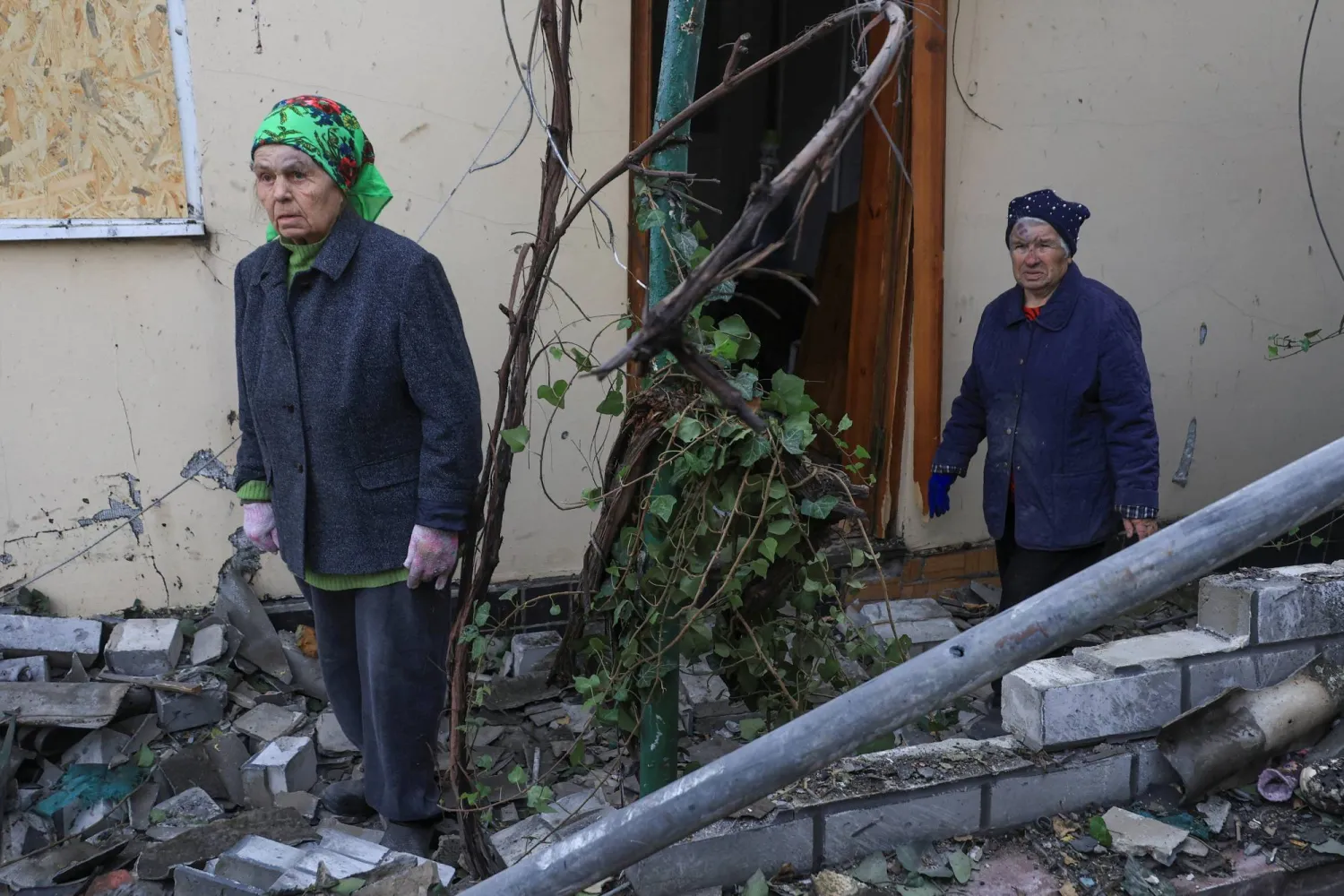
Women who are internally displaced persons from the Kherson region look on at the backyard of their house, which was damaged during a Russian drone strike, amid Russia's attack on Ukraine, in Odesa, Ukraine November 2, 2026. REUTERS/Nina Liashonok
TT

Russia Resumes Attacks on Ukraine's Kherson Region after Local Truce Ends

Women who are internally displaced persons from the Kherson region look on at the backyard of their house, which was damaged during a Russian drone strike, amid Russia's attack on Ukraine, in Odesa, Ukraine November 2, 2026. REUTERS/Nina Liashonok

Russia on Monday resumed attacks on Ukraine's Kherson region, after the end of a local ceasefire in the area, the longest truce in the war raging between the neighbors since 2022, Kyiv said.

A rare pause in fighting, brokered by US First Lady Melania Trump, ended on Sunday after starting on Tuesday. The ceasefire enabled a humanitarian mission to the Russian-occupied city of Oleshky and for hundreds of stranded citizens to leave, AFP said.

It was the longest pause in fighting between the neighbors in the war -- now in its fifth year -- which has killed hundreds of thousands and displaced millions.

"At around 8:00 am this morning, Russian occupiers attacked a car with a drone in the Korabelny city district" of Kherson, local authorities said in a statement, adding that a 62-year-old woman and 73-year-old man were wounded and hospitalized.

Russia refused a Ukrainian offer to extend the truce, a senior Ukrainian figure told AFP on Sunday.

Kherson's regional governor Oleksandr Prokudin had warned local people to be particularly vigilant when the ceasefire ended.

Ukraine's military alleged Russia used the pause in fighting to "fortify its positions".

Russian attacks also killed one person in Izium, a city in the country's north-eastern Kharkiv region, the local governor there said.

US-mediated talks between Russia and Ukraine are set to resume this month.

The Kremlin has repeatedly rejected calls for a wider ceasefire and said it intends to press on with its full-scale offensive to seize the rest of eastern Ukraine.


Iranians Have Left Doha Talks, Draft Proposal for US Deal Being Circulated, Official Says

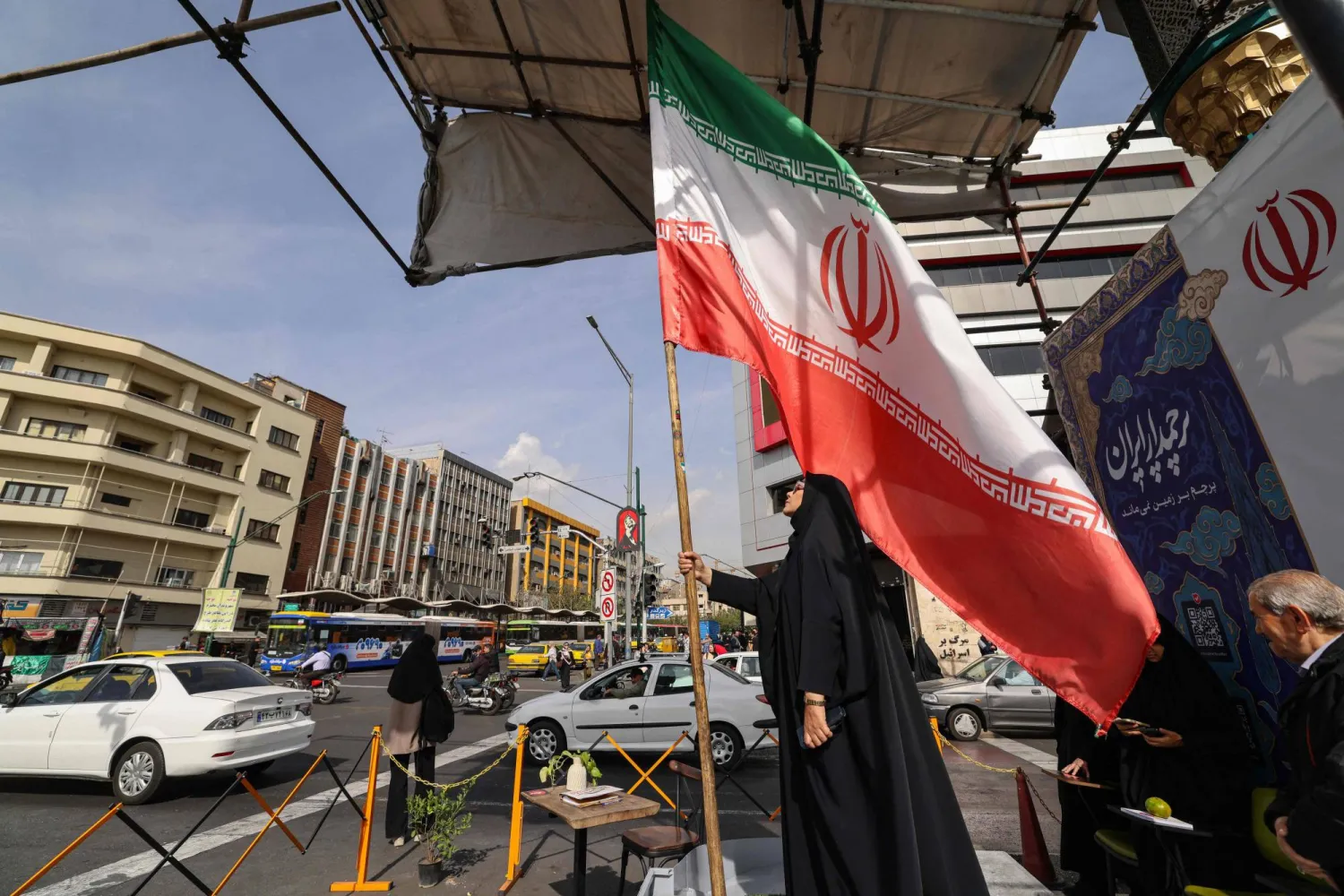
An Iranian woman holds Iran's national flag on a street in Tehran on November 1, 2026. (AFP)
TT

Iranians Have Left Doha Talks, Draft Proposal for US Deal Being Circulated, Official Says

An Iranian woman holds Iran's national flag on a street in Tehran on November 1, 2026. (AFP)

Iranian negotiators have left talks with Qatari mediators aimed at ending the war with the United States, and a draft proposal is being circulated with a follow-up meeting possible, an official briefed on the talks said on Monday.

The negotiators departed on Sunday, though not because of difficulties in the negotiations, the official said, without providing further details on the draft proposal.

Iran's foreign ministry spokesperson said the basis of the talks is a seven-step plan ‌Iran drew up ‌in September to reopen the Strait of ‌Hormuz ⁠and end the ⁠US naval blockade on Iran, with Tehran now suggesting that proposal could be implemented on a faster timeline under a deal.

The spokesperson, Esmaeil Baghaei, said deputy Foreign Minister Kazem Gharibabadi had been in Doha to facilitate the exchange of messages with Washington via Qatari intermediaries.

"Our demands have been ⁠articulated very clearly and transparently. These demands are ‌reasonable and logical: no final ‌agreement can be initiated, nor can the Strait of Hormuz be ‌reopened or secured, unless the US naval blockade ‌is brought to an end, Iran's demands are respected, and Iran’s legitimate requirements are addressed,” Baghaei said.

On Saturday, Qatari broadcaster Al Jazeera quoted Iran's Foreign Minister Abbas Araghchi as saying that under ‌a deal the Strait of Hormuz could be opened within a two-day timeline rather than within ⁠the seven ⁠days originally envisaged.

Iran's initial proposal was rejected by US President Donald Trump.

The latest round of diplomacy comes amid concerns that the conflict could escalate again after Tuesday's midterm elections in the United States. Asked about Tehran's view on the midterms, Baghaei said Tehran did not expect elections to "give birth to a new US."

Trump has said the United States would not launch new attacks on Iran before the vote and that talks with Tehran have been productive, though he has not ruled out further military action.