Diversified Oil Export Routes Pave the Way for Strong Saudi Economic Recovery in 2027

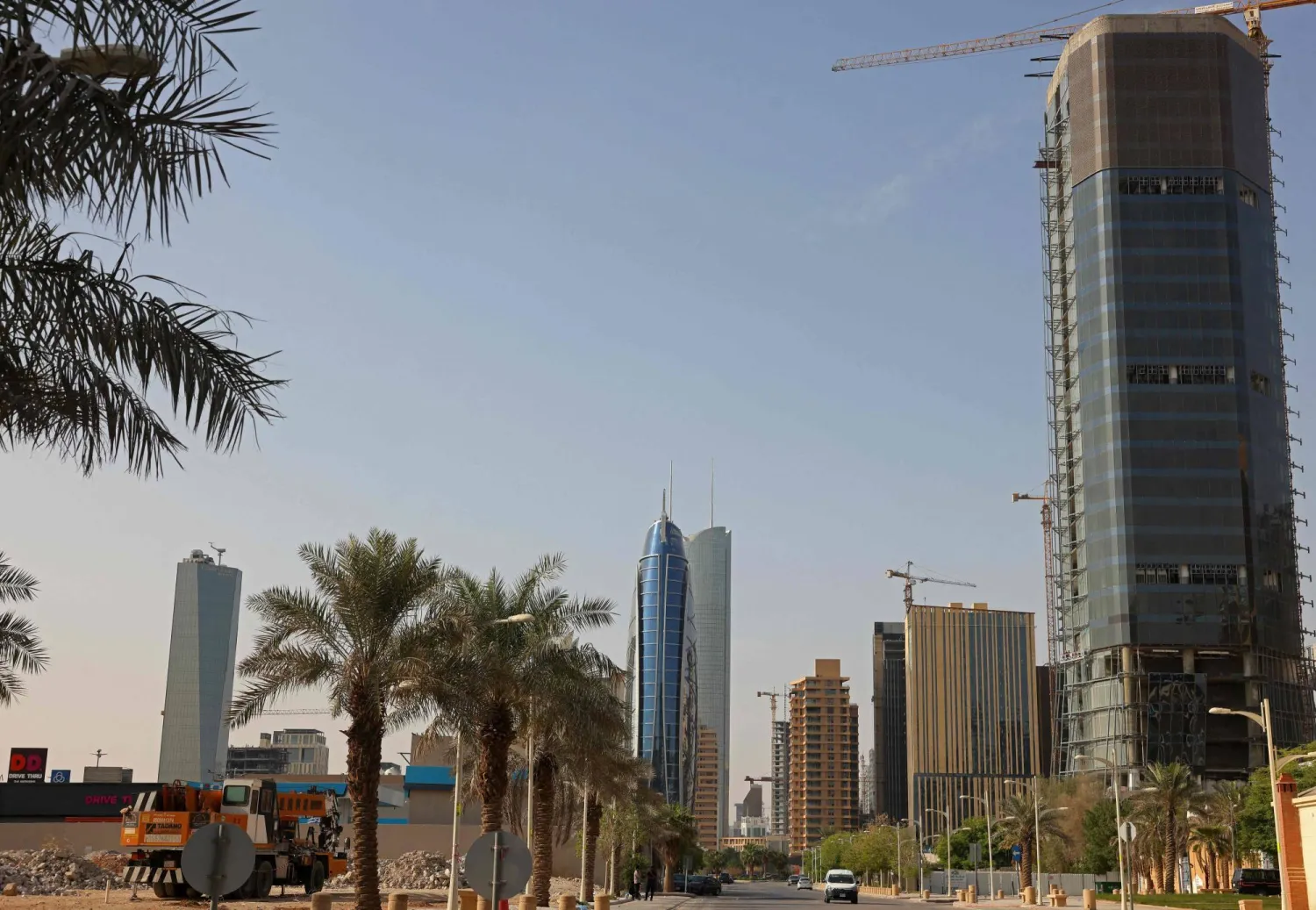
Cars drive past city skyscrapers in Riyadh on October 11, 2026. (Photo by Fayez Nureldine / AFP)
TT

Diversified Oil Export Routes Pave the Way for Strong Saudi Economic Recovery in 2027

Cars drive past city skyscrapers in Riyadh on October 11, 2026. (Photo by Fayez Nureldine / AFP)

As war reshapes energy flows across the region, the International Monetary Fund (IMF) is forecasting a strong recovery for Saudi Arabia's economy in 2027, with growth projected at 7.9 percent, driven by renewed momentum in production and exports as disruptions to shipping ease. Compared with Gulf economies more exposed to disruptions in transit through the Strait of Hormuz, this forecast rests on Saudi Arabia's diversified oil export routes, which help cushion the impact of the shock.

The IMF has also revised its outlook for the Saudi economy in 2026, projecting a smaller contraction than in its previous forecasts. The trajectory of the recovery will therefore depend on how long the disruptions persist and how quickly energy and trade flows return to normal.

The IMF's forecasts reflect both the scale of the shock facing regional economies and the recovery expected as its effects subside. In its World Economic Outlook report, titled Resilience Under Strain, Urgent Choices, the IMF projects that the economies of the Middle East and Central Asia will contract by 0.3 percent in 2026, followed by growth of 6.3 percent in 2027.

Compared with its April estimates, the IMF lowered its 2026 forecast by 2.2 percentage points while raising its 2027 projection by 1.7 percentage points. The revisions reflect an assumption that the Strait of Hormuz will remain closed longer than previously expected, intensifying pressure on regional economies this year but setting the stage for a stronger recovery once it reopens and production, exports and transportation resume.

Under this scenario, the IMF expects GDP to contract by 16.7 percent in Kuwait, 16 percent in Iraq, 15.6 percent in Qatar and 11.3 percent in Bahrain in 2026. In 2027, all four economies are projected to rebound sharply, with Iraq growing by 19 percent, Qatar by 18.8 percent, Kuwait by 17.1 percent and Bahrain by 13.9 percent, as production, exports and logistics return to normal operations.

Saudi Arabia's Economic Outlook

By contrast, the IMF expects the disruptions to have a relatively less severe impact on Saudi Arabia. It has revised its estimate for the Saudi economy's contraction in 2026 to 3.3 percent, compared with 5 percent in its July forecast and 6.4 percent in April. At the same time, it raised its forecast for Saudi economic growth in 2027 to 7.9 percent, up from 2.4 percent in its July update and 3.4 percent in April. The Ministry of Finance, meanwhile, expects stronger growth of 12.8 percent, according to its pre-budget statement. Although the estimates differ in magnitude, they reflect optimism about the recovery next year, amid hopes that production, exports and trade will regain momentum as shipping disruptions ease.

This outlook is consistent with World Bank projections. In its October report on the economic outlook for the Middle East, North Africa, Afghanistan and Pakistan, the bank anticipated a strong rebound in regional growth in 2027, forecasting expansion of 7.8 percent for the region's economies, excluding Iran, if the conflict subsides by the end of 2026. It attributed the recovery primarily to the resumption of hydrocarbon production and exports as trade routes reopen and energy flows gradually normalize. In Saudi Arabia, the bank noted that the East-West Pipeline had enabled exports to be rerouted to the Red Sea port of Yanbu, helping the Kingdom limit the impact of disrupted shipping through the Strait of Hormuz.

The IMF's projected contraction for the Saudi economy this year is smaller than the Ministry of Finance's estimate of a 3.6 percent decline in real GDP in 2026. The recovery outlook also aligns with the IMF's findings during its July Article IV consultations with Saudi Arabia, when it highlighted the economy's resilience to disruptions in oil and trade flows, supported by diversified energy and logistics infrastructure and the ability to reroute shipments.

Oil Export Routes

Against this backdrop, Saudi Arabia is benefiting from multiple oil export routes and working to strengthen its ability to deliver supplies to global markets through the Red Sea. Energy Minister and Minister of Industry and Mineral Resources Prince Abdulaziz bin Salman announced a target of increasing oil export capacity to approximately 10 million barrels per day within two to three years by upgrading the East-West Pipeline and expanding its associated infrastructure. He also pointed to the possibility of temporarily converting a gas pipeline to transport oil, adding approximately 1.2 million barrels per day of capacity within seven to eight weeks before returning it to its original use to meet summer demand.

These measures strengthen the Kingdom's ability to diversify its export outlets, while the IMF's 2027 forecasts assume that production, exports and trade will return to normal as shipping disruptions ease.

In this context, data from Kpler showed that Saudi crude oil exports rose to 6.67 million barrels per day in September, reaching their highest level in seven months and returning to prewar levels. This reflects renewed momentum in the Kingdom's oil flows, supported by increased exports through the Strait of Hormuz since September, alongside the benefits of diversified export outlets.

Alongside the anticipated recovery, credit rating agency Moody's had forecast that spending restraint and a reprioritization of government investments would support a fiscal recovery in 2027 and help the Kingdom preserve fiscal space to continue its economic diversification projects. The agency noted that prolonged trade disruptions and additional spending had limited the fiscal improvement it previously expected, while disruptions to strategic maritime shipping routes could persist until mid-2027, potentially affecting oil production.

As for economic indicators, the IMF expects inflation in Saudi Arabia to reach 1.9 percent in 2026 and rise to 2.2 percent in 2027. It also projects a current account deficit equivalent to 3.5 percent of GDP this year, narrowing to 1.3 percent next year.
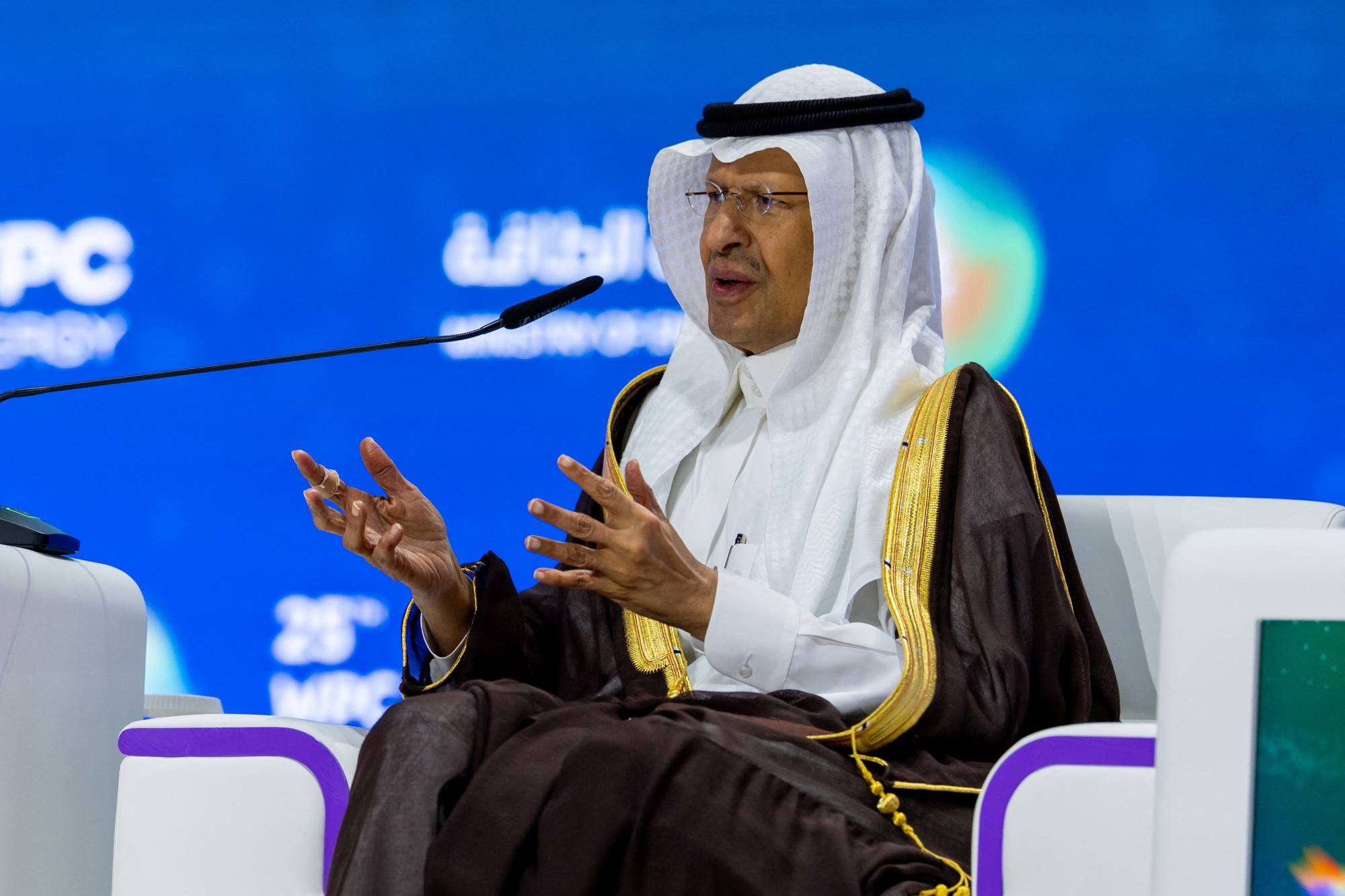
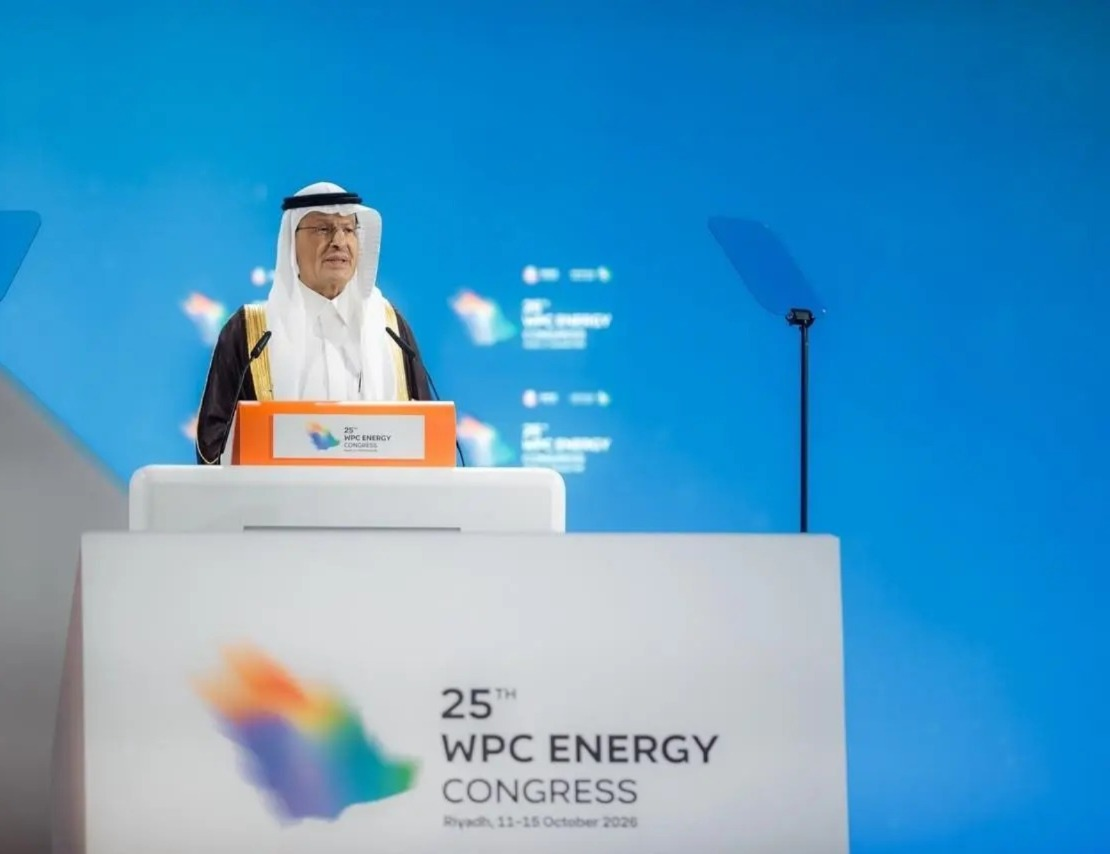
Saudi Minister of Energy Prince Abdulaziz bin Salman Al Saud speaks at the 25th WPC Energy Congress in Riyadh, Saudi Arabia, October 12, 2026. REUTERS

International Monetary and Financial Committee Meeting

These forecasts come as the repercussions of the war and its effects on growth, trade and energy flows dominate the agenda of the IMF and World Bank Group Annual Meetings, taking place in Bangkok from October 12 to 18.

Saudi Finance Minister Mohammed Al-Jadaan is leading the Kingdom's delegation to the meetings and chairing a meeting of the IMF's International Monetary and Financial Committee, which is discussing the global economic outlook, risks to growth, economic policy priorities and the Fund's role in helping member countries address current challenges. These discussions are particularly significant given the differing effects of the conflict on regional economies, from pressures caused by disruptions to production and trade to opportunities for recovery as energy flows and exports resume.
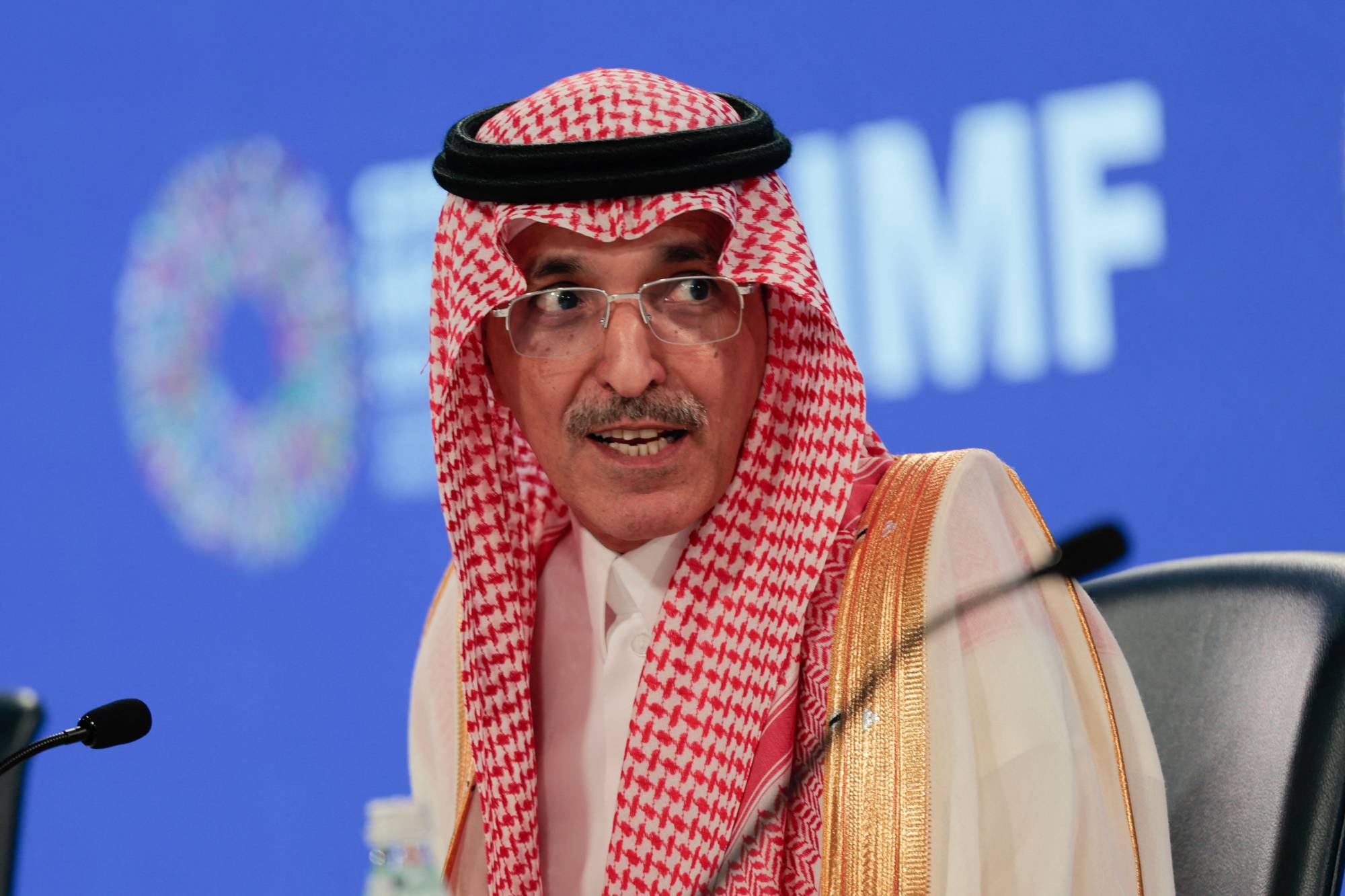
Saudi Arabia's Finance Minister Mohammed Al-Jadaan speaks during a press briefing following a meeting of the IMFC (International Monetary and Financial Committee) at the 2026 IMF and World Bank Group Spring Meetings in Washington, DC, on April 17, 2026. (Photo by Kent Nishimura / AFP)

Ultimately, the trajectory of Saudi Arabia's recovery in 2027 will remain tied to how quickly energy and trade flows are restored. Meanwhile, diversified export outlets and non-oil activities, together with the reprioritization of spending and investment, provide support for the economy's ability to overcome the repercussions of regional disruptions.
Bahrain Announces Investments and Partnerships in Industry, Technology, Tourism and Aviation

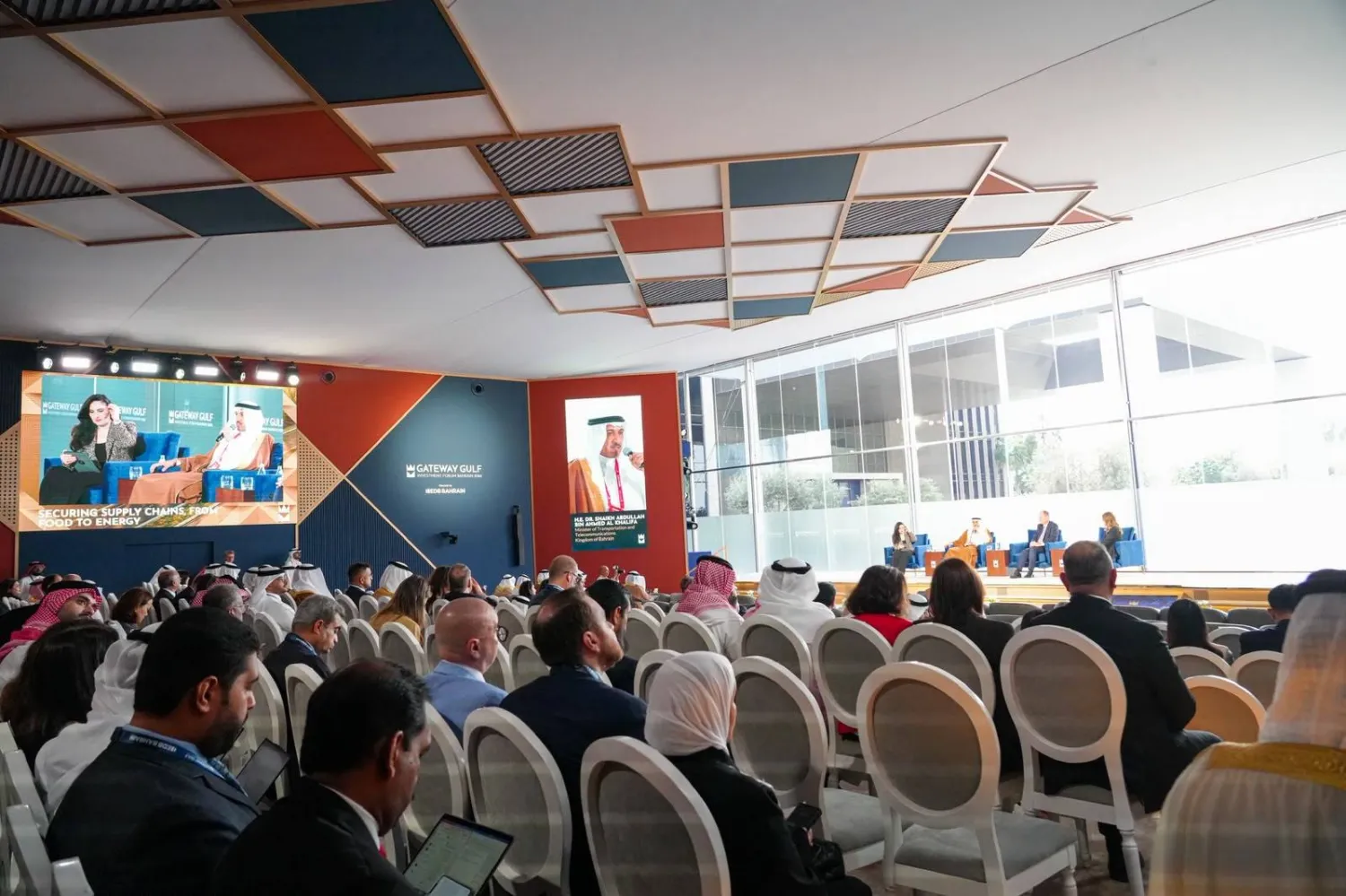
A scene from Gateway Gulf 2026, which concluded on Monday in the Bahraini capital, Manama (BNA)
TT

Bahrain Announces Investments and Partnerships in Industry, Technology, Tourism and Aviation

A scene from Gateway Gulf 2026, which concluded on Monday in the Bahraini capital, Manama (BNA)

Gateway Gulf 2026 saw the announcement of a series of investments, agreements and expansion projects across industry, technology, aviation, financial services, healthcare, tourism, education and real estate.

The announcements included plans to establish Bahrain's first electrical power transformer factory, open an office for global payments company Visa, launch a liquidity investment fund, and provide telecommunications services to Gulf Air Group, alongside healthcare and tourism projects expected to create more than 320 jobs.

The announcements came during the fourth edition of the forum, organized by the Bahrain Economic Development Board (Bahrain EDB) on November 1 and 2 under the theme "Redefining Global Partnerships and Driving Sustainable Growth," with the participation of investors, business leaders and policymakers.

Bahrain's First Power Transformer Factory

In the industrial sector, Amiri Industries launched its Amform project to establish Bahrain's first electrical power transformer manufacturing facility on a 23,000-square-meter site in the Hidd area.

The factory will produce medium-voltage distribution transformers to meet domestic demand and reduce reliance on imports, with plans to expand into Gulf Cooperation Council (GCC) markets at a later stage.

Technology and Aviation

In the technology sector, British company Lexness Technologies announced the launch of its operations in Bahrain, which will serve as a base for expansion into Gulf markets, focusing on artificial intelligence, automation, cybersecurity and digital transformation.

Global payments company Visa also announced plans to open an office in Bahrain in 2027 to strengthen its presence in the digital payments market and expand cooperation with financial institutions and businesses.

Batelco, part of Beyon Group, signed a five-year master services agreement with Gulf Air Group to provide telecommunications, networking, cloud services and satellite connectivity solutions as part of the group's digital transformation program.

The agreement includes connecting more than 1,000 employees across multiple locations and improving operational efficiency and customer communications.

Batelco also signed a two-year cooperation agreement with Bariq Al Retaj Real Estate Services to develop telecommunications solutions and smart home and building technologies.

Meanwhile, Beyon Connect signed a memorandum of understanding with Omani company PhazeRo to develop digital identity and electronic Know Your Customer (eKYC) solutions, beginning in Oman while exploring opportunities for expansion across the GCC.

Liquidity and Investment Fund

In financial services, ASB Capital, which manages $10.2 billion in assets, announced the launch of the Shariah-compliant ASB Liquidity Fund.

The fund will invest in short-term deposits, government and bank sukuk, and other eligible instruments across GCC and Middle East and North Africa markets, aiming to preserve capital, provide daily liquidity and manage volatility risks.

Healthcare and Tourism Projects

In the healthcare sector, Bahrain's Labour Fund, Tamkeen, signed an agreement with Mubadala Health Bahrain to establish a multidisciplinary medical facility developed through a partnership between M42 Group and Bahrain-based HealthVision.

The hospital will offer 20 medical specialties and create more than 200 jobs, alongside genetic testing services and AI-enabled precision medicine.

In tourism, Tamkeen signed an agreement to support more than 120 employment opportunities for Bahrainis at the Club Hawaii @ Bahrain Surf Park project, being developed by Edamah in collaboration with GFH Financial Group in the Bilaj Al Jazayer area.

Spanning more than 52,000 square meters, the project will feature a wave lagoon and tourism and entertainment facilities. It is expected to open this year and attract approximately 300,000 visitors annually.

British Investment in Education

In the education sector, Britain's Repton Schools Group announced plans to open a school in Bahrain for students aged three to 18.

The project will occupy a 32,000-square-meter site and offer the British curriculum, including International GCSE qualifications and A-Levels, becoming the 13th school in the group's network.

These projects reflect Bahrain's efforts to attract investment across diverse sectors, expand employment opportunities and strengthen the Bahraini economy's connections with Gulf and international markets.


Saudi Arabia Tightens IPO Rules, Requires Underwriters to Purchase All Offered Shares

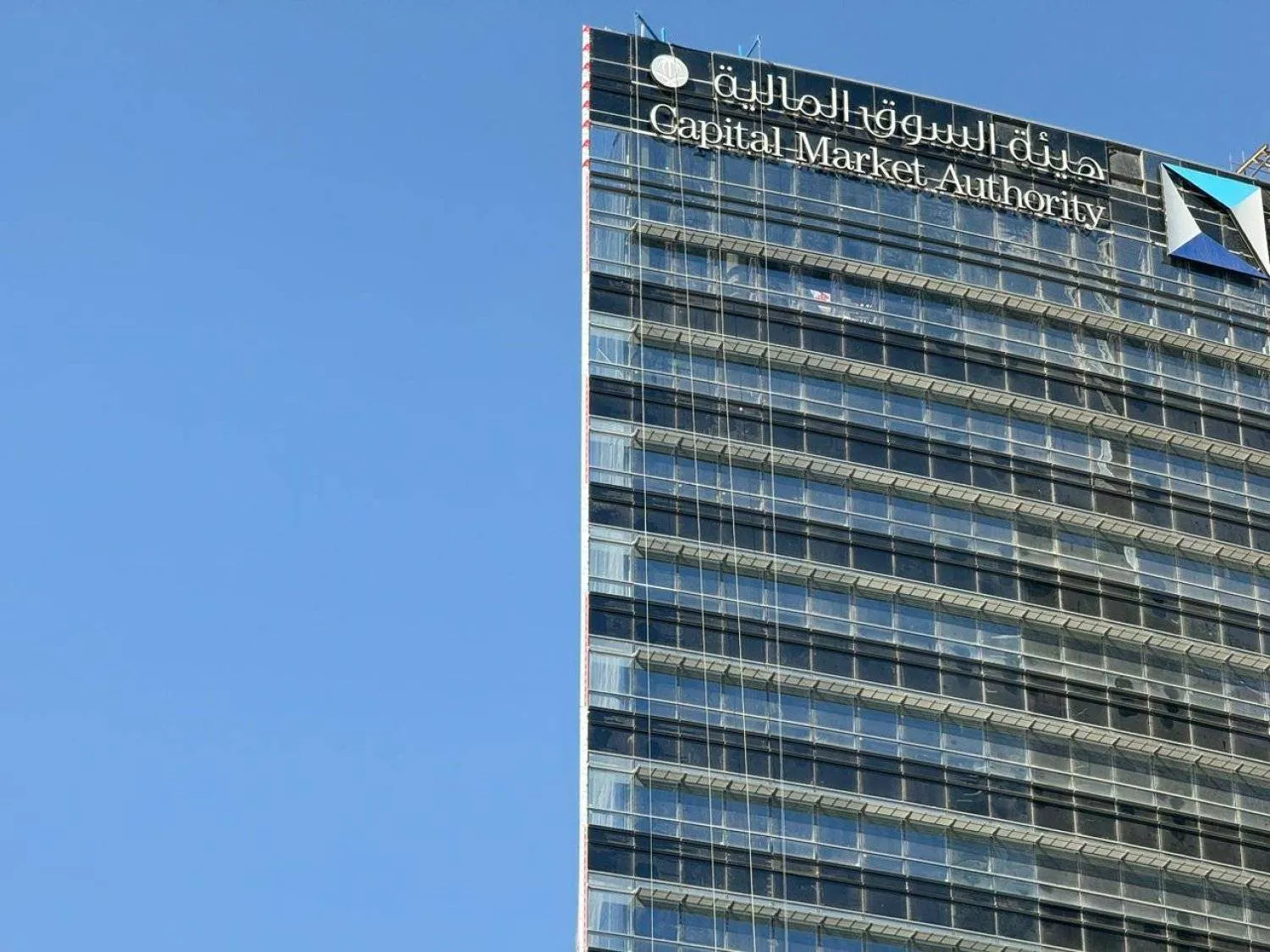
The Capital Market Authority building in Riyadh, Saudi Arabia (Asharq Al-Awsat)
TT

Saudi Arabia Tightens IPO Rules, Requires Underwriters to Purchase All Offered Shares

The Capital Market Authority building in Riyadh, Saudi Arabia (Asharq Al-Awsat)

Saudi Arabia's Capital Market Authority (CMA) has approved new regulatory provisions aimed at improving initial public offering (IPO) practices, tightening book-building requirements, strengthening underwriters' responsibilities and requiring companies to disclose forward-looking financial projections.

The measures are designed to improve the efficiency of IPOs and enhance the reliability of information available to investors.

Under the new provisions, underwriting agreements must be signed and become effective before the book-building process begins. Underwriters' commitment to purchase all shares offered must also take effect at the start of the process, reinforcing their responsibility to cover the offering even when investor demand is insufficient.

This means that an underwriter, typically an investment bank responsible for arranging and marketing an offering, will no longer be limited to managing the process and attracting investors. Instead, it will be obligated to purchase all shares offered in accordance with the underwriting agreement.

The CMA also clarified that if an underwriter's acquisition of the offered shares results in a breach of the listing requirements stipulated in the Listing Rules, the issuer's shares will not be listed. The underwriter will nevertheless remain obligated to purchase all offered shares, while the underwriting agreement may include a mechanism for disposing of those shares.

Measures to Prevent Inflated Subscription Orders

As part of the book-building process, the CMA introduced additional requirements to verify that orders submitted by participating investment institutions reflect their actual available liquidity, limiting financial solvency assessments to cash and cash equivalents.

The authority also stipulated that orders must constitute binding payment commitments, with payment due no later than the subscription payment deadline specified in the prospectus.

These requirements aim to curb orders that exceed investors' actual financial capacity. Large orders may indicate strong demand for an offering, but they do not necessarily reflect available liquidity or a genuine ability to pay.

The measures are expected to improve the credibility of reported subscription coverage levels by aligning them more closely with actual demand for the offered shares, supporting more efficient pricing and more accurate assessments of investor appetite.

Mandatory Disclosure of Financial Projections

The amendments also strengthen disclosure requirements by obligating issuers to include forward-looking financial projections in their prospectuses and registration documents.

These projections must include financial performance indicators covering the period following the most recently reported financial period and at least the subsequent fiscal year.

The CMA stipulated that projections must be clear, not misleading, and based on reasonable and measurable assumptions. Issuers must also disclose the methodology used to prepare them, along with material assumptions, risks and factors that could affect their realization.

These requirements will give investors insight into companies' expectations for future financial performance rather than requiring them to rely exclusively on historical results when evaluating whether to subscribe to an IPO.

The provisions also emphasize that forward-looking projections do not guarantee that the stated results will be achieved.

The CMA has further strengthened the responsibilities of financial advisers by requiring them to exercise appropriate professional due diligence when advising issuers on their financial projections and to form a reasonable opinion on those projections.

This is intended to increase professional scrutiny of information provided to investors.

Enhancing IPO Market Efficiency

The CMA published the draft regulatory provisions on September 22, 2026, through the Istitlaa public consultation platform and its website for a 30-calendar-day consultation period to gather feedback from the public and government entities.

The approved provisions will take effect on the date of their publication.


Aramco Confronts Repercussions of War with Emergency System as Markets Await Its Results

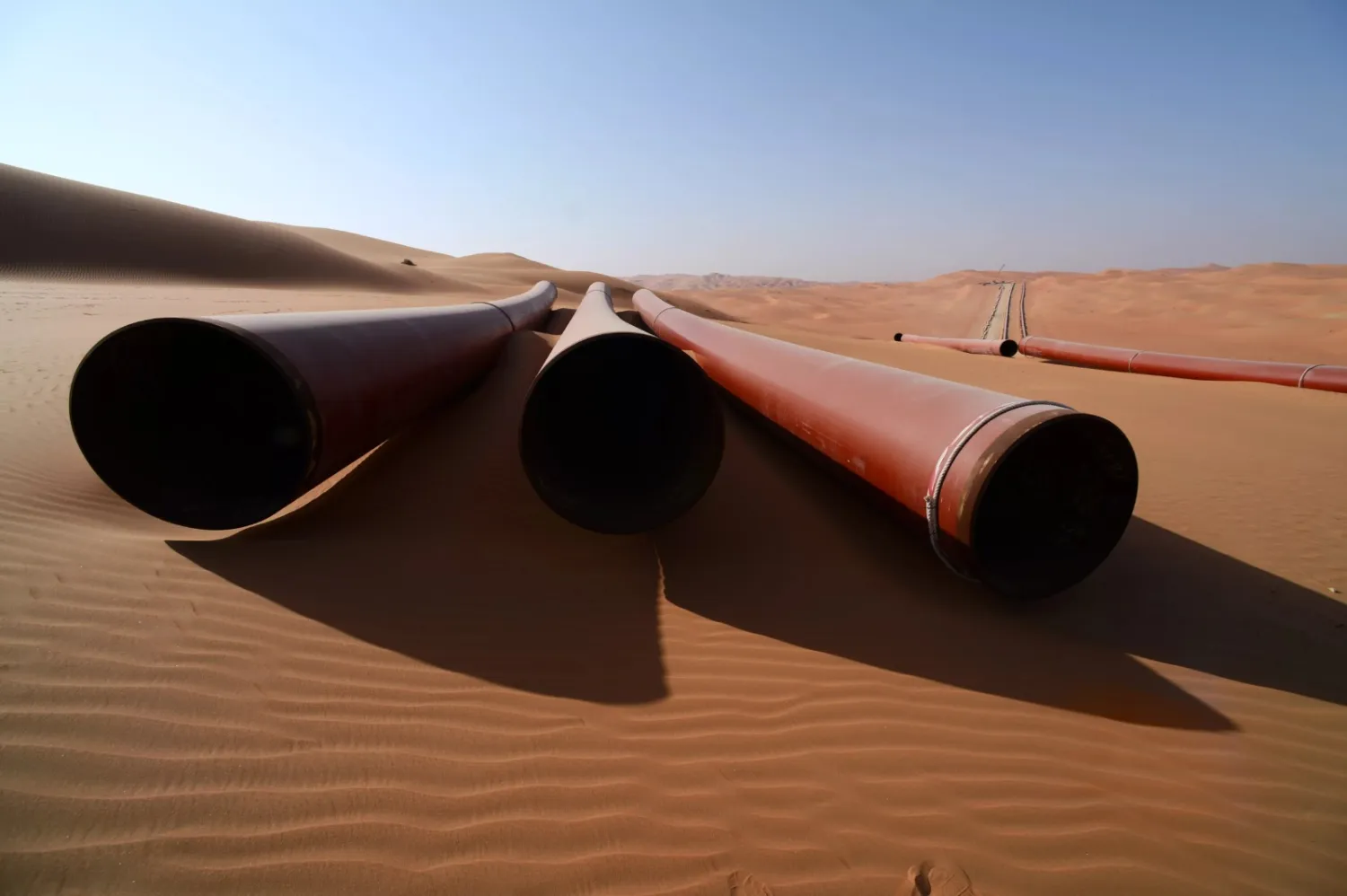
Pipelines in the Saudi desert. (Aramco)
TT

Aramco Confronts Repercussions of War with Emergency System as Markets Await Its Results

Pipelines in the Saudi desert. (Aramco)

As markets anticipate Saudi Aramco's announcement of its financial results for the third quarter of 2026 on Tuesday, the repercussions of the US–Israel war on Iran stand out as one of the most prominent factors testing the company's ability to maintain its operations and the flow of its supplies to global markets.

Despite attacks that struck oil facilities and disruptions to shipping traffic through the Strait of Hormuz since the outbreak of the war on February 28, the company continued to rely on a system of infrastructure and operational alternatives developed over decades. These measures included pipelines, alternative export outlets, and international inventories, alongside accelerating repairs to damaged facilities and sourcing maintenance requirements locally.

Chief among these alternatives is the East–West pipeline, which transports crude oil from the Eastern Region to the port of Yanbu on the Red Sea, bypassing the Strait of Hormuz and providing an export outlet when navigation through the strait is disrupted.

The importance of this route stems from advance planning to diversify export outlets. This was underscored by Saudi Minister of Energy Prince Abdulaziz bin Salman at the International Petroleum Conference in October 2026, when he stressed the need for providing alternatives before crises occur, pointing to the role of strategic infrastructure in boosting the security of energy supplies.

In parallel with these alternatives, Aramco bolstered its measures to manage attacks and disruptions by accelerating the repair of damaged facilities, securing maintenance materials and spare parts locally, and utilizing crude inventories both inside and outside the Kingdom. The company is also studying additional options to transport oil away from maritime corridors that are vulnerable to disruption.

Saudi Minister of Energy Prince Abdulaziz bin Salman at the International Petroleum Conference in October 2026. (SPA)

These measures take on particular significance in light of the repercussions of the war that broke out on February 28, which extended to oil facilities in the Gulf, coinciding with the disruption of shipping traffic through the Strait of Hormuz and escalating concerns over the continuity of supplies to global markets.

Aramco's facilities were among those targeted by the attacks. Two days after the outbreak of the war, the Ras Tanura refinery was targeted by two drones that were intercepted. Their debris caused a limited fire and minor damage, without affecting the supply of petroleum products to the domestic market.

In confronting these risks, the company focused on accelerating damage repair and restoring operations, while ensuring the continuous flow of oil to global markets.

Aramco's President and CEO Amin Nasser revealed aspects of these preparations in a Reuters interview published on October 15. The measures included utilizing drones to assess damage, securing repair materials, and deploying specialized teams to handle multiple incidents simultaneously.

Response teams and repair inventories

Aramco has bolstered its incident response capabilities and accelerated the repair of damaged facilities through an emergency system that includes specialized teams, inventories of repair materials and spare parts, and tools to assess damage and determine technical requirements.

Nasser explained that Aramco developed specialized rapid-response teams following the 2019 attacks targeting the Abqaiq oil processing facility, and has since worked to boost its readiness to handle incidents, including simultaneous ones.

According to Nasser, the company produces locally or maintains in its warehouses approximately 90 percent of the materials required for repairs, which reduces reliance on imports and speeds up the restoration of operations.

Nasser said Aramco's response speed is more than six times the industry average, allowing damaged facilities to resume operations within days in many cases.

The emergency system is not limited to facility repairs, but also encompasses business continuity plans, the utilization of domestic and international inventories, and multiple routes for transporting and exporting crude oil, which helps the company maintain supplies despite production and shipping disruptions.

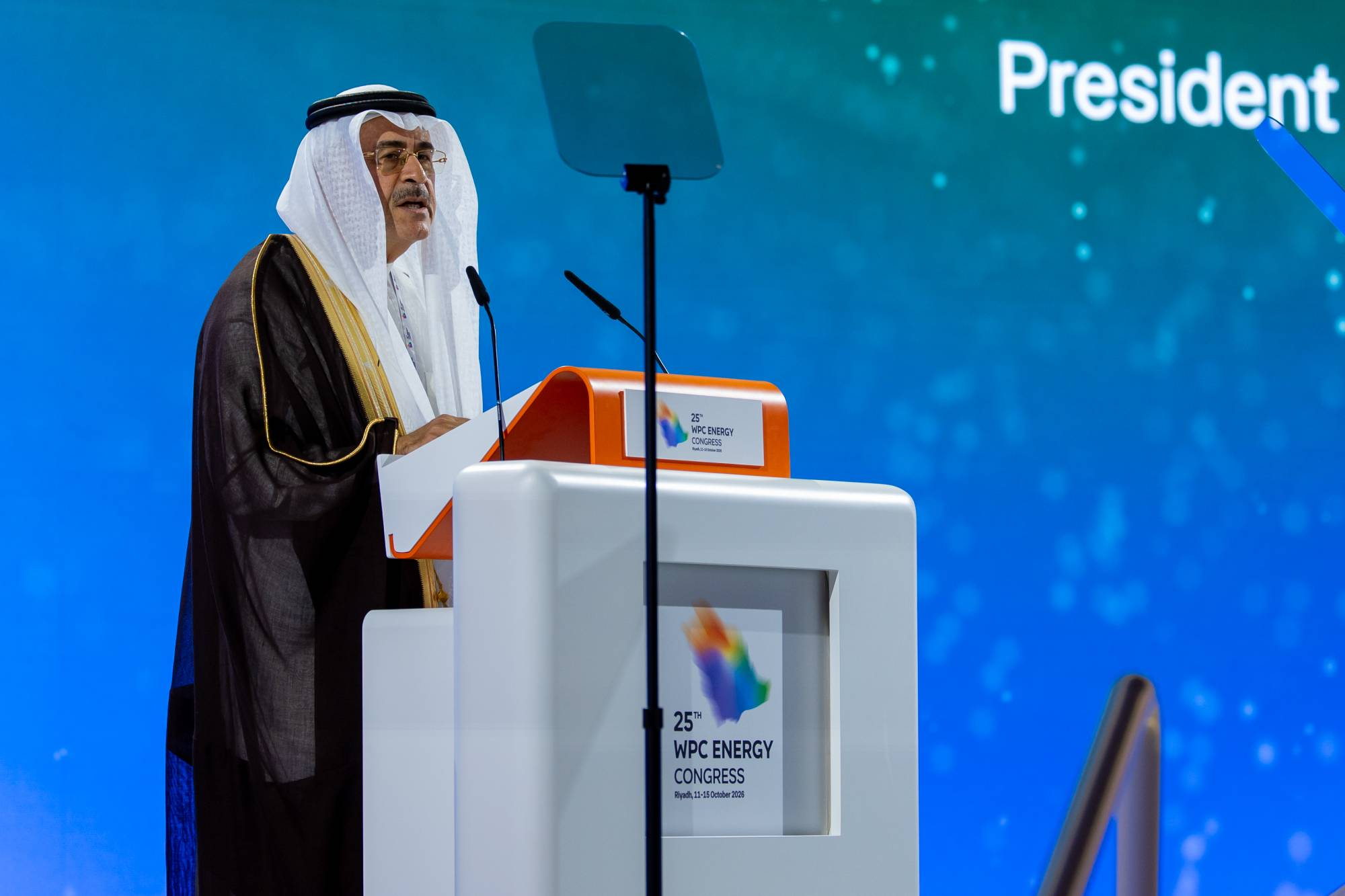
Aramco's President and CEO Amin Nasser at a petroleum conference in Riyadh. (Asharq Al-Awsat)

Restoring the capacity of the East–West Pipeline

With growing reliance on the East–West pipeline to bypass shipping disruptions through the Strait of Hormuz, its role has emerged as a primary corridor for transporting oil from the Eastern Region to the port of Yanbu on the Red Sea, and from there to global markets.

However, this route was not immune to the repercussions of the war; one of its pumping stations was attacked in April, which reduced flows by around 700,000 barrels per day. On April 12, the Ministry of Energy announced the restoration of the pipeline's full operational capacity, which stands at around seven million barrels per day.

The concept of establishing the pipeline dates back to the early 1980s during the Iraq–Iran War, when Saudi Arabia, under the directives of King Fahd bin Abdulaziz, decided to diversify its oil export outlets in anticipation of shipping disruptions in the Gulf. In 1995, its capacity was raised to around five million barrels per day, as reviewed by Energy Minister Prince Abdulaziz bin Salman during the International Petroleum Conference in October 2026.

Infrastructure readiness

On April 9, the Ministry of Energy announced that the targeting of a pumping station reduced pipeline flows by some 700,000 barrels per day, while subsequent attacks also impacted production at the Manifa and Khurais fields. Just three days later, the Ministry confirmed the restoration of full pumping capacity on the East-West pipeline and the recovery of affected production at the Manifa field, with work ongoing at the Khurais field.

In September, the pipeline was preemptively shut down to verify its safety following a new attack. On October 6, the Minister of Energy said operations had resumed within five to six days, with flows reaching around 5.8 million barrels per day, compared to its maximum capacity of seven million barrels per day.

These developments reflect the importance of rapidly repairing pumping stations and restoring operations at a time of increased reliance on export routes via the Red Sea to compensate for shipping disruptions in the Strait of Hormuz.

An integrated system

In its announcement of first-quarter results for 2026, Aramco said that it had activated business continuity plans to manage the repercussions of the war. The company utilized the East–West pipeline along with domestic and international storage capacities, in addition to leveraging the diversity of its assets and infrastructure.

In a speech delivered in London on October 5, Nasser stated that the company's resilience also relies on global strategic inventories, spare production capacity, multiple grades of crude, domestic gas inventories, and the Bahri tanker fleet. Facility preparations also encompass backup equipment and the segregation of critical utilities to limit the impact of disruptions.

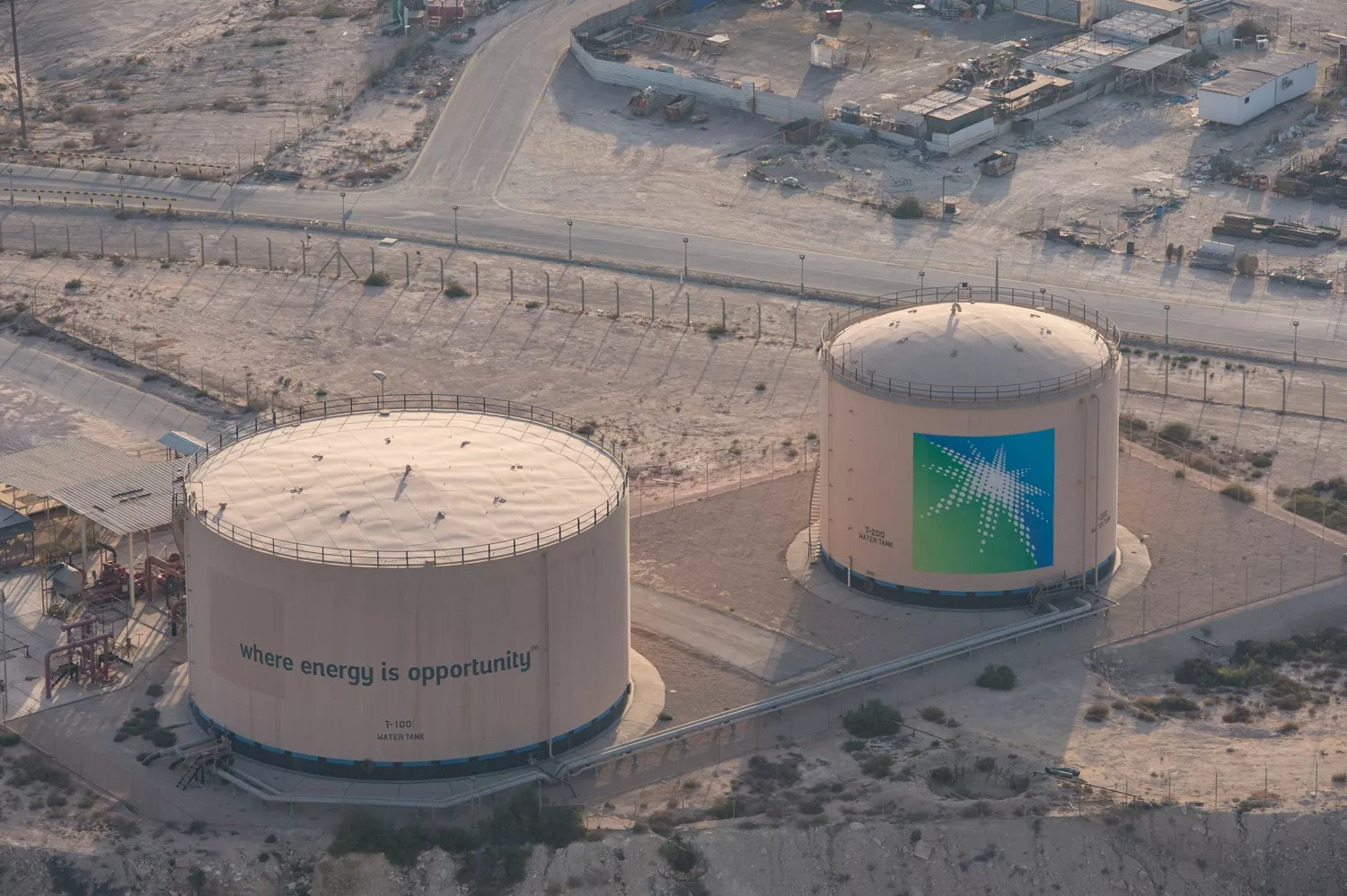
Storage facilities at Ras Tanura. (Aramco)

Additional export options

Alongside boosting the efficiency of existing infrastructure, Aramco is studying additional options to transport oil to global markets, aiming to reduce reliance on maritime corridors vulnerable to disruption.

Nasser stated that the company is exploring alternative routes without disclosing their details, explaining that they will be announced once a final decision is reached.

This coincides with a Saudi push to expand oil transport capacity through pipelines. In statements made in October, the Minister of Energy spoke of a target to increase the capacity of oil export pipeline routes to ten million barrels per day, as part of ongoing efforts to bolster supply security.

Diversifying crude transport options enables the rerouting of exports when certain pathways are disrupted and mitigates dependence on vital maritime checkpoints, while expanding the pipeline network introduces an additional layer of readiness to counter supply disruptions.

Overseas inventories

Supply management options during crises are not limited to altering transport routes. Storing crude oil outside the Kingdom allows volumes to be held close to consumer markets, providing greater flexibility in meeting customer needs when shipping lanes are disrupted or tanker arrivals are delayed. Saudi Aramco is actively seeking to expand these options, with its latest step coming via an initial understanding with Singapore.

On October 26, Saudi Arabia and Singapore announced an initial understanding to store Saudi crude oil in the Jurong Rock Caverns on Singapore's Jurong Island.

The facility is located underground at a depth of around 150 meters, with a total capacity of nearly nine million barrels of liquid hydrocarbons. The storage of Saudi crude oil at the facility is expected to begin during the second half of 2027.

Singapore is not the company's only international storage point, as Aramco maintains storage arrangements in Okinawa and Kiire in Japan, Ulsan in South Korea, Rotterdam in the Netherlands, and facilities linked to the Sumed pipeline system in Egypt. These strategic locations keep crude close to consumption centers and provide vital alternatives for meeting customer demand during shipping disruptions.