
Israel has escalated threats to expand its occupation of southern Lebanon, with Defense Minister Israel Katz warning that the Nabatieh and Litani areas could be added to what he called a permanent security zone if Hezbollah joins a possible confrontation between Israel and Iran.
The warnings have raised questions over which areas Israeli forces may seek to seize and whether they are preparing for a broader ground operation, as military activity continues and Israel moves closer to Knesset elections.
Katz had threatened to evacuate residents from broad areas of southern Lebanon as far as the Zahrani and Awali rivers, as well as Beirut’s southern suburbs. He said more than one million people could be displaced and that the Israeli military was ready to carry out a ground maneuver.
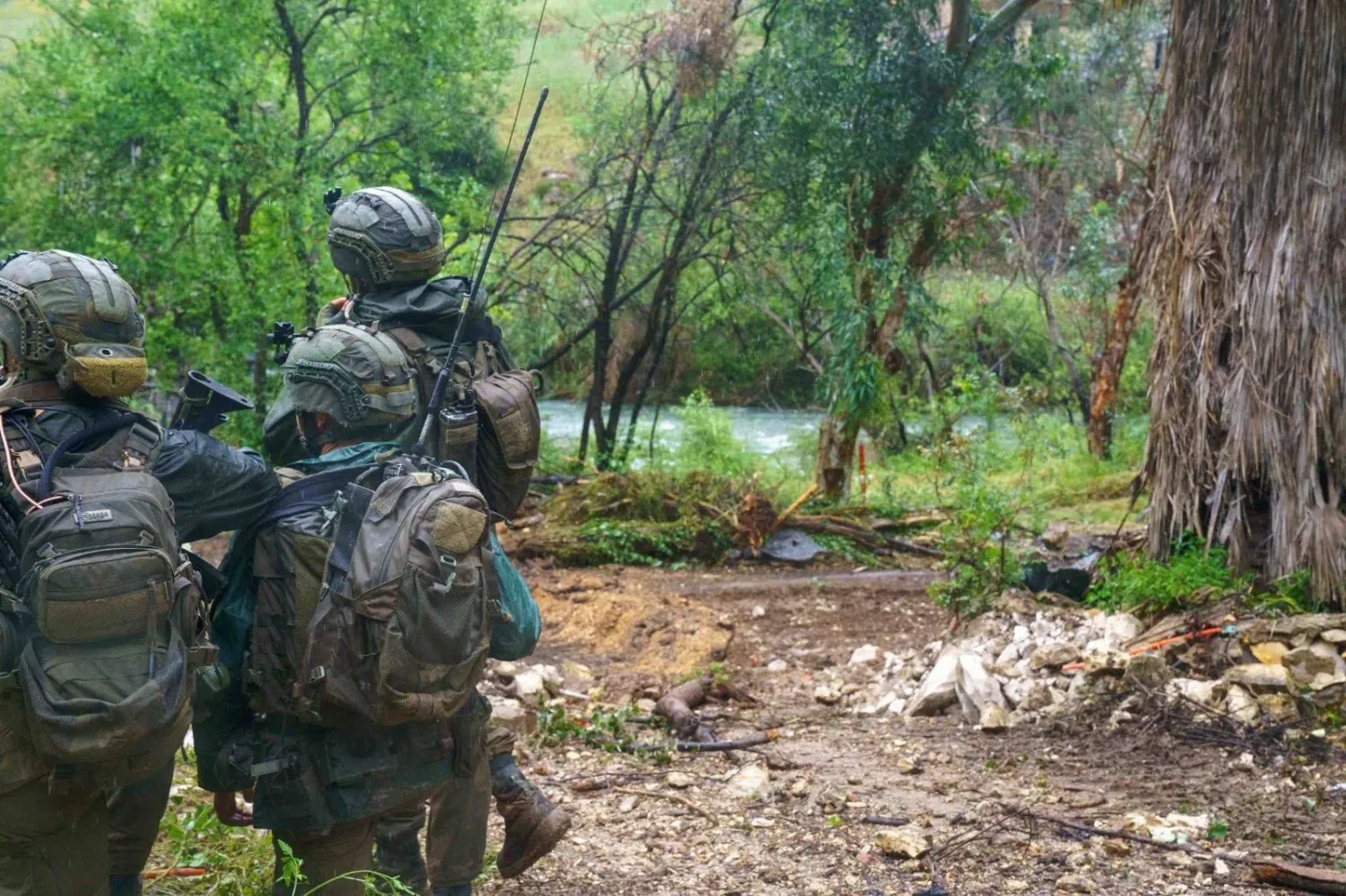
The threats come after Israeli forces expanded their deployment toward strategic high ground, including Beaufort Castle and Ali al-Taher near Nabatieh. Israeli strikes have also hit the Rihan, Sajd and Jabal al-Rafi heights, raising questions over whether Israel could seek wider control of elevated terrain and geographic corridors.
Israel seeks natural geographic barriers
Retired Brigadier General Fadi Daoud said Israel’s threats went beyond targeting Hezbollah and dismantling its military infrastructure, pointing to broader political and geographic aims.
“Military positions and ground operations, regardless of their size or depth, must serve the concept of a military maneuver on the ground, and that maneuver in turn serves a major political objective,” Daoud told Asharq Al-Awsat.
“The Israeli objective is not limited to striking Hezbollah positions and dismantling its military infrastructure. It goes beyond that to objectives linked to geography and control of territory.”
Daoud said Israeli movements in southern Lebanon should be viewed alongside developments in southern Syria, particularly in the Quneitra countryside and the Mount Hermon area, where he said the two tracks appeared interconnected within an Israeli approach centered on using geography to create security zones.
He said Israeli intentions should be read from developments on the ground rather than statements alone, adding that Israel had not yet reached the phase line it was seeking and that any military advance would unfold in stages, regardless of the distance involved.
“Any military action, even if the required advance is no more than 100 meters, is divided into stages, beginning with preparatory fire and securing the flanks, followed by launching the attack and consolidating positions,” he said.
Military phase lines, he added, are typically based on natural geographic barriers that allow attacking forces to consolidate their deployment and organize their defenses.
“What matters is not what Israel says, but what it does on the ground and the positions it is seeking to reach,” Daoud said.
“Israeli forces are seeking to stop at a clear geographic line. They cannot stop in the middle of an area without relying on a geographic barrier that allows them to consolidate their presence.”
Daoud said Israeli military ambitions could extend to the Awali River, north of Sidon. Reaching and controlling that line, he said, would push the security belt deep into Lebanese territory and affect all areas to its south, including Iqlim al-Tuffah and surrounding villages.
Escalation linked to Iran
Retired Brigadier General Naji Malaeb linked the Israeli threats to military preparations and the prospect of a confrontation with Iran as Israeli elections approach.
“Israeli Defense Minister Israel Katz’s talk of possibly reaching the Awali River means the threats are no longer confined to Nabatieh district or the Litani area, but now cover a broader geographical area extending to Sidon and its surroundings,” Malaeb told Asharq Al-Awsat.
He said the threats also extended beyond southern Lebanon to Beirut’s southern suburbs, reflecting a sharp escalation in Israeli rhetoric ahead of the elections.
Malaeb pointed to what he described as significant Israeli military activity on the ground. The Israeli military’s 282nd Artillery Brigade, he said, had completed extensive drills on countering drones used by Hezbollah and on evacuation operations during combat.
The brigade then moved directly to southern Lebanon, he said, giving Israel additional artillery forces alongside those already deployed and ready to act if orders are issued.
Malaeb said any expansion of Israeli military operations would depend less on specific locations than on Israel’s political and military decision-making and on the extent of Hezbollah’s involvement in any renewed confrontation between Israel and Iran.
He said several scenarios were possible, including Iran seeking to use the Israeli election period to launch attacks or influence the electoral process, or Israel moving to expand the war against Iran before or during the elections.
Malaeb said the prospect of a broader confrontation with Iran had been discussed between the United States and Israel, amid reservations expressed by Israeli Chief of Staff Eyal Zamir over the consequences of entering a conflict that could have difficult repercussions for Israel, particularly if it was not militarily prepared and with elections approaching.
On Hezbollah’s preparations, Malaeb said the seizure by Lebanese security forces of one truck loaded with explosives and linked to the group did not necessarily mean it was the only one to have crossed, as others could have passed without being intercepted.
That, he said, raised the possibility that Hezbollah was preparing for military action if a new regional confrontation erupted.
“The main question today is not which positions Israel may seek to control, but whether the political and military decision to expand the operations will be taken,” he said.
Developments on the ground
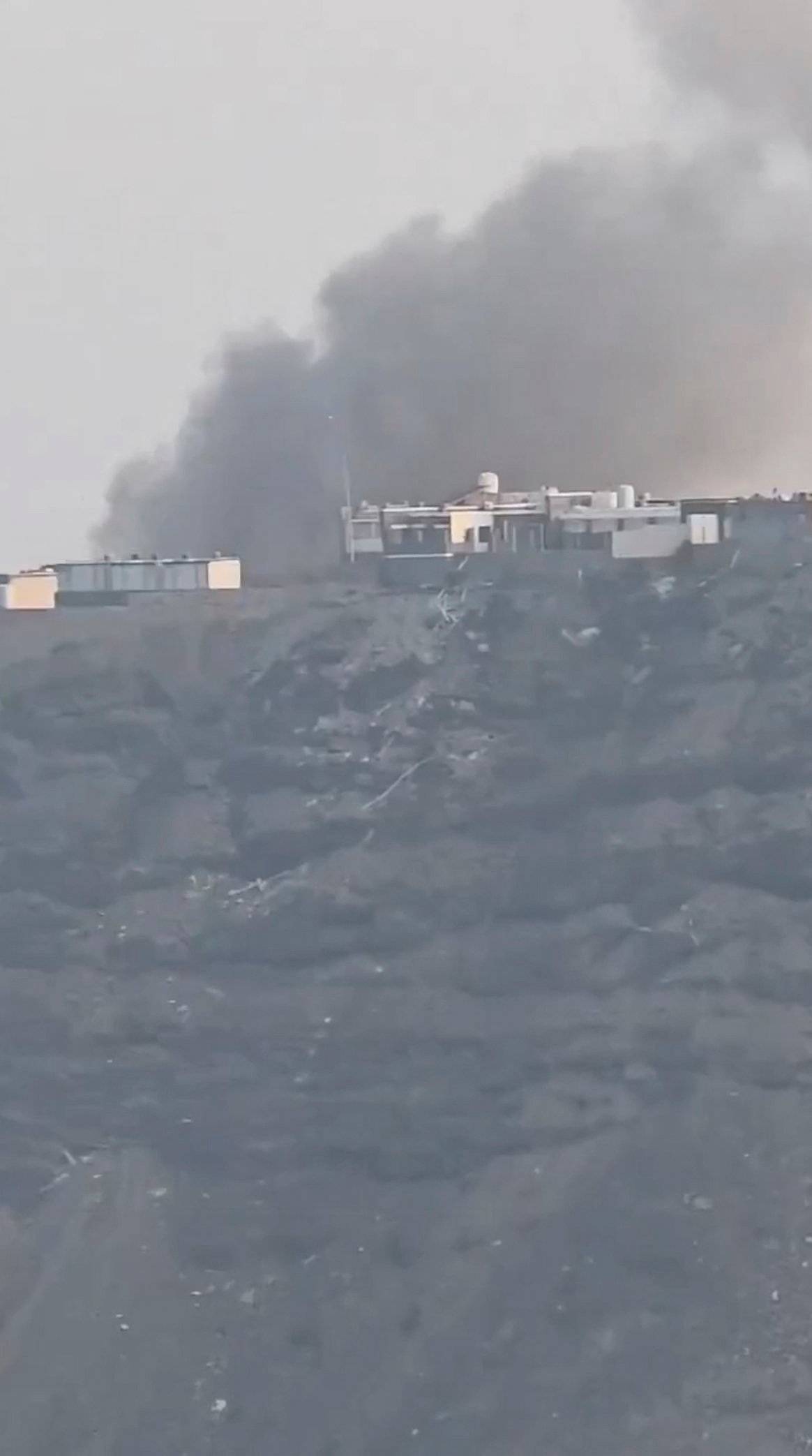
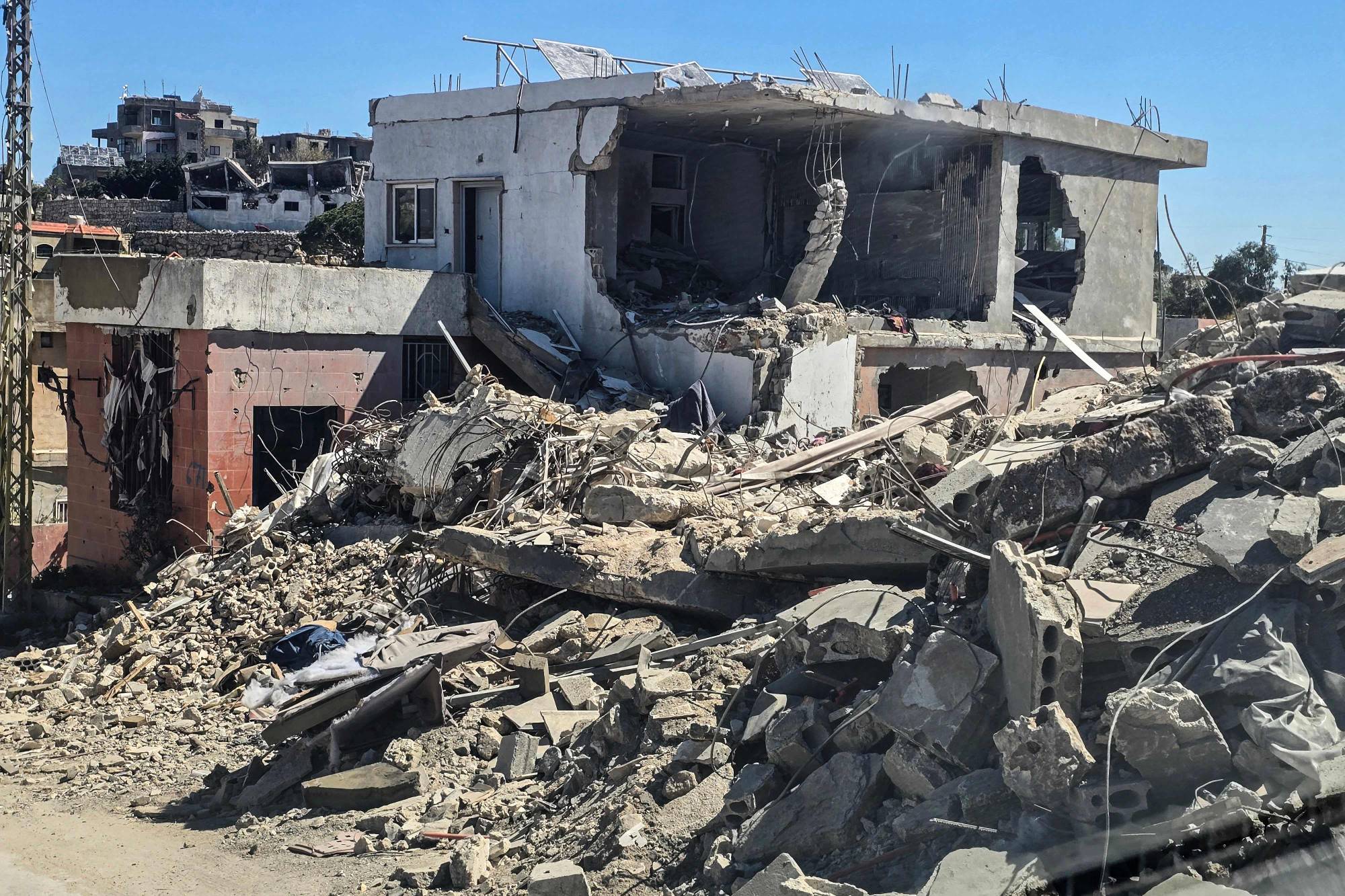
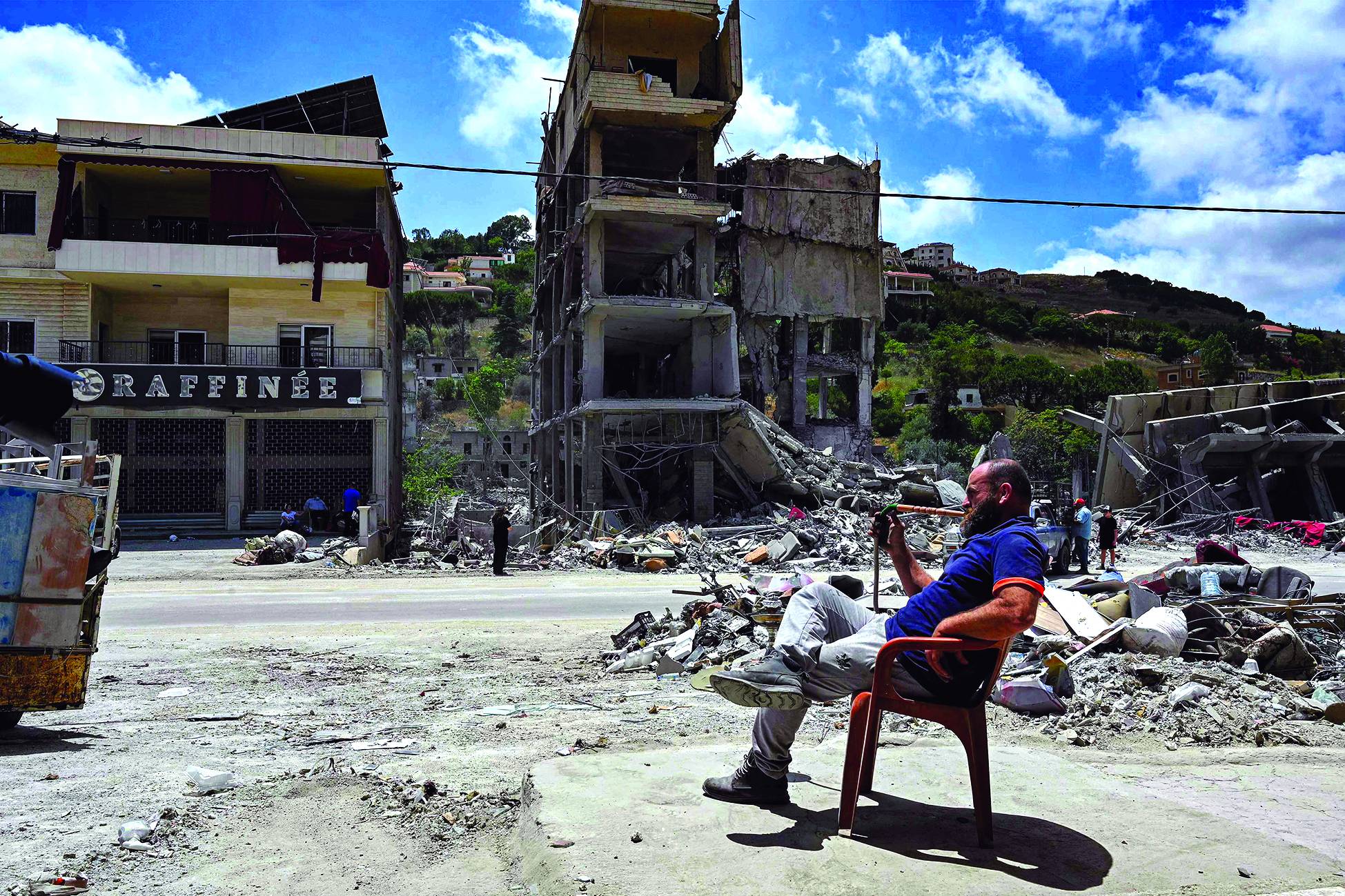
Israeli warplanes on Friday carried out a heavy strike on Kfar Tibnit in Nabatieh district, as air and artillery attacks intensified in the districts of Tyre and Bint Jbeil.
The attacks included three strikes on Mansouri and a fourth on Wadi Zibqin. Artillery fire hit Baraachit and Haddatha, the outskirts of Haris, areas around Zibqin and Shaqra, and later Mansouri and Majdal Zoun before dawn.
Warplanes also carried out simulated air raids over Tyre and nearby villages and dropped illumination flares over Mansouri and Bayt al-Sayyad.
Lebanon’s Health Ministry said two people, including a four-year-old child, were wounded in a strike on Haddatha.
In Kfar Shouba, an Israeli force prevented Lebanese farmers from entering the areas of Azrael and Bastara to harvest olives, as residents of border villages continued to face difficulties reaching their farmland.