


GCC Secretary-General: GCC-UK Relations Built on Cooperation, and Shared Interests

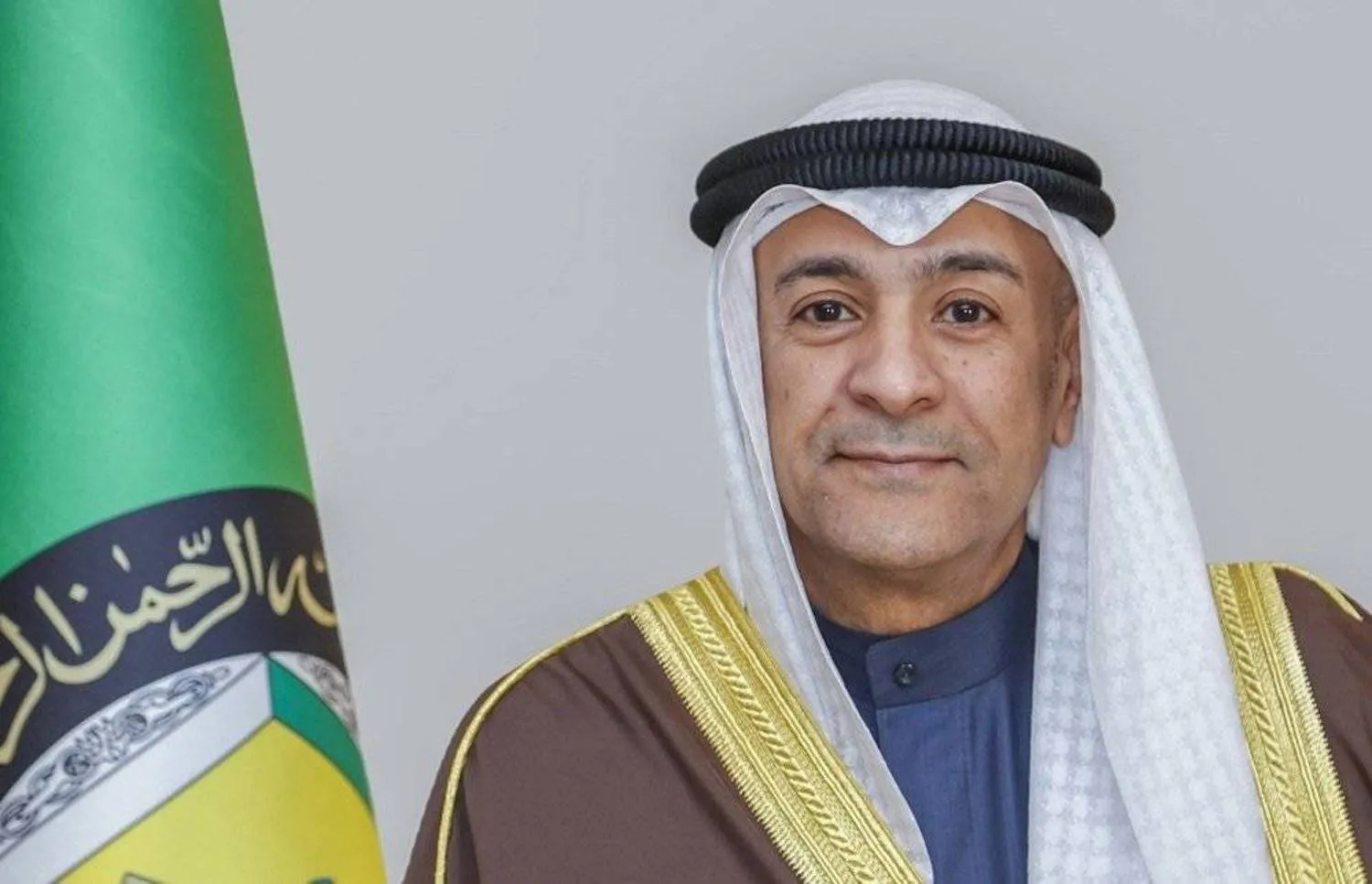
Secretary-General of the Gulf Cooperation Council (GCC) Jasem Albudaiwi. SPA
TT

GCC Secretary-General: GCC-UK Relations Built on Cooperation, and Shared Interests

Secretary-General of the Gulf Cooperation Council (GCC) Jasem Albudaiwi. SPA

Secretary-General of the Gulf Cooperation Council (GCC) Jasem Albudaiwi stated that relations between the GCC states and the United Kingdom (UK) are founded on a long history of cooperation, trust, and shared interests, which has contributed to exploring and establishing a distinguished economic and trade partnership between the two sides.

His remarks came during his opening speech at the GCC-UK Strategic Dialogue, on Tuesday in the British capital, London, in the presence of several ministers from both sides, alongside numerous officials, business leaders, and investors, SPA reported.

During his speech, the secretary-general stated that the foundations of the economic partnership between the two sides bring together the ambitious development visions of the GCC states and the UK’s extensive expertise across a wide range of vital sectors. He noted the importance of strengthening cooperation amid global economic transformations, geopolitical developments, and the challenges confronting trade, investment, and supply chains.

In the same context, he added that the member states continue to advance towards achieving important goals in economic integration, diversifying productive bases, improving business environments, and empowering the private sector, pointing out that the combined gross domestic product (GDP) of the GCC states reached approximately $2.4 trillion, placing them collectively among the world’s 10 largest economies; and the total foreign trade of the GCC states exceeded $1.8 trillion, ranking them collectively fifth globally.

Furthermore, he highlighted efforts to strengthen cybersecurity and the digital economy. This transformation, he explained, supports economic growth and enhanced global competitiveness for the GCC states.

Moreover, he indicated that the total trade volume between the GCC states and the UK reached approximately $70 billion in 2025, making the GCC states collectively the UK’s 10th-largest trading partner; and the total value of investment assets and liabilities between the UK and the GCC reached approximately $643 billion in 2024, reflecting the depth of economic and investment ties between both sides.

Building on this, he stated that the conclusion of negotiations on the GCC-UK Free Trade Agreement (FTA) represents a strategic step towards expanding trade, encouraging investment, and creating new opportunities for the private sector.

He noted that the conclusion of the FTA negotiations is the fruit of sustained joint efforts and intensive negotiations. He expressed his sincere appreciation to the negotiating teams from both sides, and to all the institutions that contributed to this achievement.

According to SPA, he highlighted that this agreement provides for the elimination of customs duties on more than 99% of GCC exports to the UK, which will open broader horizons for increasing non-oil exports, particularly in the aluminum, fertilizer, and manufacturing sectors. He added that the agreement also provides opportunities for logistics and re-exports, while enabling small and medium-sized enterprises to expand their operations and increase their access to the British market.

He further underlined the importance of the FTA, noting that its benefits extend beyond trade to lay a more robust foundation for long-term economic and investment partnerships. These partnerships cover, in particular, advanced manufacturing, the digital economy and artificial intelligence, clean energy, financial services, education, food security, and logistics. He stressed that these sectors support joint investment, technology and knowledge transfer, and building stronger productive capacities.



Coalition Steps Up Strikes to Weaken Houthi Military Capabilities

Smoke rises after an airstrike hit a Houthi position in Sanaa. (EPA)
TT

Coalition Steps Up Strikes to Weaken Houthi Military Capabilities

Smoke rises after an airstrike hit a Houthi position in Sanaa. (EPA)

The Coalition to Restore Legitimacy in Yemen has intensified strikes against Houthi military capabilities across Sanaa, Hodeidah, Saada, Taiz and Lahj, while intercepting drones launched by the group toward Riyadh and southern Saudi Arabia.

The escalation comes as Yemeni government forces press ahead with military operations on the Marib, Al-Jawf, Taiz and Lahj fronts.

The latest strikes came a day after the coalition announced a military operation that destroyed 50 Houthi military targets across Sanaa, Hodeidah and Saada provinces, according to coalition spokesman Major General Turki al-Maliki.

On Friday, Maliki announced the interception and destruction of a Houthi drone launched toward the Riyadh region and the interception of another targeting southern Saudi Arabia.

The interceptions come amid continued cross-border Houthi attacks and airstrikes aimed at degrading the group's military and logistical capabilities, including sources of missile and drone threats.

Local sources said the strikes hit Houthi positions and military targets in Saada, the group's main stronghold, as well as Hodeidah, Taiz, Lahj and Sanaa.

On the ground, the Yemeni armed forces carried out hundreds of operations in recent hours, using airstrikes, artillery, drones and rocket launchers to neutralize dozens of Houthi fighters and destroy dozens of combat vehicles.

The armed forces said troops backed by the Popular Resistance were pressing ahead with Operation Dawn of Yemen and countering Houthi infiltration attempts across multiple fronts.

Fighting and military operations continued in northern and western Marib, Al-Jawf, Taiz, Lahj, Shabwa and Midi in Hajjah province, the military said.

Mounting civilian toll

In Taiz, the provincial Office of Siege Affairs said Houthi shelling and sniper fire had killed or wounded 203 women and girls between Aug. 10 and Nov. 17, underscoring the continuing civilian toll of fighting and the siege imposed on the province.

In a statement marking the 16 Days of Activism Against Gender-Based Violence campaign, the office said 42 women and girls had been killed and 161 wounded, including children and elderly women. Tens of thousands of women have also been displaced.

The office said the figures laid bare the dangers women and girls face from direct shelling, sniper fire and killings, urging the international community to take notice of violations against civilians in the province.

The Yemeni army accused the Houthis of continuing to target civilians and civilian objects, particularly in Taiz and Shabwa, saying the shelling had killed and wounded civilians and damaged their property.

Heightened combat readiness

Taiz's security committee met under Governor Nabil Shamsan to review military and security developments, strengthen coordination between the military and security services, and bolster readiness to confront the Houthis.

Shamsan called for maximum combat readiness and the mobilization of resources to support frontline troops as the siege of Taiz city continued and Houthi shelling of residential neighborhoods intensified, according to local authorities.

Major General Khaled Fadel, commander of the Taiz Military Axis, reviewed the combat readiness of military units and brigades, efforts to sustain troop morale and challenges facing field operations.

Taiz police chief Brigadier General Mansour al-Akhali said security inside the besieged city remained stable, citing intensified surveillance and investigations, heightened vigilance and efforts to pursue criminal cases.


Makkah Alliance Nations Condemn Houthi Attacks, Vow Cooperation

Motorists ride past the national flags of Saudi Arabia, Pakistan, and Türkiye installed near the venue of a meeting between the three countries in Islamabad on November 27, 2026. (AFP)
TT

Makkah Alliance Nations Condemn Houthi Attacks, Vow Cooperation

Motorists ride past the national flags of Saudi Arabia, Pakistan, and Türkiye installed near the venue of a meeting between the three countries in Islamabad on November 27, 2026. (AFP)

The Makkah Alliance for Defense strongly condemned on Friday the “persistent and heinous attacks by the Houthis militia targeting civilians and civilian infrastructure in Saudi Arabia.”

It reaffirmed their collective resolve to continue exerting and accelerating efforts to support the Kingdom in safeguarding its security, in accordance with the collective defense provisions of the Agreement.

Alliance members - Saudi Arabia, Pakistan, and Türkiye - convened in Islamabad the Second Meeting of the Strategic Political and Defense Committee (S-PDC) of the Makkah Alliance for Defense.

The Committee reviewed the evolving regional security situation and “reaffirmed the determination of the three countries to continue working collectively towards regional peace, security and stability.”

The parties reiterated their commitment “to the principles and objectives of the Makkah Joint Defense Agreement, including collective defense, mutual solidarity, and respect for the sovereignty and territorial integrity of each party.”

The Committee recalled the outcomes of its inaugural meeting in Istanbul on August 31, and the emergency meeting held in Riyadh on October 5. It reviewed progress in implementing the decisions taken at these meetings, particularly those relating to the institutionalization of the Alliance and the practical implementation of collective defense commitments, in line with their national legislation.

The Committee “praised the pace of progress towards the establishment and operationalization of the Secretariat in Saudi Arabia and underscored its importance in supporting the institutional work and effective coordination of the Alliance.”

The Committee reviewed the outcomes of ongoing political and military consultations and “agreed to continue consultations aimed at enhancing cooperation and coordination on matters of mutual interest, supporting efforts towards de-escalation of regional tensions, and encouraging the peaceful resolution of disputes through dialogue and diplomacy.”

The Parties reaffirmed their commitment “to strengthening cooperation in defense industries, joint technological development, training and capacity-building, with a view to enhancing the collective capabilities and cohesion of their armed forces, in order to address mutual security concerns and contribute to peace and security in the region.”


Kuwait Says Summoned Iran Ambassador Over 'Continued Iranian Attacks'

Vehicles move during heavy traffic at a main highway in Kuwait City on November 2, 2026. (AFP)
TT

Kuwait Says Summoned Iran Ambassador Over 'Continued Iranian Attacks'

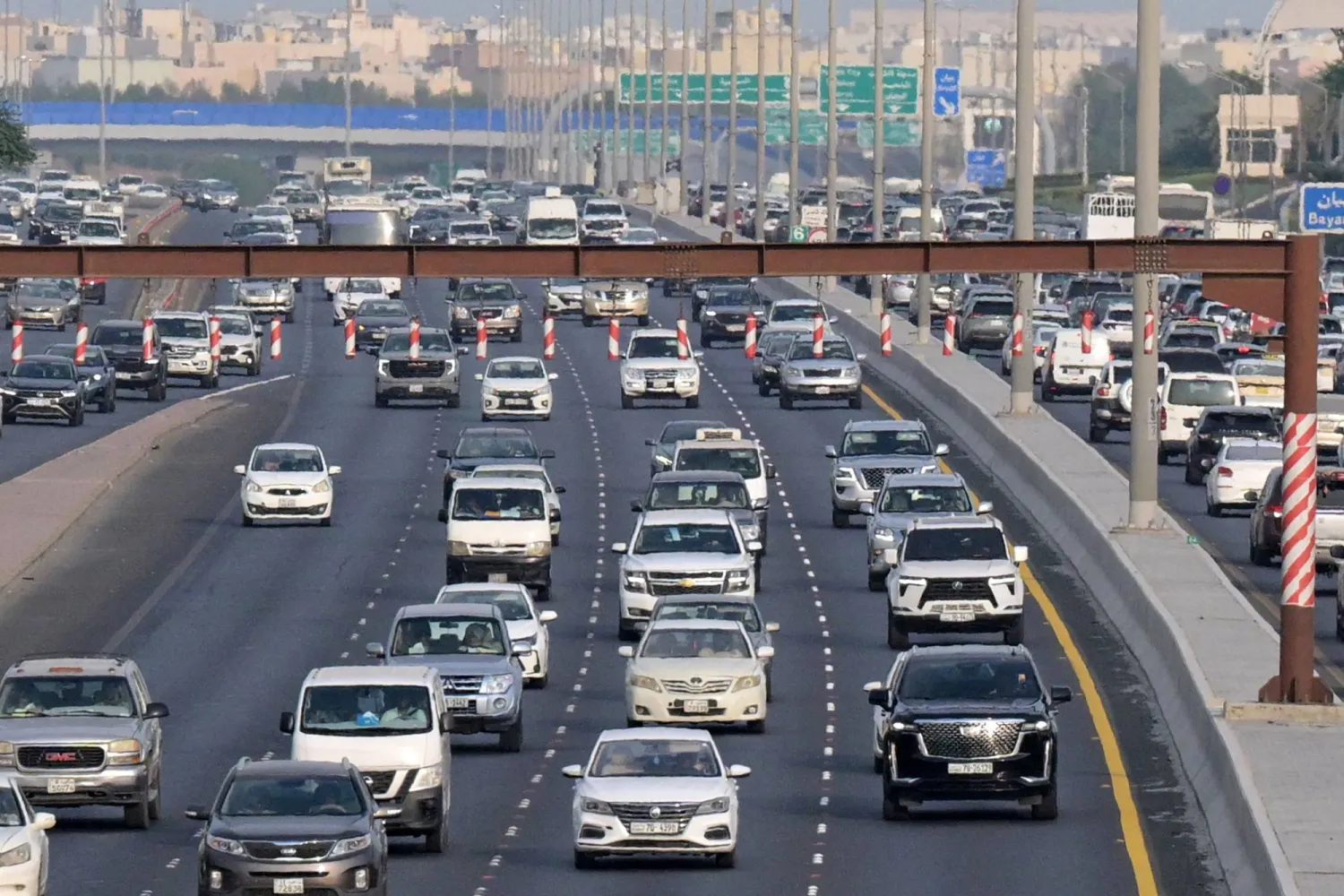
Vehicles move during heavy traffic at a main highway in Kuwait City on November 2, 2026. (AFP)

Kuwait's foreign ministry on Friday said it summoned Iran's ambassador over "continued Iranian attacks" after a drone attack a day earlier killed two Italians in the first fatal strike in the Gulf state for months.

The ministry "summoned His Excellency Ambassador Mohammad Totonji, Ambassador of Iran to Kuwait, and handed him a note of protest over the continued Iranian attacks on the State of Kuwait, most recently the drone attack that yesterday, Thursday, targeted a vital site in the country, killing two Italian nationals," it wrote on X.

UN chief Antonio Guterres on Friday condemned the attack, calling on "all parties to exercise restraint."

The secretary-general expressed solidarity with Kuwait and offered his condolences to the families of the victims, his spokesman Stephane Dujarric said.

Guterres is "deeply concerned by the continued escalation in the region" and called on all parties to "refrain from any actions that could further undermine regional peace and security."

"Renewed hostilities would have devastating consequences for the region and beyond," his spokesman added.

Iran has in the last week ratcheted up attacks on Kuwait and Gulf neighbor Bahrain while it continues to contest control of the Strait of Hormuz with the United States.

But its top diplomat and military both denied any involvement in the attack.

Iranian Foreign Minister Abbas Araghchi held phone calls with both his Kuwaiti counterpart Jarrah Jaber Al-Ahmad Al-Sabah and Italian counterpart Antonio Tajani to deny Tehran's involvement, according to Iran's state TV and foreign ministry.

In his call with Tajani, "Araghchi stated that Iran had no role or involvement whatsoever in the occurrence of this event," the Iranian foreign ministry said in a statement.

Iran's top diplomat added that Tehran was prepared to cooperate with Kuwait and Italy to "determine the origin of the incident", the ministry said.