
Intensive political contacts ahead of Thursday’s Lebanese cabinet meeting helped defuse tensions over a shipment of Hezbollah explosives seized in Dahr al-Baydar, amid a dispute over whether the case should be referred to the country’s highest criminal court.
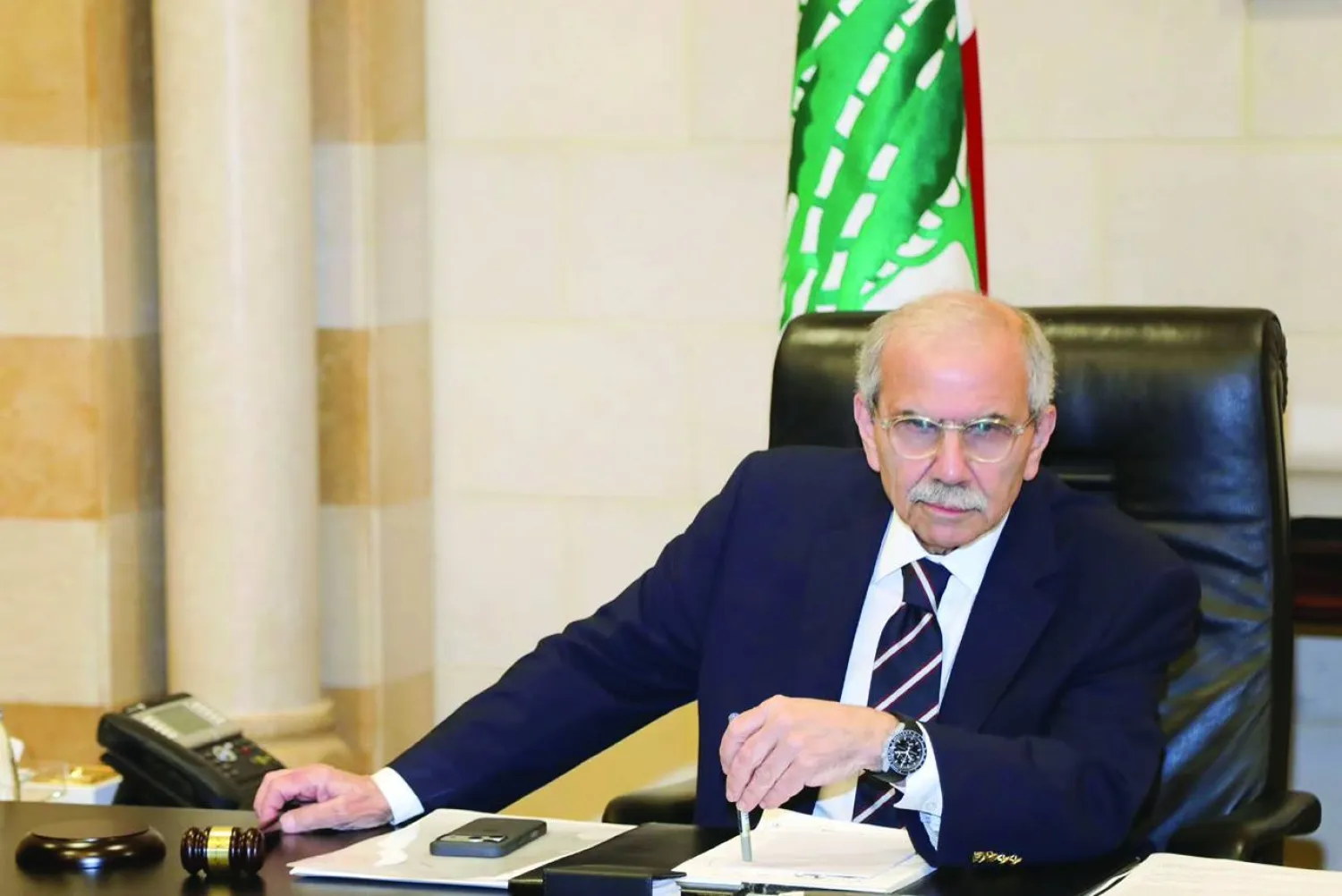
Justice Minister Adel Nassar has insisted on referring the case to the Judicial Council, a move opposed by Parliament Speaker Nabih Berri and Hezbollah amid concerns over its potential repercussions for Lebanon.
The dispute unfolded as President Joseph Aoun praised security agencies for their efforts to maintain order, while Prime Minister Nawaf Salam reaffirmed the state’s exclusive authority over weapons and decisions of war and peace.
“No one can impose any limits on us other than those set by law,” Salam declared, stressing that national security and public safety must take precedence.
Aoun calls for restraint
Opening the cabinet session, Aoun welcomed Berri’s position that the Lebanese Army was a “red line,” along with his commitment to civil peace, dialogue and understanding.
He described these principles as essential to protecting Lebanon amid mounting regional tensions.
“The challenges facing the region are enormous, and I hope they do not lead to escalation or an explosion,” Aoun warned.
He urged political leaders and ministers to exercise wisdom and restraint to shield Lebanon, already burdened by severe economic difficulties, from any further regional upheaval.
Salam: State monopoly on arms is nonnegotiable
Salam reiterated that the state’s monopoly on weapons and its exclusive authority to decide on war and peace were established principles no longer open to debate.
He grounded that position in Lebanon’s constitution, its laws, the Taif Agreement, UN Security Council Resolution 1701 and the November 2024 cessation-of-hostilities agreement.
Under the latter agreement, he explained, only the Lebanese Army, Internal Security Forces, General Security, State Security, Customs and municipal police are authorized to carry weapons.
Salam maintained that Hezbollah was being asked only to honor commitments it had already accepted, “nothing more, nothing less.”
He recalled that the government had instructed the army to prepare a plan to establish the state’s monopoly on arms, welcomed the plan last September and reaffirmed in March the need to complete its implementation across Lebanon.
“No one, whoever they may be, has the authority or jurisdiction to reconsider this except the Council of Ministers,” he emphasized.
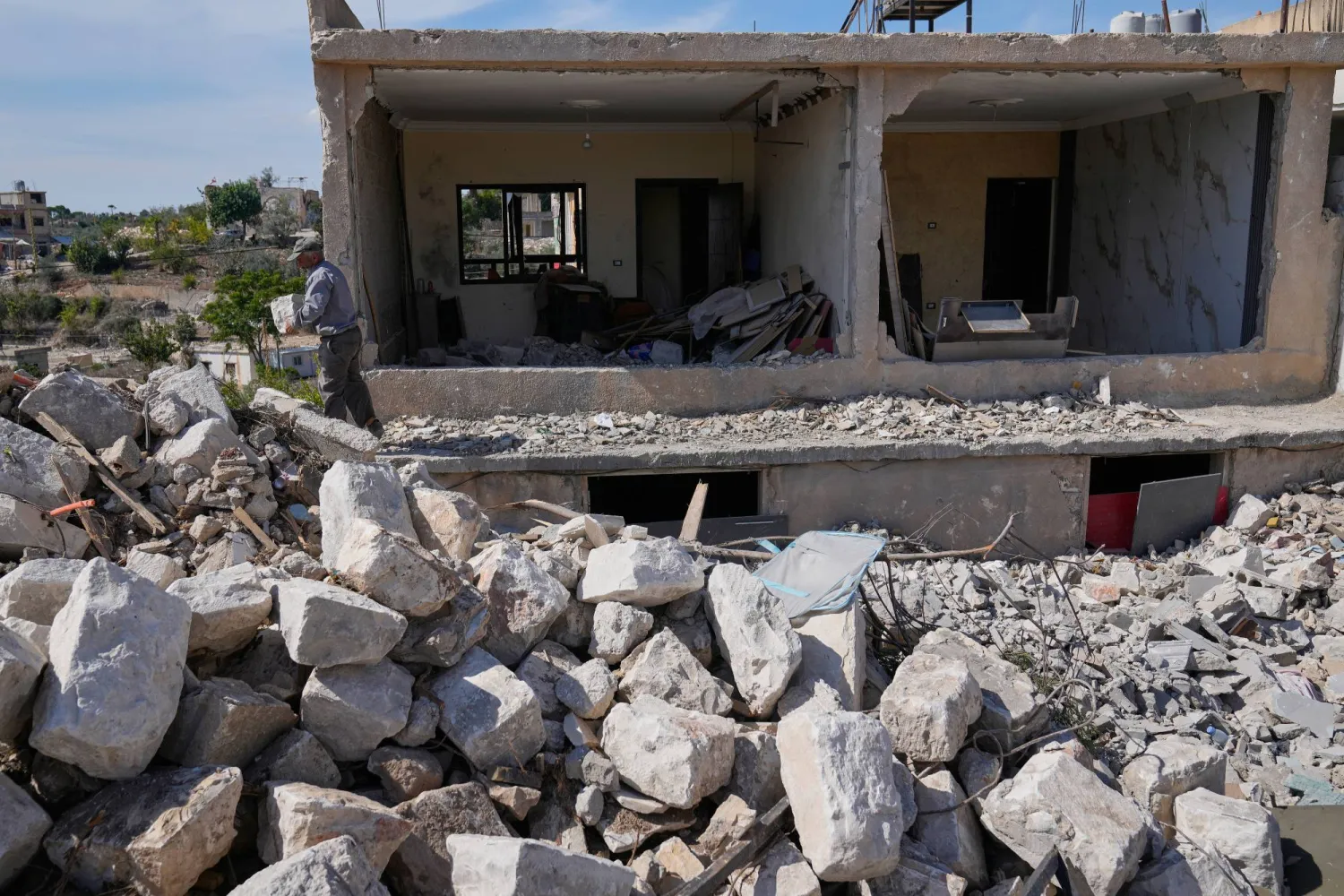
Turning to explosives seized in Dahr al-Baydar and Qasr, the prime minister warned that storing or transporting weapons outside legally authorized institutions, regardless of the justification, violated the law and government decisions and endangered public safety.
Such violations warranted security investigations, judicial prosecution and the harshest penalties against those responsible, he argued.
“Nothing can take precedence over the country’s safety and the security of its citizens,” Salam declared.
Efforts to contain dispute
Nassar’s push to refer the explosives case to the Judicial Council has the backing of ministers from the Lebanese Forces and Kataeb parties.
However, reports indicated that Berri had received assurances the referral would not proceed following intensified contacts aimed at containing the disagreement.
On Wednesday evening, the speaker announced that ministers representing Hezbollah and its Shiite ally, the Amal Movement, would attend the cabinet session.
The political maneuvering came amid reports that Hezbollah could respond to a referral by mobilizing supporters in the streets.
The Judicial Council is an exceptional criminal court with jurisdiction over specified offenses, including crimes against the internal or external security of the state and certain offences that threaten public safety.
Cases do not automatically fall under its authority. Referral requires a cabinet decree issued on the justice minister’s recommendation, making the decision a politically sensitive matter within the government.