Saudi Arabia’s annual inflation rate slowed to 1.7 percent in October, down from 1.9 percent in September, returning to its lowest level this year. The figure reflects the economy’s continued ability to contain price pressures and maintain price stability despite challenges from geopolitical developments and global trade disruptions.
Data released Sunday by the Kingdom’s General Authority for Statistics showed that the consumer price index rose 0.1 percent on a monthly basis in October compared with the previous month. The annual slowdown was driven by price increases across several major categories remaining relatively limited, even as housing costs continued to lead price drivers.
Prices in the housing, water, electricity, gas, and other fuels category rose 3.5 percent year-on-year in October - the same increase recorded in actual housing rents - keeping this category as the largest contributor to inflation.
Prices for insurance and financial services also climbed 3.5 percent, driven by a 6.5 percent rise in insurance service prices, while recreation, sport, and culture prices rose 2.7 percent due to a 4.6 percent increase in package holiday prices.
Food and beverages
Transport prices recorded an annual increase of 2.3 percent, driven by a 9.5 percent surge in passenger transport services, while restaurant and accommodation services rose 1.8 percent and education services climbed 1.3 percent.
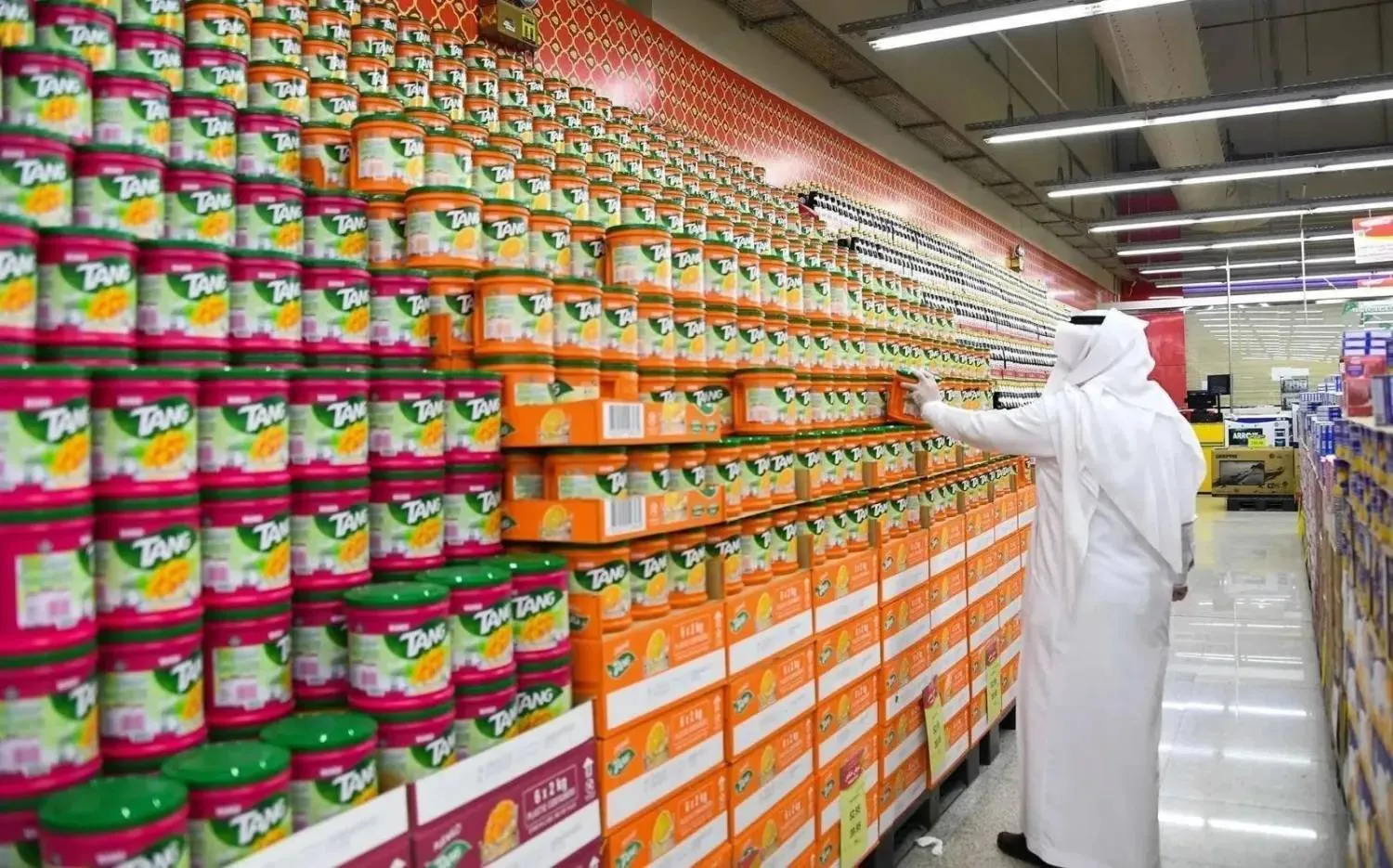
Prices for food and beverages - one of the heavily weighted categories in the consumer basket - increased 1.1 percent, while information and communications prices registered a 0.5 percent rise.
Prices for furnishings, household equipment, and routine household maintenance declined 0.5 percent, and clothing and footwear fell 0.2 percent, while the personal care, social protection, and miscellaneous goods and services category edged down 0.6 percent.
Monthly comparison
On a monthly basis, the general index rose 0.1 percent, with prices for housing, water, electricity, gas, and other fuels increasing 0.2 percent, driven by a 0.4 percent rise in actual housing rents. Food and beverage prices also edged up 0.2 percent, while insurance and financial services climbed 1.5 percent.
While these figures reflect an improvement in the inflation landscape, housing and rental costs remain the most prominent challenge for household budgets amid ongoing living pressures, raising questions about the extent to which easing inflation translates into improved purchasing power and quality of life.
Trade disruptions
Financial and economic advisor Hussein Al-Attas the slow inflation rate reflects a combination of domestic factors that reinforced price stability, most notably the riyal’s peg to the US dollar and the relative buffer it provides against import price volatility. He also noted moderate commodity prices, efficient supply chains, and diversified import sources.
Speaking to Asharq Al-Awsat, Al-Attas said that stable monetary policy and exchange rates, together with government and regulatory measures, helped curb the spillover of external inflationary pressures into the domestic market.
While the October reading shows inflation remains contained at moderate levels, its trajectory in the coming period will remain tied to developments in domestic demand, housing costs, and imported goods.
Al-Attas expects inflation to stay within moderate levels through the end of the year, with the potential for limited fluctuations driven by expanding economic activity and mega-projects, as well as risks of higher shipping and insurance costs.
Purchasing power
Economic specialist Ahmed Alshehri views the drop in Saudi Arabia’s inflation rate in October as a positive indicator reflecting a degree of economic stability and the ability to contain price pressures, particularly amid turbulent global conditions and the geopolitical and trade challenges facing markets.
Speaking to Asharq Al-Awsat, he said: “What matters more than the drop in the figure itself is how this stability is reflected in the daily lives of citizens and residents, as well as their purchasing power and cost-of-living expenditures.”
Given housing and rental costs, which represent the most prominent challenge, their continued rise means a broad segment of households still faces financial pressures, even as headline inflation slows, he remarked.
Consumers do not measure the economic situation solely through indicators and percentages, but through what they pay each month for housing, food, transportation, and basic services, making the control of living costs an equal priority alongside maintaining price stability, he stressed.
Alshehri said the next phase requires leveraging the relative stability of inflation to boost purchasing power, continuing to address the drivers of rising rents, and boosting the efficiency of markets and supply chains.
Economic success is measured not only by a decline in the inflation rate, but by the extent to which people feel the results of this drop in their daily lives, he explained.
True economic stability is reflected in quality of life and gives households greater confidence in the future along with a better ability to plan and save, he said.