Saudi Arabia Underscores its Keenness on Establishing Regional, Int’l Peace and Stability

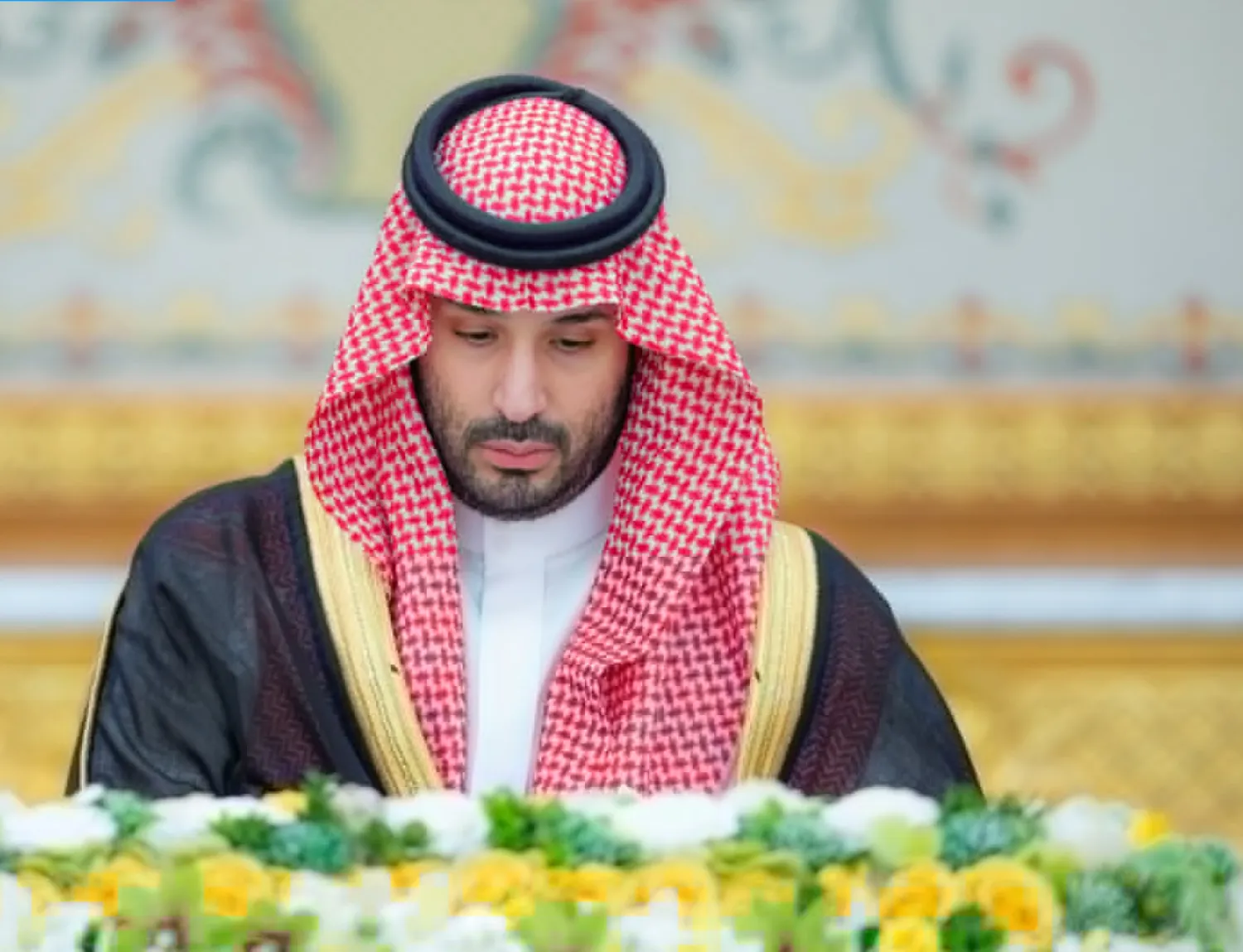
Prince Mohammed bin Salman bin Abdulaziz Al Saud, Crown Prince and Prime Minister, chairs the Cabinet meeting in Riyadh. (SPA)
TT

Saudi Arabia Underscores its Keenness on Establishing Regional, Int’l Peace and Stability

Prince Mohammed bin Salman bin Abdulaziz Al Saud, Crown Prince and Prime Minister, chairs the Cabinet meeting in Riyadh. (SPA)

Saudi Arabia underlined on Tuesday its commitment to establishing regional and international security and stability, the pivotal role of the Makkah Agreement states in ensuring regional security, and the Kingdom's support for mediation efforts by Qatar and Pakistan to de-escalate tensions, as well as for all endeavors aimed at achieving peace.

Prince Mohammed bin Salman bin Abdulaziz Al Saud, Crown Prince and Prime Minister, chaired the Cabinet meeting that was held in Riyadh.

Crown Prince Mohammed briefed the ministers on the letters received by Custodian of the Two Holy Mosques King Salman bin Abdulaziz Al Saud and the Crown Prince from President of Egypt Abdel Fattah al-Sisi and President of Kazakhstan Kassym-Jomart Tokayev.

He briefed the Cabinet on his meeting with French President Emmanuel Macron and the outcomes of his official talks with Greek PM Kyriakos Mitsotakis, which underscored the strength of the historic relations between the two countries and their shared commitment to enhancing cooperation across various fields.

The Cabinet discussed the talks held between states party to the Makkah Joint Defense Agreement and senior Iranian officials that were held on Monday.

The Cabinet also commended the advanced capabilities of Saudi air defense systems and their success in thwarting the Houthi terrorist militia's repeated attempts to target Makkah, Madinah, and a number of Saudi cities and facilities.

It condemned these criminal attacks as a grave aggression against the Kingdom's sovereignty and the sanctity of Islamic holy sites, and a flagrant provocation to Muslims worldwide. It underscored the Kingdom's legitimate right to defend with full resolve the security of the Two Holy Mosques and their visitors, as well as the country's citizens and residents.

The Cabinet hailed the increase in localization rate of military spending in the Kingdom, which reached 27.3% by the end of 2025, surpassing the annual target of 24%, with local content rising to 40.9%. This reflects robust national capabilities and supports integrated public-private efforts, advancing steadily toward the goal of localizing more than 50% of total military spending by 2030.

The Cabinet further reviewed several government performance indicators and progress in administration, governance, and institutional excellence. It praised the Ministry of Human Resources and Social Development for winning an international award from the Project Management Institute, outperforming 53 entities from 28 countries, in recognition of its contribution to boosting the effectiveness of initiative implementation, achieving targets, and aligning them with national priorities.


Saudi Arabia Condemns Israeli Violations in the Region

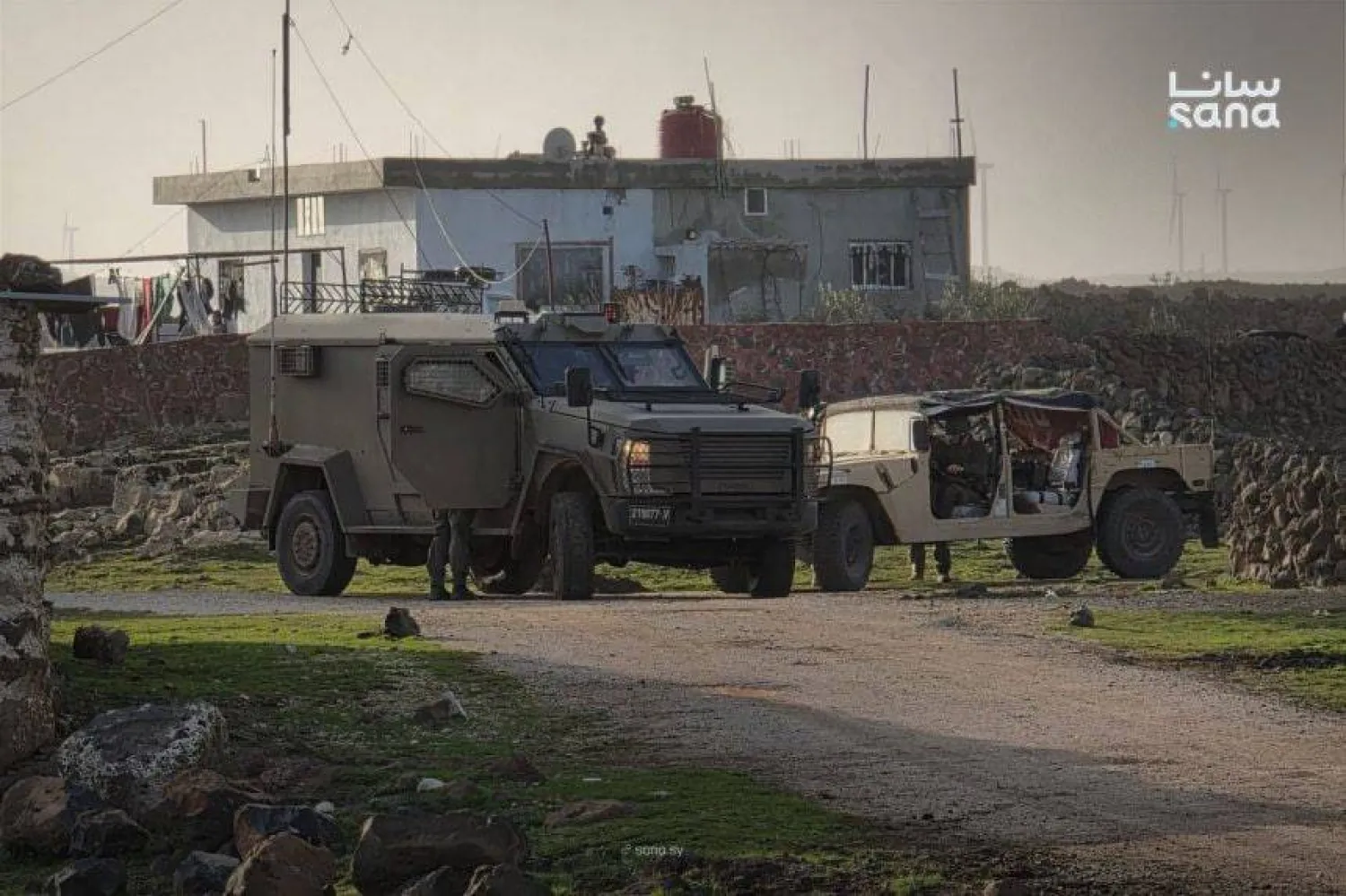
Israeli forces are seen during an incursion in Syria. (SANA file)
TT

Saudi Arabia Condemns Israeli Violations in the Region

Israeli forces are seen during an incursion in Syria. (SANA file)

Saudi Arabia condemned on Wednesday Israel's continued blatant violations in the region, most recently the incursions into the rural areas of Syria's Quneitra and Daraa governorates.

In a statement, the foreign ministry said: "Saudi Arabia expresses its categorical rejection of the Israeli forces' intimidation of peaceful civilians and violations of international laws and norms.”

“It stresses the importance of halting Israeli infringements on the sovereignty of Syrian territory and adhering to the 1974 Disengagement Agreement to preserve security and stability in the region,” it added.

The Kingdom reiterated its support for Syria's sovereignty and territorial integrity.


Saudi Arabia Condemns Iran Attacks on Bahrain, Kuwait, UAE Tanker

Vehicles move on a highway in Kuwait. (AFP)
TT

Saudi Arabia Condemns Iran Attacks on Bahrain, Kuwait, UAE Tanker

Vehicles move on a highway in Kuwait. (AFP)

Saudi Arabia strongly condemned on Wednesday Iran’s attacks on Bahrain, Kuwait and an oil tanker belonging to the United Arab Emirates.

A Foreign Ministry statement underlined Saudi Arabia’s “complete rejection of Iran’s continued aggression against brotherly countries and its threats to freedom of maritime navigation and trade routes.”

It reiterated its call “for an end to such acts of aggression, respect for international law and the principles of good neighborliness, and support for diplomatic efforts aimed at achieving peace and resolving the crisis through negotiations, to safeguard the security and stability of the region and its peoples.”

Secretary-General of the Gulf Cooperation Council (GCC) Jasem Albudaiwi also strongly condemned the attack on Kuwait.

He said Iran’s continuation of its attacks “reflects its persistence in undermining de-escalation efforts, as well as a flagrant disregard for the principles of good neighborliness, the rules of international law, and the United Nations Charter.”

He called on the international community “to assume its responsibilities toward these grave and repeated Iranian assaults and to take effective measures to halt them, ensuring respect for state sovereignty and preserving peace and security in the region.”

Albudaiwi reiterated the GCC states’ “full and steadfast solidarity with Kuwait, standing united by its side and backing all measures it takes to protect its security and stability, safeguard its sovereignty and assets, and ensure the safety of its citizens and residents on its territory.”


UAE State Oil Firm Says One Missing After Ship Hit in Hormuz

Vessels at the Strait of Hormuz, as seen from Musandam, Oman, November 17, 2026. (Reuters)
TT

UAE State Oil Firm Says One Missing After Ship Hit in Hormuz

Vessels at the Strait of Hormuz, as seen from Musandam, Oman, November 17, 2026. (Reuters)

UAE state oil firm ADNOC said Wednesday that a crew member was missing after a ship belonging to the company was struck in the Strait of Hormuz.

"All other crew members have been safely evacuated from the vessel. Eleven sustained injuries and where required are receiving medical care," ADNOC said, adding that search and rescue operations were continuing.

British maritime security agency, UKMTO, said on Wednesday that the tanker had been struck a day earlier by "an unknown projectile" in the Strait of Hormuz, about 13 nautical miles north of Khasab, an Omani town overlooking the strategic waterway.

The agency did not identify the vessel, but confirmed one crew member was missing.

"A fire occurred onboard, which has since been extinguished," UKMTO said, adding that the extent of the damage and any environmental impact remained unknown.

Before the Middle East war triggered by US-Israeli strikes on Iran on February 28, around one-fifth of the world's oil and liquefied natural gas supplies passed through the Strait of Hormuz.

Since the conflict began, Iran has tightened its grip on the Strait of Hormuz, with vessels transiting the strategic chokepoint coming under near-daily attack as Tehran insists they follow routes approved by its authorities.

The US has responded by imposing a blockade on Iranian ports, and its navy escorts tankers through the narrow passage.