Serbia: ‘ISIS Supporter’ Killed after Attacking Guard Outside Israeli Embassy

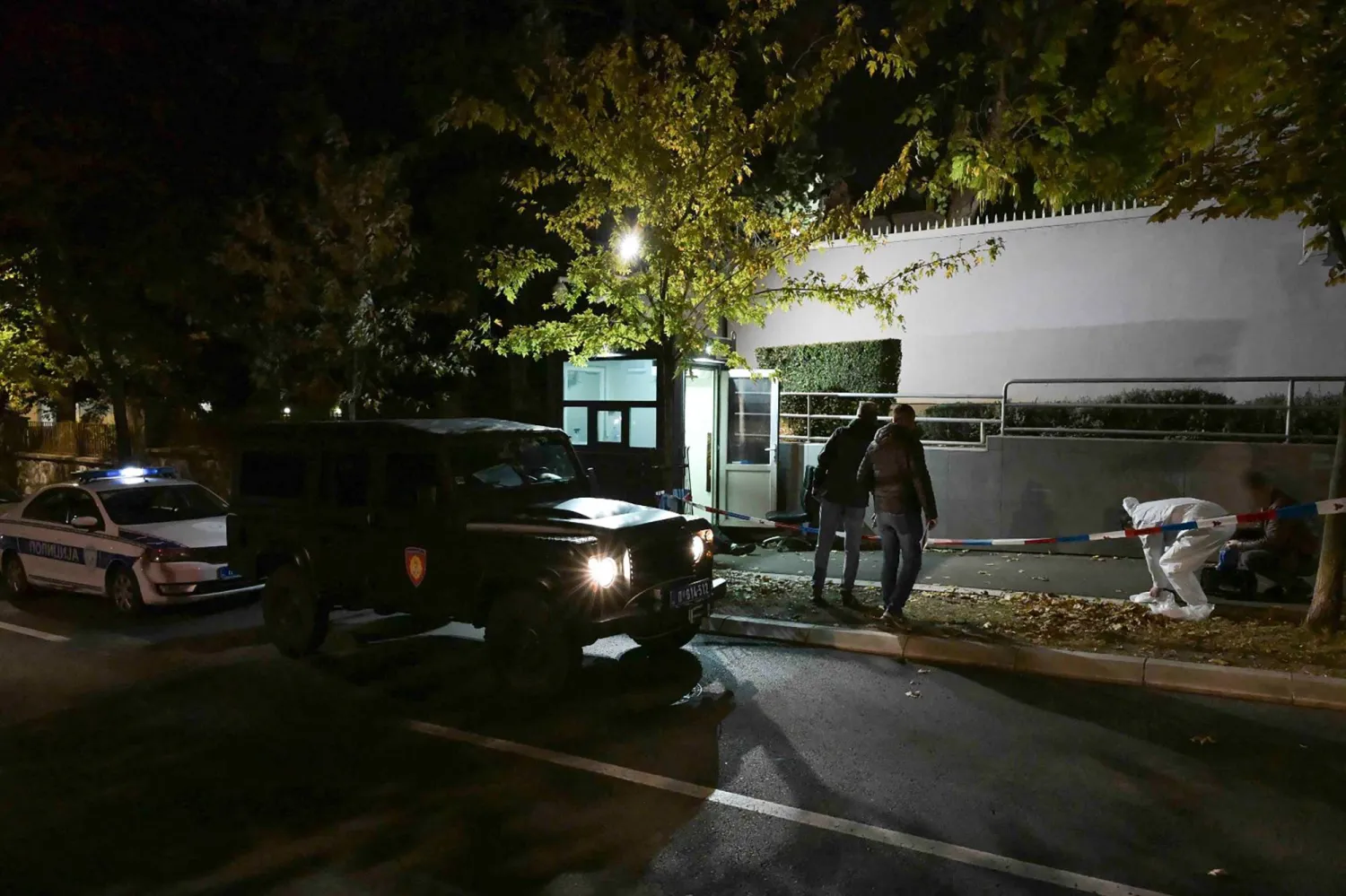
This handout photograph taken and released by Serbia's Interior Ministry on October 28, 2026, shows the scene of an attack on a police officer guarding the Israeli embassy in Belgrade. (Photo by Handout / SERBIAN MINISTRY OF INTERIOR AFFAIRS / AFP)
TT

Serbia: ‘ISIS Supporter’ Killed after Attacking Guard Outside Israeli Embassy

This handout photograph taken and released by Serbia's Interior Ministry on October 28, 2026, shows the scene of an attack on a police officer guarding the Israeli embassy in Belgrade. (Photo by Handout / SERBIAN MINISTRY OF INTERIOR AFFAIRS / AFP)

Serbian police killed an attacker outside the Israeli embassy in Belgrade on Wednesday after an officer was targeted in a "terrorist attack", outgoing Interior Minister Ivica Dacic said.

"A minor whose identity has yet to be established... attacked a member of the police with two knives," Dacic said, also raising the terrorism threat to its highest level.

The interior ministry said in a statement the guard killed the attacker in self-defense but suffered a minor knife wound to the face in the incident just after midnight on Wednesday.

Dacic said security services had been monitoring the attacker, who was "known to be a supporter of ISIS" and was believed to be from the western city of Sabac.

"His Instagram profile featured a black flag and the ISIS emblem," he added.

Dacic said the terrorism threat level had been raised to its highest, or "red alert".

"This means tighter security checks and an increased police presence at sensitive sites, including infrastructure facilities and places where large crowds gather”.

Police photos from the scene showed the guard's booth outside the embassy and the area sealed off by police tape as officers in full gear stood nearby.

Although such attacks are rare in Serbia, the Israeli embassy in Belgrade has been targeted before.

In June 2024, an attacker armed with a crossbow seriously wounded a police officer guarding the embassy before being shot dead by police.

The attacker was identified at the time as a 25-year-old man from a village near Belgrade who had embraced extremist views.

Wednesday's attack comes just days after Serbia held a key early parliamentary election on Sunday in which long-ruling former President Aleksandar Vucic was defeated by a youth-led movement after almost two years of protests against him. But Vucic and his allies still control the police as the new government is yet to be formed.

Israel also held its parliamentary vote Tuesday that exit polls said produced no clear winner.


French Protesters Rally Again Over Living Costs, Public Services

Protesters carry banners and placards during an anti-government demonstration in Paris, France, 21 November 2026. EPA/MOHAMMED BADRA
TT

French Protesters Rally Again Over Living Costs, Public Services

Protesters carry banners and placards during an anti-government demonstration in Paris, France, 21 November 2026. EPA/MOHAMMED BADRA

France saw nationwide demonstrations for the sixth weekend in a row on Saturday, as protesters took to the streets to demand better public services and express anger over the rising cost of living and inequality.

The protest movement, sparked in mid-September by high school students demanding better learning conditions, fueled a nationwide campaign against soaring prices, inadequate public services and police brutality that spread across Europe, even as turnout in France has dwindled.

Several thousand people gathered in central Paris's Place de la Republique square in a festive atmosphere, with musicians playing, food trucks, costumes and homemade signs.

Flags and vests of trade unions and left-wing parties mingled with those of student organizations and the Yellow Vest movement, which is marking its anniversary eight years after it rattled President Emmanuel Macron's government.

On Friday crowds rallied across multiple countries to vent anger over issues from high living costs to military spending and the climate crisis, ramping up pressure on political leaders they accuse of ignoring the concerns of young people.

"I want to live, not survive," read one placard held by a protester in Paris.

Another read: "No to the license to kill", in reference to a law adopted by France's parliament on Friday increasing protection for law enforcement officers using their weapons -- heavily criticized by the left.

The protests have been largely peaceful but have seen fringe violence and accusations of police brutality.

At least 31 people have been seriously injured by security forces since the protests began, according to a count by AFP based on direct testimonies, victims' lawyers and NGO records. Authorities have not provided an official toll.

Last month, some rallies across France degenerated into clashes between riot police and demonstrators, with shops looted and buildings attacked and torched.

Interior Minister Laurent Nunez had warned regional authorities to be "particularly vigilant regarding the groups most hostile to law enforcement" after the police law was adopted.

Protesters marched on Saturday in cities from Lille in the north to Marseille in the south and Lyon in the southeast.

Clashes broke out on the sidelines of some protests as people set fire to vehicles and bins and police fired tear gas.

The interior ministry had said the demonstrations began in a "generally calm" atmosphere and turnout was "down compared to previous days".


Qatari Delegation Visits Tehran, Pezeshkian Admits that Iran Faces Tough Economic War

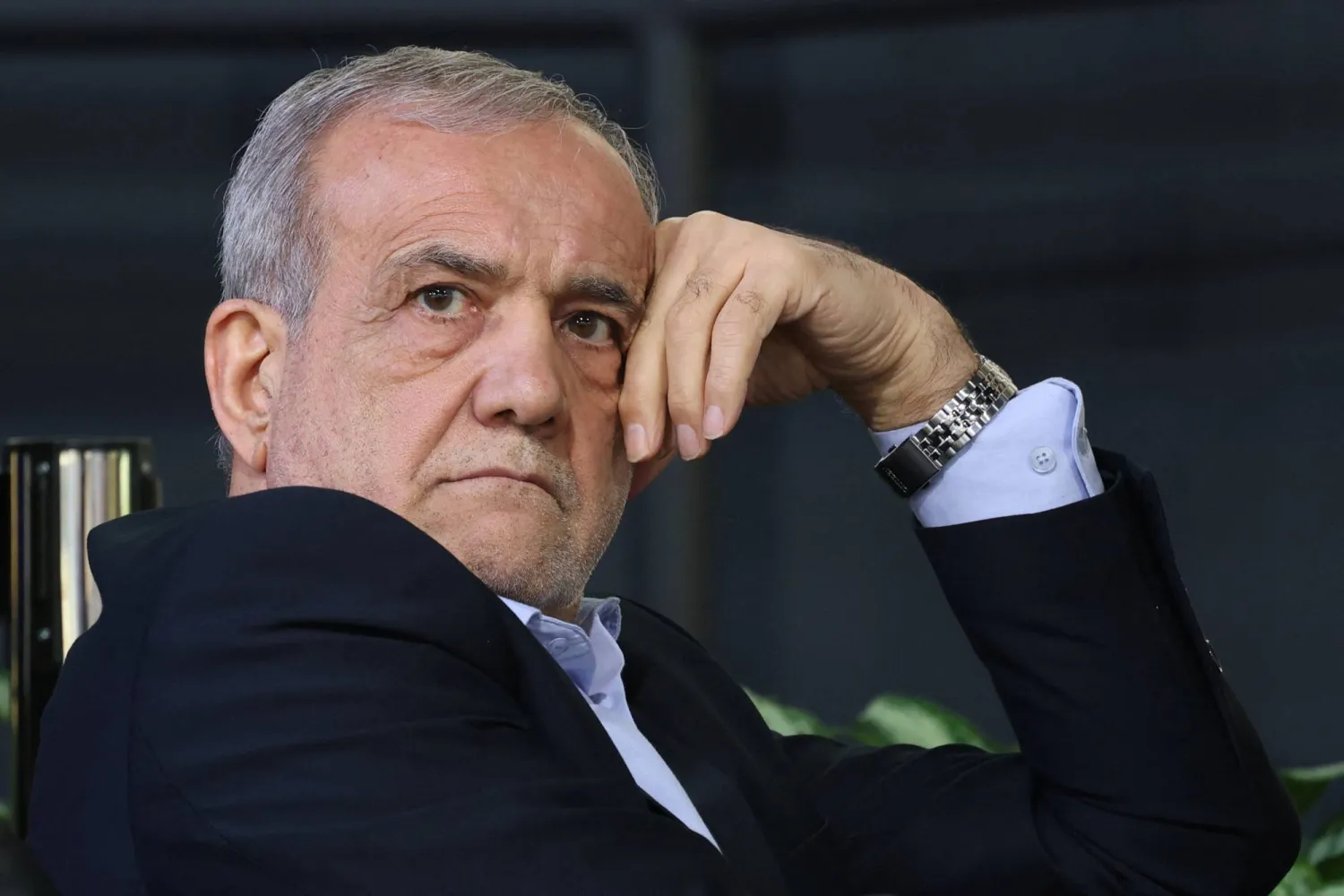
Iranian President Masoud Pezeshkian waits to make a speech during the UN Climate Change Conference (COP31) in Antalya, November 11, 2026. REUTERS/Murad Sezer
TT

Qatari Delegation Visits Tehran, Pezeshkian Admits that Iran Faces Tough Economic War

Iranian President Masoud Pezeshkian waits to make a speech during the UN Climate Change Conference (COP31) in Antalya, November 11, 2026. REUTERS/Murad Sezer

A Qatari delegation held talks in Tehran on Friday night, an Iranian official said, as diplomatic efforts continued to end the war.

Iranian Deputy Foreign Minister Kazem Gharibabadi said Tehran remained in contact with mediators.

"We are in contact with mediators, including the Qataris, both in person and virtually, and are holding ⁠the necessary discussions to see whether another opportunity can be given to diplomacy," Gharibabadi said, according to the semi-official Tasnim news agency.

Gharibabadi echoed remarks by Iranian Foreign Minister Abbas Araghchi in an interview with the state-owned Iran newspaper that Tehran still hoped diplomacy could end its war with the United States.

US President Donald Trump has said Iran wanted a deal, but one that was not acceptable to him.

In an interview published on Saturday by the state-run Iran Daily newspaper, Araghchi reiterated that Tehran would not allow its stockpiles of enriched uranium to leave the country.

"I believe a solution can be found, but we have clear red lines: the material will not be taken out of the country," he said.

Meanwhile, Iranian President Masoud Pezeshkian said on Saturday that Iran is facing a tough economic war.

“We are in a silent war, which is much more difficult than a war in which missiles are launched and destruction is carried out.

“It is an economic war that you, the economic activists, are dealing with, and it is not a simple war,” Pezeshkian told a meeting of investors and producers, according to Iran’s state-run news agency IRNA.


CENTCOM Denies Iranian Account that Missile Damaged F-16 over Gulf

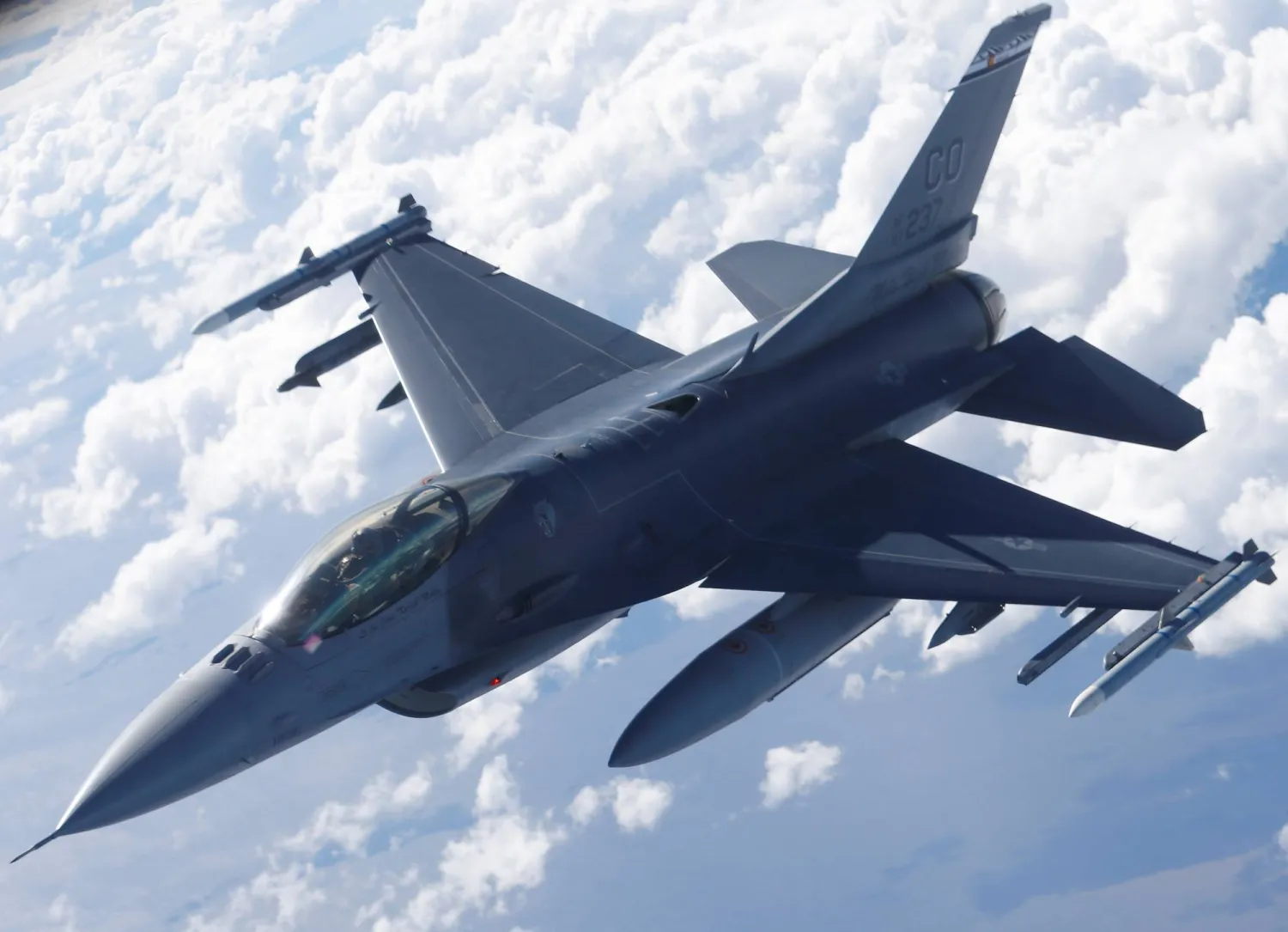
A US F-16 fighter jet (Reuters)
TT

CENTCOM Denies Iranian Account that Missile Damaged F-16 over Gulf

A US F-16 fighter jet (Reuters)

US Central Command on Saturday denied an Iranian account that its forces had fired a missile at a US F-16 fighter jet over the Gulf, damaging the aircraft and forcing it to make an emergency landing.

Iranian state media earlier reported that the country's air defense systems targeted the aircraft on Friday evening, causing it to abort its mission and land at a nearby airport.

"Iran did not attack a US F-16 fighter aircraft yesterday — at all," Central Command said in a statement, adding that all US military fighter jets in the Middle East were safe and accounted for, Reuters reported.

Iran has made similar accounts during the war of shooting down or damaging US aircraft, which the US military has denied.

The war erupted when the United States and Israel attacked Iran in February and has since spread across the Middle East, killing thousands of people, disrupting shipping and pushing up global energy prices.