
Iraq's Central Bank Governor Nizar Nasser Hussein announced Thursday that the gap between the dinar's official exchange rate and its parallel-market rate had narrowed to 9%, down from approximately 24%, while denying reports that new banknotes were being printed.
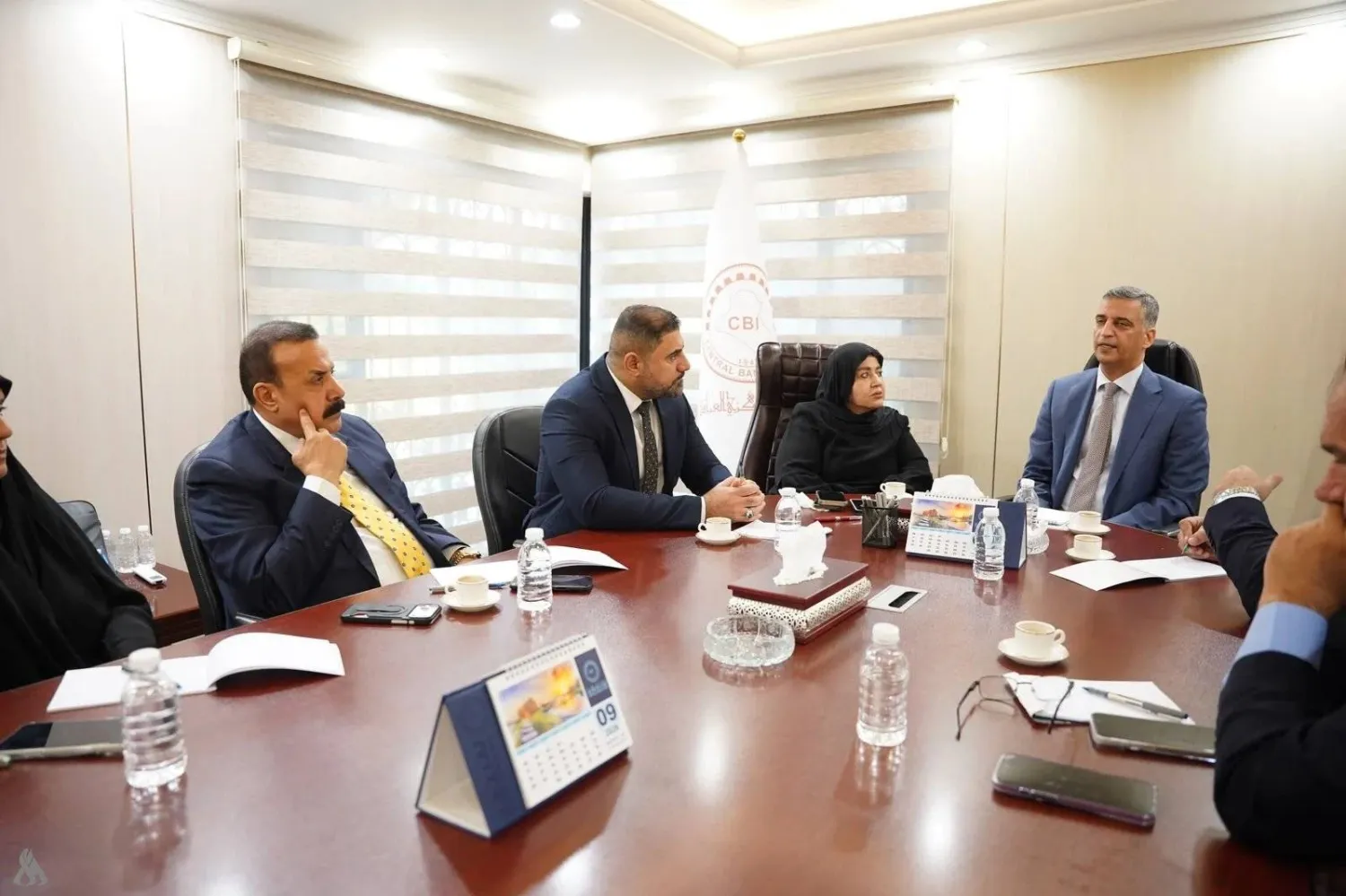
Hussein made the remarks during a visit by the Iraqi Parliament's Investment and Development Committee to the central bank to discuss the repercussions of changes to the dollar exchange rate, their impact on economic and investment activity, and the challenges facing investors and local companies, according to a parliamentary statement carried by the Iraqi News Agency (INA).
The governor confirmed that no currency printing was underway, describing reports to the contrary as inaccurate. He also noted that the gap between the official and parallel-market exchange rates had fallen to 9%, as Iraq faces mounting financial and economic pressures stemming from the war involving Iran and disruptions to oil exports.
In early October, the Central Bank of Iraq raised the dollar's selling rate to the public to 1,520 dinars, from approximately 1,320 dinars previously, a move that devalued the dinar by around 15% against the dollar amid pressure on oil revenues and foreign currency inflows.
Iraq's public finances depend heavily on oil revenues, making export disruptions and declining foreign currency inflows major sources of pressure on the state budget and foreign exchange market.
During the meeting, the central bank outlined measures taken to support the economy, including assistance to state-owned and private banks in providing citizens with concessional loans ranging from 5 million to 15 million Iraqi dinars.
For its part, the Investment and Development Committee stressed the need to limit the impact of exchange rate changes on investment project costs, raw material prices and contractual obligations, as well as their repercussions for market stability and citizens' purchasing power.
The committee called for stronger coordination between the central bank, government agencies and the banking sector, streamlined bank financing procedures, and the removal of obstacles facing investors to ensure projects can continue without imposing additional burdens on businesses and citizens.
The developments come as Iraqi authorities seek to contain the economic fallout from the war amid mounting pressure on oil exports and public finances.
Iraq had requested financial support from the International Monetary Fund, which projected that the country's economy would contract by 16% this year, according to estimates cited in the report.