
People Enter Cages While the Animals Seem Free at a Unique Amsterdam Museum

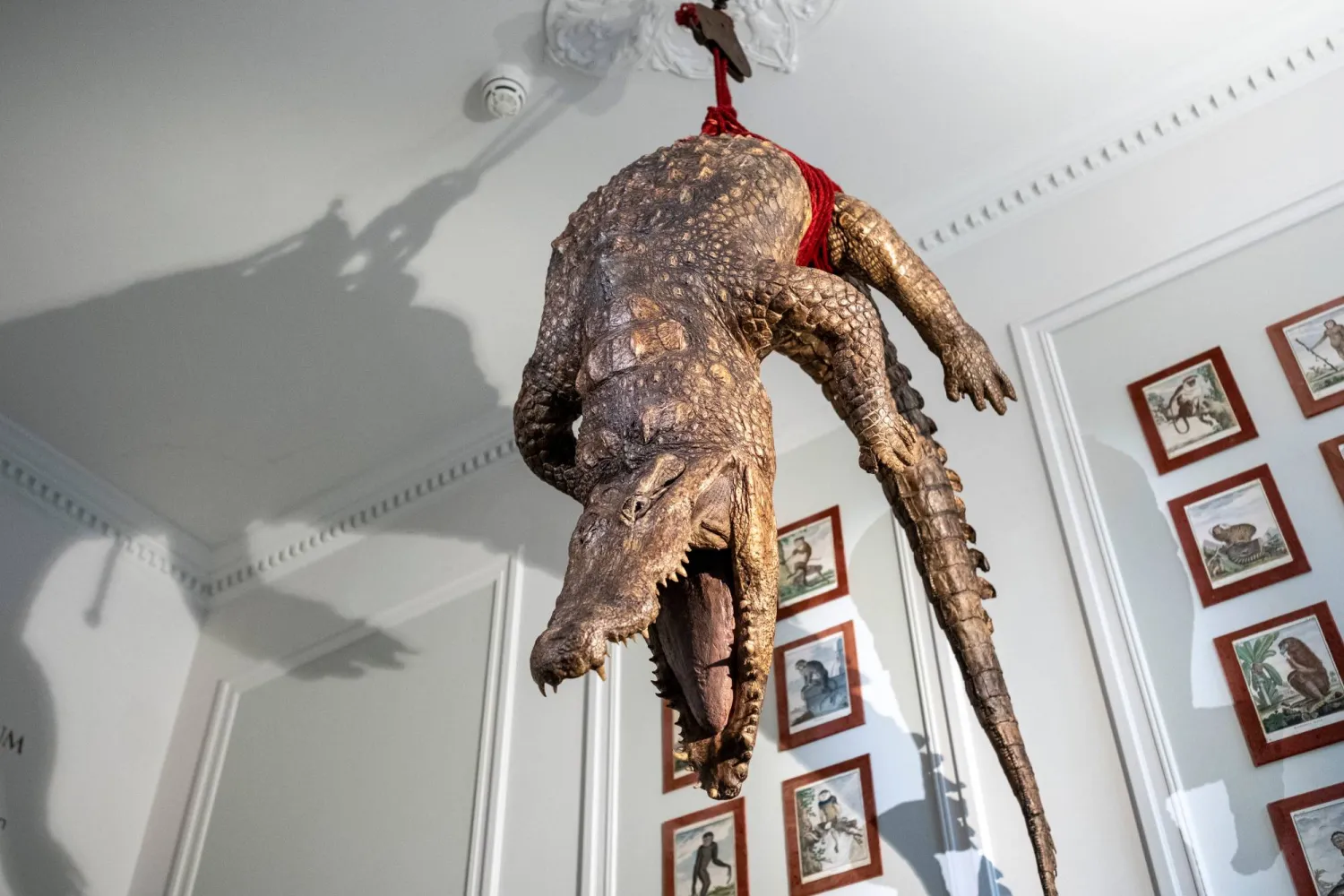
 A crocodile stares down at the entrance of the Art Zoo in Amsterdam, Netherlands, on Oct. 27, 2026. (AP)
A crocodile stares down at the entrance of the Art Zoo in Amsterdam, Netherlands, on Oct. 27, 2026. (AP)
TT

People Enter Cages While the Animals Seem Free at a Unique Amsterdam Museum

 A crocodile stares down at the entrance of the Art Zoo in Amsterdam, Netherlands, on Oct. 27, 2026. (AP)
A crocodile stares down at the entrance of the Art Zoo in Amsterdam, Netherlands, on Oct. 27, 2026. (AP)

Look up as you enter Amsterdam's new Art Zoo museum, and a 12-foot crocodile stares down at you, mouth open, ready to chomp.

The taxidermic reptile is one of hundreds of preserved creatures on display, alongside artfully arranged piles of bones, illuminated tulips encased in apothecary jars and a cabinet of grotesque fish.

While it’s not a Halloween-themed museum, the show should appeal to anybody looking for something a little dark this spooky season.

“It was a little creepy,” admitted Tomáš Vaško, a Slovak living in the Dutch capital, after touring the museum on a dark October day.

Art Zoo is the creation of Dutch artists Jaap Sinke and Ferry van Tongeren, who draw inspiration from “wunderkammers,” or curiosity cabinets collected by wealthy Europeans in the 16th and 17th centuries to showcase objects from the natural world.

“The main thing is that we like storytelling with the animals," van Tongeren told The Associated Press. "We like to add drama. We add an attitude to the animals, where traditional taxidermists just want to mimic nature.”

Behind him, a cheetah slouched in an alcove under the watchful eye of a cassowary.

In natural history museums, animals are posed as they could be seen in the wild. At the Art Zoo, a Japanese giant spider crab stretches its 6-foot legs above a doorway beside the leg bones of a mastodon that nearly reaches the ceiling.

The duo rose to fame in 2015 after shark-pickling artist Damien Hirst purchased their entire exhibition from a London art show.

Unlike at a traditional zoo, the human visitors are confined, not the animals. The display rooms in the 17th-century canal house where the Art Zoo is located are enclosed by brooding, black metal cages.

“We really like the concept of having all the people in a cage and then all the animals free,” van Tongeren says. “In that way, the whole building becomes one artwork.”

None of the animals in the eclectic collection were taken from the wild.

“All our animals come from zoos where they died of natural causes,” said Sinke. Still, he acknowledged that the paperwork can be challenging. The pair primarily obtained specimens from Europe to ensure they know the history of the animals.

Sinke and van Tongeren actually consider themselves an artistic trio, crediting naturalist Charles Darwin as the third contributor to their work. They pitched the concept of the museum as the return of Darwin’s wonder.

Not everything in the collection is a real animal. Underneath the crocodile suspended from the ceiling is a wall of Jenny Hanivers, ray carcasses modified into grotesque creatures by 16th-century sailors who presented the macabre beasts as real sea monsters to gullible collectors.

Their misshapen faces appear to keep a beady eye on museum guests as they walk from caged room to caged room.


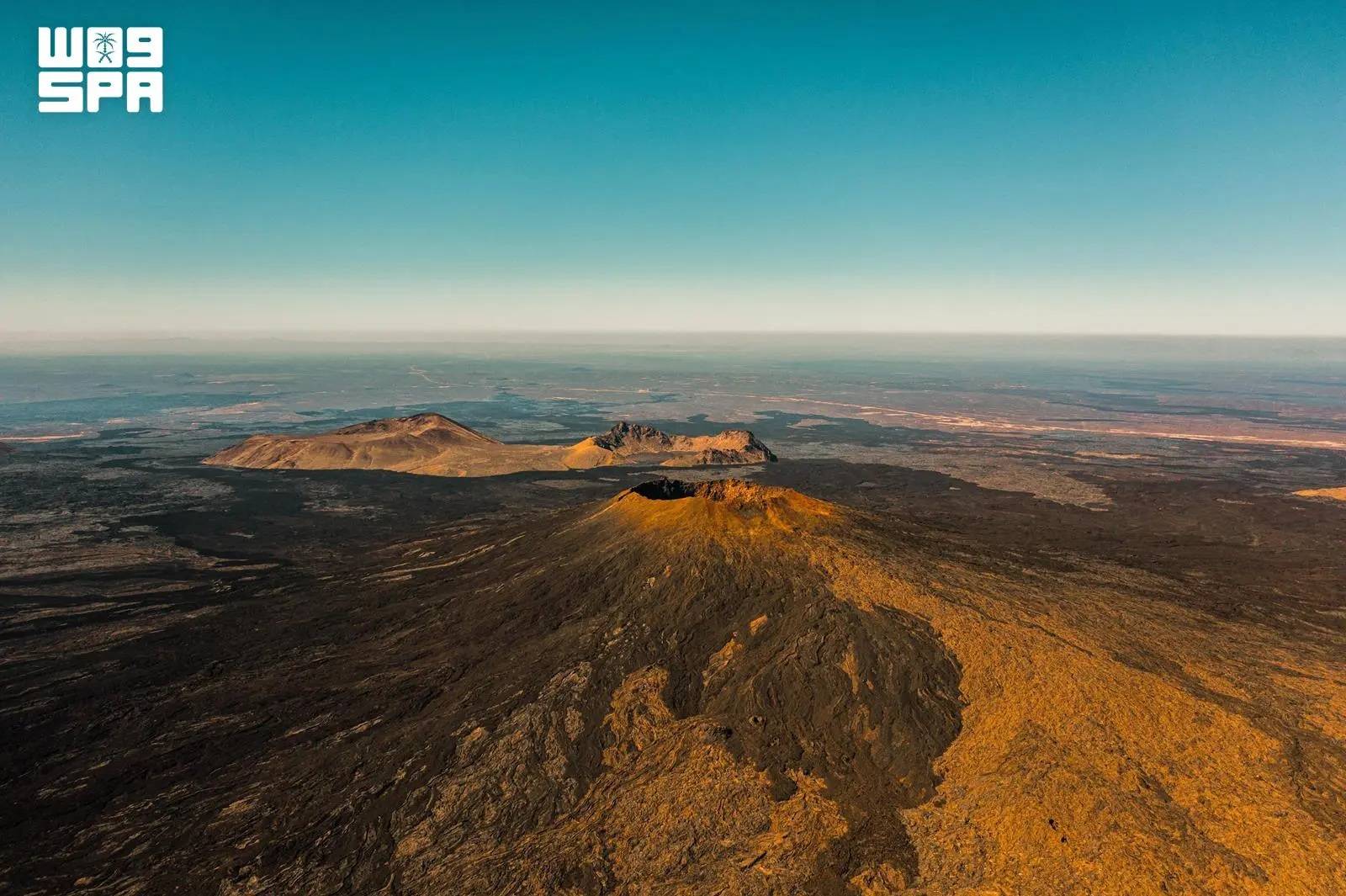
Wasm Hail 2026 Highlights Region's Natural Attractions Through Qareh Trail Hike

Participants embark on a guided three-kilometer morning hike, with separate days for men and women - SPA
TT

Wasm Hail 2026 Highlights Region's Natural Attractions Through Qareh Trail Hike

Participants embark on a guided three-kilometer morning hike, with separate days for men and women - SPA

The Wasm Hail 2026 events feature a hiking experience along the Qareh trail, bringing together adventure and exploration enthusiasts to enjoy the region's natural attractions amid Hail's diverse landscapes and terrain.

Participants embark on a guided three-kilometer morning hike, with separate days for men and women, SPA reported.

The experience is part of the activities accompanying Wasm Hail 2026, which aim to highlight the region's natural and tourism sites, diversify the options available to participants and visitors, and promote adventure travel and outdoor activities as key elements of Hail's appeal.


UK Records Highest Number of Heat-Related Deaths in 2026

Europe experienced another summer marked by prolonged periods of extreme heat, which scientists say are becoming more frequent and intense because of climate change. (Getty Images/AFP)
TT

UK Records Highest Number of Heat-Related Deaths in 2026

Europe experienced another summer marked by prolonged periods of extreme heat, which scientists say are becoming more frequent and intense because of climate change. (Getty Images/AFP)

Heat-associated deaths in Britain reached 5,258 during the summer of 2026, marking the highest annual total since records began in 2016, according to the UK Health Security Agency.

The toll comes after Europe experienced another summer marked by prolonged periods of extreme heat, which scientists say are becoming more frequent and intense because of climate change.

The 5,258 figure compares with 2,985 ‌heat-associated deaths during the ‌whole of summer 2022, another ‌notably ⁠hot period, and comes ⁠after what the agency described as an exceptional season of prolonged hot weather in 2026.

Other European countries have also reported record excess mortality from the heatwaves over the summer.

Researchers from Imperial College London and the London School of Hygiene & ⁠Tropical Medicine estimated that more than 50,000 ‌heat-related deaths occurred in ‌urban areas across 30 European countries during the summer, ‌the highest toll recorded since 2000.

In Britain, there ‌were seven heat episodes lasting a total of 41 days during the summer, the highest number recorded since annual heat mortality monitoring began, the UKHSA said.

The deadliest ‌period was between June 21 and June 28, when an estimated 2,401 ⁠deaths were ⁠associated with extreme heat. More than 3,000 heat-associated deaths were estimated across heat episodes in May and June alone.

Heat can be fatal by triggering heat stroke and dehydration or by worsening underlying cardiovascular and respiratory conditions.

Ross Thompson, principal environmental health scientist at the agency, said it was vital that everyone is prepared "not just during a heatwave but in the longer term."

"The decisions we make now will shape the health impacts people experience in the decades ahead," Thompson said.


Saudi Arabia’s Harrat Al Rass Al Abyad Nature Reserve Registered in World Database on Protected Areas

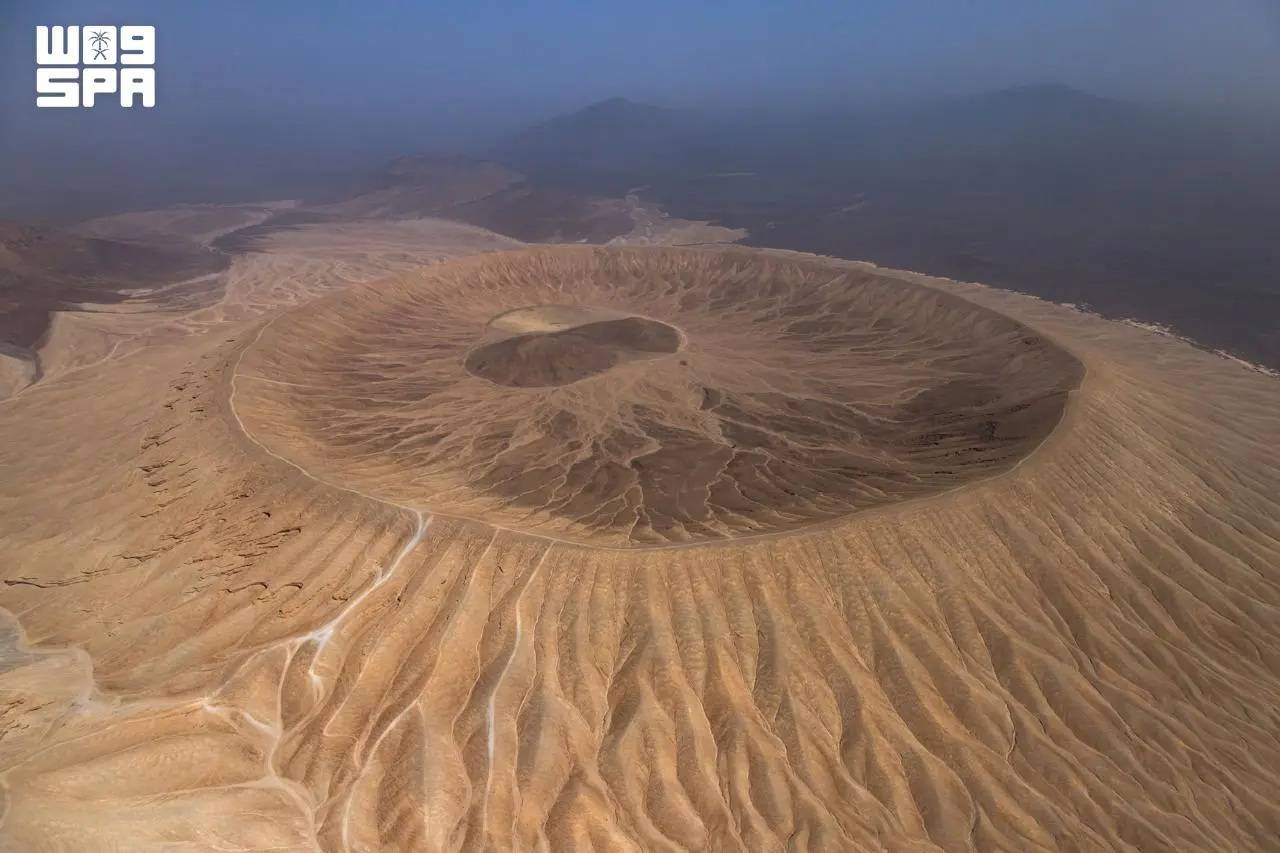
The reserve is located within Harrat Khaybar, one of the largest volcanic fields in the Arabian Peninsula. (SPA)
TT

Saudi Arabia’s Harrat Al Rass Al Abyad Nature Reserve Registered in World Database on Protected Areas

The reserve is located within Harrat Khaybar, one of the largest volcanic fields in the Arabian Peninsula. (SPA)

Saudi Arabia’s Royal Commission for AlUla (RCU), in coordination with the National Center for Wildlife, announced the official registration of Harrat Al Rass Al Abyad Nature Reserve in both the National Database of Protected Areas and the World Database on Protected Areas (WDPA). The milestone supports efforts to conserve the reserve’s distinctive biodiversity and rare geological formations.

Covering an area of 600 square kilometers in the Khaybar Governorate in the Madinah Region, the reserve is the sixth within RCU’s protected area network (APAN), which spans a total of 12,107 square kilometers.

Its registration reflects RCU’s continued efforts to develop its protected area network, document its natural assets and strengthen their management through scientific approaches that support long-term sustainability.

Harrat Khaybar is home to three rare white volcanoes. (SPA)

The reserve is located within Harrat Khaybar, one of the largest volcanic fields in the Arabian Peninsula, where white volcanoes stand alongside black basalt fields, creating a striking geological landscape. The white formations derive their distinctive color from comendite volcanic rocks, setting them apart from the surrounding landscape.

Harrat Khaybar is home to three rare white volcanoes: Jabal Al Bayda, Jabal Al Abyad and Jabal Al Mansaf, highlighting the area's significance for studying geological diversity and the history of volcanic activity.

The reserve falls under Category III of the International Union for Conservation of Nature (IUCN) protected area management categories, which focuses on protecting natural features and their associated biodiversity and habitats.

The area is also home to Umm Jirsan Cave, one of Saudi Arabia’s longest lava tube systems, extending approximately 1,481 meters.

Preliminary surveys conducted by RCU have recorded around 99 plant, 14 mammal, 18 reptile and 59 bird species, including the endangered Egyptian vulture. The surveys have also identified suitable habitats for the mountain ibex.

Species inventories and data updates remain ongoing to enhance knowledge of the reserve’s ecological assets and identify conservation priorities.

The area is also home to Umm Jirsan Cave, one of Saudi Arabia’s longest lava tube systems. (SPA)

The development of the reserve was guided by a scientific approach involving environmental, geological and cultural assessments conducted between 2022 and 2024 in collaboration with the IUCN. The assessments resulted in an operational management plan for 2024–2029, providing a framework for conservation, management and monitoring activities to safeguard the site's natural and cultural values.

RCU continues to pursue international recognition for the area, including efforts to meet the requirements of UNESCO Global Geoparks and the IUCN Green List. These initiatives support the conservation of geological heritage and enhance the effectiveness of protected area management.

The reserve’s registration forms part of RCU’s 10-year ecosystem restoration strategy and its wider efforts to protect natural habitats, conserve biodiversity and safeguard geological heritage. The efforts align with the Saudi Green Initiative’s target of protecting 30% of Saudi Arabia’s terrestrial and marine areas by 2030.