


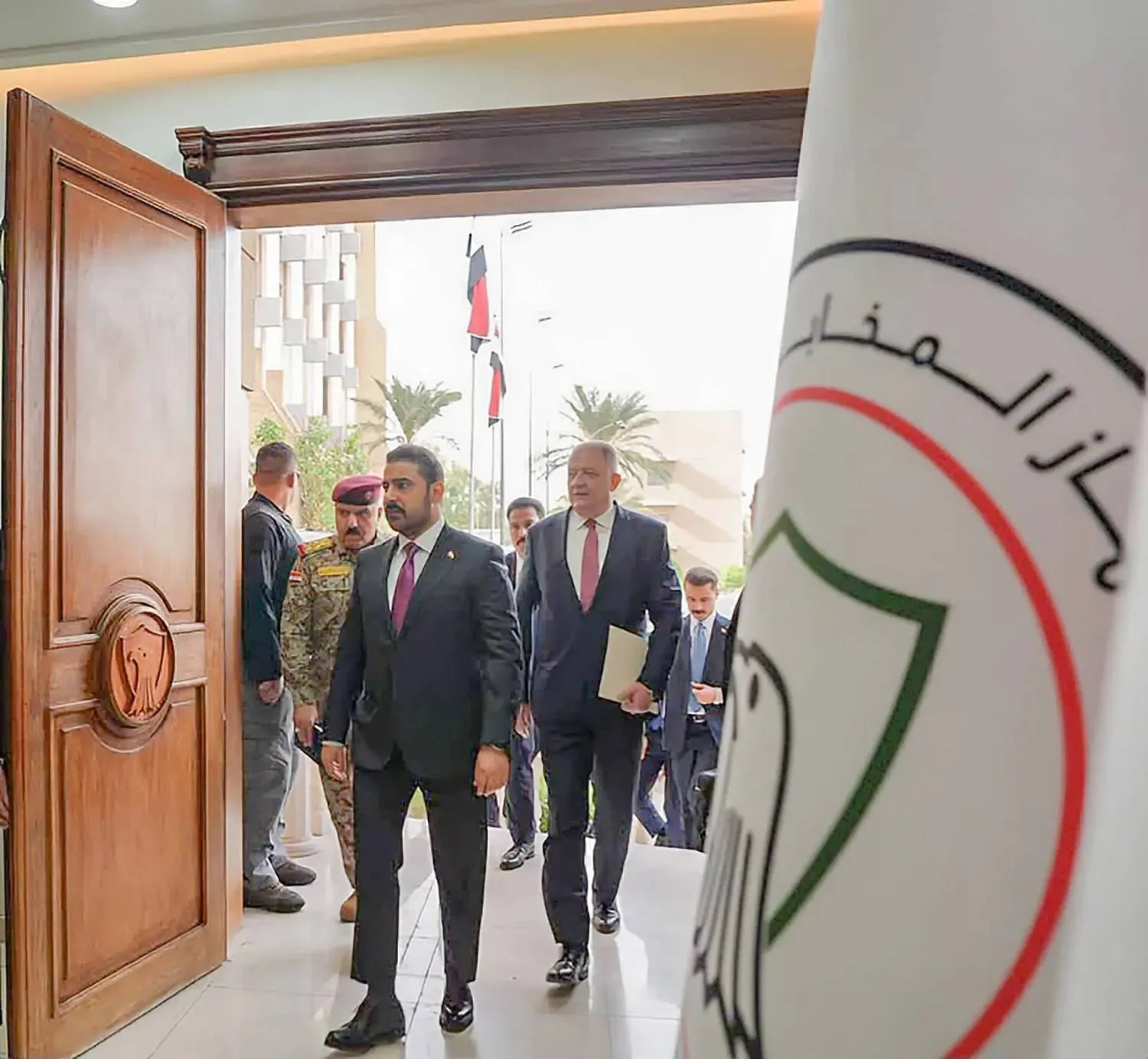

Iraqi Prime Minister Ali al-Zaidi is preparing to visit Kuwait and Bahrain this week as part of a diplomatic drive to reshape relations with neighboring countries, following trips to Saudi Arabia, Jordan, Syria, Türkiye and Iran, according to a government source.
Political assessments in Baghdad suggest his visits to Saudi Arabia and Jordan were aimed at building trust with both countries’ leaders following a series of attacks by armed factions operating in Iraq.
Al-Zaidi offered assurances that such attacks would not happen again, as efforts to bring weapons under state control continue despite opposition from some factions and attempts to delay implementation. The process is expected to be completed by June 2027.
In Türkiye, talks focused on the transit of Iraqi oil through the port of Ceyhan, the Development Road project and longstanding water disputes.
Old disputes and new prospects
As political circles await the upcoming Gulf visits, reports indicate that longstanding disputes between Baghdad and Kuwait will dominate one set of talks, while minority issues will feature on the Bahrain agenda.
An informed source told reporters that discussions would address maritime border demarcation, the Mubarak al-Kabeer Port project and its impact on Iraq’s Grand Faw Port, alongside security concerns and regional stability.
The source added that the Bahrain visit would focus on de-escalation to maintain security in the region, noting that Al-Zaidi had previously discussed the agenda for both trips with leaders of Iraq’s Coordination Framework alliance.
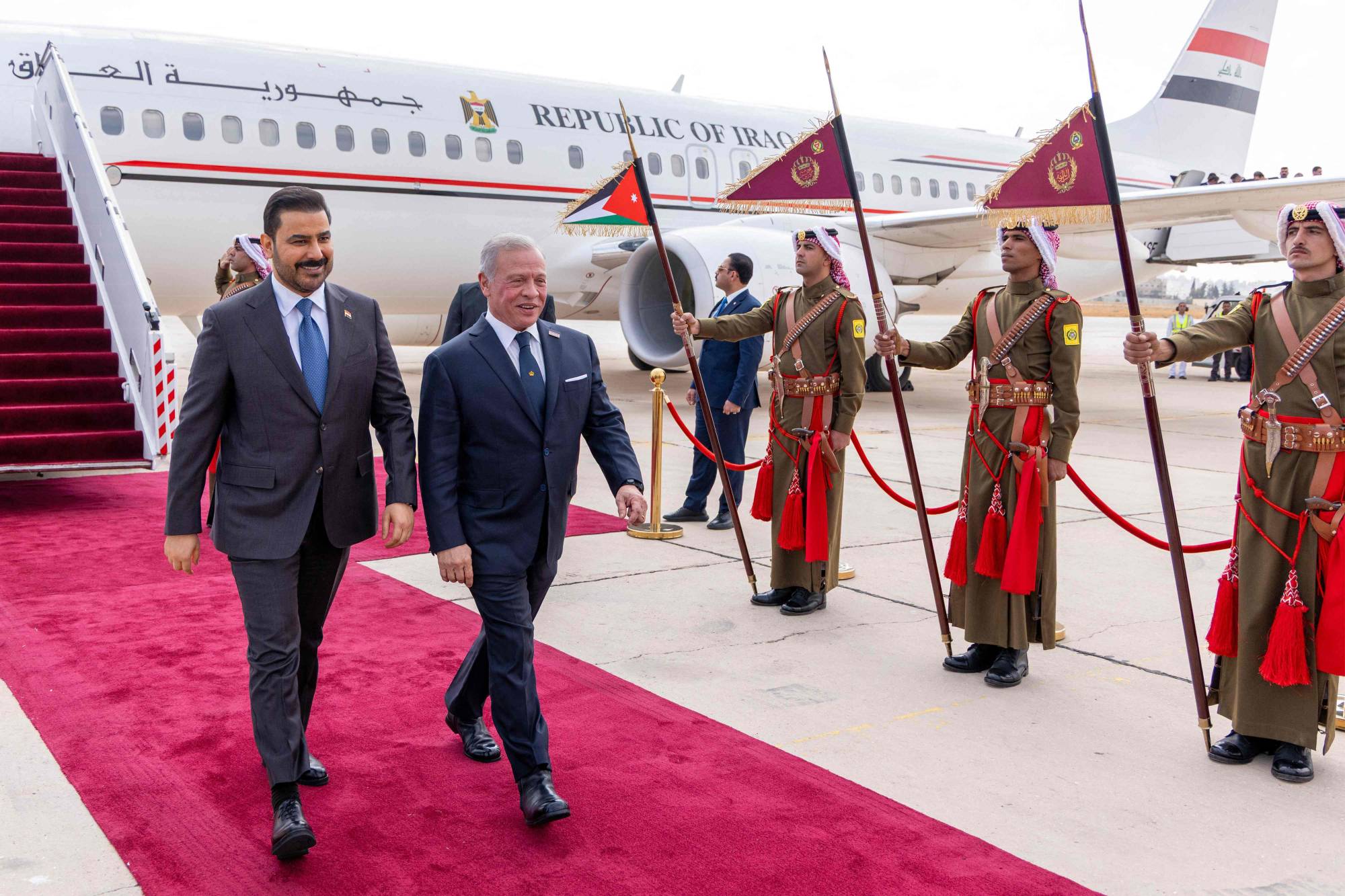
The prime minister’s recent diplomatic engagements included a July 28, 2026, visit to Türkiye, where he met President Recep Tayyip Erdogan, followed by talks with Prince Mohammed bin Salman, Saudi Crown Prince and Prime Minister, on October 14 and Jordan’s King Abdullah II on October 26.
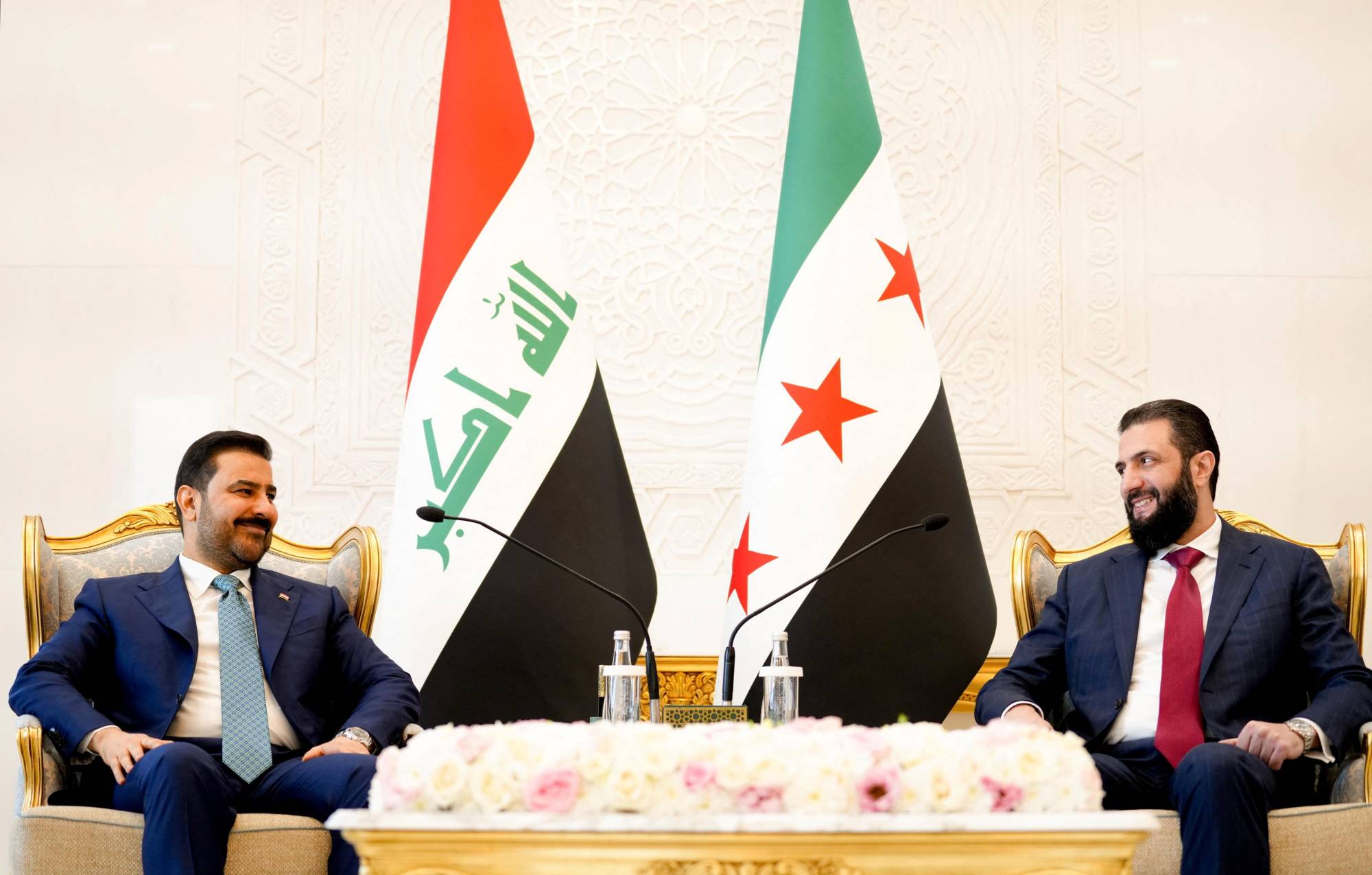
On October 28, he traveled to Damascus for talks with Syrian President Ahmad Al-Sharaa on bilateral relations and ways to strengthen political, economic and security cooperation.
Pivotal visits
The Syria trip was particularly significant, marking the first by an Iraqi prime minister since the overthrow of Bashar Al-Assad’s regime in 2024 and the establishment of a new administration under Al-Sharaa, developments followed by political and sectarian complications.
According to observers, the meeting helped ease mutual concerns and address shared challenges, particularly border security amid the presence of ISIS cells on both sides of the frontier.
The two leaders also discussed the possibility of restarting the Iraqi oil pipeline through Syria’s port of Baniyas.
Al-Zaidi’s visit to Iran, meanwhile, appeared to extend beyond bilateral relations, fueling speculation in Iraqi political circles that he may have conveyed firm US messages to Tehran, particularly as the trip followed his visit to Washington in July.
Regional alignments and political settlements
Former Iraqi lawmaker and Azm Alliance leader Haidar Al-Mulla told Asharq Al-Awsat that Iraq remained more affected by regional conflicts than capable of influencing their outcome.
“The region is experiencing a state of conflict, and Iraq has no influence over this international equation. It is not part of the equation of political settlements but is affected by what is happening,” he said.
He described the prime minister’s diplomatic outreach as a positive step toward keeping Iraq out of competing regional blocs.
“The prime minister’s shuttle visits are positive steps that put the state on the right path,” he noted.
“Iraq intends to open channels of dialogue with its Arab and non-Arab neighbors. This is a positive step that distances us from the alignments currently taking shape in the region.”
Essam Al-Faili, a political science professor at Al-Mustansiriya University, told Asharq Al-Awsat that Al-Zaidi was seeking balanced relations with countries across the region, drawing on Iraq’s geopolitical importance and economic potential to expand its international engagement.
“Al-Zaidi wants to establish strategic relations with Arab countries primarily through shared economic interests,” he said.
“He recognizes Iraq’s importance to the Gulf states, which could eventually contribute to its reintegration into the Gulf system.”
Al-Faili argued that Iraq should contribute to regional stability in the postwar period, particularly as competing alliances and political blocs have become more pronounced.
He said the prime minister was determined to distance Baghdad from such alignments and had succeeded in curbing the influence of Iran’s regional proxies.
“This ultimately sends a message to the Gulf states that Iraqi decision-making will carry weight, helping strengthen relations with all Arab countries,” he remarked.


