Yemen's Houthis have earmarked nearly $10 million in a single week for the families of fighters killed, wounded or missing in combat, sparking widespread outrage in areas under their control, where a deepening cost-of-living crisis has left public sector workers without salaries for years.
Late last month, the Houthi-run General Authority for the Care of Families of Fallen Fighters launched a sweeping aid program for the group's supporters and the families of its dead and wounded, worth a reported $9.34 million (5.443 billion Yemeni rials, at the group's fixed exchange rate of 530 rials to the dollar).
The spending is part of the group's annual commemorations, known as "Martyr's Week."
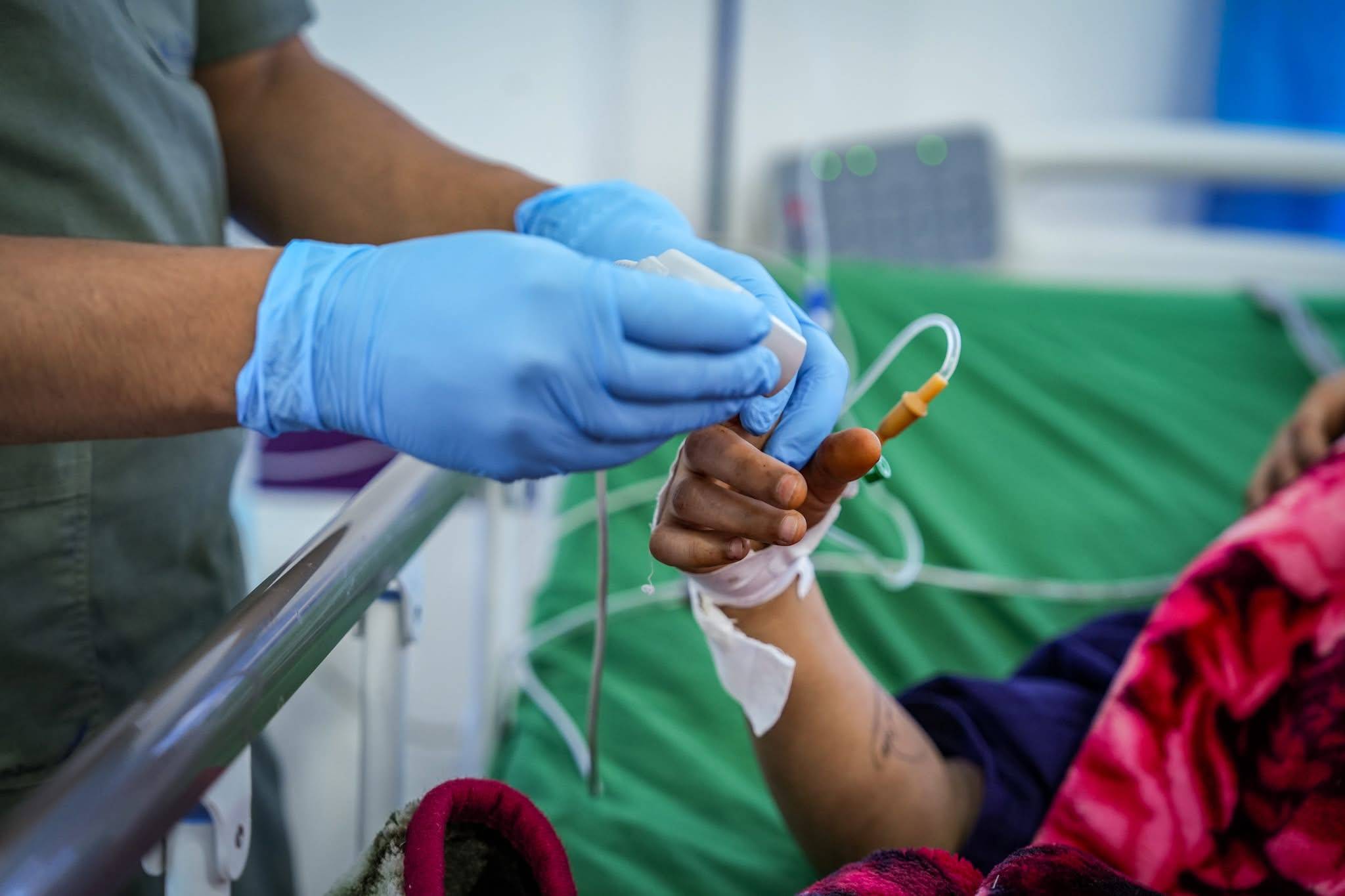
The program includes food and medical assistance as well as cash payments. At the launch, Saleh Hamza, the authority's deputy chairman and a senior Houthi official, said the projects would commemorate fallen fighters, provide regular welfare and economic empowerment programs, and expand support for the families of those killed, wounded or missing.
The Houthis also plan to distribute food baskets worth $3.36 million (1.8 billion rials) and symbolic gifts valued at $2.61 million (1.4 billion rials), alongside economic empowerment and welfare programs reserved exclusively for the group's members and their families.
The spending reflects a growing pattern in recent years of channeling financial and economic resources into the Houthi agenda. Hamza said billions of rials had been spent over the past year on cash, healthcare and food assistance exclusively for the families of fighters killed, wounded or missing.
Aid reserved for loyalists
The Houthis face accusations of diverting state resources and revenues from the Zakat and Endowments authorities, two parallel bodies they established in recent years, to fuel military mobilization and cement political loyalty rather than ease widespread economic hardship.
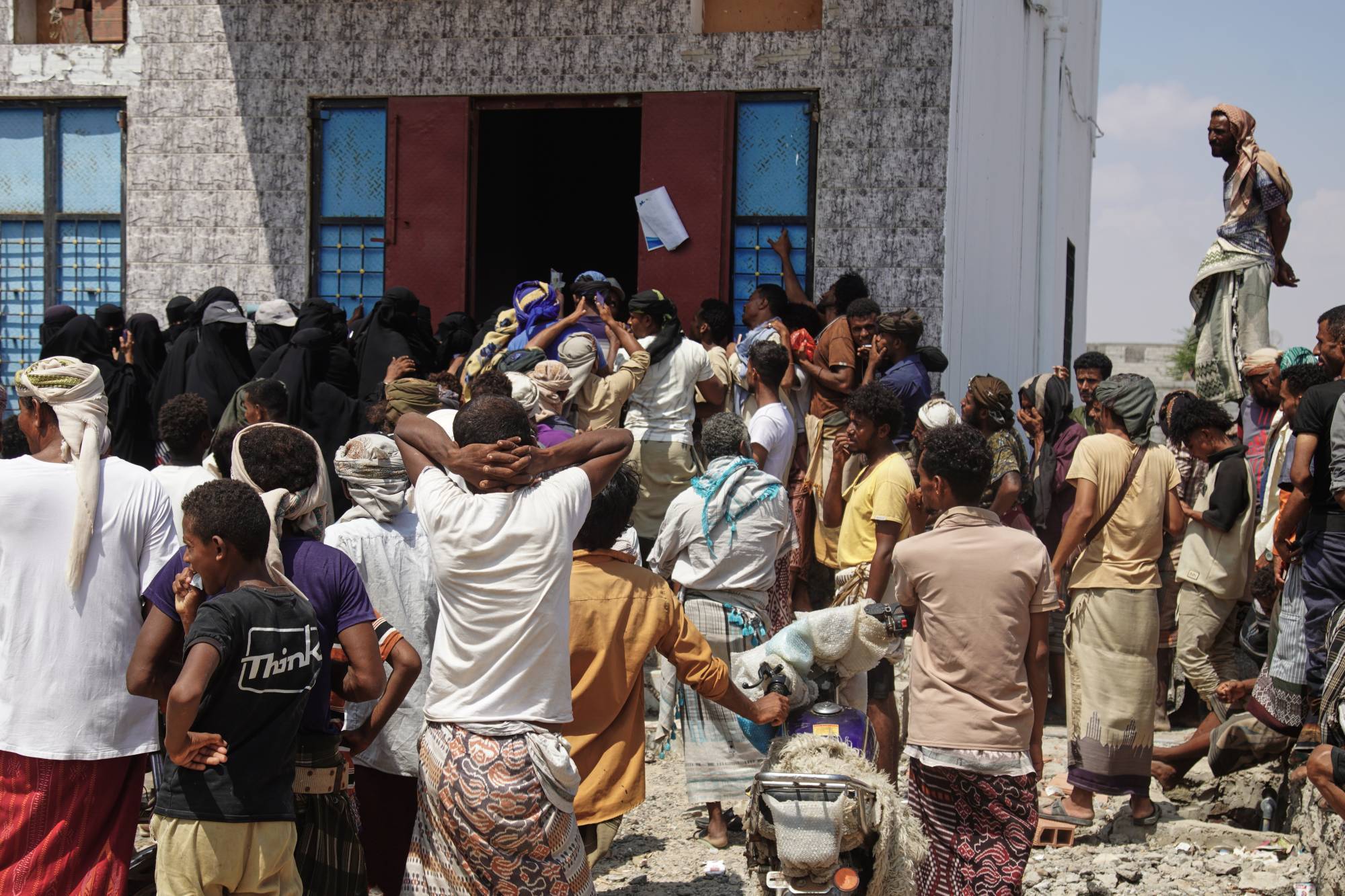
Residents of Sanaa say the group continues to pour money into programs for the families of its dead and wounded fighters and events promoting its sectarian ideology, while overlooking millions of Yemenis struggling to survive an increasingly severe humanitarian crisis.
For one public sector employee in Sanaa, the contrast is particularly bitter.
The employee, who requested anonymity, said he could no longer afford basic necessities for his five children, even as the Houthis allocated billions of rials to fighters' families and programs benefiting only their supporters.
He said the spending had deepened the bitterness felt by thousands of Yemenis unable to provide for their families.
He condemned the denial of food, healthcare and education to millions of Yemenis while such large sums were set aside for a relatively small number of families on the basis of political loyalty.
Poverty as a recruitment tool
Observers say the Houthis are exploiting the hardship of impoverished families to win their loyalty and persuade them to send more sons to fight on the front lines.
One father from a poor household expressed dismay at hearing of billions being spent on Houthi events and projects while struggling families face stark choices: cut back on basic necessities or sink deeper into debt.
With stable incomes scarce and access to aid dwindling, many families have few alternatives.
In rural areas around the Houthi-held capital, Sanaa, an education sector employee said years of unpaid salaries had driven thousands of teachers to seek other work just to cover their families' most basic needs.
Meanwhile, Houthi mobilization campaigns and spending on supporters continue, he said, even as teachers who have devoted years to education struggle to provide for their own children.
The spending comes as the United Nations ranks Yemen's humanitarian emergency among the world's worst, with millions of people in Houthi-controlled areas facing food insecurity and deteriorating basic services.