Illegal Gold Miners on Egypt-Sudan Border: Security Risks and Complex Ties

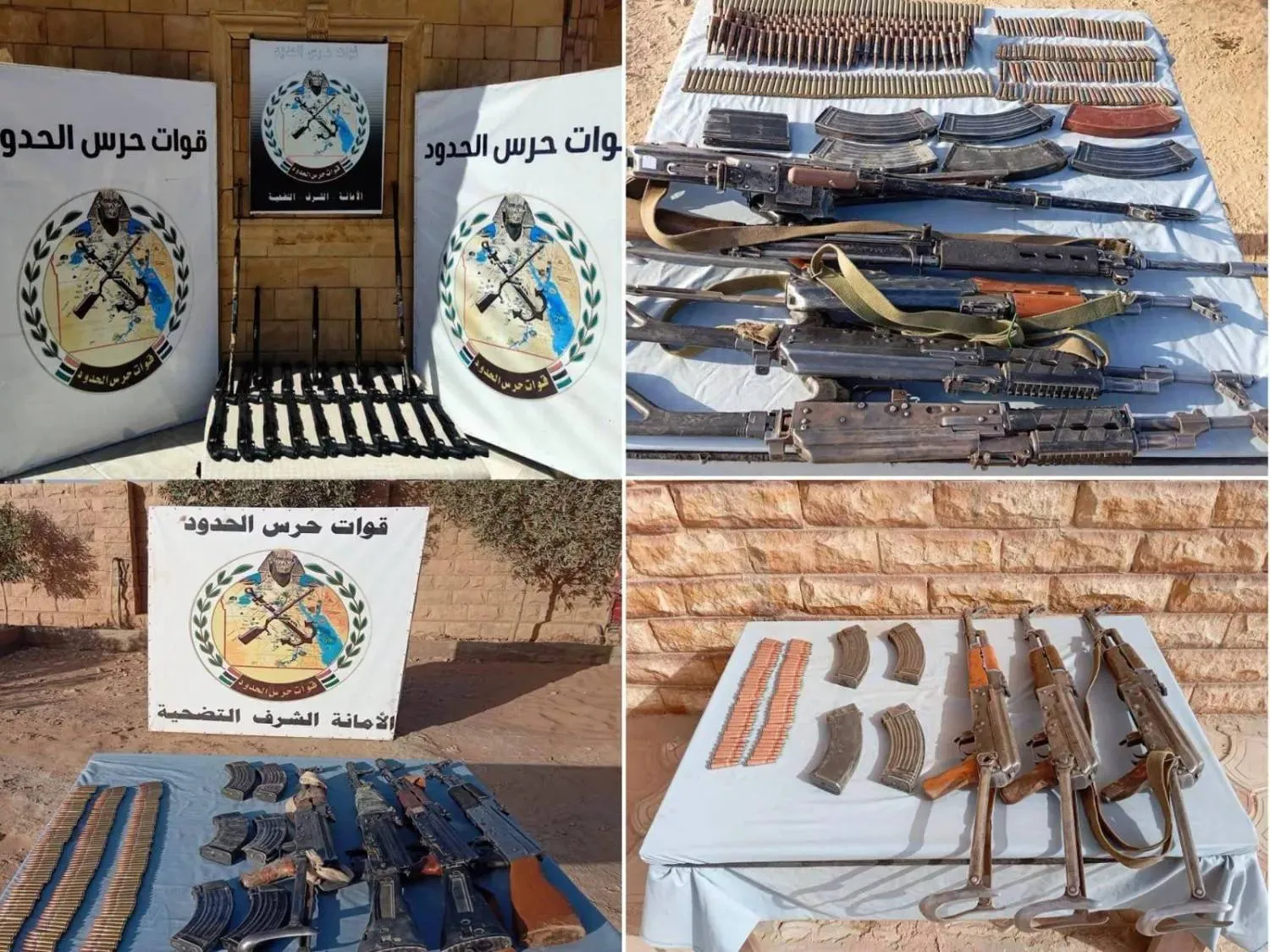
Some of the items seized during an Egyptian military operation on June 22 (Egyptian military spokesperson)
TT

Illegal Gold Miners on Egypt-Sudan Border: Security Risks and Complex Ties

Some of the items seized during an Egyptian military operation on June 22 (Egyptian military spokesperson)

Egypt's crackdown on illegal gold miners along its southern border with Sudan has come under renewed scrutiny after the military announced that two officers were killed in an operation targeting unauthorized gold prospecting.

The Egyptian armed forces said on Thursday that two border guard officers were killed during an operation against illegal gold mining along the country's southern frontier.

It said the campaign aimed to assert Egyptian sovereignty over its entire territory, stressing that civilians were not targeted and all strikes took place within Egyptian borders.

Military spokesperson Colonel Ahmed Othman identified the officers as Colonel Ahmed Samir, chief of staff of the Southern Region Border Guard Forces, and Lieutenant Colonel Ahmed Gouda, operations chief of a border guard battalion.

Both were killed when troops exchanged fire with criminal elements, he told a news conference.

Three-phase crackdown on gold prospectors

Egypt's military launched three phases of operations between June and October to confront a surge in illegal gold prospecting along the Sudanese border, where miners known locally as "dahaba" have expanded their activities.

The campaign came under scrutiny after reports emerged from Sudan of a border bombing that left dozens dead and wounded.

Egyptian military and strategic experts told Asharq Al-Awsat that the miners posed serious risks to stability and national security, making a crackdown unavoidable.

They expected tighter border security measures, warning that illegal gold mining sites could potentially become "hubs of support for terrorist groups."

In videos released since the launch of Operation Southern Shield, the Egyptian military said illegal gold mining had grown into a far broader security threat.

"What began as an assault on state resources has evolved into organized criminal activity that threatens national security and fuels arms, drug and human smuggling," the military said.

One video described Egypt's southern regions as part of a mineral-rich belt where licensed mining operations are expanding.

But criminal networks, it said, have exploited the rugged mountainous terrain to establish illegal mining sites equipped with heavy machinery, four-wheel-drive vehicles and advanced communications systems.

The military said the groups included armed Egyptians and foreign nationals, some of whom had attacked military and police personnel and legally operating mining companies.

Those attacks prompted a sweeping security operation, backed by detailed intelligence, to dismantle the sites and eliminate the threats they posed, it added.

Sudan launches investigation

Sudan's Transitional Sovereignty Council said it had formed a fact-finding committee to investigate an incident involving Sudanese miners near the Egyptian border.

In a statement on Monday, the council said the committee included representatives of the Public Prosecution Office, judicial authorities and security agencies tasked with establishing the circumstances and facts surrounding the incident.

On the Egyptian side, military spokesperson Colonel Ahmed Othman said Monday that armed forces and civilian police personnel were pressing ahead with the third phase of a large-scale operation against illegal gold mining in the Eastern Desert.

The operation followed the dropping of warning leaflets aimed at criminal groups and sought to assert full Egyptian sovereignty while protecting the country's resources and national wealth, he said.

The crackdown began in June, when the military said it detected 58 cases of unauthorized gold prospecting and seized 20 metal detectors, 118 electricity generators and 86 tons of rocks containing gold ore.

Egyptian strategic expert Major General Samir Farag said securing the country's borders was essential to protecting the state and preserving its stability.

Sudan's instability, he told Asharq Al-Awsat, has complicated border security and created opportunities for criminal gangs to infiltrate Egyptian territory.

"Sudan's current instability has negatively affected border conditions and security," Farag said. "This has led to illegal movements by gangs crossing into Egypt to smuggle weapons and drugs and engage in unauthorized gold mining, leaving Egypt with no choice but to protect its borders."

Farag described the dahaba as trained gangs posing grave risks to national security.

"They create pockets of threats in southern Egypt that open the door to much wider dangers," he said.

To counter those risks, authorities have reinforced border guard posts and stepped up vehicle and mobile patrols, deploying modern equipment and satellite communications technology to prevent unauthorized crossings and illegal activities on Egyptian soil, he added.

Beyond gold: A national security threat

Egyptian military and strategic expert Major General Osama Kabeer said the illegal mining boom posed two major threats: one to national security and the other to the economy.

The first, he said, was the breach of Egypt's borders by armed groups bringing in unauthorized workers.

"What is happening is a confrontation with elements that have crossed the border illegally, before they are even considered gold prospectors," Kabeer told Asharq Al-Awsat.

He warned that illegal gold mining was intertwined with wider criminal networks involved in migrant smuggling, human trafficking and the trafficking of drugs, weapons and ammunition.

"These activities contribute to the spread of crime and terrorism inside the country," he said.

The second threat was economic, Kabeer said, warning that illegal prospecting endangered the country's mineral wealth, gold reserves, antiquities and other resources underpinning its economy.

Gold theft, the depletion of mineral deposits and the smuggling of natural resources made military and security operations necessary to uphold the law, he added.

Farag said the military and security agencies followed established legal procedures during their operations, including issuing the required warnings before taking decisive action against border breaches or attempts to flee after smuggling and sabotage offenses.

Kabeer said the armed forces and police were working in close coordination, carrying out carefully planned operations to enforce the law.

He expected the campaign to continue, with authorities moving firmly against offenders to protect Egypt's territorial, geographical and political borders.

But he said enforcement would also take humanitarian considerations into account, with authorities reviewing the cases of detainees, deporting those not implicated in criminal activities and pursuing strict judicial action against those directly involved in sabotage and smuggling.


Illegal Gold Miners on Egypt-Sudan Border: Security Risks and Complex Ties

Some of the items seized during an Egyptian military operation on June 22 (Egyptian military spokesperson)
TT

Illegal Gold Miners on Egypt-Sudan Border: Security Risks and Complex Ties

Some of the items seized during an Egyptian military operation on June 22 (Egyptian military spokesperson)

Egypt's crackdown on illegal gold miners along its southern border with Sudan has come under renewed scrutiny after the military announced that two officers were killed in an operation targeting unauthorized gold prospecting.

The Egyptian armed forces said on Thursday that two border guard officers were killed during an operation against illegal gold mining along the country's southern frontier.

It said the campaign aimed to assert Egyptian sovereignty over its entire territory, stressing that civilians were not targeted and all strikes took place within Egyptian borders.

Military spokesperson Colonel Ahmed Othman identified the officers as Colonel Ahmed Samir, chief of staff of the Southern Region Border Guard Forces, and Lieutenant Colonel Ahmed Gouda, operations chief of a border guard battalion.

Both were killed when troops exchanged fire with criminal elements, he told a news conference.

Three-phase crackdown on gold prospectors

Egypt's military launched three phases of operations between June and October to confront a surge in illegal gold prospecting along the Sudanese border, where miners known locally as "dahaba" have expanded their activities.

The campaign came under scrutiny after reports emerged from Sudan of a border bombing that left dozens dead and wounded.

Egyptian military and strategic experts told Asharq Al-Awsat that the miners posed serious risks to stability and national security, making a crackdown unavoidable.

They expected tighter border security measures, warning that illegal gold mining sites could potentially become "hubs of support for terrorist groups."

In videos released since the launch of Operation Southern Shield, the Egyptian military said illegal gold mining had grown into a far broader security threat.

"What began as an assault on state resources has evolved into organized criminal activity that threatens national security and fuels arms, drug and human smuggling," the military said.

One video described Egypt's southern regions as part of a mineral-rich belt where licensed mining operations are expanding.

But criminal networks, it said, have exploited the rugged mountainous terrain to establish illegal mining sites equipped with heavy machinery, four-wheel-drive vehicles and advanced communications systems.

The military said the groups included armed Egyptians and foreign nationals, some of whom had attacked military and police personnel and legally operating mining companies.

Those attacks prompted a sweeping security operation, backed by detailed intelligence, to dismantle the sites and eliminate the threats they posed, it added.

Sudan launches investigation

Sudan's Transitional Sovereignty Council said it had formed a fact-finding committee to investigate an incident involving Sudanese miners near the Egyptian border.

In a statement on Monday, the council said the committee included representatives of the Public Prosecution Office, judicial authorities and security agencies tasked with establishing the circumstances and facts surrounding the incident.

On the Egyptian side, military spokesperson Colonel Ahmed Othman said Monday that armed forces and civilian police personnel were pressing ahead with the third phase of a large-scale operation against illegal gold mining in the Eastern Desert.

The operation followed the dropping of warning leaflets aimed at criminal groups and sought to assert full Egyptian sovereignty while protecting the country's resources and national wealth, he said.

The crackdown began in June, when the military said it detected 58 cases of unauthorized gold prospecting and seized 20 metal detectors, 118 electricity generators and 86 tons of rocks containing gold ore.

Egyptian strategic expert Major General Samir Farag said securing the country's borders was essential to protecting the state and preserving its stability.

Sudan's instability, he told Asharq Al-Awsat, has complicated border security and created opportunities for criminal gangs to infiltrate Egyptian territory.

"Sudan's current instability has negatively affected border conditions and security," Farag said. "This has led to illegal movements by gangs crossing into Egypt to smuggle weapons and drugs and engage in unauthorized gold mining, leaving Egypt with no choice but to protect its borders."

Farag described the dahaba as trained gangs posing grave risks to national security.

"They create pockets of threats in southern Egypt that open the door to much wider dangers," he said.

To counter those risks, authorities have reinforced border guard posts and stepped up vehicle and mobile patrols, deploying modern equipment and satellite communications technology to prevent unauthorized crossings and illegal activities on Egyptian soil, he added.

Beyond gold: A national security threat

Egyptian military and strategic expert Major General Osama Kabeer said the illegal mining boom posed two major threats: one to national security and the other to the economy.

The first, he said, was the breach of Egypt's borders by armed groups bringing in unauthorized workers.

"What is happening is a confrontation with elements that have crossed the border illegally, before they are even considered gold prospectors," Kabeer told Asharq Al-Awsat.

He warned that illegal gold mining was intertwined with wider criminal networks involved in migrant smuggling, human trafficking and the trafficking of drugs, weapons and ammunition.

"These activities contribute to the spread of crime and terrorism inside the country," he said.

The second threat was economic, Kabeer said, warning that illegal prospecting endangered the country's mineral wealth, gold reserves, antiquities and other resources underpinning its economy.

Gold theft, the depletion of mineral deposits and the smuggling of natural resources made military and security operations necessary to uphold the law, he added.

Farag said the military and security agencies followed established legal procedures during their operations, including issuing the required warnings before taking decisive action against border breaches or attempts to flee after smuggling and sabotage offenses.

Kabeer said the armed forces and police were working in close coordination, carrying out carefully planned operations to enforce the law.

He expected the campaign to continue, with authorities moving firmly against offenders to protect Egypt's territorial, geographical and political borders.

But he said enforcement would also take humanitarian considerations into account, with authorities reviewing the cases of detainees, deporting those not implicated in criminal activities and pursuing strict judicial action against those directly involved in sabotage and smuggling.

Houthis Spend Millions on Loyalists, Drawing Outrage from Struggling Yemenis

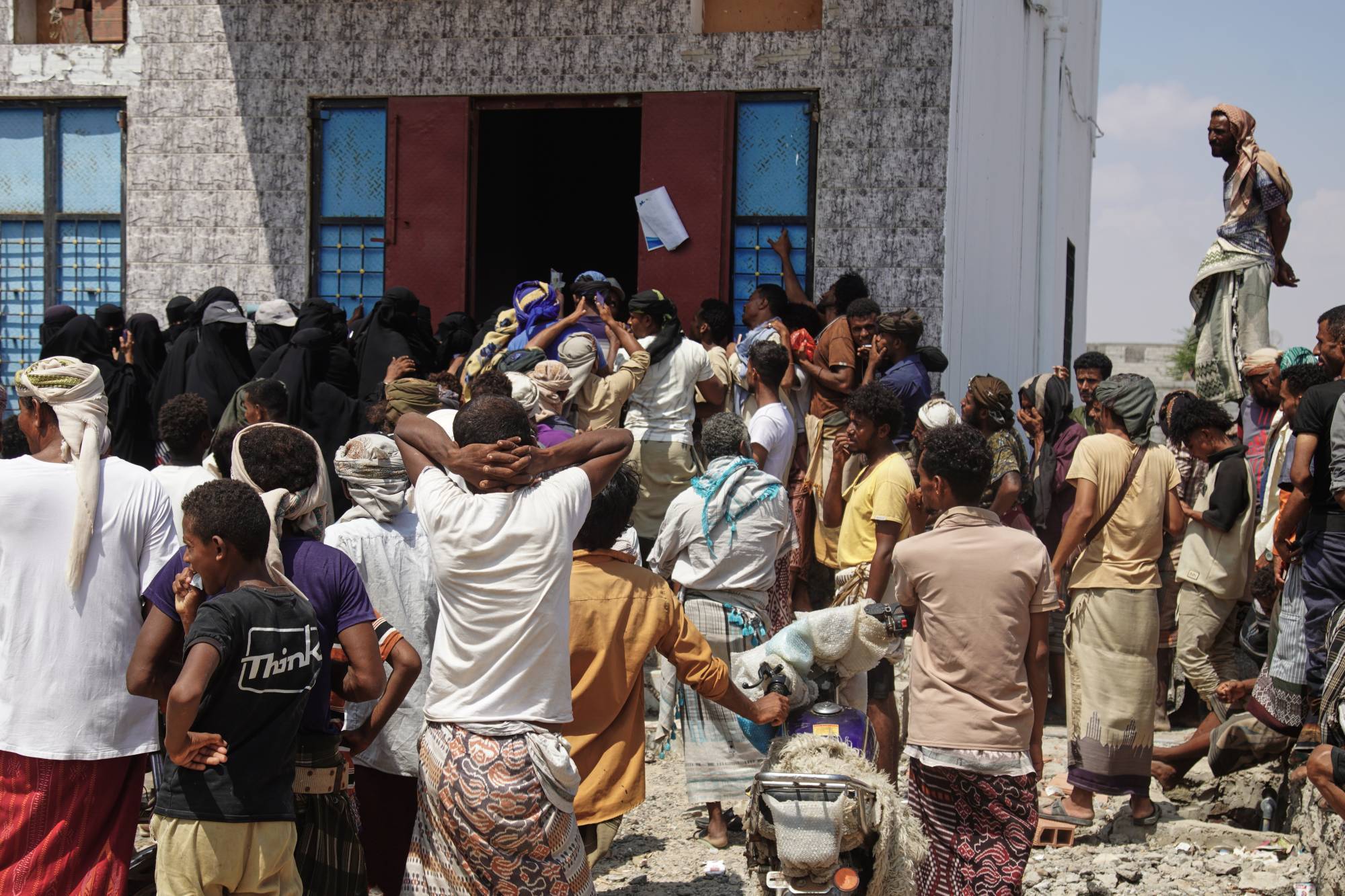
Food aid distributed by the Houthis to families of their killed and wounded fighters in Sanaa (Facebook)
TT

Houthis Spend Millions on Loyalists, Drawing Outrage from Struggling Yemenis

Food aid distributed by the Houthis to families of their killed and wounded fighters in Sanaa (Facebook)

Yemen's Houthis have earmarked nearly $10 million in a single week for the families of fighters killed, wounded or missing in combat, sparking widespread outrage in areas under their control, where a deepening cost-of-living crisis has left public sector workers without salaries for years.

Late last month, the Houthi-run General Authority for the Care of Families of Fallen Fighters launched a sweeping aid program for the group's supporters and the families of its dead and wounded, worth a reported $9.34 million (5.443 billion Yemeni rials, at the group's fixed exchange rate of 530 rials to the dollar).

The spending is part of the group's annual commemorations, known as "Martyr's Week."

The program includes food and medical assistance as well as cash payments. At the launch, Saleh Hamza, the authority's deputy chairman and a senior Houthi official, said the projects would commemorate fallen fighters, provide regular welfare and economic empowerment programs, and expand support for the families of those killed, wounded or missing.

The Houthis also plan to distribute food baskets worth $3.36 million (1.8 billion rials) and symbolic gifts valued at $2.61 million (1.4 billion rials), alongside economic empowerment and welfare programs reserved exclusively for the group's members and their families.

The spending reflects a growing pattern in recent years of channeling financial and economic resources into the Houthi agenda. Hamza said billions of rials had been spent over the past year on cash, healthcare and food assistance exclusively for the families of fighters killed, wounded or missing.

Aid reserved for loyalists

The Houthis face accusations of diverting state resources and revenues from the Zakat and Endowments authorities, two parallel bodies they established in recent years, to fuel military mobilization and cement political loyalty rather than ease widespread economic hardship.

Residents of Sanaa say the group continues to pour money into programs for the families of its dead and wounded fighters and events promoting its sectarian ideology, while overlooking millions of Yemenis struggling to survive an increasingly severe humanitarian crisis.

For one public sector employee in Sanaa, the contrast is particularly bitter.

The employee, who requested anonymity, said he could no longer afford basic necessities for his five children, even as the Houthis allocated billions of rials to fighters' families and programs benefiting only their supporters.

He said the spending had deepened the bitterness felt by thousands of Yemenis unable to provide for their families.

He condemned the denial of food, healthcare and education to millions of Yemenis while such large sums were set aside for a relatively small number of families on the basis of political loyalty.

Poverty as a recruitment tool

Observers say the Houthis are exploiting the hardship of impoverished families to win their loyalty and persuade them to send more sons to fight on the front lines.

One father from a poor household expressed dismay at hearing of billions being spent on Houthi events and projects while struggling families face stark choices: cut back on basic necessities or sink deeper into debt.

With stable incomes scarce and access to aid dwindling, many families have few alternatives.

In rural areas around the Houthi-held capital, Sanaa, an education sector employee said years of unpaid salaries had driven thousands of teachers to seek other work just to cover their families' most basic needs.

Meanwhile, Houthi mobilization campaigns and spending on supporters continue, he said, even as teachers who have devoted years to education struggle to provide for their own children.

The spending comes as the United Nations ranks Yemen's humanitarian emergency among the world's worst, with millions of people in Houthi-controlled areas facing food insecurity and deteriorating basic services.


Houthi Escalation Drives Up Casualties, Threatens Widespread Humanitarian Collapse

The total number of casualties from the escalation through the end of October reached 9,730, including 7,959 injuries and 1,771 deaths. (Local media)
TT

Houthi Escalation Drives Up Casualties, Threatens Widespread Humanitarian Collapse

The total number of casualties from the escalation through the end of October reached 9,730, including 7,959 injuries and 1,771 deaths. (Local media)

Local and international medical organizations in Yemen reported a sharp rise in daily casualties from the Houthi military escalation, to 132 from about 93 last week, with the Lahj governorate the hardest hit as fighting persisted and the Houthis targeted populated areas with missiles and drones.

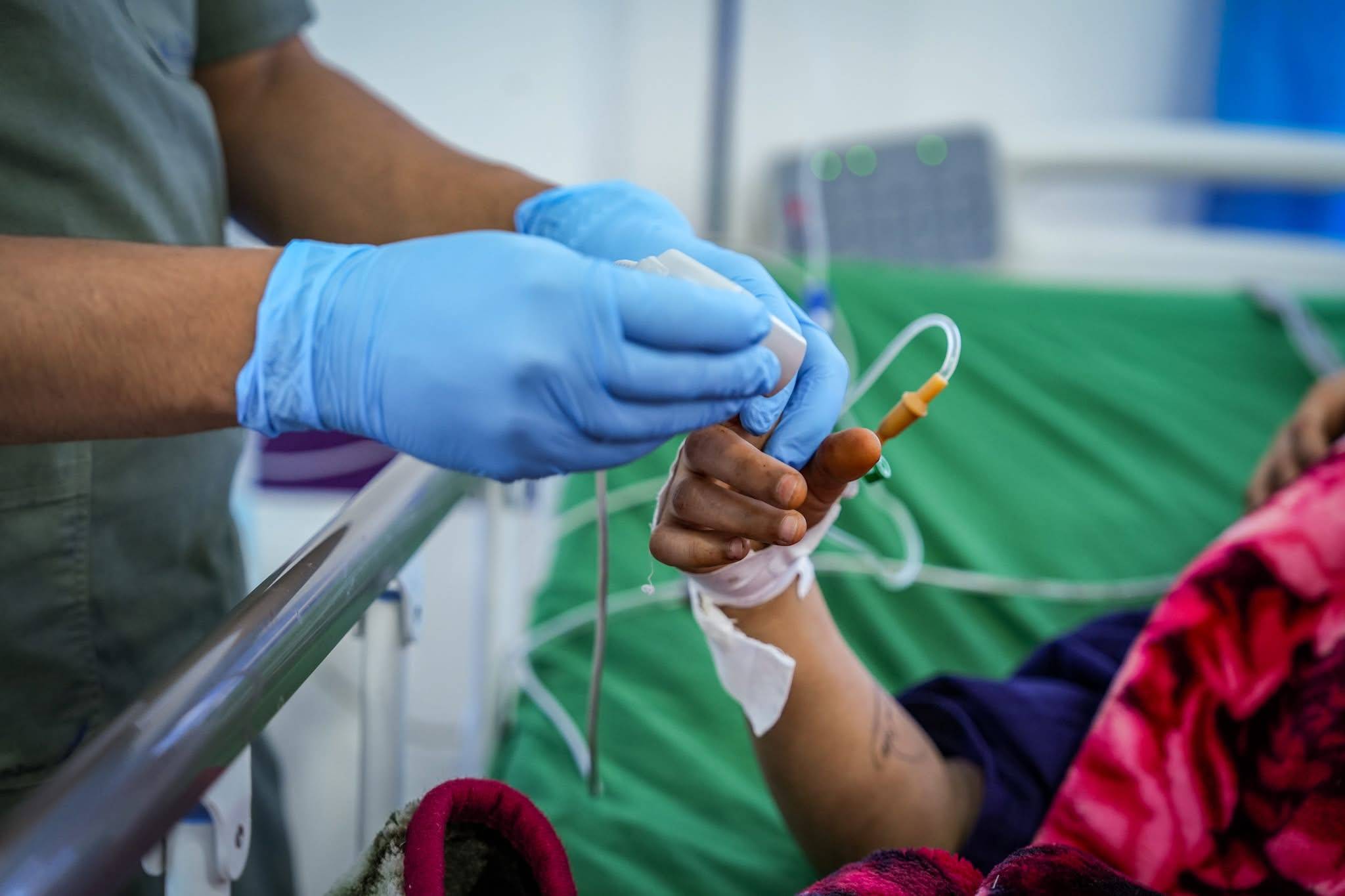
The latest Health Cluster report put the total number of casualties recorded by the health emergency operations center through the end of October at 9,730, including 7,959 injuries and 1,771 deaths, an increase of 658 in just five days.

The southwestern province of Lahj accounted for 309 casualties, or 47% of the new cases. Marib recorded the highest fatality rate, with 36 deaths among 172 casualties, or 21%. Of those, 117 casualties, including 20 deaths, were reported on Oct. 30 alone in Al-Jubah and Harib districts and along the Al-Jawf front.

The Health Cluster, which comprises 31 health sectors, warned of deteriorating services along Yemen's western coast. All three partner-supported health facilities in Al-Waziyah district had stopped operating, while access restrictions prevented the collection of October data in Dhubab district.

The deterioration came as the number of displaced people exceeded 320,000, according to the International Organization for Migration (IOM), with most of the displacement occurring over the past two months.

Yemenis displaced by Houthi attacks in Taiz gather to receive aid on the outskirts of Aden. (AP)

Diseases

Some 43,000 people have been displaced from Lahj's Al-Mudarabah and Al-Arah district since the start of last year, while the interim capital Aden currently hosts more than 56,000 displaced people. Prices of essential goods in Taiz have risen threefold to fivefold.

The report identified 28 new or reopened displacement sites sheltering 21,273 people without dedicated site management or humanitarian oversight. Another 105 sites, housing 74,456 people, were recorded in western Taiz districts that came under Houthi control during the same month.

The humanitarian response faces severe shortages. The World Health Organization (WHO) is funding just nine mobile medical teams against a target of 30 to 40, and four fixed health centers against a target of 25 to 35.

The report also highlighted an urgent need to coordinate with the Executive Unit for the Management of IDPs Camps to identify suitable locations for delivering services.

Cholera cases continued to fall across the five worst-affected provinces, dropping from 639 in epidemiological week 40 to 443 in week 43. Data for week 44, however, remained 23% incomplete.

The WHO consequently identified 23 districts with a combined population of 2.25 million as priorities for requesting a single dose of oral cholera vaccine from the International Coordinating Group.

Cholera cases continued to fall across the five worst-affected provinces. (UN)

Healthcare gaps

Restrictions have disrupted aid deliveries, forcing the cancellation of air bridge flights to Sanaa scheduled for Oct. 29 and Nov. 3.

The WHO's second pilot medical shipment, weighing 10 metric tons, also remains on hold pending coordination with the World Food Program for transport to Taiz.

The disruptions come amid a severe funding shortfall. Just 12% of the 90-day humanitarian response plan has been funded, with the WHO receiving $3.7 million of the $31 million required, leaving a $27.3 million gap.

Even if an additional $7.3 million under discussion with European donors and the Central Emergency Response Fund is approved, 65% of the plan would remain unfunded, threatening the response beyond year-end.

The report identified four critical, unfunded gaps in the care of injured patients: patient referral systems, a Level 2 surgical facility, expanded intensive care capacity, including fuel for 77 health facilities, and post-discharge rehabilitation services.

Without post-discharge rehabilitation, patients cannot be safely released from surgical wards, leaving beds occupied, reducing hospital capacity and preventing new patients from receiving treatment.