Saudi Arabia Curbs Inflation Despite Geopolitical Developments, Global Trade Disruptions

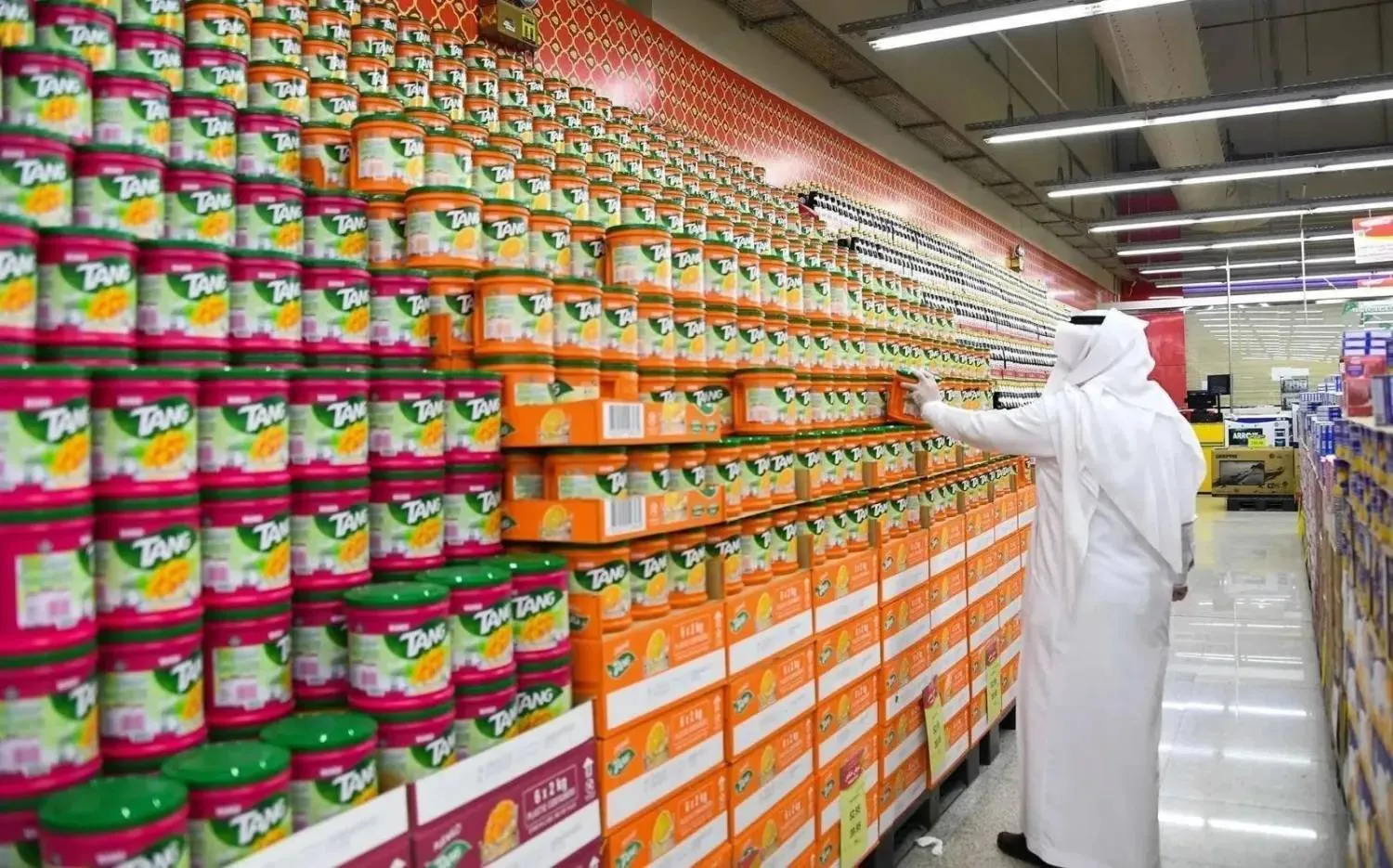
Data released Sunday by the Kingdom’s General Authority for Statistics showed that the consumer price index rose 0.1 percent on a monthly basis in October compared with the previous month. (SPA)
TT

Saudi Arabia Curbs Inflation Despite Geopolitical Developments, Global Trade Disruptions

Data released Sunday by the Kingdom’s General Authority for Statistics showed that the consumer price index rose 0.1 percent on a monthly basis in October compared with the previous month. (SPA)

Saudi Arabia’s annual inflation rate slowed to 1.7 percent in October, down from 1.9 percent in September, returning to its lowest level this year. The figure reflects the economy’s continued ability to contain price pressures and maintain price stability despite challenges from geopolitical developments and global trade disruptions.

Data released Sunday by the Kingdom’s General Authority for Statistics showed that the consumer price index rose 0.1 percent on a monthly basis in October compared with the previous month. The annual slowdown was driven by price increases across several major categories remaining relatively limited, even as housing costs continued to lead price drivers.

Prices in the housing, water, electricity, gas, and other fuels category rose 3.5 percent year-on-year in October - the same increase recorded in actual housing rents - keeping this category as the largest contributor to inflation.

Prices for insurance and financial services also climbed 3.5 percent, driven by a 6.5 percent rise in insurance service prices, while recreation, sport, and culture prices rose 2.7 percent due to a 4.6 percent increase in package holiday prices.

Food and beverages

Transport prices recorded an annual increase of 2.3 percent, driven by a 9.5 percent surge in passenger transport services, while restaurant and accommodation services rose 1.8 percent and education services climbed 1.3 percent.

Prices for food and beverages - one of the heavily weighted categories in the consumer basket - increased 1.1 percent, while information and communications prices registered a 0.5 percent rise.

Prices for furnishings, household equipment, and routine household maintenance declined 0.5 percent, and clothing and footwear fell 0.2 percent, while the personal care, social protection, and miscellaneous goods and services category edged down 0.6 percent.

Monthly comparison

On a monthly basis, the general index rose 0.1 percent, with prices for housing, water, electricity, gas, and other fuels increasing 0.2 percent, driven by a 0.4 percent rise in actual housing rents. Food and beverage prices also edged up 0.2 percent, while insurance and financial services climbed 1.5 percent.

While these figures reflect an improvement in the inflation landscape, housing and rental costs remain the most prominent challenge for household budgets amid ongoing living pressures, raising questions about the extent to which easing inflation translates into improved purchasing power and quality of life.

Trade disruptions

Financial and economic advisor Hussein Al-Attas the slow inflation rate reflects a combination of domestic factors that reinforced price stability, most notably the riyal’s peg to the US dollar and the relative buffer it provides against import price volatility. He also noted moderate commodity prices, efficient supply chains, and diversified import sources.

Speaking to Asharq Al-Awsat, Al-Attas said that stable monetary policy and exchange rates, together with government and regulatory measures, helped curb the spillover of external inflationary pressures into the domestic market.

While the October reading shows inflation remains contained at moderate levels, its trajectory in the coming period will remain tied to developments in domestic demand, housing costs, and imported goods.

Al-Attas expects inflation to stay within moderate levels through the end of the year, with the potential for limited fluctuations driven by expanding economic activity and mega-projects, as well as risks of higher shipping and insurance costs.

Purchasing power

Economic specialist Ahmed Alshehri views the drop in Saudi Arabia’s inflation rate in October as a positive indicator reflecting a degree of economic stability and the ability to contain price pressures, particularly amid turbulent global conditions and the geopolitical and trade challenges facing markets.

Speaking to Asharq Al-Awsat, he said: “What matters more than the drop in the figure itself is how this stability is reflected in the daily lives of citizens and residents, as well as their purchasing power and cost-of-living expenditures.”

Given housing and rental costs, which represent the most prominent challenge, their continued rise means a broad segment of households still faces financial pressures, even as headline inflation slows, he remarked.

Consumers do not measure the economic situation solely through indicators and percentages, but through what they pay each month for housing, food, transportation, and basic services, making the control of living costs an equal priority alongside maintaining price stability, he stressed.

Alshehri said the next phase requires leveraging the relative stability of inflation to boost purchasing power, continuing to address the drivers of rising rents, and boosting the efficiency of markets and supply chains.

Economic success is measured not only by a decline in the inflation rate, but by the extent to which people feel the results of this drop in their daily lives, he explained.

True economic stability is reflected in quality of life and gives households greater confidence in the future along with a better ability to plan and save, he said.

Saudi Arabia Curbs Inflation Despite Geopolitical Developments, Global Trade Disruptions

Data released Sunday by the Kingdom’s General Authority for Statistics showed that the consumer price index rose 0.1 percent on a monthly basis in October compared with the previous month. (SPA)
TT

Saudi Arabia Curbs Inflation Despite Geopolitical Developments, Global Trade Disruptions

Data released Sunday by the Kingdom’s General Authority for Statistics showed that the consumer price index rose 0.1 percent on a monthly basis in October compared with the previous month. (SPA)

Saudi Arabia’s annual inflation rate slowed to 1.7 percent in October, down from 1.9 percent in September, returning to its lowest level this year. The figure reflects the economy’s continued ability to contain price pressures and maintain price stability despite challenges from geopolitical developments and global trade disruptions.

Data released Sunday by the Kingdom’s General Authority for Statistics showed that the consumer price index rose 0.1 percent on a monthly basis in October compared with the previous month. The annual slowdown was driven by price increases across several major categories remaining relatively limited, even as housing costs continued to lead price drivers.

Prices in the housing, water, electricity, gas, and other fuels category rose 3.5 percent year-on-year in October - the same increase recorded in actual housing rents - keeping this category as the largest contributor to inflation.

Prices for insurance and financial services also climbed 3.5 percent, driven by a 6.5 percent rise in insurance service prices, while recreation, sport, and culture prices rose 2.7 percent due to a 4.6 percent increase in package holiday prices.

Food and beverages

Transport prices recorded an annual increase of 2.3 percent, driven by a 9.5 percent surge in passenger transport services, while restaurant and accommodation services rose 1.8 percent and education services climbed 1.3 percent.

Prices for food and beverages - one of the heavily weighted categories in the consumer basket - increased 1.1 percent, while information and communications prices registered a 0.5 percent rise.

Prices for furnishings, household equipment, and routine household maintenance declined 0.5 percent, and clothing and footwear fell 0.2 percent, while the personal care, social protection, and miscellaneous goods and services category edged down 0.6 percent.

Monthly comparison

On a monthly basis, the general index rose 0.1 percent, with prices for housing, water, electricity, gas, and other fuels increasing 0.2 percent, driven by a 0.4 percent rise in actual housing rents. Food and beverage prices also edged up 0.2 percent, while insurance and financial services climbed 1.5 percent.

While these figures reflect an improvement in the inflation landscape, housing and rental costs remain the most prominent challenge for household budgets amid ongoing living pressures, raising questions about the extent to which easing inflation translates into improved purchasing power and quality of life.

Trade disruptions

Financial and economic advisor Hussein Al-Attas the slow inflation rate reflects a combination of domestic factors that reinforced price stability, most notably the riyal’s peg to the US dollar and the relative buffer it provides against import price volatility. He also noted moderate commodity prices, efficient supply chains, and diversified import sources.

Speaking to Asharq Al-Awsat, Al-Attas said that stable monetary policy and exchange rates, together with government and regulatory measures, helped curb the spillover of external inflationary pressures into the domestic market.

While the October reading shows inflation remains contained at moderate levels, its trajectory in the coming period will remain tied to developments in domestic demand, housing costs, and imported goods.

Al-Attas expects inflation to stay within moderate levels through the end of the year, with the potential for limited fluctuations driven by expanding economic activity and mega-projects, as well as risks of higher shipping and insurance costs.

Purchasing power

Economic specialist Ahmed Alshehri views the drop in Saudi Arabia’s inflation rate in October as a positive indicator reflecting a degree of economic stability and the ability to contain price pressures, particularly amid turbulent global conditions and the geopolitical and trade challenges facing markets.

Speaking to Asharq Al-Awsat, he said: “What matters more than the drop in the figure itself is how this stability is reflected in the daily lives of citizens and residents, as well as their purchasing power and cost-of-living expenditures.”

Given housing and rental costs, which represent the most prominent challenge, their continued rise means a broad segment of households still faces financial pressures, even as headline inflation slows, he remarked.

Consumers do not measure the economic situation solely through indicators and percentages, but through what they pay each month for housing, food, transportation, and basic services, making the control of living costs an equal priority alongside maintaining price stability, he stressed.

Alshehri said the next phase requires leveraging the relative stability of inflation to boost purchasing power, continuing to address the drivers of rising rents, and boosting the efficiency of markets and supply chains.

Economic success is measured not only by a decline in the inflation rate, but by the extent to which people feel the results of this drop in their daily lives, he explained.

True economic stability is reflected in quality of life and gives households greater confidence in the future along with a better ability to plan and save, he said.


Oil Prices Fall on Expectations of Coming Supply Surplus

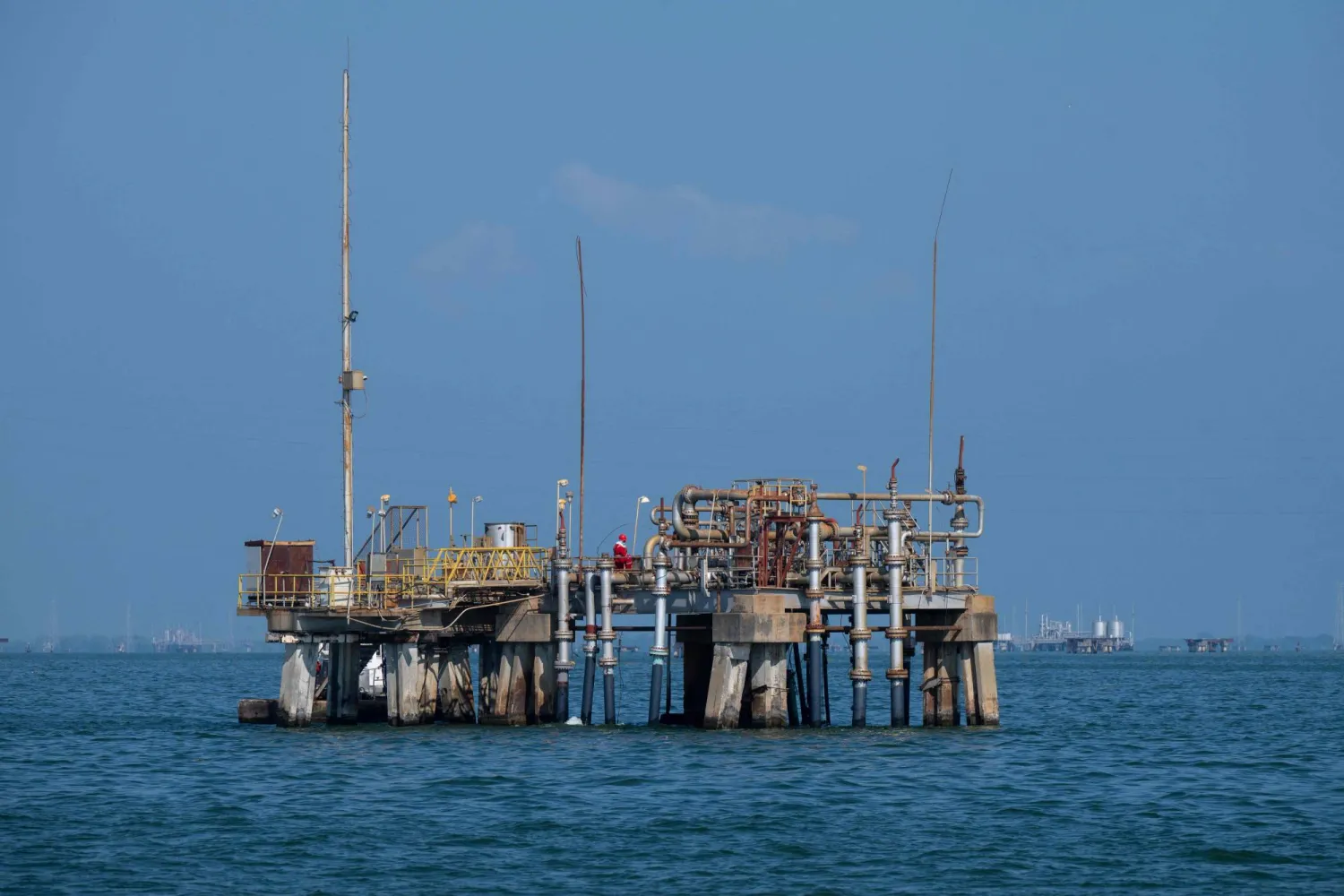
View of an offshore oil platform in Bachaquero, south of the Eastern Shore of Lake Maracaibo, Zulia state, Venezuela, on November 12, 2026. (AFP)
TT

Oil Prices Fall on Expectations of Coming Supply Surplus

View of an offshore oil platform in Bachaquero, south of the Eastern Shore of Lake Maracaibo, Zulia state, Venezuela, on November 12, 2026. (AFP)

Oil prices fell on Monday on expectations of a supply surplus as shipments from the Middle East through the Strait of Hormuz have been nearly restored to pre-war levels and Chinese refinery throughput fell in October, indicating lower crude demand.

Brent futures were down 54 cents, or 0.6%, to $95.30 a barrel by 0427 GMT. US West Texas Intermediate (WTI) crude fell 22 cents, or 0.3%, to $88.34.

Oil closed lower on Friday as the market weighed signs of lower geopolitical risk from the US-Israeli war against Iran, now in its ninth month. The benchmarks fell 16% and 13%, respectively, the prior week.

The ‌world oil ‌market will return to a surplus in the fourth quarter of this ‌year, ⁠the International Energy ⁠Agency said on Friday, as Middle East exports recover faster than global oil demand despite continued attacks on shipping.

"For the first time since the US-Iran conflict began, traders are actively contemplating the possibility of excess supply rather than persistent tightness. That shift in narrative is clearly dampening the tone," said Tim Waterer, chief analyst at KCM Trade.

Oil supply will average 105 million barrels per day in the fourth quarter, 1.7 million bpd higher than forecast demand, the IEA said. The IEA had previously ⁠forecast a fourth-quarter supply deficit.

The agency also gave more details of remaining ‌volumes to come from a record release of oil ‌from its members' emergency reserves pledged in March, saying 71 million barrels would be made available by the ‌end of February, including 15 million barrels of diesel to ease market tightness.

Signs of lower demand ‌in China, the world's second-largest oil consumer, also pressured prices. The latest data from the country's National Bureau of Statistics on Monday showed refinery throughput for October fell 2% from a month earlier and was down 8.1% from a year ago.

The drop in throughput, along with an increase in domestic output and overseas imports, ‌indicated a build in Chinese crude inventories of 492,000 barrels per day last month, according to Reuters calculations based on government data.

Still, KCM ⁠Trade's Waterer noted ⁠that while supply was loosening, shipping rates remained high, putting a floor on oil prices.

Rates remain high because of the risks the tankers face carrying crude through the Strait of Hormuz and because the number of ships tied up in shuttling oil through the waterway for transfer to other ships that take shipments to refineries has reduced the vessel supply.

On Sunday night, Iran's navy said that an oil tanker caught fire after striking a naval mine east of the Strait of Hormuz, state media reported.

Reuters could not independently verify the report.

However, some analysts remain positive on the shipping situation for next year.

"Our core view sees a preliminary deal to reopen the Strait of Hormuz reached in Q1 2027. This will pave the way for a sustained improvement in maritime security conditions, allowing freight and insurance markets to normalize and logistical distortions to unwind," said BMI analysts in a client note.

"In turn, regional crude exports will stabilize, eclipsing pre-conflict levels as production grows."


Shell Starts Gas Production from Egypt's Mina West Field

FILE PHOTO: The logo of British multinational oil and gas company Shell is displayed during the LNG 2023 energy trade show in Vancouver, British Columbia, Canada, July 12, 2023. REUTERS/Chris Helgren/File Photo
TT

Shell Starts Gas Production from Egypt's Mina West Field

FILE PHOTO: The logo of British multinational oil and gas company Shell is displayed during the LNG 2023 energy trade show in Vancouver, British Columbia, Canada, July 12, 2023. REUTERS/Chris Helgren/File Photo

Shell Egypt has started production from the Mina West gas field in the Egyptian Mediterranean, the company said on Sunday, adding a new source of domestic supply.

The field, discovered in 2023 ⁠in the North ⁠El-Amriya concession, could produce 160 million cubic feet of gas per day, the company estimates. It is connected to ⁠existing West Delta Deep Marine infrastructure, which Shell said enabled it to complete the project faster.

Field operator Shell has a 60% stake in Mina West while a subsidiary of Kuwait Foreign Petroleum Exploration Company (KUFPEC) holds the ⁠remaining ⁠40%.

Egypt’s gas production was about 112.6 billion cubic feet (bcf) in August, down about 48% from roughly 214.7 bcf in August 2021 and about 10.5% below a year earlier, according to the Joint Organizations Data Initiative (JODI).