



Iran’s parliament Speaker Mohammad Bagher Ghalibaf warned on Tuesday that Tehran could target civilian facilities located near US and Israeli military bases in response to any attacks on the country’s civilian infrastructure.
Ghalibaf’s remarks came after the New York Times published a report this week raising questions about possible links between Iran’s water infrastructure and underground missile facilities.
In a post on X, the Speaker posted a link to the NYT article and wrote, “Prepping the next round on civilian infra, their ‘experts’ tell NYT: ‘dams near Iran’s missile sites are dual-use'.”
He added: “Cool. New rule: Any dam, port, or power plant near a US or Israeli base is dual-use. We’ll apply your logic consistently and even-handedly.”
Ghalibaf did not specify which dams could be targeted, but linked his threat to what he described as preparations for a new wave of attacks on Iran’s civilian infrastructure.
Targeting infrastructure
Iranian Foreign Ministry spokesperson Esmaeil Baghaei rejected the NYT report, calling the claims “baseless” and “a propaganda and security pretext to justify attacks on a country's vital infrastructure.”
On his X account, he said the claim that civilian infrastructure is geographically adjacent to missile bases, used to legitimize attacks against such infrastructure, is neither a valid justification nor supported by any evidence.
“Rather, it is merely a deliberate fallacy intended to justify targeting civilian infrastructure and normalize flagrant violations of international humanitarian law,” he wrote.
He said Iran knows very well how to deliver an “unforgettable” response to any malicious act or aggression.
However, he added: “the world must understand that silence and appeasement in the face of efforts to pave the way for flagrant violations of international legal norms and moral and humanitarian principles will have devastating consequences for all humanity and human civilization.”
Karun and Karkheh Dams
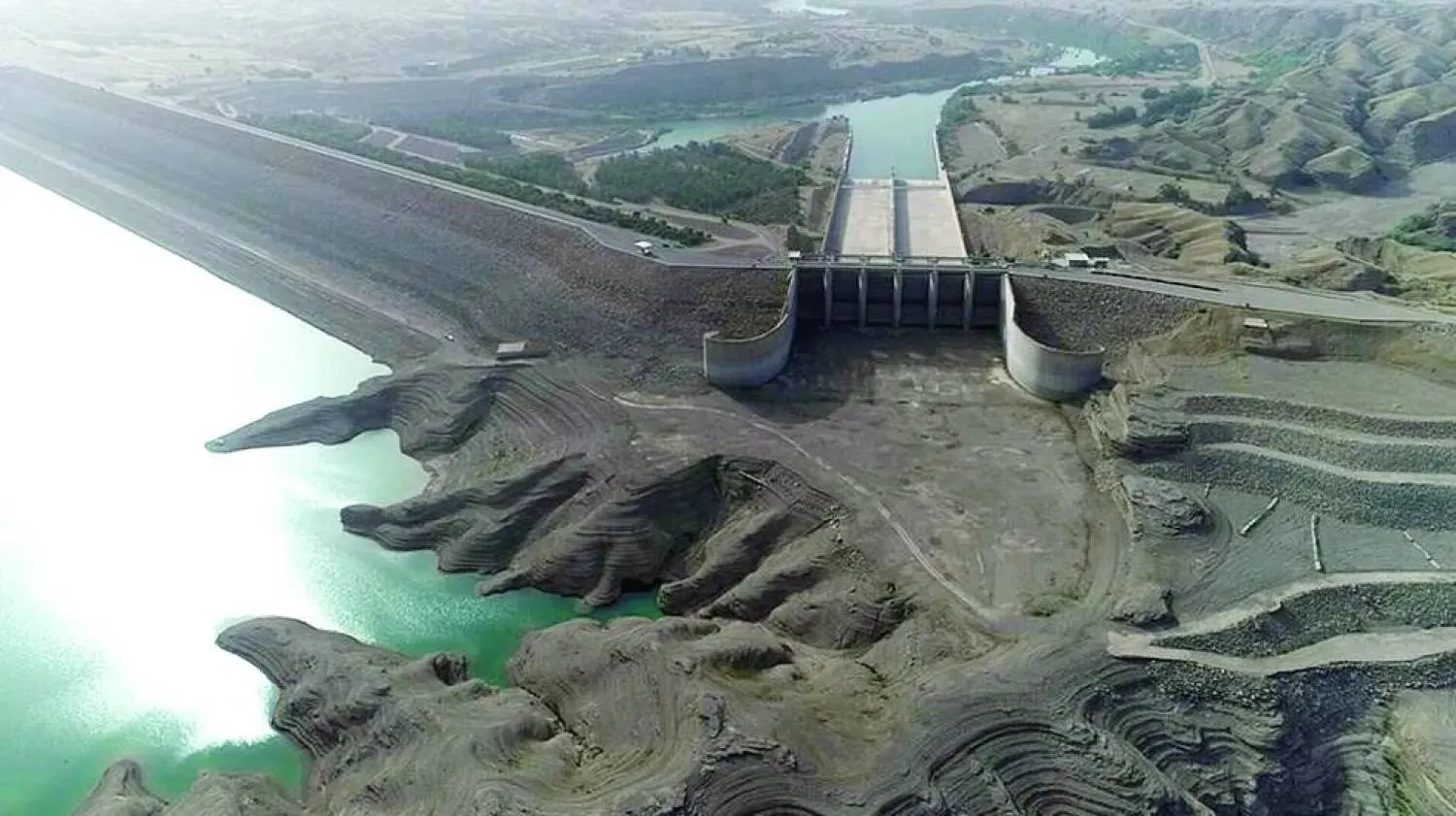
Iran has an extensive network of dams and water infrastructure, with major concentrations in the Karun and Karkheh River basins in the country’s southwest.
Environmental reports say the expansion of dam construction and the diversion of waterways have contributed to worsening drought, desertification and declining water resources in several regions.
On Monday, the NYT published a report, “Airstrikes on Iran missiles sites may shed light on justification for dams,” saying Iran has been building dams to help supply its various underground bunkers and “missile cities.”
According to the report, some analysts who have long been mystified by the significant proliferation of dams across Iran, especially in regions that had no apparent need for them, think they now know the answer after US and Israeli airstrikes on concealed Iranian missile sites this year targeted many of the same areas.
These analysts have concluded that the water projects may have been developed to support the country’s military buildup.


