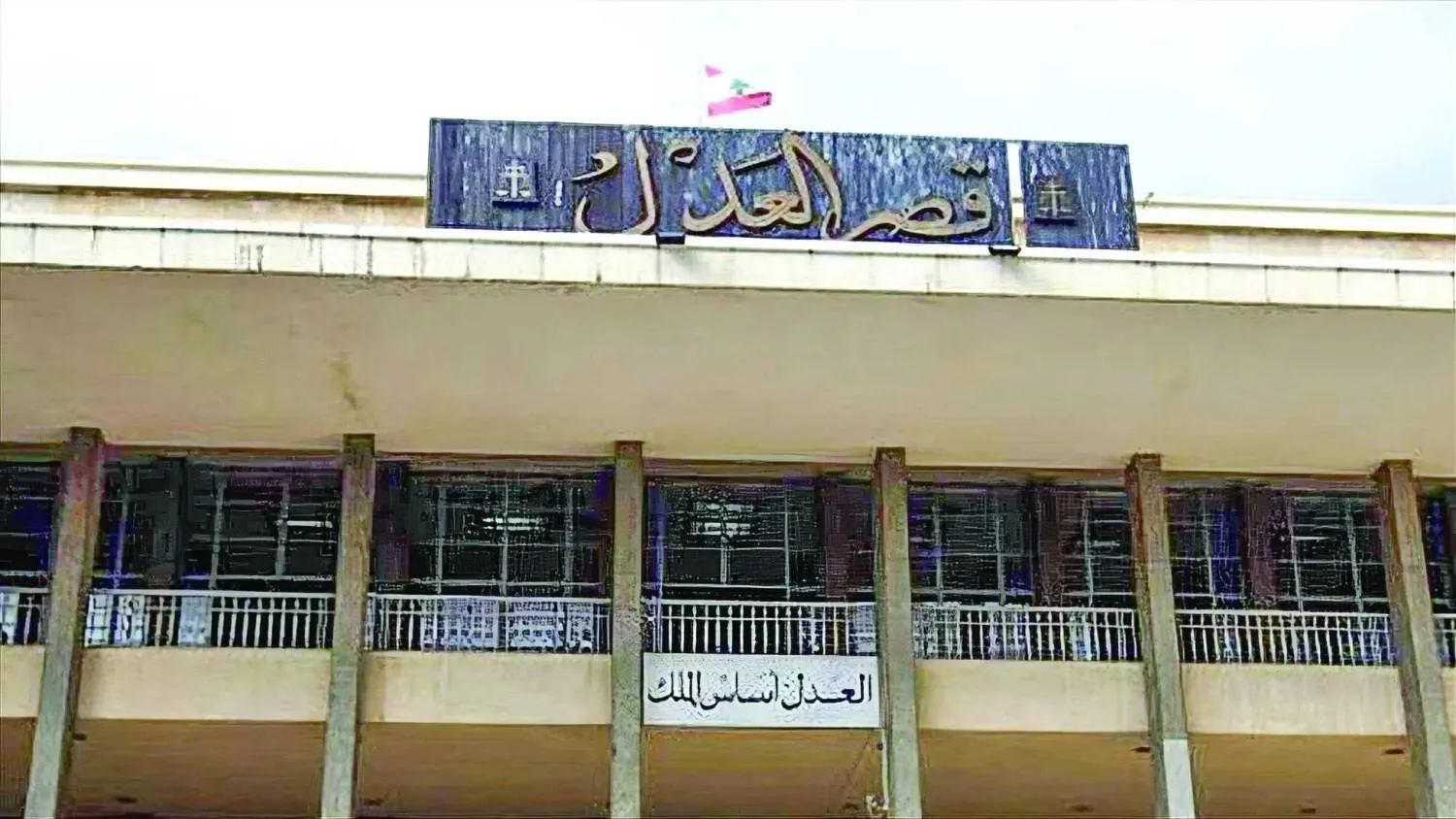

Lebanon’s judiciary has emerged as a key battleground between the state and Hezbollah as prosecutions widen to target the group’s officials and members in the Dahr al-Baidar explosives case and the suspected cell in northern Lebanon.
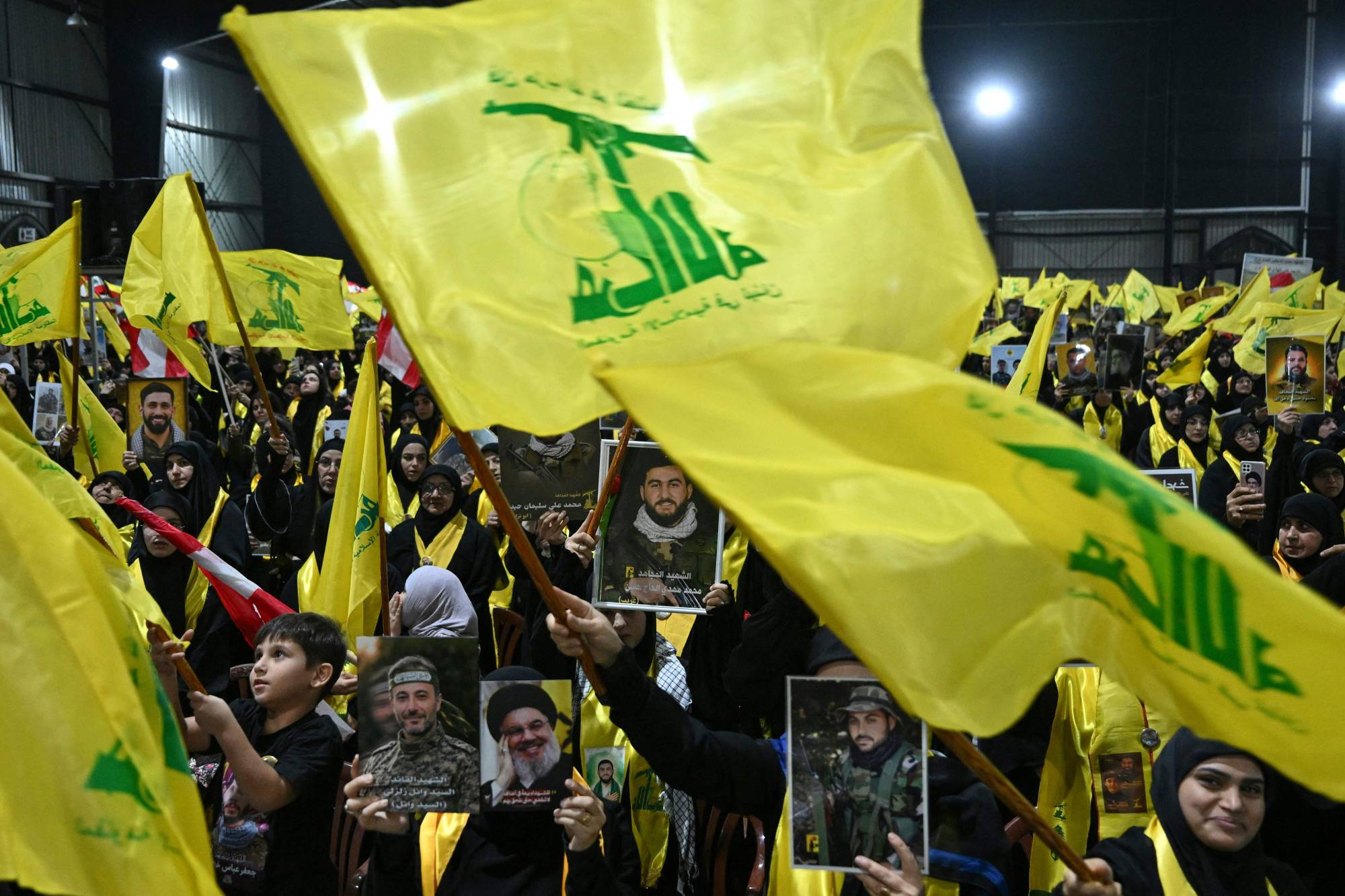
The proceedings come amid mounting calls to refer the explosives case to the Judicial Council and demands by Hezbollah that the state release the detainees.
Judge Claude Ghanem, the government commissioner to the Military Court, issued three search notices on Wednesday for Hezbollah officials, including Bilal al-Asaad, after they failed to appear for questioning in the case involving the Bcharre and Batroun highlands.
Meanwhile, First Military Investigating Judge Ghada Abu Alwan issued in-person arrest warrants for the five suspects detained in northern Lebanon.
The five were arrested on Nov. 10 and charged with forming an armed group and recruiting, equipping and arming its members. Defense lawyers denied that they had carried out a security reconnaissance mission.
The prosecutions follow the government’s March 2 decision to ban Hezbollah’s military and security activities and restrict its role to politics. The charges have yet to be proven.
On Oct. 22, the cabinet deferred a decision on Justice Minister Adel Nassar’s request to refer the Dahr al-Baidar and Qasr explosives case to the Judicial Council pending further progress in the investigation, prompting Lebanese Forces ministers to walk out.
Under Article 355 of the Code of Criminal Procedure, cases are referred to the Judicial Council by a cabinet decree. A judicial investigator appointed by the justice minister with the approval of the Higher Judicial Council conducts the investigation. The council’s rulings cannot be challenged except through objections or retrials.
The embassies of the United States, Britain, Australia, Canada and Japan have called for swift and independent judicial proceedings in the Dahr al-Baidar case.
Hezbollah Secretary-General Naim Qassem, meanwhile, demanded the release of those detained in the Bcharre and Batroun case and defended the legality of the activities of those held in the Dahr al-Baidar case, warning that “patience in the face of injustice has its limits.”
Ending Hezbollah’s Exceptional Status
Lebanese MP Ibrahim Mneimneh described the judicial action against Hezbollah as a crucial step toward ending the exceptional status the group has enjoyed for years and ensuring equality before the law.
He said the state may have found in the judiciary a way to enforce its decisions on establishing a state monopoly on arms.
“This is the turning point we have been calling for: ensuring that all Lebanese are equal before the law,” Mneimneh told Asharq Al-Awsat.
“The exceptional status Hezbollah enjoyed under the ‘army, people and resistance’ formula is now history. The party must realize that it is subject to the law.”
He said turning to the law, legal authorities and the Lebanese judiciary to deliver justice and reinforce the state’s monopoly on arms was “the right starting point.”
“Once the law and the judiciary become the ultimate authority, this will go beyond the weapons issue to encompass other matters that, in recent years, became exceptions to the law and undermined the very concept of the state,” he added.
Mneimneh stressed that the judiciary must be the authority to which both the Lebanese people and the state turn in dealing with Hezbollah.
“The Lebanese state is finally showing seriousness in addressing this issue and may have found the right way forward,” he said.
“Until recently, despite the government’s bold decisions, we sensed an inability to implement them. But the state appears to have found its way forward through the judiciary. This is a positive development that must be built upon and extended to all cases.”
Asked whether the Dahr al-Baidar truck case could be referred to the Judicial Council, Mneimneh said: “I don’t know whether that is possible, but it could be useful. Judicial action and the issuance of an arrest warrant are, in themselves, an achievement.”
“What matters is sustaining this process, not only in the Dahr al-Baidar truck case, important as it is, but also in upholding the rule of law against all violations across the country, foremost among them Hezbollah’s weapons, as well as anyone else bearing arms or breaking the law in other cases.”
He stressed that the supremacy of the law was fundamental to the very concept of the state and to building it.
Dual Authority
Constitutional expert Antoine Messarra said Lebanon’s judicial, administrative and security challenges were inseparable from its incomplete sovereignty and dual authority.
He stressed that the current judicial action, made possible by the positions taken by the president and prime minister, needed broad public support to gain traction.
“There are two types of occupation in Lebanon: a hostile Israeli occupation and a ‘brotherly occupation,’” Messarra told Asharq Al-Awsat, using the latter term to describe weapons held outside state control.
“All problems facing the administration, security institutions and judiciary must be understood in the context of occupation. No constitution or system of governance can function effectively under such conditions, even in Switzerland, France or Denmark,” he said.
Messarra said the country’s leadership and several judges were making tremendous efforts, but public support for the process remained sorely lacking.
He criticized a broad segment of Lebanese society for what he described as “political posturing, mutual deception, feigned cleverness and maintaining equal distance from all sides,” even on matters of national sovereignty.
Messarra noted that steps and positions once deemed impossible were now within reach. Lebanon, he said, was undergoing a “slow process” that still lacked broad-based public backing.