Biden to Detail Plans for $42 Billion Investment in US Internet Access 

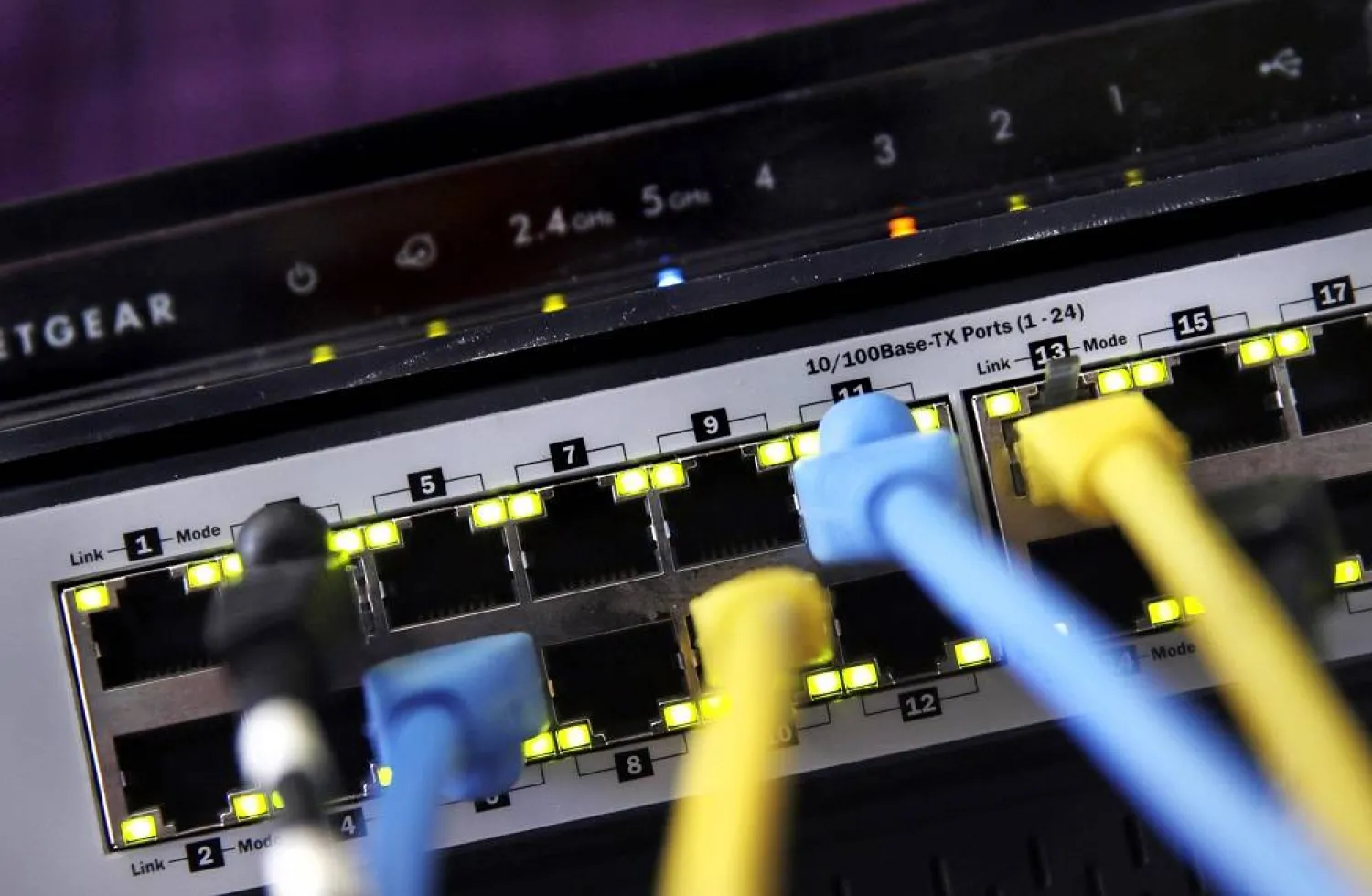
A router and internet switch are displayed in East Derry, N.H., June 19, 2018. (AP)
TT

Biden to Detail Plans for $42 Billion Investment in US Internet Access 

A router and internet switch are displayed in East Derry, N.H., June 19, 2018. (AP)

US President Joe Biden on Monday plans to lay out how a $42 billion investment in expanding internet access will be divvied up among the nation's 50 states, in an effort to give all Americans access to high-speed broadband by 2030.

The move will kick off the second leg of Biden's tour highlighting how legislation passed by Congress during the first half of his term will affect average Americans, as his reelection bid gears up.

"We have an historic opportunity here to make a real difference in people's lives and making sure that we deliver on that potential is what we're about every day and to make sure that people feel that at their kitchen table, in their communities, in their backyards," White House chief of staff Jeff Zients said.

Zients compared the broadband effort to President Franklin Roosevelt's efforts in 1936 to bring electricity to rural America. The administration estimates there are some 8.5 million locations in the US that lack access to broadband connections.

Broadband companies such as Verizon, Comcast , Charter Communications and AT&T have been reluctant to provide access to low-population, rural communities because the investments are expensive and the regions do not offer a lot of subscribers. The lack of broadband access drew attention during COVID shutdowns that forced students into online schooling.

The Biden administration will say how much of the $42 billion in funding each state will receive under the Broadband Equity Access and Deployment Program, based on a newly-released Federal Communications Commission coverage map that details access gaps.

States are expected to submit initial plans later this year that will unlock 20% of the funding. Once the plans are finalized, which could take to 2025, the remaining money will be released.

Biden is also set to give what White House officials describe as a major economic speech on Wednesday in Chicago, laying out so-called "Bidenomics," according to a memo from senior advisors Anita Dunn and Mike Donilon to Congressional Democrats and other allies.

The speech will focus on Biden's attempts to build the economy by focusing on the middle class and not the wealthy. The advisers noted the economy has added more than 13 million jobs since Biden took office, including nearly 800,000 manufacturing jobs.

AI Giants Promise Publishers New Way to Block Some Scraping

An OpenAI logo is displayed at Moscone Center during the Dreamforce 2026 technology summit in San Francisco, California, US, September 17, 2026. (Reuters)
TT

AI Giants Promise Publishers New Way to Block Some Scraping

An OpenAI logo is displayed at Moscone Center during the Dreamforce 2026 technology summit in San Francisco, California, US, September 17, 2026. (Reuters)

OpenAI, Google, Microsoft and Anthropic pledged on Friday to give media outlets and other websites a single way to prevent their content from being scraped to train artificial intelligence (AI) models, amid growing criticisms and legal battles from news publishers.

Publishers currently have to implement multiple blocking commands for every bot that crawls the web to collect data, but the new proposed solution will allow them to enter a single, standardized instruction that's recognized and honored by any AI company that adopts the protocol.

The solution will not fully take effect for months, though.

Microsoft will implement it beginning February 1, 2027, and Google sometime in 2027. ChatGPT-maker OpenAI said it will roll it out "in the coming months," while Claude-maker Anthropic said it has "already started" rolling it out.

The announcement comes as publishers are facing a surge in bots that scrape their articles to feed AI models. Some, like the New York Times, have taken the matter to court.

In December 2023, the Times sued OpenAI and Microsoft for allegedly using millions of its articles without authorization or payment to train ChatGPT. The two tech companies are invoking an exception to copyright law known as fair use.

Meanwhile, internet infrastructure provider Cloudflare has blocked AI bots by default on new customer sites since July 2025, and a standard called Really Simple Licensing already allows publishers to charge bots that visit their pages.

The new setting will apply only to future training of models but does not prevent bots from crawling otherwise, and content scraping will be allowed by default until the setting is changed by a publisher, Microsoft said in a blog post.

Opting out of AI training could reduce the chances that a publisher's content will surface in AI apps and experiences, Microsoft and Google said in separate blog posts.

"We believe creating a common signal that conveys such preferences to multiple providers at once is an important step. And we look forward to working with other AI companies on the standards and their implementation across the industry," Meta spokesperson Andy Stone wrote on X, conveying his support for the effort.


Meta, TikTok, X Lose Legal Challenge against UK Watchdog over Online Safety Data Demands

Meta logo (Reuters)
Meta logo (Reuters)
TT

Meta, TikTok, X Lose Legal Challenge against UK Watchdog over Online Safety Data Demands

Meta logo (Reuters)
Meta logo (Reuters)

Meta, TikTok and X on Friday lost a legal challenge against British regulator Ofcom over the amount of information it is demanding they provide under Britain's nascent online safety regime.

The challenge is one of the first in relation ‌to the ‌2023 Online Safety Act, ‌which ⁠sets tougher standards ⁠for platforms such as TikTok, X and Meta's Facebook and Instagram with the aim to protect children from harmful and illegal content, reported Reuters.

Ofcom has been gradually ⁠implementing the regime, with ‌its requirements backed ‌up by the threat of fines ‌of up to 10% of ‌a company's global turnover for the most serious breaches.

In February, it issued information notices requesting detailed content moderation ‌metrics from the tech companies, including data on how ⁠many ⁠posts were removed or had visibility restricted, and how many users were exposed to harmful content.

Meta, TikTok and X argued the notices create unprecedented regulatory burdens, but their case was rejected by London's High Court.

None of the companies, nor Ofcom, immediately responded to requests for comment.


US Regulator Bans Chinese Labs from Electronics Testing

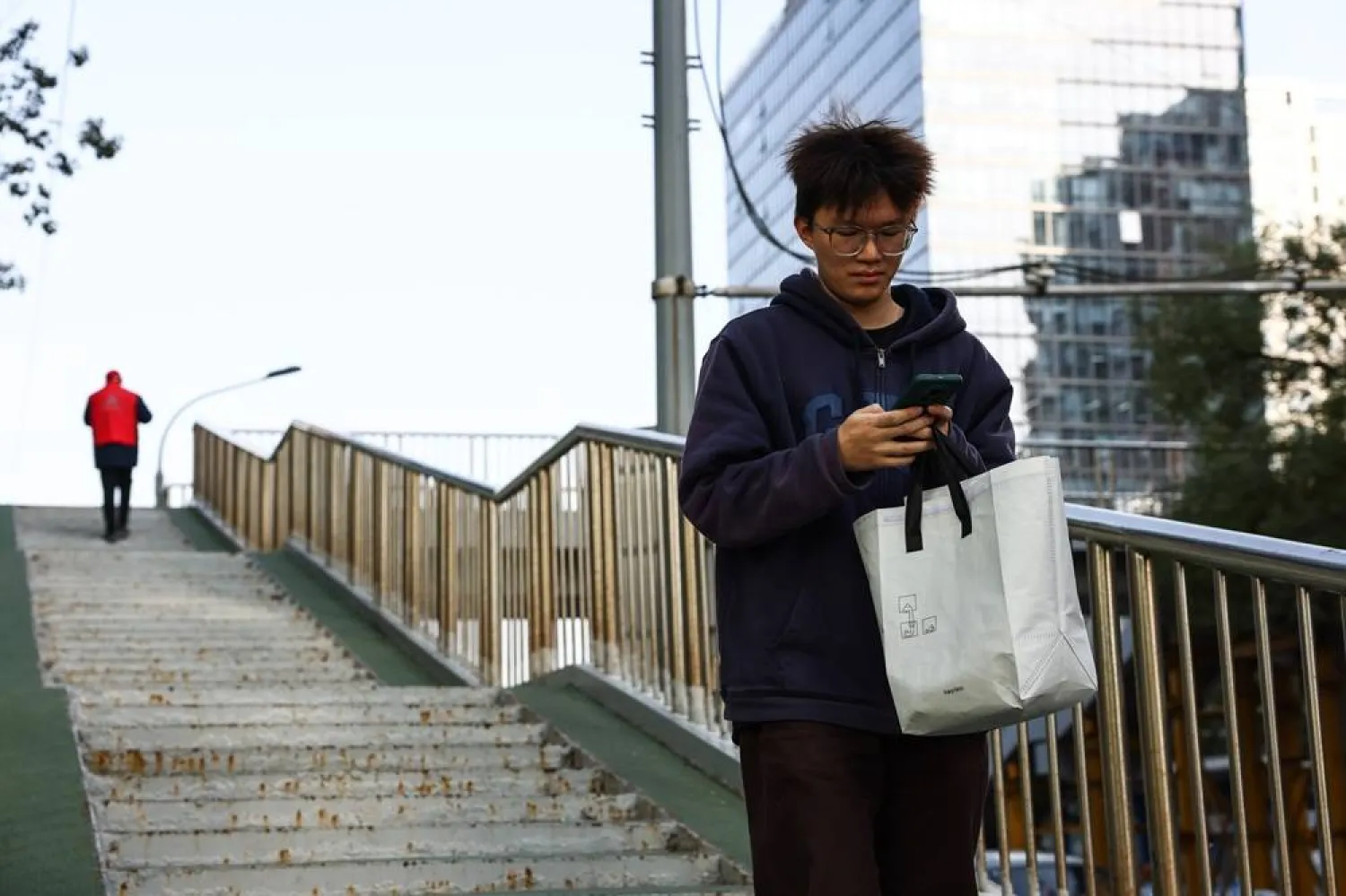
A person uses his cellphone on a street in Beijing, China, 29 October 2026. (EPA)
TT

US Regulator Bans Chinese Labs from Electronics Testing

A person uses his cellphone on a street in Beijing, China, 29 October 2026. (EPA)

A US regulator voted Thursday to ban Chinese labs from testing electronic devices ranging from smartphones to cameras for use in the United States.

The move, which the Federal Communications Commission (FCC) says aims to boost security, comes a year after the agency adopted rules to ban test labs "owned or controlled by foreign adversaries."

Around 82 percent of certified devices in the United States are tested in recognized labs in China, the FCC estimates.

"These labs are a critical gateway into American communications infrastructure. And their privileged role gives them access to sensitive and confidential information about electronic products often months before the devices enter the market," the FCC said in a statement.

The ban, which will come into force in 2028, applies to test labs and certification bodies in countries that do not have a mutual recognition agreement with the United States, the agency said.

China does not have such a pact with the FCC, according to its website.

The agency said it began investigating "bad labs" after discovering in 2024 that Chinese tech giant Huawei was running an FCC-recognized Test Lab.

The FCC had previously blacklisted telecommunications equipment made by Huawei and several other Chinese firms over security concerns.

The latest ban would also protect the US technology industry by fighting against the "offshoring of electronics manufacturing, which is often collocated where devices are tested", it added.

Beijing criticized the policy which it said harmed trade between the world's top two economies.

"The US has overstretched the concept of national security, abused state power and unjustifiably cracked down on Chinese companies," Chinese foreign ministry spokesman Guo Jiakun said at a regular briefing on Friday.

"The US actions seriously hinder normal economic and trade exchanges between Chinese and US businesses and run counter to the interests of all parties, including US companies and consumers."

He said Beijing would "take necessary measures" to safeguard its interests.

The FCC has been taking steps to separate Chinese entities from US supply chains.

In March, the regulator barred authorizations of new consumer routers made in foreign countries, also on national security grounds.