



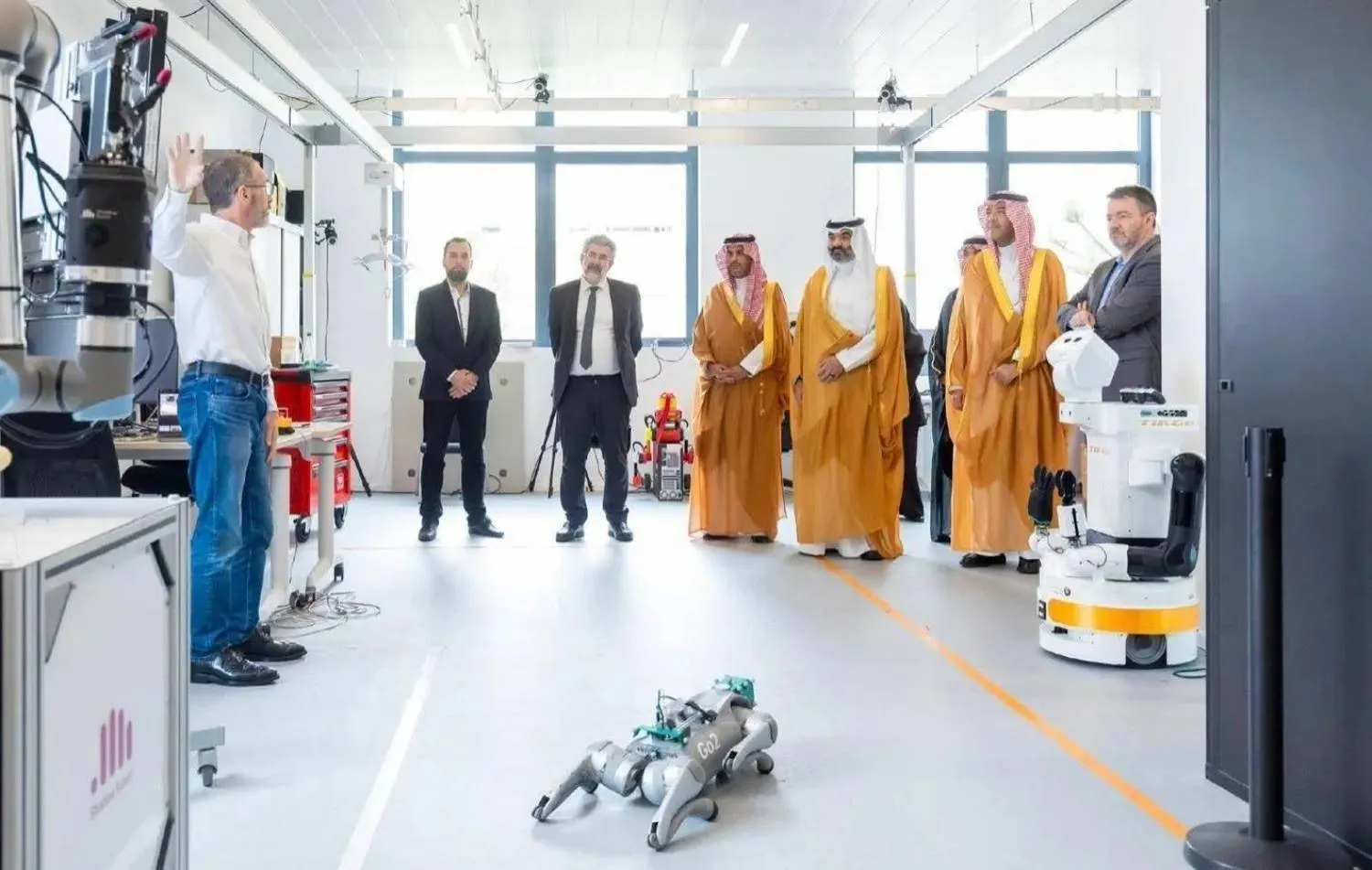

Saudi Arabia is rapidly transforming into a global hub for research, innovation, and entrepreneurship, thanks to the establishment of more than 10 Innovation Zones across the Kingdom.
The zones are key components of the national strategy for research, development, and innovation (RDI), which was launched in 2022 by Crown Prince Mohammed bin Salman.
Designed as integrated ecosystems, Innovation Zones aim to support innovators, develop patents, and turn theoretical ideas into market-ready solutions. They offer advanced infrastructure, tailored facilities for startups, and a range of support services such as funding, mentorship, and training. By doing so, they not only stimulate local investment but also attract international partnerships.
All Saudi Innovation Zones are officially registered with the International Association of Science Parks and Areas of Innovation (IASP). They operate under the four national RDI priorities: human health, environmental sustainability and essential needs, leadership in energy and industry, and future economies.
The zones are overseen by the Research, Development and Innovation Authority (RDIA), established in 2021 to coordinate and accelerate innovation efforts across the country.
In April 2024, the RDIA launched the “Innovation Zones in Saudi Arabia” platform in partnership with existing innovation clusters. The platform seeks to strengthen support for entrepreneurs and create specialized zones aligned with national research goals.
Innovation Zones are distributed across major cities and academic institutions, including King Saud University, KAUST, University of Tabuk, Prince Mohammed bin Fahd University, and King Faisal University. They also include corporate-driven hubs such as Aramco’s innovation zones in Dhahran and the King Abdulaziz City for Science and Technology (KACST) in Riyadh.
The zones serve a wide range of functions, from encouraging tech transfer and supporting the knowledge economy to fostering collaboration between academia and industry. By narrowing the gap between researchers and investors, they provide an ideal environment for innovation to thrive.
The impact is already visible. In 2024, the Innovation Zone at King Saud University reported notable success, transforming several research projects into economically viable ventures. The zone registered more than 16,000 scientific publications, nearly 2,000 patents, and supported over 200 startups within the year.
Looking ahead, Jeddah will host the first National Conference on Innovation and Entrepreneurship in Saudi Universities in October 2025. The event will focus on enhancing university-industry collaboration, promoting a culture of innovation in higher education, and supporting the development of a knowledge-driven economy. It will provide a platform for researchers and entrepreneurs to present their work, exchange ideas, and explore investment opportunities.


