
A Cat named Leonardo da Pinchy Doesn’t Want your Affection. He Wants to Steal Your Underwear

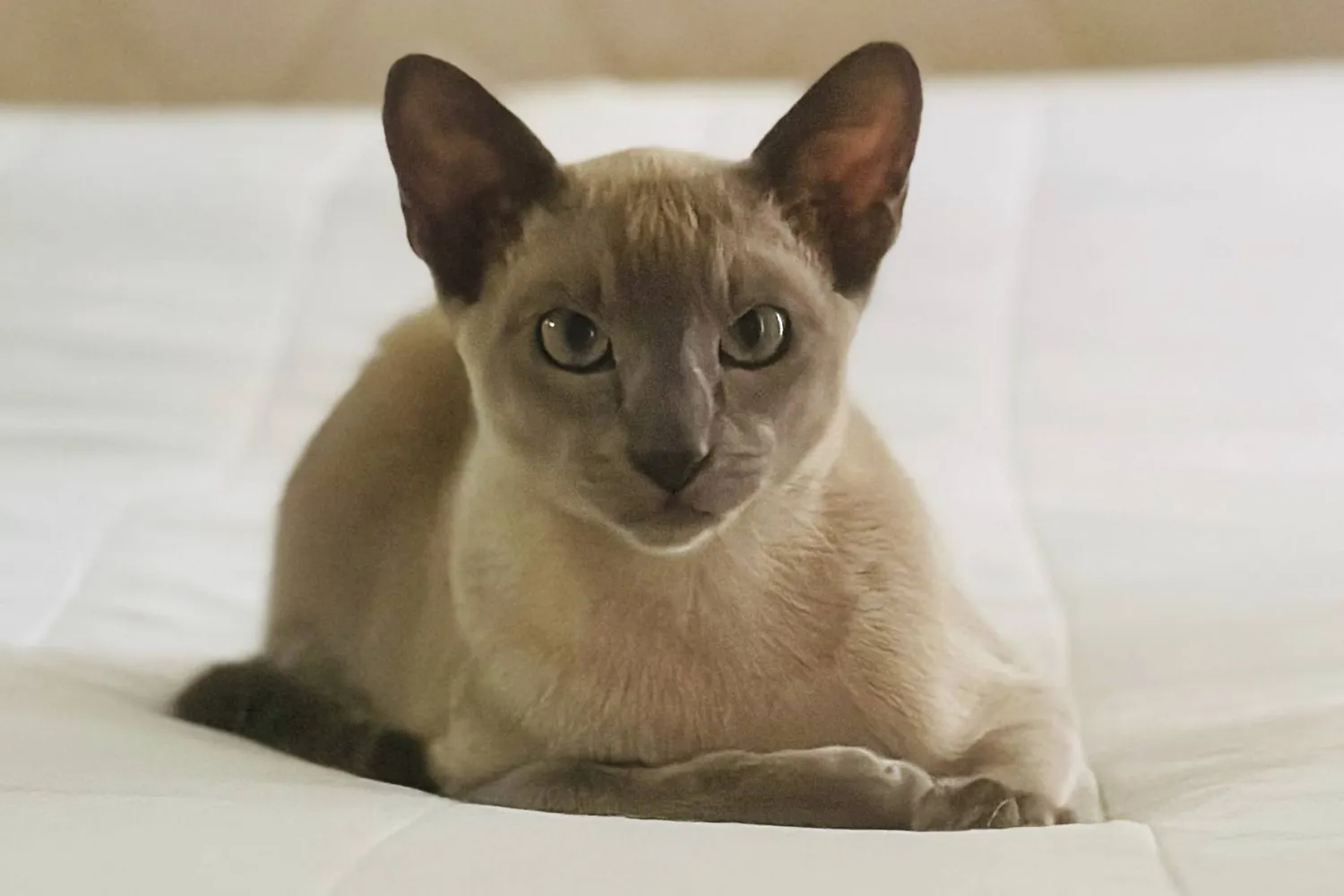
In this photo provided by Helen North, Leo the laundry-stealing cat poses on July 24, 2024, at its home in Auckland, New Zealand. (Helen North via AP)
TT

A Cat named Leonardo da Pinchy Doesn’t Want your Affection. He Wants to Steal Your Underwear

In this photo provided by Helen North, Leo the laundry-stealing cat poses on July 24, 2024, at its home in Auckland, New Zealand. (Helen North via AP)

Most cat owners dread their pets bringing home mice or birds. But for the owners of one felonious feline in Auckland, New Zealand, there’s a worse shame — being the unwitting accomplice to an unstoppable one-cat crimewave.

His prolific laundry-pinching from clotheslines and bedrooms in the placid beachside neighborhood of Mairangi Bay has turned 15-month-old Leo into a local celebrity and earned him a new moniker. He now goes by Leonardo da Pinchy, The Associated Press said.

And he’s got expensive taste. His frequent hauls include silk boxer shorts, thick men’s work socks — preferably with clothespins still attached — and in one mortifying episode for his humans, a brand-new 300 New Zealand dollar ($181) cashmere sweater.

“My daughter was at home sick and she rang me at work saying, ’It’s bad, it’s bad, this is the worst thing he’s brought in, it’s really bad,” said Leo’s owner, Helen North. “Because it was beautiful. I was like, ‘Ooh, can I keep that?’ But I couldn’t.”

Instead, North turned to a neighborhood WhatsApp group to return Leo’s stolen goods to their rightful owners. Her usual message: “Are these your undies?”

But the pilfered stash kept piling up: socks (piles), underwear (loads) and even a 5-foot-long stuffed snake (bizarre). On one record-setting day, Leo returned with nine items, enough for a full outfit if you didn’t mind a mix of everything from baby clothes to menswear.

“He brought in a jersey this morning at 10 past 8,” North said. “The shops hadn’t even opened.”

With dozens of items unclaimed, the embarrassed owner took her search for Leo’s victims wider this month, posting photos of his hauls on a local Facebook page along with an apology and her address. Those who showed up to claim their belongings included a woman who recognized her pink and purple underpants and a boy whose beloved and missing sports jersey was helpfully identifiable by his name printed on the back.

The ire North expected over Leo's cat burgling antics didn’t eventuate — although one of his targets, who is allergic to cats, now dries her laundry indoors.

“All of our neighbors think he’s amazing,” she said. “Some of them are quite put out that he hasn’t actually stolen anything of theirs.”

Still, North has tried everything to curb her cat’s laundry obsession, from attempting to keep him indoors to leaving out clothes at home for him to steal. No luck.

“He only wants stuff that he shouldn’t have,” she said, adding that she was also unwilling to risk an online suggestion that Leo simply needed another playmate.

“He might teach another cat to do this,” North said.

Leo's life of crime began when he was first allowed outdoors a year ago. But his family hopes it’s just a juvenile phase.

“I hope he grows out of it because I don’t want to do this for like, 15 years,” North said. “This is a lot of admin.”

For now, on the streets of Mairangi Bay, Leonardo da Pinchy remains at large.


Saudi Arabia: National Wildlife Center Releases 124 Endangered Species in Imam Turki Royal Reserve

The National Center for Wildlife (NCW) logo
TT

Saudi Arabia: National Wildlife Center Releases 124 Endangered Species in Imam Turki Royal Reserve

The National Center for Wildlife (NCW) logo

The National Center for Wildlife (NCW), in cooperation with the Imam Turki bin Abdullah Royal Reserve Development Authority, has released 124 endangered wildlife species into the reserve as part of programs to breed and reintroduce them into their natural habitats.

The release included 100 rhim gazelles, 10 idmi gazelles, and 14 Arabian oryx, within the center’s efforts to reintroduce native species into their natural environments, restore ecosystems, and enrich biodiversity in natural reserves, thereby enhancing ecological balance and promoting environmental sustainability.

NCW CEO Dr. Mohammed Qurban noted that the release is part of the center’s ongoing efforts to reintroduce endangered native species into their natural habitats and to strengthen ecosystem stability within protected areas.

He added that this step builds on a series of releases carried out by the center in several natural reserves under its dedicated program for breeding and reintroducing endangered species, contributing to one of the key objectives of the Saudi Green Initiative and Saudi Vision 2030, which aim to create an attractive environment that improves quality of life and promotes sustainability.

Since its establishment, the NCW has been implementing strategic plans to protect wildlife, restore ecosystems, and enhance sustainability, while aiming to become a global leader in reintroducing endangered species into their natural habitats through advanced technologies and specialized scientific research.


Snow Cripples Air, Train and Road Traffic in the Netherlands

People walk through a winter shower with umbrellas in Amsterdam, the Netherlands, 04 January 2026. (EPA)
TT

Snow Cripples Air, Train and Road Traffic in the Netherlands

People walk through a winter shower with umbrellas in Amsterdam, the Netherlands, 04 January 2026. (EPA)

Snowfall disrupted air, train and road traffic in the Netherlands on Monday, as hundreds of flights were cancelled and all trains around Amsterdam came to a standstill.

Amsterdam Schiphol ‌airport, one ‌of Europe's ‌busiest ⁠hubs, cancelled almost ‌500 flights on Monday morning and expected that number to rise throughout the day.

The airport had already been forced to scrap hundreds of flights ⁠a day since Friday, due ‌to snow and ‍icy temperatures.

The ‍snow which covered large ‍parts of the Netherlands on Monday morning also crippled traffic, as no trains were operating in the region around Amsterdam and public transport was severely affected ⁠in many places across the country.

Ice and snow caused many delays and accidents on the roads, even as authorities had advised people to stay at home whenever possible.

Snowfall is expected to continue in the Netherlands throughout ‌the week.


UK Starts Ban on Junk Food Ads on Daytime TV and Online

This photo illustration taken on December 18, 2025 shows a venison burger at a popular market in London. (Photo by JUSTIN TALLIS / AFP)
TT

UK Starts Ban on Junk Food Ads on Daytime TV and Online

This photo illustration taken on December 18, 2025 shows a venison burger at a popular market in London. (Photo by JUSTIN TALLIS / AFP)

New regulations come into force Monday in Britain banning daytime TV and online adverts for so-called junk foods, in what the government calls a "world-leading action" to tackle childhood obesity.

The ban -- targeting ads for products high in fat, salt or sugar -- is expected to remove up to 7.2 billion calories from children's diets each year, according to the health ministry.

Impacting ads airing before the 9:00pm watershed and anytime online, it will reduce the number of children living with obesity by 20,000 and deliver around £2 billion ($2.7 bln) in health benefits, the ministry added.

The implementation of the measure -- first announced in December 2024 -- follows other recent steps, including an extended sugar tax on pre-packaged items like milkshakes, ready-to-go coffees and sweetened yoghurt drinks, AFP reported.

Local authorities have also been given the power to stop fast food shops setting up outside schools.

The government argues evidence shows advertising influences what and when children eat, shaping preferences from a young age and increasing the risk of obesity and related illnesses.

It notes 22 percent of children starting primary schooling in England -- typically aged around five -- are overweight or obese, rising to more than a third by the time they progress to secondary schools aged 11.

Tooth decay is the leading cause of UK hospital admissions for young children, typically aged five to nine, according to officials.

"By restricting adverts for junk food before 9pm and banning paid adverts online, we can remove excessive exposure to unhealthy foods," health minister Ashley Dalton said in a statement.

He added the move was part of a strategy to make the state-funded National Health Service (NHS) focus on preventing as well as treating sickness, "so people can lead healthier lives".

Katharine Jenner, executive director of the Obesity Health Alliance, said it was "a welcome and long-awaited step towards better protecting children from unhealthy food and drink advertising that can harm their health and wellbeing".

The charity Diabetes UK also welcomed the ads ban, with its chief executive, Colette Marshall, noting that type 2 diabetes is on the rise in young people.

"Obesity is a major risk factor for type 2 diabetes, and the condition can lead to more severe consequences in young people -- leaving them at risk of serious complications like kidney failure and heart disease," she added.