




Saudi Arabia is stepping up efforts to preserve and repurpose its industrial heritage sites, with an ambition to join the ranks of countries that have long recognized the cultural and social value of industrial landmarks.
The Kingdom sees these sites not only as reminders of its industrial beginnings but also as potential cultural destinations that can enrich communities, attract visitors, and support national development.
Industrial heritage refers to the achievements of the post-Industrial Revolution era and includes factories, mills, mines, workshops, warehouses, and transport infrastructure, along with the housing, schools, and religious buildings that grew around them. These sites embody not just technological progress, but also the social, architectural, and economic dimensions of industrial growth.
Khalid Al-Humaidi, a Saudi heritage specialist, said that growing recognition of the importance of cataloging and preserving these sites has fueled significant progress in recent years. Dedicated researchers have been mapping and documenting historic industrial landmarks across the Kingdom, laying the groundwork for their potential inclusion in global heritage lists, including UNESCO.
He stressed that such initiatives are vital in connecting younger generations to their national heritage. By recognizing industrial sites as part of Saudi Arabia’s cultural legacy, the country can foster a stronger sense of identity and historical awareness.
Al-Humaidi also urged greater investment in restoring these landmarks to their original condition, while promoting them through media platforms and cultural initiatives. He called for allowing visitors to explore sites directly, under proper safeguards, and suggested developing souvenirs and miniature models to strengthen public engagement.
The Ministry of Culture launched its Industrial Heritage Program in 2019 to build a national framework for preserving Saudi Arabia’s industrial legacy. The program highlights the role of factories and industrial infrastructure in shaping the country’s economic and social development and seeks to reposition them as cultural and tourism destinations.
To raise awareness, the ministry organized a national competition encouraging Saudis to discover and document industrial sites. The initiative spotlighted a range of landmarks linked to the Kingdom’s industrial growth, while broadening public understanding of what industrial heritage represents.
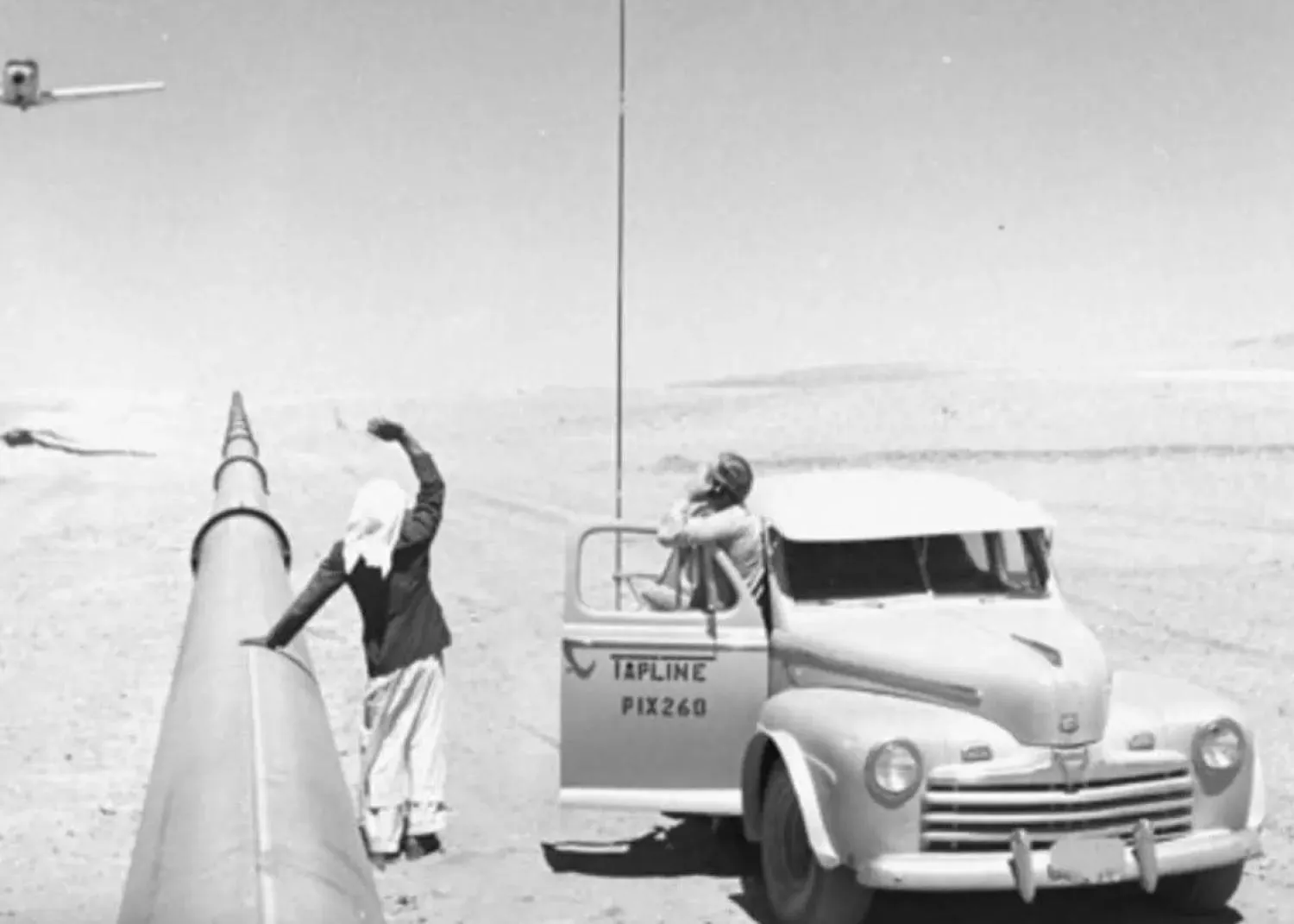
One of the most notable achievements came in 2020, when the Saudi Heritage Commission officially registered the Tapline oil pipeline as the country’s first industrial heritage site. Built in 1948 by order of King Abdulaziz, the pipeline once connected the Eastern Province to northern Saudi Arabia, symbolizing the dawn of the Kingdom’s oil industry. Its registration followed a decision by cultural and energy authorities to halt its removal, allowing it to be preserved and studied.
Another example is JAX District in Diriyah, northwest of Riyadh. Once an industrial warehouse zone, it has been transformed into a creative hub hosting galleries, studios, and cultural spaces. Today, it stands as one of Riyadh’s most dynamic artistic communities, showcasing how industrial heritage can be repurposed for modern cultural life.


