


Buildings are Turning to 'Ice Batteries' for Sustainable Air Conditioning

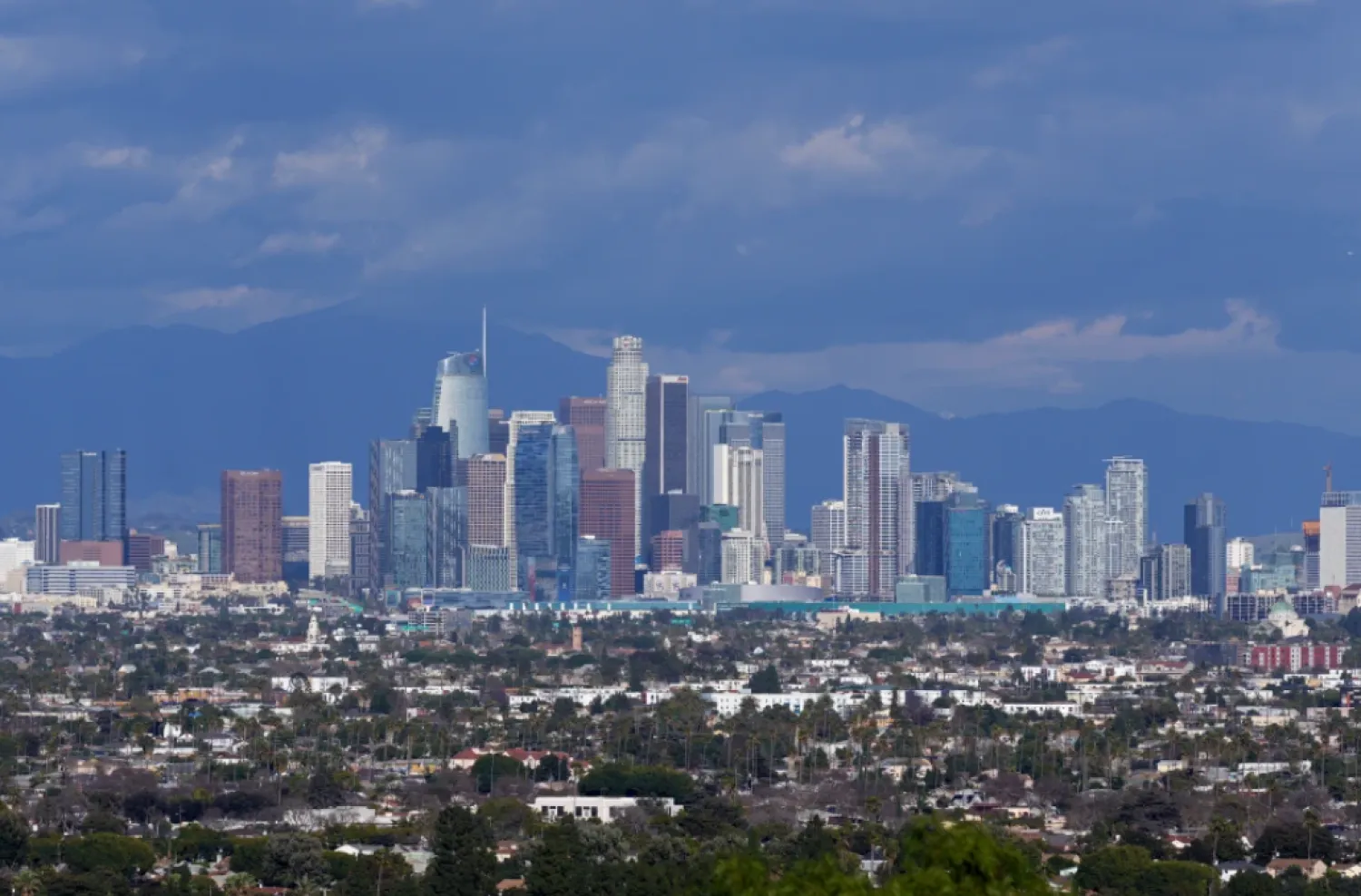
The Los Angeles skyline is seen from a Baldwin Hills overlook, Feb. 9, 2024. (AP Photo/Damian Dovarganes, File)
TT

Buildings are Turning to 'Ice Batteries' for Sustainable Air Conditioning

The Los Angeles skyline is seen from a Baldwin Hills overlook, Feb. 9, 2024. (AP Photo/Damian Dovarganes, File)

Every night some 74,000 gallons (280,000 liters) of water are frozen at Norton Audubon Hospital in Louisville, Kentucky. The hospital used to get all of its air conditioning from a conventional system found in most US buildings, but now 27 tanks of ice sustain a network of cold-water pipes keeping operating rooms at safe temperatures and patients comfortable.

This type of thermal energy storage, also known as ice batteries, is being added to buildings in the US for its ability to provide cool air without releasing planet-warming emissions. These systems cut electricity usage and lower the strain on the grid. With rising temperatures and the growing demand for electricity in the US, ice thermal energy storage offers a sustainable option for cooling buildings, The AP news reported.

Trane Technologies, a company that makes heating and cooling equipment, says it has seen a growing demand for this technology over the past few years. Its ice batteries are mostly used in schools as well as commercial and government buildings. Nostromo Energy, another company that makes ice batteries, is pursuing customers among energy-intensive data centers that have high cooling demands. Smaller systems are also made for homes by companies such as Ice Energy.

Tanks of ice thaw to create air conditioning Ice thermal energy storage technology varies between manufacturers, but each follows a similar concept: At night when electricity from the grid is at its cheapest, water is frozen into ice that thaws the next day to cool the building. The ice chills water that is circulating through pipes in the building, absorbing heat from the rooms and creating a cooling effect. Air cooled by the system is then pushed through vents.

Norton Audubon Hospital uses a Trane ice battery system. Trane said its ice batteries are often used alongside traditional air conditioning, and the ice-based cooling is used to lower energy costs during peak demand times. The traditional AC components are typically left in place or downsized when ice batteries are added.

The stored ice doesn't require energy to thaw, which reduces the strain on the grid and minimizes the building’s electricity usage, ultimately lowering monthly bills.

“Storing energy for further uses is where we’re going with the future of the grid,” said Ted Tiffany, senior technical lead at the Building Decarbonization Coalition. He said access to air conditioning is a major public health need that is being exacerbated by a warming planet, and ice batteries are a sustainable way to address health risks associated with extreme heat.

Energy costs at Norton Audubon were $278,000 lower for the first year the ice battery system was in operation after it was installed 2018. The hospital estimates that the system and other energy-saving measures have saved it nearly $4 million since 2016.

“The technology has been awesome for us,” said Anthony Mathis, a Norton Healthcare executive who oversees sustainability. He said he receives inquiries from other building operators about the technology and thinks more facilities will adopt it as awareness grows.

Using ice to meet growing energy demands Experts on sustainable energy say ice thermal energy storage is among the options commercial buildings can use to reduce electricity demand or store excess energy. Some commercial buildings use lithium batteries, which can store excess solar or wind energy that are available intermittently.

Dustin Mulvaney, environmental studies professor at San Jose State University, said ice batteries are a sensible option for health care settings and senior homes because lithium batteries can pose a fire risk.

Manufacturers also see opportunities in data centers, which are increasing in number to support artificial intelligence and have high energy and cooling needs. A December report from the Department of Energy found that data centers consumed more than 4% of the electricity in the country in 2023 and that number could grow up to 12% by 2028.

“Data centers are very energy-hungry and about 30% to 40% of their energy use is for cooling ... that’s where a solution like ours could really help,” said Yoram Ashery, CEO of Nostromo Energy.

Nostromo Energy said it is discussing deals to install its systems with several large data center operators, but declined to provide further details. Its ice battery technology is also used at the Beverly Hills Hotel in California.

California is currently the biggest market for this technology because the grid there uses a lot of solar power during the day but switches to polluting energy sources such as natural gas after the sun sets. Ice batteries can be used for air conditioning in the late afternoon and evening instead of drawing from the grid.

“A lot of utilities are really interested in this type of load-shifting technology,” said Joe Raasch, chief operating officer at Ice Energy, another ice thermal energy storage company. He said summer is typically the most expensive time for utilities to operate because of the air conditioning demand.

“It’s really great technology that the grid really needs because so much of the future electric load is driven by cooling,” said Raasch.



Saudi Space Agency Wins Four Platinum MarCom Awards

Saudi Space Agency Wins Four Platinum MarCom Awards
TT

Saudi Space Agency Wins Four Platinum MarCom Awards

Saudi Space Agency Wins Four Platinum MarCom Awards

The Saudi Space Agency achieved a distinguished international milestone by winning four Platinum Awards at the 2025 MarCom Awards, one of the world’s leading creative competitions in marketing, communications, and creativity, reported the Saudi Press Agency on Tuesday. The Platinum tier is reserved for entries that meet the highest standards of quality and innovation.

The agency’s awards covered four main categories: Best Campaign for launching the Knowledge Space Portal, Best Integrated Marketing Campaign for the public awareness initiative during World Space Week, Best Social Media Engagement Campaign for the same initiative, and Best Creative Design for the campaign.

The MarCom Awards are administered by the Association of Marketing and Communication Professionals. In 2025, the competition announced its winners after receiving more than 6,000 entries from 43 countries worldwide.

These achievements reflect the agency’s effective collaboration with partners from both the public and private sectors in awareness and outreach campaigns aligned with the goals of Saudi Vision 2030, supporting the Kingdom’s drive to build a knowledge-based, innovation-led economy.


Demand for Air Con Set to Triple by 2050, Warns UN

 A woman protects herself from the sun with a fan during a heat wave in Seville, Spain. (Getty Images/AFP)
A woman protects herself from the sun with a fan during a heat wave in Seville, Spain. (Getty Images/AFP)
TT

Demand for Air Con Set to Triple by 2050, Warns UN

 A woman protects herself from the sun with a fan during a heat wave in Seville, Spain. (Getty Images/AFP)
A woman protects herself from the sun with a fan during a heat wave in Seville, Spain. (Getty Images/AFP)

Global demand for air conditioning could more than triple by 2050, the United Nations warned on Tuesday, calling for more sustainable cooling solutions.

The UN Environment Program said demand could surge due to increases in population and wealth around the world, combined with more extreme heat.

Rising demand for more polluting and inefficient cooling systems "would almost double cooling-related greenhouse gas emissions over 2022 levels", said UNEP.

UNEP launched its Global Cooling Watch 2025 report on the sidelines of the COP30 UN climate summit in Belem in the Brazilian Amazon.

"Installed cooling capacity is on a trajectory to triple by 2050... Yet billions will still lack adequate protection from heat. We must reimagine cooling -- not as a source of emissions, but as a cornerstone of heat resilience and sustainable development," it said.

The most rapid growth in cooling demand is projected in Africa and South Asia.

"As deadly heat waves become more regular and extreme, access to cooling must be treated as essential infrastructure alongside water, energy and sanitation," UNEP chief Inger Andersen said in a statement.

"But we cannot air condition our way out of the heat crisis, which would drive greenhouse gas emissions higher and raise costs."

UNEP highlighted so-called "passive cooling" options, including better wall and roof designs, shading, solar off-grid solutions and ventilation.

The potential impact on indoor temperatures from passive cooling strategies range from 0.5 to 8 degrees Celsius.

"Passive, energy efficient and nature-based solutions can help meet our growing cooling needs and keep people, food-chains and economies safe from heat as we pursue global climate goals," said Andersen.

The Cooling Report suggested adopting such measures could reduce emissions to 64 percent below the levels otherwise expected in 2050.


Devil In The Beetails: Australian Scientists Discover New 'Lucifer' Bee

Archive - Bees from the apiary of the Universidad del Rosario raised for the research of the formula to protect the brain of bees and other pollinators affected by exposure to insecticides, which was patented in Britain under the leadership of researchers from the Faculty of Natural Sciences of the Universidad del Rosario, in alliance with the Department of Neuroscience of the University of Arizona - Reuters
TT

Devil In The Beetails: Australian Scientists Discover New 'Lucifer' Bee

Archive - Bees from the apiary of the Universidad del Rosario raised for the research of the formula to protect the brain of bees and other pollinators affected by exposure to insecticides, which was patented in Britain under the leadership of researchers from the Faculty of Natural Sciences of the Universidad del Rosario, in alliance with the Department of Neuroscience of the University of Arizona - Reuters

As if deadly snakes, spiders and sharks were not enough, Australia now has a new creepy critter: a "lucifer" bee with devil-like horns.

The species -- dubbed Megachile (Hackeriapis) lucifer -- was found in the state of Western Australia, Curtin University announced on Tuesday.

Kit Prendergast at the university's School of Molecular and Life Sciences discovered the bee while surveying a critically endangered wildflower in 2019 and was immediately drawn to the insect's unique appearance, said AFP.

"The female had these incredible little horns on her face," she said.

A fan of the Netflix TV show "Lucifer", she said the name was the perfect fit for the bee's distinctively devilish appearance.

"It's the first new member of this bee group to be described in more than 20 years, which really shows how much life we still have to discover," Prendergast said.

She added that she hopes the discovery will raise awareness about the number of undiscovered species that could still be out there, especially in areas threatened by mining.

"Many mining companies still don't survey for native bees, so we may be missing undescribed species, including those that play crucial roles in supporting threatened plants and ecosystems," she said.

"Without knowing which native bees exist and what plants they depend on, we risk losing both before we even realize they're there."

Almost all flowering plants depend on wild pollinators, particularly bees, but habitat loss and climate change are driving many vital species to the brink of extinction.