


In Search of Happiness: Young People in South Korea Resort to Dopamine Sites

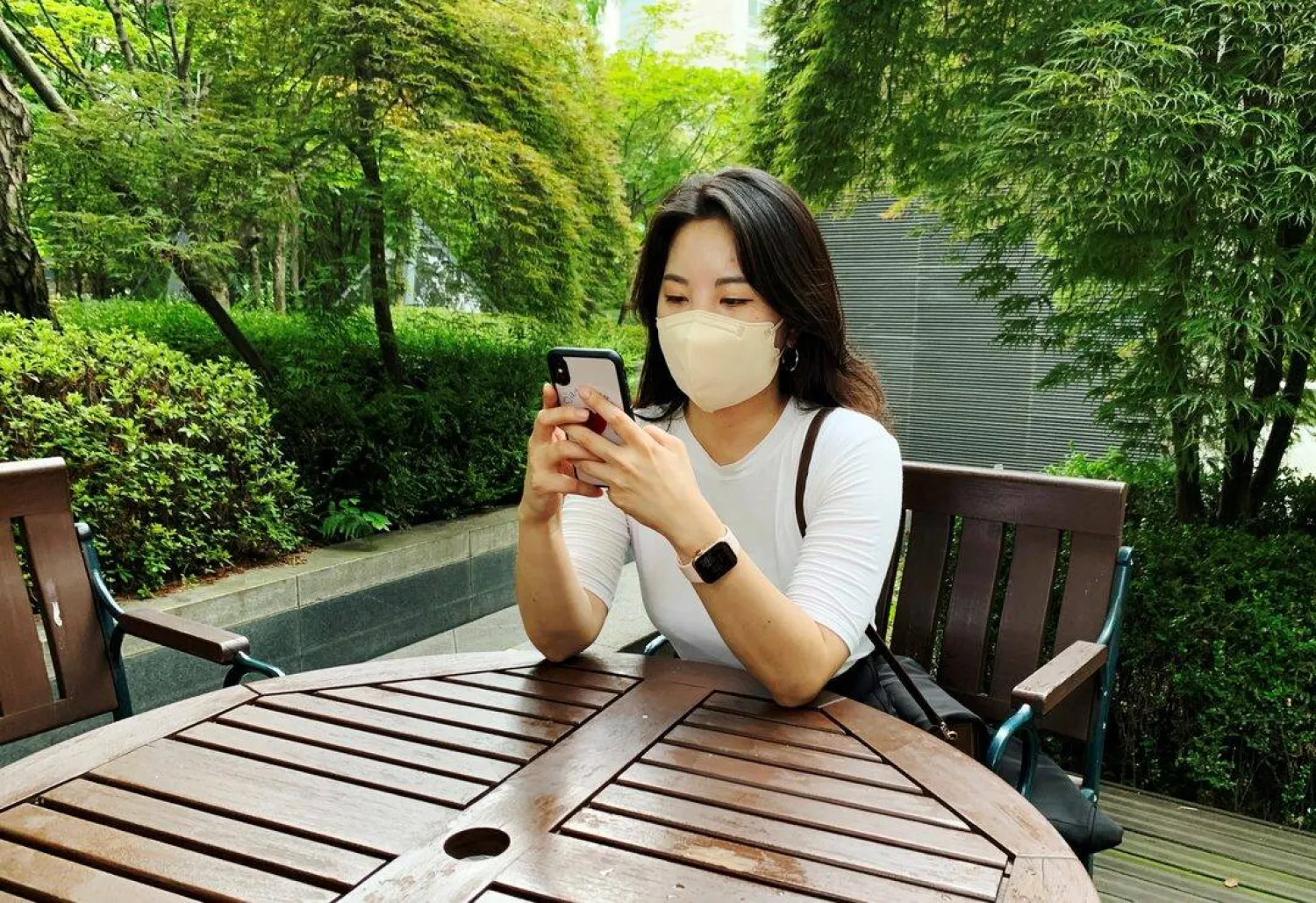
Instead of spending money, the sites offer a form of digital role-play, capturing the experience of consumption while protecting your bank account (File/Reuters)
TT

In Search of Happiness: Young People in South Korea Resort to Dopamine Sites

Instead of spending money, the sites offer a form of digital role-play, capturing the experience of consumption while protecting your bank account (File/Reuters)

Online “dopamine sites” are now trending among young people in South Korea by offering fake consumption experiences such as a fake food delivery service and a virtual cigarette, all for a quick escape from financial and social pressure.

According to Psychology Today website, these sites capture the pleasure associated with buying without the financial cost, splitting the emotional experience of anticipation from any real-world consequences.

People using these sites have experienced a surge of desire, happiness, or excitement generated by mentally simulating the future purchase. The anticipation often generates a psychological reward equal to, or sometimes greater than, the actual purchase.

We often hear dopamine described as the brain’s “pleasure chemical,” but that description overlooks the role of anticipation. Dopamine plays a major role in motivation, learning, and anticipating rewards. Much of the activity in dopaminergic reward systems occurs before a reward is received.

The sites are hyper-realistic, mocking major Korean e-commerce giants and food delivery apps.

One popular site, FoodNeverComes, mimics a food delivery app where you can compare menu items, read reviews, pick your favorites, fill your cart, and even watch a virtual courier make progress toward your house on a live map.

Other platforms simulate cigarette breaks, allowing users to sit in virtual break rooms with strangers that recreate the ritual of stepping away from work without lighting a cigarette.

The trend has gone viral among young South Koreans facing rising living costs and growing pressure to consume.

Instead of spending money, these sites offer a form of digital role-play, capturing the experience of consumption while protecting your bank account.

According to the Korean Times, one user found the fake delivery site helpful for managing late-night cravings, and a college student reported less loneliness after visiting a smoke-break site while studying for exams.

The Comfort of Rituals

Ordering food, shopping, and taking cigarette breaks are social rituals. They tap into familiar and enjoyable behaviors that provide structure, anticipation, a sense of control, and temporary relief from stress.

Virtual breaks replicate the social and restorative aspects of stepping away from work. Sitting in a simulated break room with anonymous others creates a sense of presence and social connection that, for some users, takes the edge off loneliness.

In digital environments, neural systems involved in empathy and social cognition can bridge the physical gap; by processing virtual people as real, the brain creates the sense of shared experiences that can support empathy and connection.

Coping Skill or Digital Detour?

Reactions to the popularity of dopamine sites have been mixed. The benefits depend on how the platform is used. A virtual experience can be beneficial as entertainment, stress relief, or imaginative play.

However, if virtual experiences replace meaningful real-world activities, if simulated purchases increase a sense of deprivation, or if they reinforce rather than address compulsive behaviors, then the benefits may come with psychological costs.

Whether fake takeout sites catch on in the West remains to be seen. But by splitting the emotional experience of anticipation from the financial transaction, the “dopamine site” trend highlights how much of our enjoyment of consumption rests in the emotions associated with imagined futures rather than ownership itself.

“Better understanding that distinction in our own lives can help us make more intentional choices about how we spend both our time and our money,” the website noted.


Congo Fan Who Poses as Living Statue of Independence Leader Lumumba Makes It to World Cup

Democratic Republic of Congo's supporter Michel Kuka Mboladinga, pays tribute to Democratic Republic of Congo's late prime minister Patrice Lumumba, by remaining motionless ahead of the 2026 World Cup Group K football match between Colombia and Democratic Republic of Congo at the Guadalajara Stadium in Zapopan on June 23, 2026. (AFP)
TT

Congo Fan Who Poses as Living Statue of Independence Leader Lumumba Makes It to World Cup

Democratic Republic of Congo's supporter Michel Kuka Mboladinga, pays tribute to Democratic Republic of Congo's late prime minister Patrice Lumumba, by remaining motionless ahead of the 2026 World Cup Group K football match between Colombia and Democratic Republic of Congo at the Guadalajara Stadium in Zapopan on June 23, 2026. (AFP)

Congo’s famous living statue finally made his World Cup debut on Tuesday.

Michel Nkuka Mboladinga, who gained fame during the Africa Cup of Nations for posing as a statue of Congo’s assassinated independence leader Patrice Lumumba for the entirety of games, attended Congo's 1-0 loss to Colombia after missing its opener against Portugal because of Ebola quarantine requirements.

Lumumba Vea, as the sharply dressed supporter is known for his resemblance to the slain leader, was at his seat about an hour before the game at Estadio Akron. He wore a bright red jacket and tie, yellow shirt and blue pants. When the game began, he stood motionless on a pedestal behind the Congo bench with his right arm raised.

Nkuka Mboladinga was a few minutes late back to the pedestal after halftime, but he stood there until the end and even a few minutes after the final whistle.

He did not want to be interviewed, but nodded and smiled when asked if he was happy to have finally made it to the World Cup.

Congo played Portugal to a 1-1 draw last week in Houston.

Nkuka Mboladinga also missed Congo’s World Cup playoff match against Jamaica earlier this year — when his nation secured a return to the tournament after 52 years — because he was unable to get a visa in time. He had traveled to Kenya and then Ethiopia in a bid to get a visa for the game, which was also played in Guadalajara.

Nkuka Mboladinga became a social media sensation at the Africa Cup for posing as a statue of Lumumba on a pedestal with his right hand raised and standing still throughout games.

Lumumba was an activist who helped to end Belgium’s colonial rule over Congo in 1960. He became the newly independent country’s first prime minister and was seen as one of Africa’s most promising leaders, but he was assassinated within a year during a struggle against a Belgian-backed secessionist movement in the mineral-rich Katanga region.

A Belgian court in March ordered a 93-year-old former diplomat to stand trial for the slaying. Etienne Davignon, who previously denied wrongdoing, is the last living among 10 Belgians suspected of involvement in the killing and has been charged with “participation in war crimes” for his role in the “unlawful detention and transfer” of Lumumba.


France Heatwave's 1st Major Outage Leaves 68,000 Homes Without Power

Parisians bath in the Canal Saint-Martin in Paris, as the national weather service, Meteo France, placed 54 departments, about half the country, under a red heat wave alert, Tuesday, June 23, 2026. (AP Photo/Christophe Ena )
TT

France Heatwave's 1st Major Outage Leaves 68,000 Homes Without Power

Parisians bath in the Canal Saint-Martin in Paris, as the national weather service, Meteo France, placed 54 departments, about half the country, under a red heat wave alert, Tuesday, June 23, 2026. (AP Photo/Christophe Ena )

Europe's record-breaking heatwave left around 68,000 households without electricity in northwestern France on Wednesday, authorities said, in the country's first major power outage of the latest bout of extreme weather.

The outage, which involved a transformer on the electricity grid, was related to extreme temperatures and did not injure anyone, AFP quoted the prefecture in the coastal department of Finistere as saying in a statement.

The incident took place around 9:00 pm (1900 GMT) on Tuesday in the commune of Ergue-Gaberic near the city of Quimper in Brittany, the prefecture added.

While teams from French grid operators RTE and Enedis had worked through the night to fix the issue, power is not expected to be restored in full until the end of the day at the earliest.

Up to 106,000 clients of the French power network were left without power by late Tuesday, as the continent's sweltering heatwave pushed the country into its hottest day ever.

"For technical reasons, RTE will not be able to re-connect the affected households during the course of the day; connections will be made, at the earliest, by the end of Wednesday," the operator said.

Finistere is one of 58 French departments under the highest red alert for extreme heat on Wednesday, with temperatures of 39C to 41C expected on Wednesday from Brittany to the Paris region.

The extreme weather is being driven by atmospheric and circulation patterns that keep hot air trapped in place for days, with these factors worsened by global warming, experts say.


Clean Up 'Toxic Men’ Ad Compels Dettol to Apologize in China

The advert sparked an uproar on the Chinese internet, with some users saying it objectifies women (Getty Images)
TT

Clean Up 'Toxic Men’ Ad Compels Dettol to Apologize in China

The advert sparked an uproar on the Chinese internet, with some users saying it objectifies women (Getty Images)

British hygiene brand Dettol has apologized for an advert in China that it claims was meant to call out sexism, but has instead backfired, according to BBC.

The five-minute long advert for a multipurpose disinfectant, styled like a micro drama, starts out with a man looking for a partner who is “clean” and “not tainted by other men.”

A plot twist comes late in the advert when his new girlfriend calls him out for his misogyny and breaks up with him. Dettol is then presented as the solution against “toxic men [who] are just like bacteria.”

The advert sparked an uproar on the Chinese internet, with some users saying it objectifies women and others calling for a boycott of the brand.

Dettol said the advert, which has been removed following the backlash, was intended to criticize gender stereotypes, but that snippets of it that later circulated online distorted its core message.

“We recognize that it has offended many people, especially women. We take responsibility for any negligence in creating and reviewing the content of the advert,” Dettol said in a statement on Monday.

The company also said it would review its content moderation processes.

Dettol was founded with a mission to “protect the health” of families, it said, adding: “But we are well aware that true protection also lies in safeguarding the dignity of every individual and their right to be treated equally.”

The advert has sparked heated discussions across Chinese social media platforms over the last few days, with many people angered by its attempts to compare a person's “purity” with the disinfecting abilities of Dettol products.

“What a trashy advertisement. It's left me speechless,” a user wrote on Weibo, China's X-like platform.

“What a hopeless company. What is their senior management doing?” read another comment. “I'm never using Dettol again. There are so many brands in the market after all.”