Urban Cooling Networks, a Promising System to Deal with Heatwaves in Francehttps://english.aawsat.com/varieties/5297993-urban-cooling-networks-promising-system-deal-heatwaves-france
Urban Cooling Networks, a Promising System to Deal with Heatwaves in France
Participants park their car at the Trocadero, with the Eiffel Tower seen in the background, during the 19th Summer parade of vintage vehicles in Paris on July 19, 2026. (AFP)
TT
TT
Urban Cooling Networks, a Promising System to Deal with Heatwaves in France
Participants park their car at the Trocadero, with the Eiffel Tower seen in the background, during the 19th Summer parade of vintage vehicles in Paris on July 19, 2026. (AFP)
Economical, environmentally friendly and efficient, urban cooling systems are being promoted as a future solution to increasingly hot summers in France, provided they are designed to withstand the most severe heatwaves, according to AFP.
To cope with the increasingly intense heatwaves, urban cooling systems are booming: these centralized systems produce and distribute ice water via pipes to cool buildings.
The government targets to double the capacity of these infrastructures by 2030.
France currently has only about 50 cooling networks in total, a level described as modest.
The two companies, Engie and Veolia, launches 100 potential studies to accelerate urban district cooling networks in France.
In its annual assessment published earlier this month, the High Council on Climate (HCC), a French government body responsible for the national climate change fight, estimates that “the development of cooling networks is particularly interesting” in order to “reduce” the use of air conditioners and “the impacts of urban heat islands.”
During the June heatwave in France, infrastructure was pushed to its breaking point, with power grids forced to restrict nuclear plant outputs due to cooling water constraints.
“The problem is that in Paris you have cooling facilities sized for a maximum temperature of 35 degrees,” explains engineer Pascal Stabat, professor of energy at the Paris School of Mines, to AFP.
“When it is very hot, there is an imbalance between cooling production and demand, so the production can be a bit low,” he continues.
Between June 18 and 27, maximum temperatures exceeded 35 degrees every day in Paris.
India Takes Battle Against Junk Food to Shops Near Schoolshttps://english.aawsat.com/varieties/5322023-india-takes-battle-against-junk-food-shops-near-schools
India Takes Battle Against Junk Food to Shops Near Schools
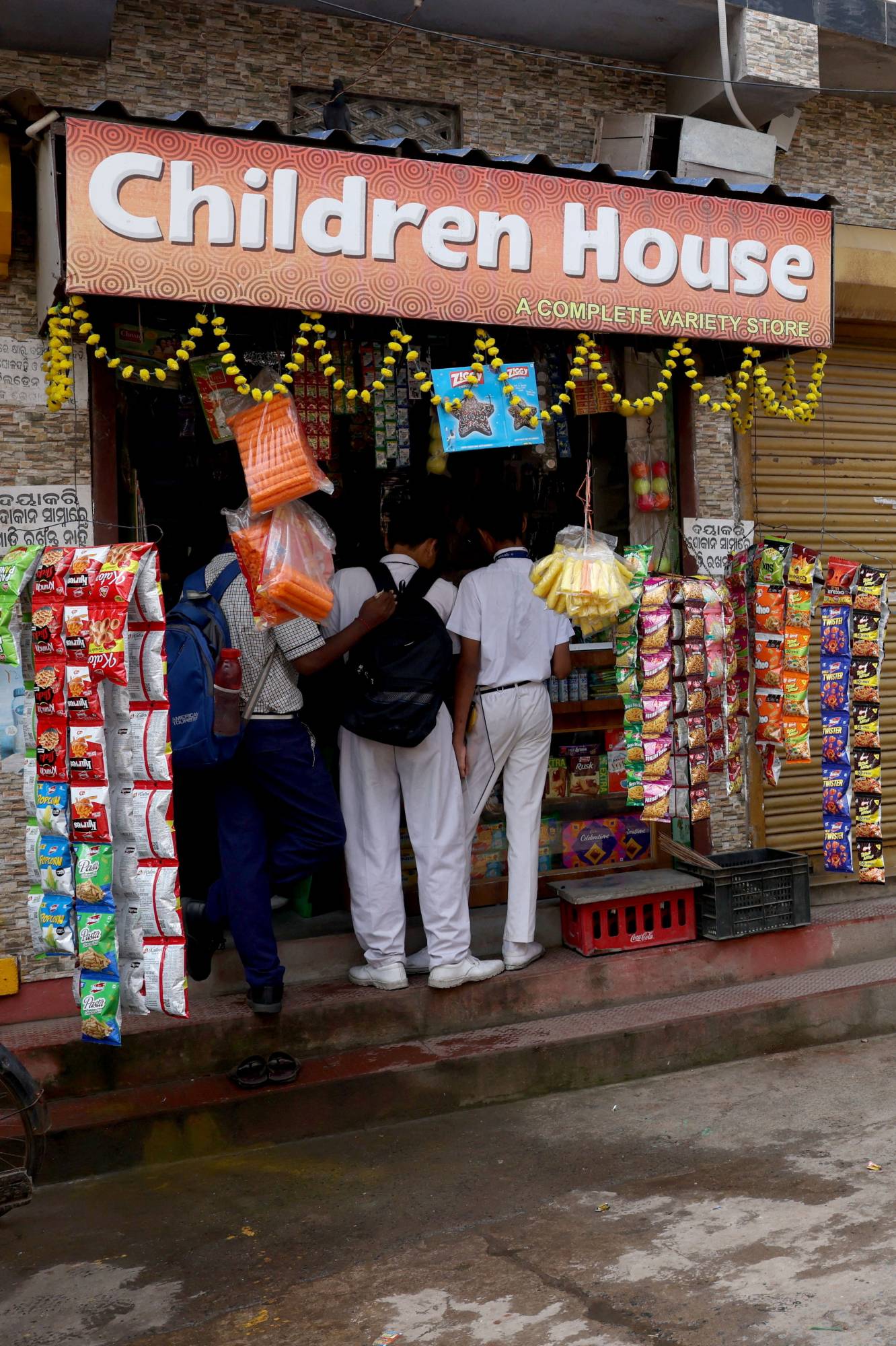
A schoolchild inside a grocery shop in Cuttack, Odisha, India, September 18, 2026. REUTERS/Priyanshu Singh
India is moving closer to new regulations to restrict the sale of foods high in fat and sugar within a 50-meter radius of schools, the latest proposal to cut the consumption of junk food in a country battling growing rates of obesity, especially among children.
The rule would impact family-run stores, restaurants and food stands selling everything from sugary soft drinks and salty chips to greasy samosas and fatty pizzas or burgers close to India's 1.5 million schools.
It could prove another hurdle for multinationals such as PepsiCo, Coca-Cola, Mondelez and Nestle, which already face proposed rules to put red warning labels on products high in fat, salt and sugar (HFSS), bringing India into line with markets such as Chile and Mexico that have tougher food safety regulations.
Some Indian businesses and grocery shop owners near schools are already fretting. In Bhubaneswar city in eastern India, a dozen shopkeepers said sales could drop by a third or more, Reuters reported.
At one shop, 15-year-old Priyanshu Palei bought two packets of PepsiCo's popular Uncle Chipps, stuffing them into his backpack on the way to class. "I will have these during recess," he said, preferring them over his mother's packed lunch of rice and lentil stew.
That's the habit India wants to break.
Rajit Punhani, the chief executive of the Food Safety and Standards Authority of India, which is driving the changes, said the "safe food" schools plan aimed to steer children away from unhealthy habits early on.
"We have to discourage children from having these. We have to inculcate this habit," he told Reuters. "It will not have an impact on businesses in a major way. Shop owners can sell non-HFSS foods," he added, saying regulations are aimed at nudging companies to reformulate recipes.
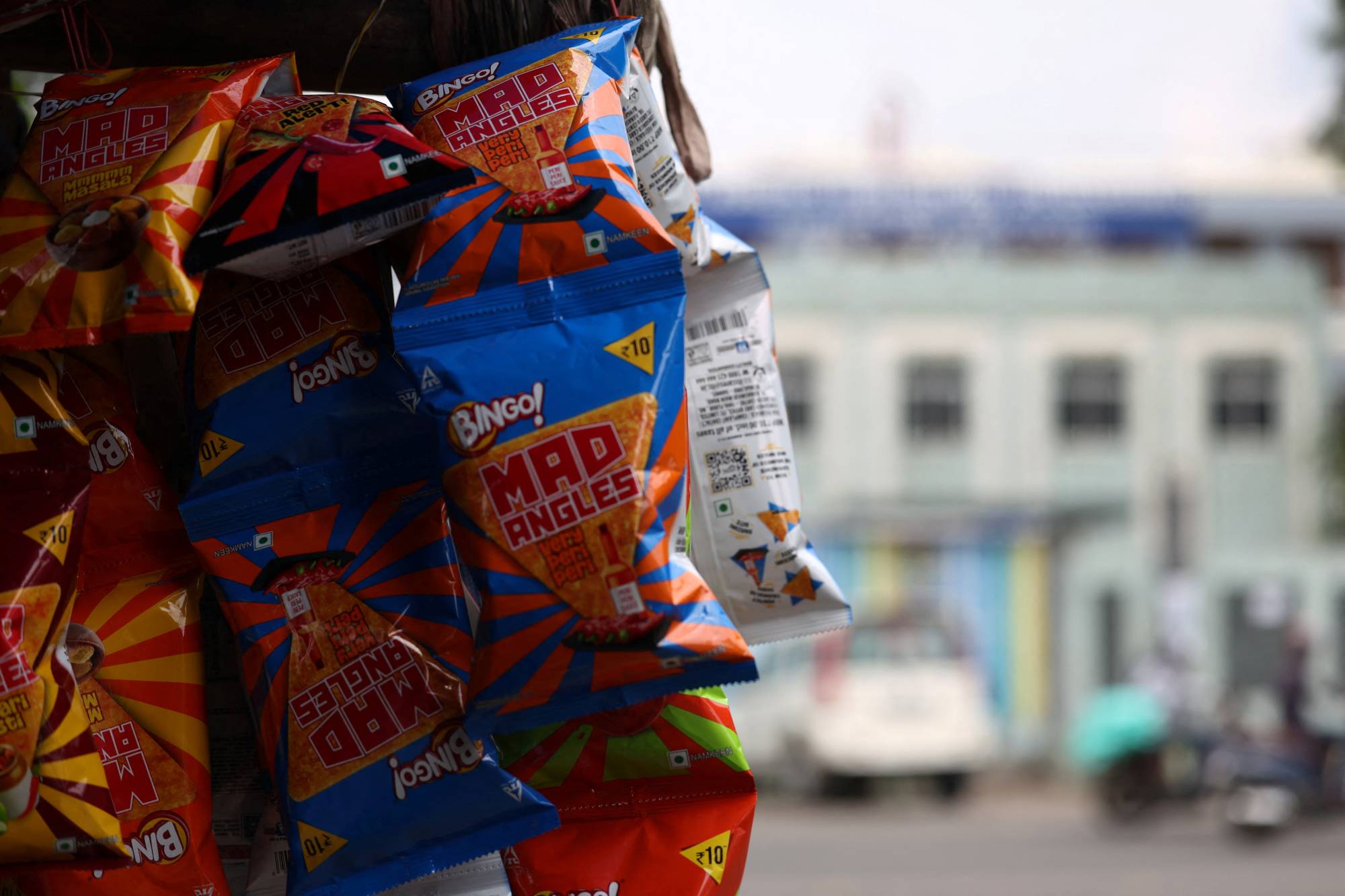
Packets of chips and snacks hang at a grocery shop in Bhubaneswar, Odisha, India, September 17, 2026. REUTERS/Priyanshu Singh
There is no fixed timeline for the law, first proposed in 2020. Amid a nationwide food safety crackdown, the authority in August published thresholds for fat, salt and sugar content that would trigger restrictions on sales near and inside schools, inviting public feedback until October 6.
In recent years, products ranging from Lay's chips to Cadbury chocolates and Maggi noodles have grown in popularity. Some Indians with lower incomes view buying foreign brands as a mark of an improving lifestyle, while also being drawn by cheap prices. In 2023, Domino's launched its cheapest pizza in the world in India, selling for just 49 rupees (50 US cents).
As diets changed, the number of Indian children aged 5-19 deemed overweight or obese has also climbed. From 28 million in 2015, it surged nearly 50% to 41 million by 2025 and will touch 56 million by 2040, World Obesity Federation data shows.
While India's federal law aims to block near-school shops from selling and advertising HFSS products only to schoolchildren, the western state of Maharashtra, home to Mumbai, has taken a stricter approach - no shop within 50 meters of schools can carry such products, state food safety commissioner Tukaram Mundhe told Reuters.
"There will be hundreds of such shops near schools. How will one regulate if they are selling to schoolchildren or not? Shops cannot stock these items," said Mundhe.
State data accessed by Reuters showed inspectors have so far found violations at 133 shops within 50 meters of schools, and ordered 51 to discontinue their business.
The Confederation of Indian Food Trade and Industry is concerned, saying compliance would be difficult as many schools are close to congested markets serving the general public, according to its confidential draft submission made to respond to the proposal, and reviewed by Reuters. The trade group did not respond to queries.
The law can cause "loss of business and livelihood," the document said, arguing restrictions should only apply inside schools.
Asked about the schools proposal, PepsiCo, which owns Lay's, referred Reuters to its global policy which limits what products it allows to be sold in schools. Nestle, which makes Maggi noodles, said it follows its global policy which only allows the sale in primary and secondary schools of products that meet specific nutrition criteria.
Coca-Cola and Mondelez, owner of Cadbury, did not respond to Reuters queries.
Rahul Khanna, a food regulations specialist at Indian law firm RAKLaw, said there was a "wave of concern" among his firm's clients, especially confectionery makers for whom children are an "important consumer segment". He did not name the clients.
Schoolchildren stand at the front of a grocery shop in Bhubaneswar, Odisha, India, September 18, 2026. REUTERS/Priyanshu Singh
Around the world, five countries have proposed or implemented sale restrictions around schools, while 48 have restricted junk food sales inside schools, according to researchers at the University of North Carolina.
In 2016, Chile imposed new rules on warning labels and prohibited the sale and promotion of junk food in schools. A Lancet study this year said that 18 months of exposure to the law saw a 2.85% lower probability of excess weight among girls, and 2.4% among boys.
The law also pushed manufacturers to reformulate recipes of many products in Chile.
"If the law were ineffective and consumers did not change their behavior, producers would not push back," said Guillermo Paraje, a professor at Adolfo Ibáñez Business School in Chile.
"They know the law will make them reformulate as much as they can."
Centuries-old Japanese Art of Ikebana Draws Those Seeking Calmhttps://english.aawsat.com/varieties/5321737-centuries-old-japanese-art-ikebana-draws-those-seeking-calm
Centuries-old Japanese Art of Ikebana Draws Those Seeking Calm
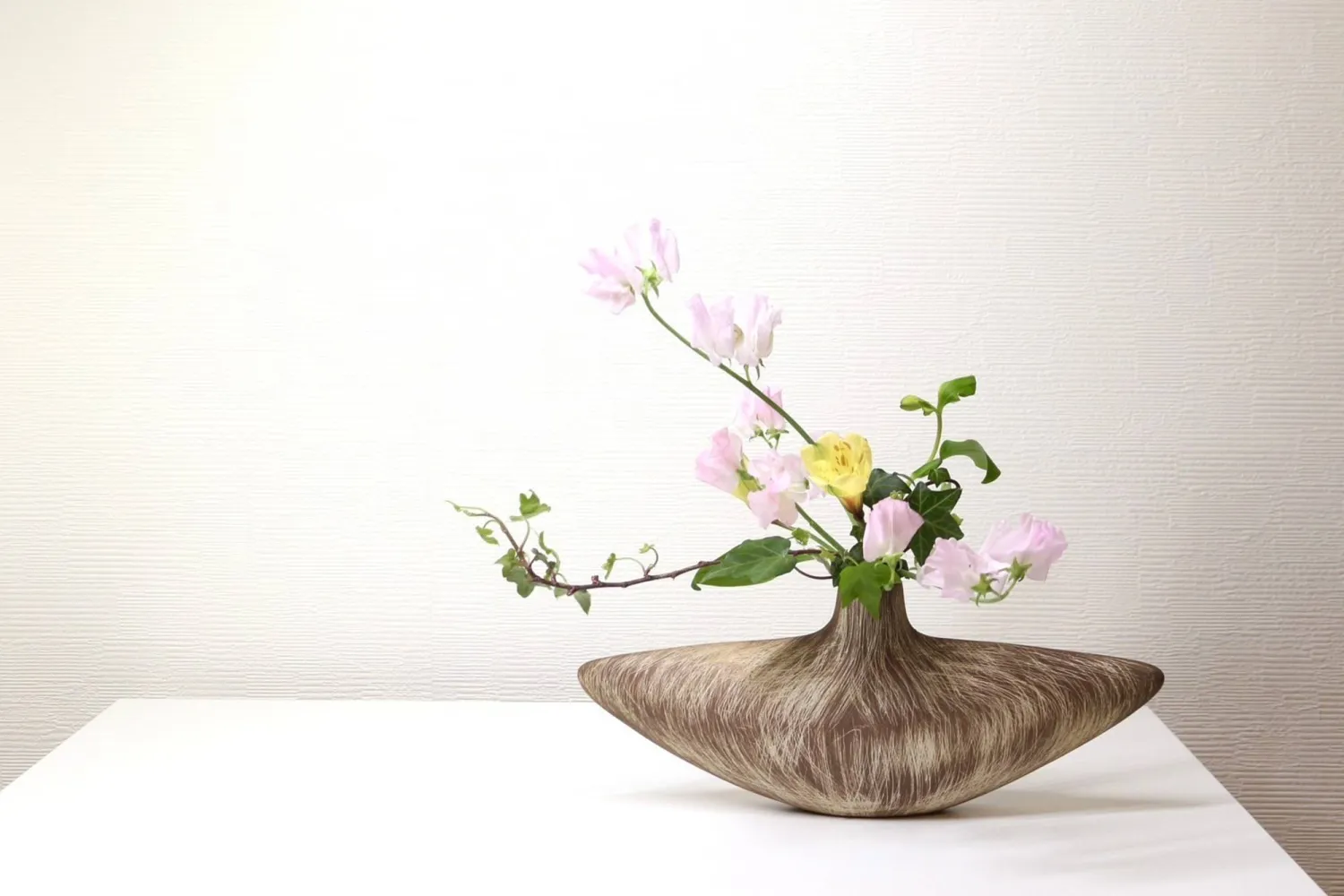
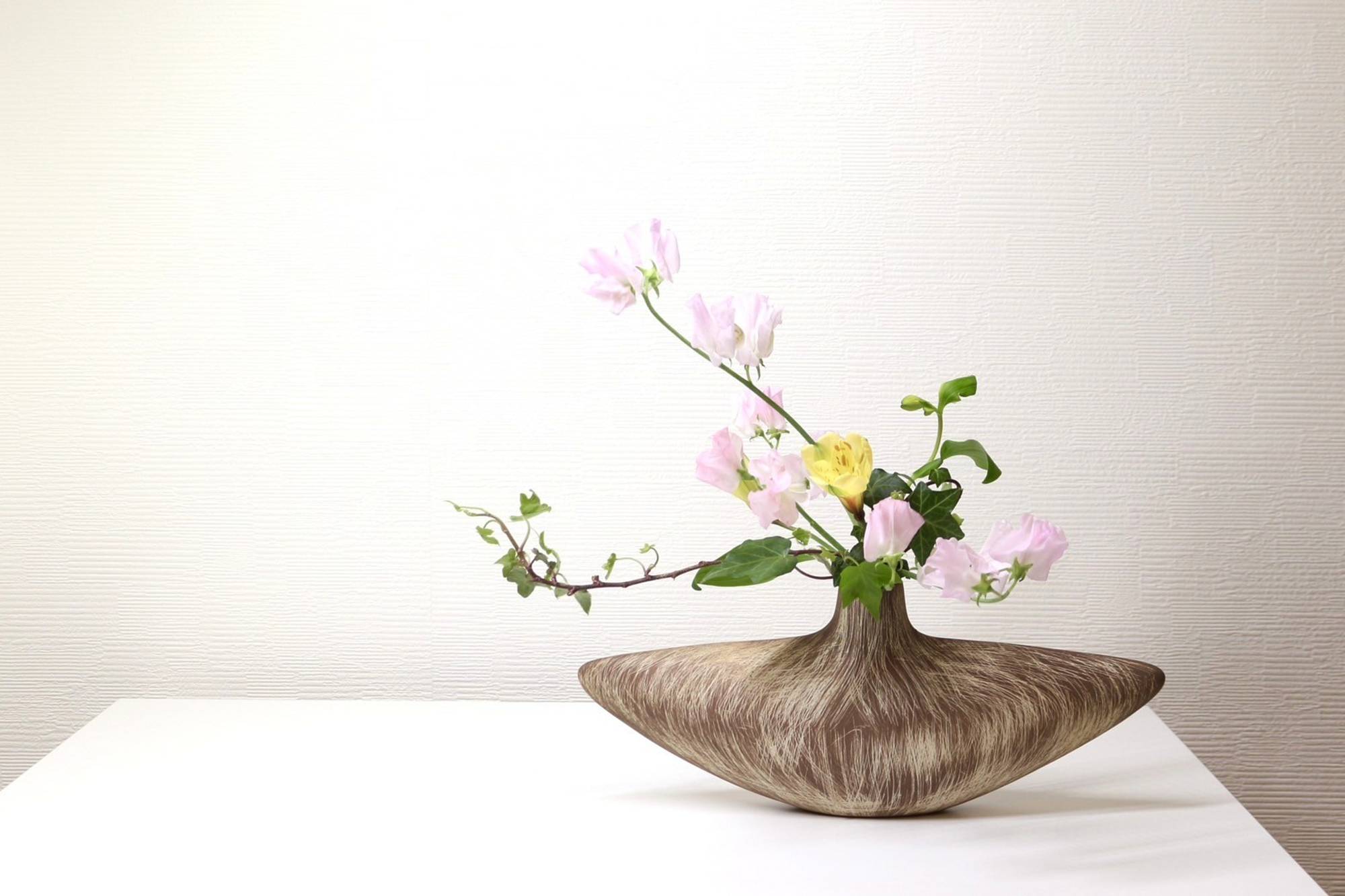
This photo released by Hiroyuki Okada shows a free-style Ikenobo ikebana arrangement in Tokyo on March 11, 2026. (Hiroyuki Okada via AP)
Ikebana, the Japanese art of arranging flowers, is a form of expression that dates back more than 500 years. It continues to blossom, quietly, not only with traditionalists but also with newcomers who find its blend of creativity and mindfulness to be restorative.
Ikebana can be a bit like solving a puzzle, except there’s no fixed answer. Because each flower, and human individual, is different, there are multiple solutions.
“There’s a ‘detox’ purifying factor, and a healing,” says Hiroyuki Okada, 40, who began taking lessons in ikebana about seven years ago. He now teaches Ikenobo, the oldest of three major ikebana schools, The Associated Press reported.
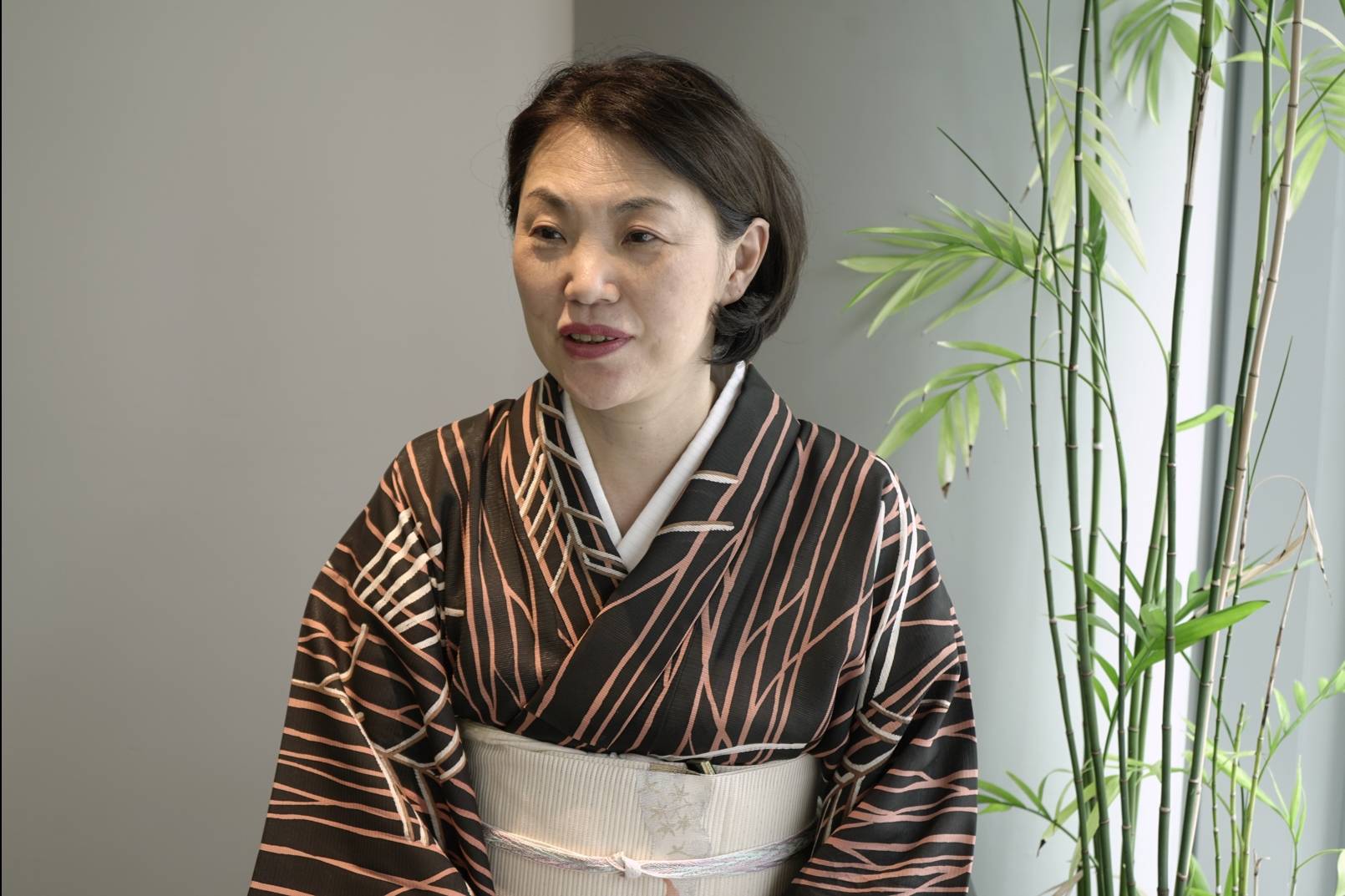
Ikenobo headmaster designate Senko Ikenobo speaks during an interview in Tokyo, on July 17, 2026. (AP Photo/Mayuko Ono)
Okada, who also teaches backflips to anyone who wants to learn, usually wears silver chains and jeans, but he wears a nice kimono when he formally demonstrates his arrangements. He considers himself typical of those drawn to ikebana today, people looking for joy, purpose, or solace from the daily grind or pain of modern life.
“In arranging (flowers), you are dealing with the life that is there, the beauty, of course, but you find what’s in your heart,” said Okada. “You come face to face with yourself.”
The Kyoto-based Ikenobo school, which is rooted in Buddhism, now has chapters around the world.
Okada's previous job at a nonprofit involved talking to people from around the world, and he realized how different — and alike — people were. When he switched to his current job, at a flower shop, he decided to take up a pursuit that was Japanese, so he could explore that aspect of himself, and one that could be done for a long time, alone.
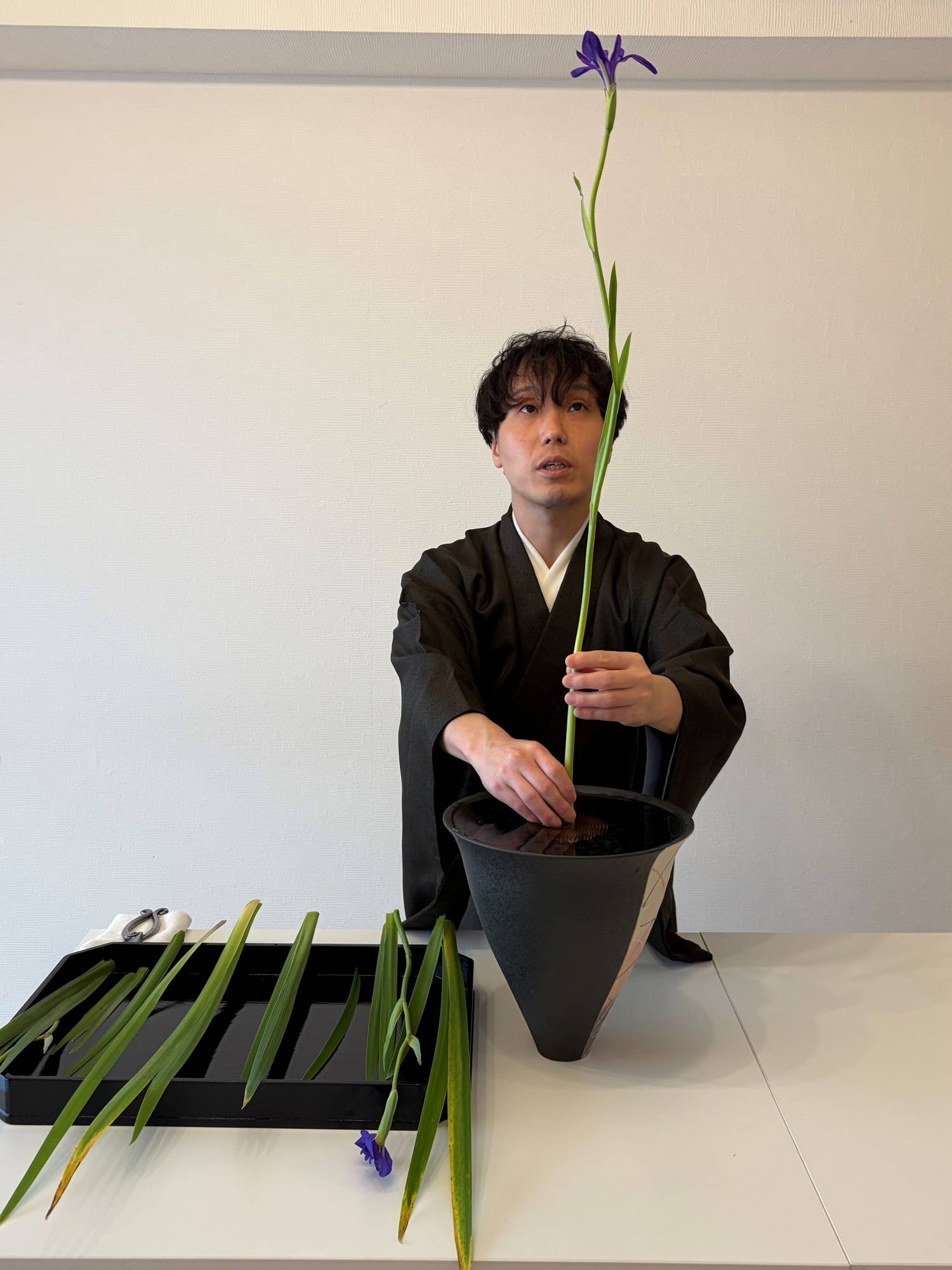
Ikenobo ikebana instructor Hiroyuki Okada demonstrates a basic flower arrangement style called “Shoka Shofutai” at a studio in Tokyo on Aug. 11, 2026. (AP Photo/Yuri Kageyama)
Observing how flowers and plants grow is part of the art Ikebana involves interacting with nature, although on a small scale — usually in a little vase.
“It is about the relationship of the creator with the flowers,” said Senko Ikenobo, headmaster-designate of the Ikenobo school.
Her family dates back generations to the originators of the art. Her father is the current headmaster.
Jeannette Haviland-Jones, professor of social psychology at Rutgers University, says studies have shown “that flowers and even flower scents promote happiness in people. We suggested a coevolutionary theory for this in which flowers became the ‘pets’ of the plant world.”
Besides a flower's beauty and fragrance, the feel of its petals and leaves to the touch is crucial, like petting a kitten or a puppy, according to Okada.
There are toddlers who do Ikenobo, copying their moms, and there are devoted centenarians. The headmaster-designate says she has seen ikebana help women who are juggling work and motherhood, or taking care of aging parents.
Ikebana has a healing effect similar to that of yoga, meditation or play, says Mayu Shimizu, who works for an online educational service and has been taking lessons from Okada for about three years.
“I like this moment of nothingness when you are concentrating on the flowers before you,” she says. “My mind feels clearer. I feel more at peace, and gentle.”
This photo released by Hiroyuki Okada shows a free-style Ikenobo ikebana arrangement in Tokyo on March 11, 2026. (Hiroyuki Okada via AP)
One traditional Ikenobo arrangement is shoka shofutai, which attempts to arrange the flowers, leaves and branches as they might look in nature, reaching toward sunlight or bending in the wind. The vase, sometimes crafted from wood or pottery, also becomes part of the arrangement's vision.
Yet the overall look is pure and simple, expressing the life cycle of flowers — from blossoming through withering — through three main elements:
— Shin, the tallest element, is arranged first, representing one's core, reaching up toward the sky.
— Soe, which is trimmed to about two-thirds the height of the shin and is placed at the side, expresses the flower’s individuality. The leaves might be slightly faded, representing the later stages of life.
— Tai, the third element, is the future. Choose a blossom or fresh small leaves — things that are being born.
There are also freer, spinoff styles that look more like casual, Western-style bouquets than the stoic, textbook-oriented shoka shofutai. That may feel easier, and more fun, for beginners.
Just as ikebana connects a person with flowers, those who practice the art say it’s also about the passing of the art over generations, connecting people.
In First, French Presidential Candidate Gives Birth During Campaignhttps://english.aawsat.com/varieties/5321587-first-french-presidential-candidate-gives-birth-during-campaign
Marine Tondelier, National Secretary of Les Ecologistes (the Ecologists - EELV - French Green Party) party arrives for a meeting with French President Emmanuel Macron about the situation in the Middle East and Ukraine and their consequences for France's security and energy supplies, at the Elysee Palace in Paris, France, September 18, 2026. REUTERS/Sarah Meyssonnier
In First, French Presidential Candidate Gives Birth During Campaign
Marine Tondelier, National Secretary of Les Ecologistes (the Ecologists - EELV - French Green Party) party arrives for a meeting with French President Emmanuel Macron about the situation in the Middle East and Ukraine and their consequences for France's security and energy supplies, at the Elysee Palace in Paris, France, September 18, 2026. REUTERS/Sarah Meyssonnier
French Greens leader and candidate in the 2027 presidential election Marine Tondelier said Wednesday she had given birth to a son, emphasizing that she would press on campaigning while prioritizing the health of her child.
Tondelier, 40, was the first candidate in French politics to campaign while pregnant and, while acknowledging the challenges, she had expressed hope it would push issues including infertility and motherhood up the agenda.
Her boy Leon was born in Lens in northern France on September 18, Tondelier told AFP, saying the family had kept the news private for a few days.
He was born hours after Tondelier as Greens chief had attended a rare meeting at the Elysee Palace where President Emmanuel Macron had warned France's political leaders over the risk of Russian hybrid attacks.
She told AFP that the birth had gone "very well," adding that she would be "working differently" for a while and "trying to figure out how to balance a presidential campaign with a newborn, whose health and well-being come first."
Already the mother of a 7-year-old boy, Tondelier was confirmed as the candidate for the Greens on Monday. In December, the party will decide whether to maintain her candidacy or withdraw and throw the party's weight behind another left-wing figure.
Polls currently show Tondelier, who has the slogan "another Marine is possible!" in reference to far-right frontrunner Marine Le Pen, lagging well under five percent in the first round of voting.
لم تشترك بعد
انشئ حساباً خاصاً بك لتحصل على أخبار مخصصة لك ولتتمتع بخاصية حفظ المقالات وتتلقى نشراتنا البريدية المتنوعة