




By Nina Siegal
It was April 1912, and Helene Kröller-Müller was on a shopping spree. She wasn’t interested in the latest shoes or fashions. She was on the hunt for Vincent van Gogh’s portrait of Madame Augustine Roulin.
She managed to find “La Berceuse,” as the painting is known, at a Paris gallery, and bought it on the spot. The next day, she went from gallery to gallery, looking for more van Gogh paintings, and took home a great haul: 15 in a single trip.
Kröller-Müller, a German heiress, had made it her life’s goal to establish a great public collection of modern art. She became one of the first major collectors to recognize van Gogh’s genius.
Now, more than a century after that Paris shopping spree, the entire collection of van Gogh paintings she assembled is on view together at the museum she built in the middle of a Dutch forest — for the first time since 1984.
It is the second-largest trove of van Gogh’s works anywhere, after the Van Gogh Museum in Amsterdam, and it was assembled by a woman who took great risks in buying his art at a time when few others dared.
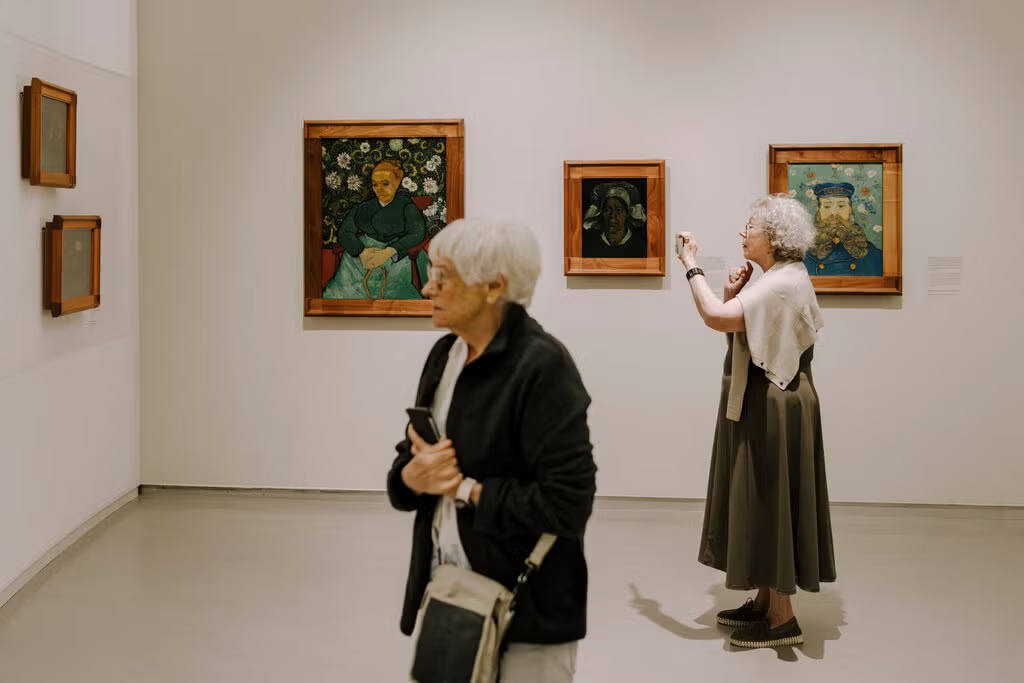
The exhibition at the Kröller-Müller Museum in Otterlo, the Netherlands, called “Van Gogh: All Our Paintings” and running through Jan. 3, presents the whole collection as Kröller-Müller conceived it: an expression of the artist’s development, range and spiritual aspirations.
“This is a rare moment that all the paintings are in the house,” said Benno Tempel, the museum’s director. “It hasn’t happened for such a long time.”
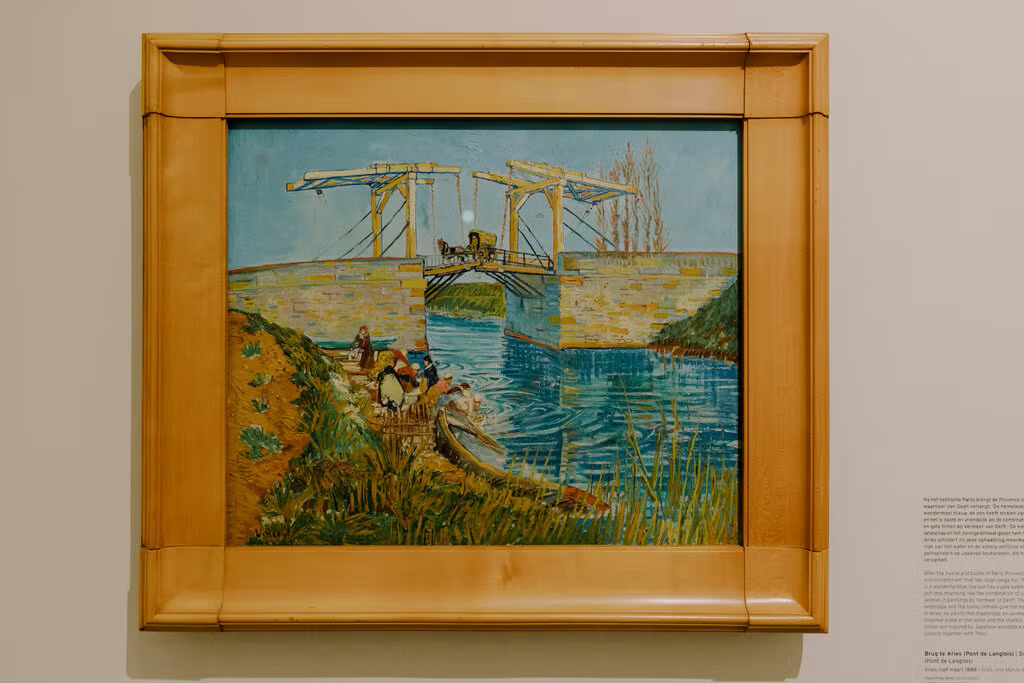
The show is organized around three themes — faith, hope and love — reflecting the spiritual dimension that Kröller-Müller saw in van Gogh’s work. It includes many of his popular works, scattered throughout these broad categories, such as “Café Terrace at Night,” “Portrait of Joseph Roulin” and “The Sower.”
Kröller-Müller, the daughter of a German industrialist, had an early interest in art but had to end her formal education at age 16. At 18, she married one of her father’s employees, who would later take over the family business. Her husband, Anton Müller, encouraged her intellectual pursuits, including her interest in art, a socially acceptable hobby for wealthy women of the era.
“If you were married at the time, you gave all your money and assets to your husband," said the exhibition’s curator, Renske Cohen Tervaert. “So it was quite open-minded of him, in a way, to allow her to follow her dream in this way.”
But Kröller-Müller didn’t collect as a hobbyist. She embraced art with a kind of religious fervor.
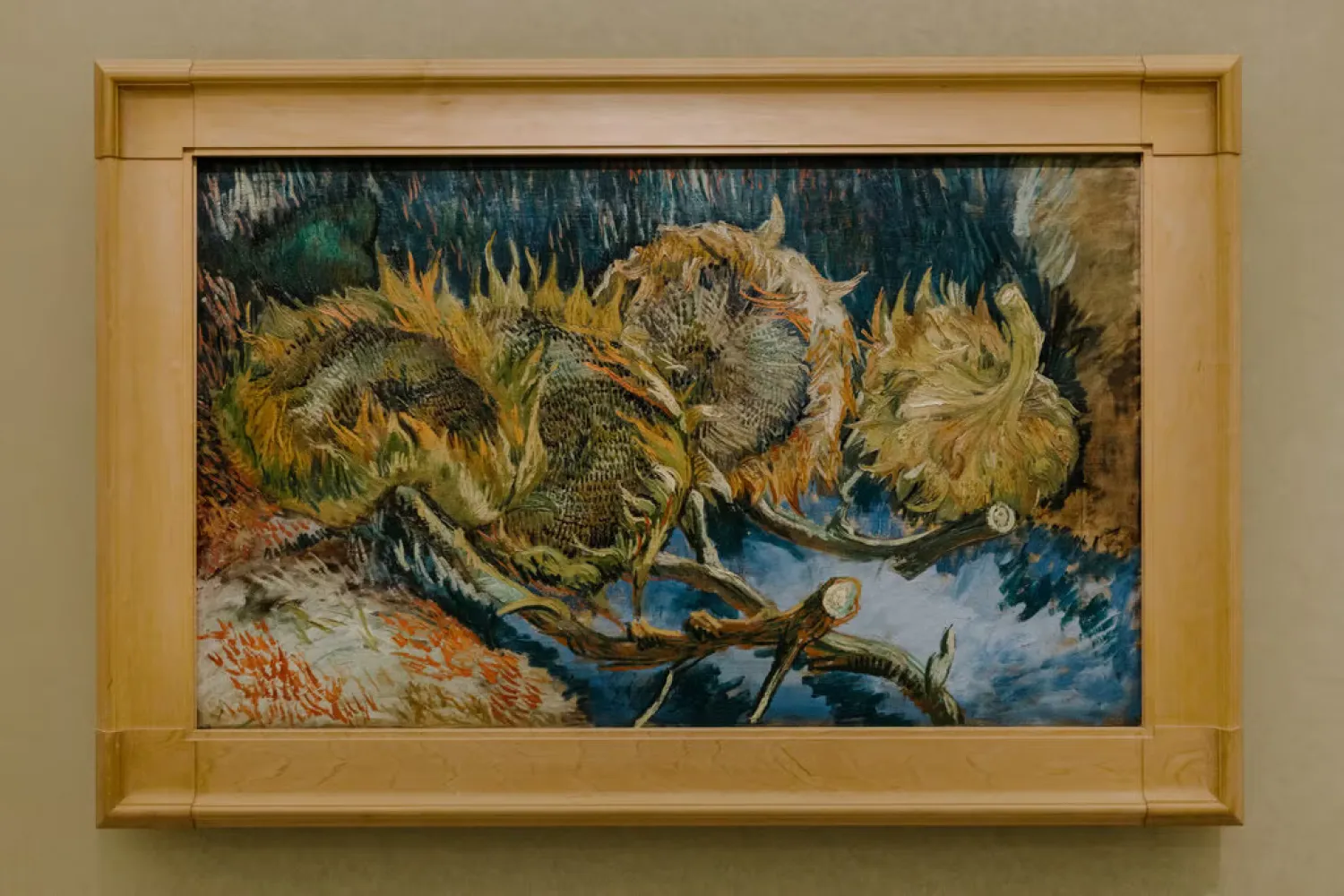
She bought her first van Gogh painting in 1908 for 110 guilders — about the price of an exquisite dress, said Eva Rovers, her biographer. Four months later, she bought his “Four Sunflowers Gone to Seed” for 4,000 guilders.
Prices were rising in large part because she was buying so much.
Kröller-Müller’s collecting philosophy was largely shaped by the art historian Henk Bremmer, with whom she took an art appreciation class, Tervaert said. She added that for Bremmer, the key component of good art was that it made the viewer feel an emotion or experience something spiritual.
Kröller-Müller went looking for art that stirred her spirit and found van Gogh.
Rovers said that van Gogh was not well regarded in the early 20th century. “If the general public knew him at all, they really considered him a madman who could not paint,” she said.
But because van Gogh had been a preacher before becoming an artist, Kröller-Müller regarded him as a man who had found a connection to faith through his art.
“She understood his wish to transcend suffering, and his aim to use art to transcend suffering,” Rovers said.
While most collectors in the Netherlands were buying old masters and 19th-century Dutch painting, Kröller-Müller focused on Cubism, Pointillism and De Stijl artists, including Piet Mondrian, Fernand Léger and Pablo Picasso.
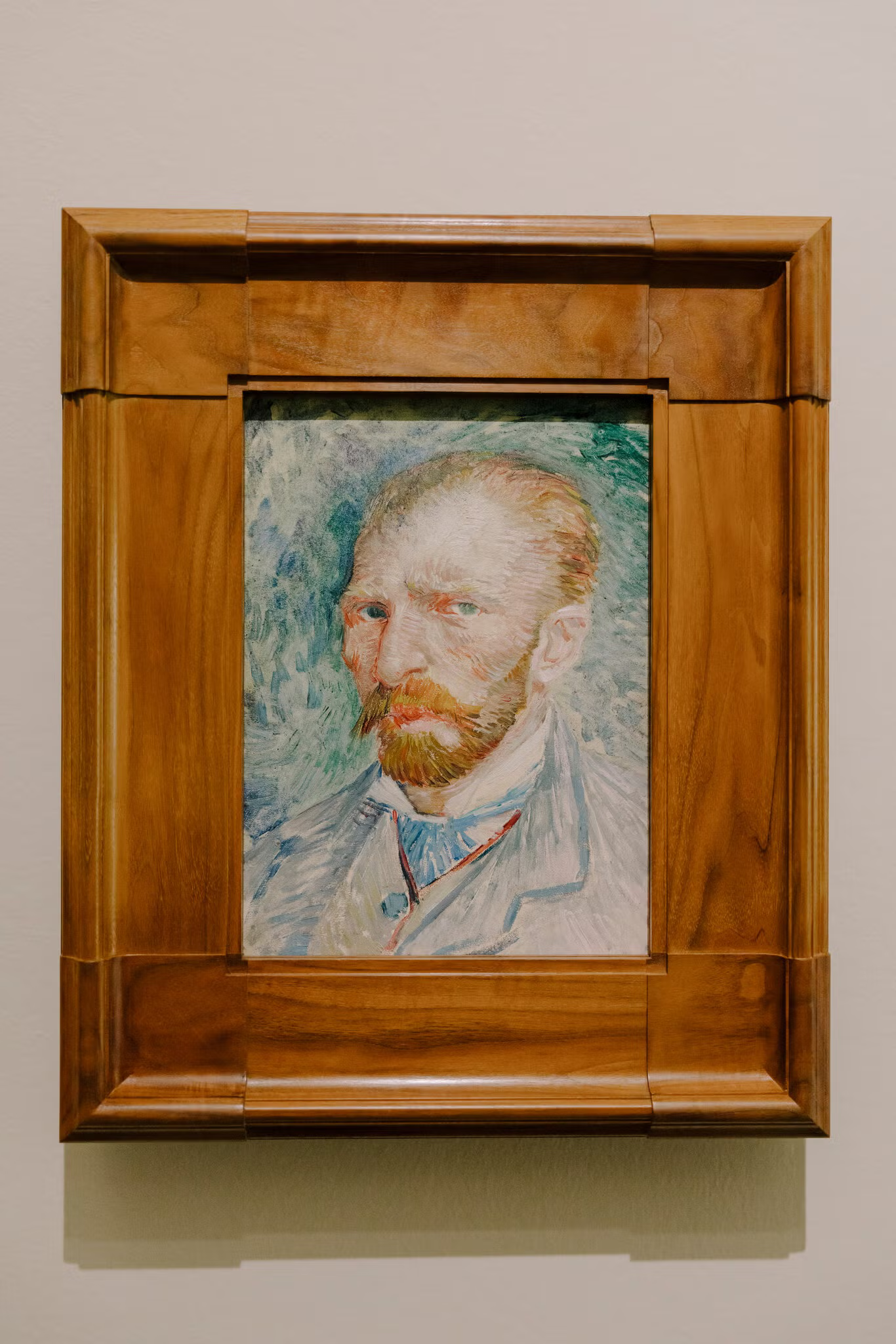
Van Gogh’s work dominated the collection for a simple reason, Rovers said: He “stood at the cradle of the beginning of avant-garde art.” Kröller-Müller built a collection, Rovers added, “that could show the broad variety of his work — landscapes, portraits, cityscapes.”
In the late 1930s, as Europe was approaching World War II, Kröller-Müller’s health was declining, along with her family fortune.
She decided to offer her art collection, worth about 4 million guilders at the time, along with family property in the Veluwe forest, to the Dutch state, as long as it would agree to build a museum to display it. She imagined the museum, with a 62-acre sculpture garden, as a retreat for spiritual and philosophical inquiry.
The result was a rare trove in a remote Dutch forest — now a national park — built around her collection.
The Van Gogh Museum in Amsterdam has more than 200 paintings, but its collection has a different history: It was established to show the collection of the van Gogh family, who owned the artist’s unsold works. The Kröller-Müller represents a collector’s eye.
“The Van Gogh Museum is just what was left over,” Tempel said. “This is a chosen collection.”
The New York Times


