Separation Surgery for Fijian Conjoined Twins Begins in Riyadh Under Royal Directiveshttps://english.aawsat.com/varieties/5329853-separation-surgery-fijian-conjoined-twins-begins-riyadh-under-royal-directives
Separation Surgery for Fijian Conjoined Twins Begins in Riyadh Under Royal Directives
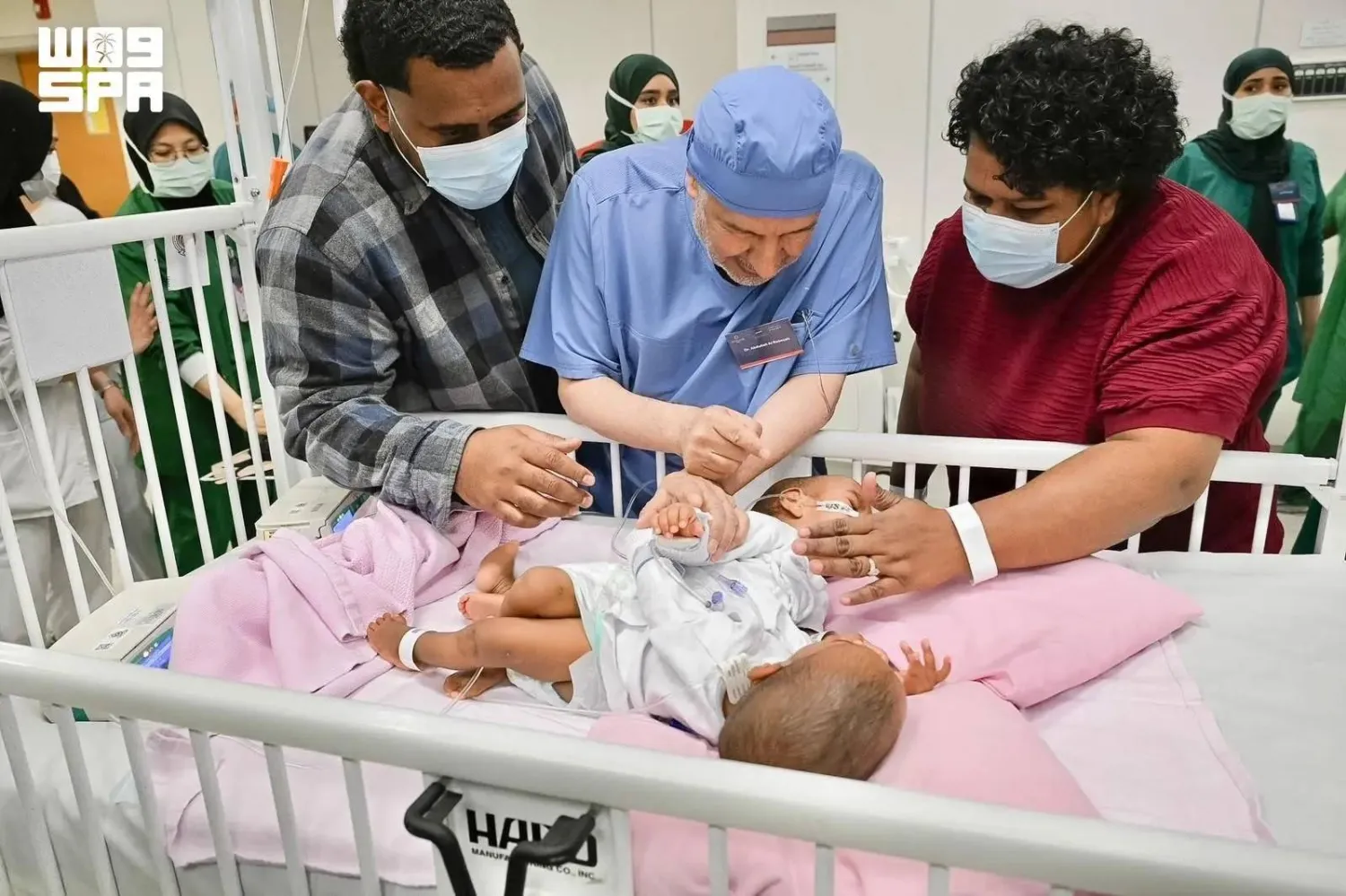
The medical and surgical team of the Saudi Conjoined Twins Program began Thursday the separation surgery for 13-month-old Fijian conjoined twins Jasbili and Desisia at King Abdullah Specialist Children’s Hospital in Riyadh. (SPA)
Acting on the directives of the Custodian of the Two Holy Mosques, King Salman bin Abdulaziz Al Saud, and Prince Mohammed bin Salman bin Abdulaziz Al Saud, Crown Prince and Prime Minister, the medical and surgical team of the Saudi Conjoined Twins Program began Thursday the separation surgery for 13-month-old Fijian conjoined twins Jasbili and Desisia at King Abdullah Specialist Children’s Hospital in Riyadh.
Supervisor General of the King Salman Humanitarian Aid and Relief Center and head of the program’s surgical team Dr. Abdullah Al Rabeeah said in a statement that the twins arrived in the Kingdom on July 21, 2026. The medical team conducted a thorough assessment, including comprehensive medical examinations and several consultations. It concluded that the twins were conjoined at the abdomen and pelvis and shared the liver, intestines, colon, anus, urinary system, reproductive system, and pelvic bone.
He explained that the medical and surgical team has planned the procedure to be carried out in nine stages, with an estimated duration of approximately 15 hours. A total of 34 individuals, including consultants, specialists, and technical and nursing staff, are participating in the operation.
Al Rabeeah stated that, based on medical assessment, this is a complex procedure with a success rate of 70%.
He noted that this marks the first separation of conjoined twins from the Republic of Fiji and is the 74th case handled by the Saudi Conjoined Twins Program. Since 1990, the program has provided care for 159 sets of conjoined twins from 28 countries across five continents.
Participants embark on a guided three-kilometer morning hike, with separate days for men and women - SPA
The Wasm Hail 2026 events feature a hiking experience along the Qareh trail, bringing together adventure and exploration enthusiasts to enjoy the region's natural attractions amid Hail's diverse landscapes and terrain.
Participants embark on a guided three-kilometer morning hike, with separate days for men and women, SPA reported.
The experience is part of the activities accompanying Wasm Hail 2026, which aim to highlight the region's natural and tourism sites, diversify the options available to participants and visitors, and promote adventure travel and outdoor activities as key elements of Hail's appeal.
UK Records Highest Number of Heat-Related Deaths in 2026https://english.aawsat.com/varieties/5345038-uk-records-highest-number-heat-related-deaths-2026
Europe experienced another summer marked by prolonged periods of extreme heat, which scientists say are becoming more frequent and intense because of climate change. (Getty Images/AFP)
TT
TT
UK Records Highest Number of Heat-Related Deaths in 2026
Europe experienced another summer marked by prolonged periods of extreme heat, which scientists say are becoming more frequent and intense because of climate change. (Getty Images/AFP)
Heat-associated deaths in Britain reached 5,258 during the summer of 2026, marking the highest annual total since records began in 2016, according to the UK Health Security Agency.
The toll comes after Europe experienced another summer marked by prolonged periods of extreme heat, which scientists say are becoming more frequent and intense because of climate change.
The 5,258 figure compares with 2,985 heat-associated deaths during the whole of summer 2022, another notably hot period, and comes after what the agency described as an exceptional season of prolonged hot weather in 2026.
Other European countries have also reported record excess mortality from the heatwaves over the summer.
Researchers from Imperial College London and the London School of Hygiene & Tropical Medicine estimated that more than 50,000 heat-related deaths occurred in urban areas across 30 European countries during the summer, the highest toll recorded since 2000.
In Britain, there were seven heat episodes lasting a total of 41 days during the summer, the highest number recorded since annual heat mortality monitoring began, the UKHSA said.
The deadliest period was between June 21 and June 28, when an estimated 2,401 deaths were associated with extreme heat. More than 3,000 heat-associated deaths were estimated across heat episodes in May and June alone.
Heat can be fatal by triggering heat stroke and dehydration or by worsening underlying cardiovascular and respiratory conditions.
Ross Thompson, principal environmental health scientist at the agency, said it was vital that everyone is prepared "not just during a heatwave but in the longer term."
"The decisions we make now will shape the health impacts people experience in the decades ahead," Thompson said.
Saudi Arabia’s Harrat Al Rass Al Abyad Nature Reserve Registered in World Database on Protected Areashttps://english.aawsat.com/varieties/5345028-saudi-arabia%E2%80%99s-harrat-al-rass-al-abyad-nature-reserve-registered-world-database
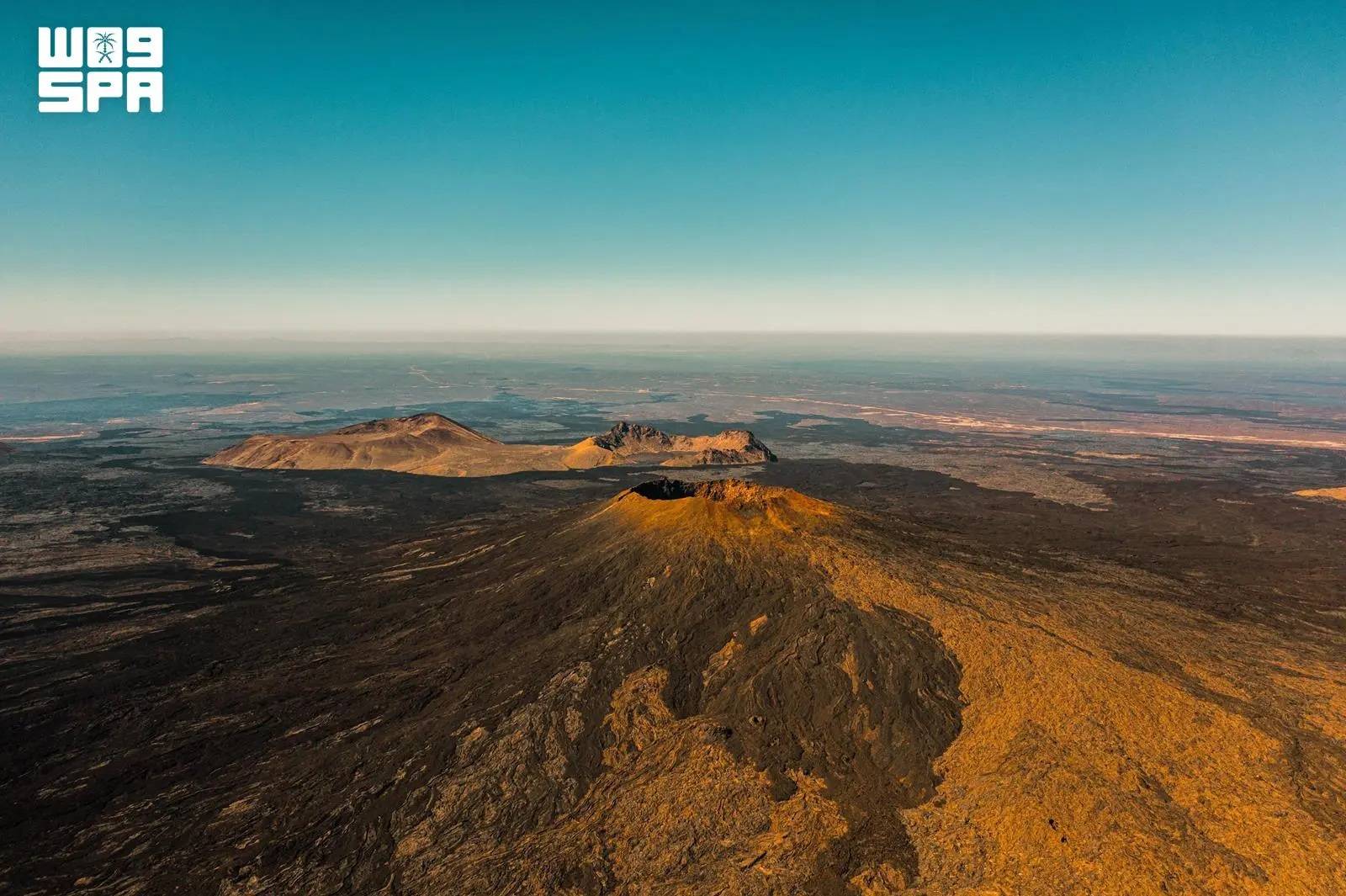
The reserve is located within Harrat Khaybar, one of the largest volcanic fields in the Arabian Peninsula. (SPA)
TT
TT
Saudi Arabia’s Harrat Al Rass Al Abyad Nature Reserve Registered in World Database on Protected Areas
The reserve is located within Harrat Khaybar, one of the largest volcanic fields in the Arabian Peninsula. (SPA)
Saudi Arabia’s Royal Commission for AlUla (RCU), in coordination with the National Center for Wildlife, announced the official registration of Harrat Al Rass Al Abyad Nature Reserve in both the National Database of Protected Areas and the World Database on Protected Areas (WDPA). The milestone supports efforts to conserve the reserve’s distinctive biodiversity and rare geological formations.
Covering an area of 600 square kilometers in the Khaybar Governorate in the Madinah Region, the reserve is the sixth within RCU’s protected area network (APAN), which spans a total of 12,107 square kilometers.
Its registration reflects RCU’s continued efforts to develop its protected area network, document its natural assets and strengthen their management through scientific approaches that support long-term sustainability.
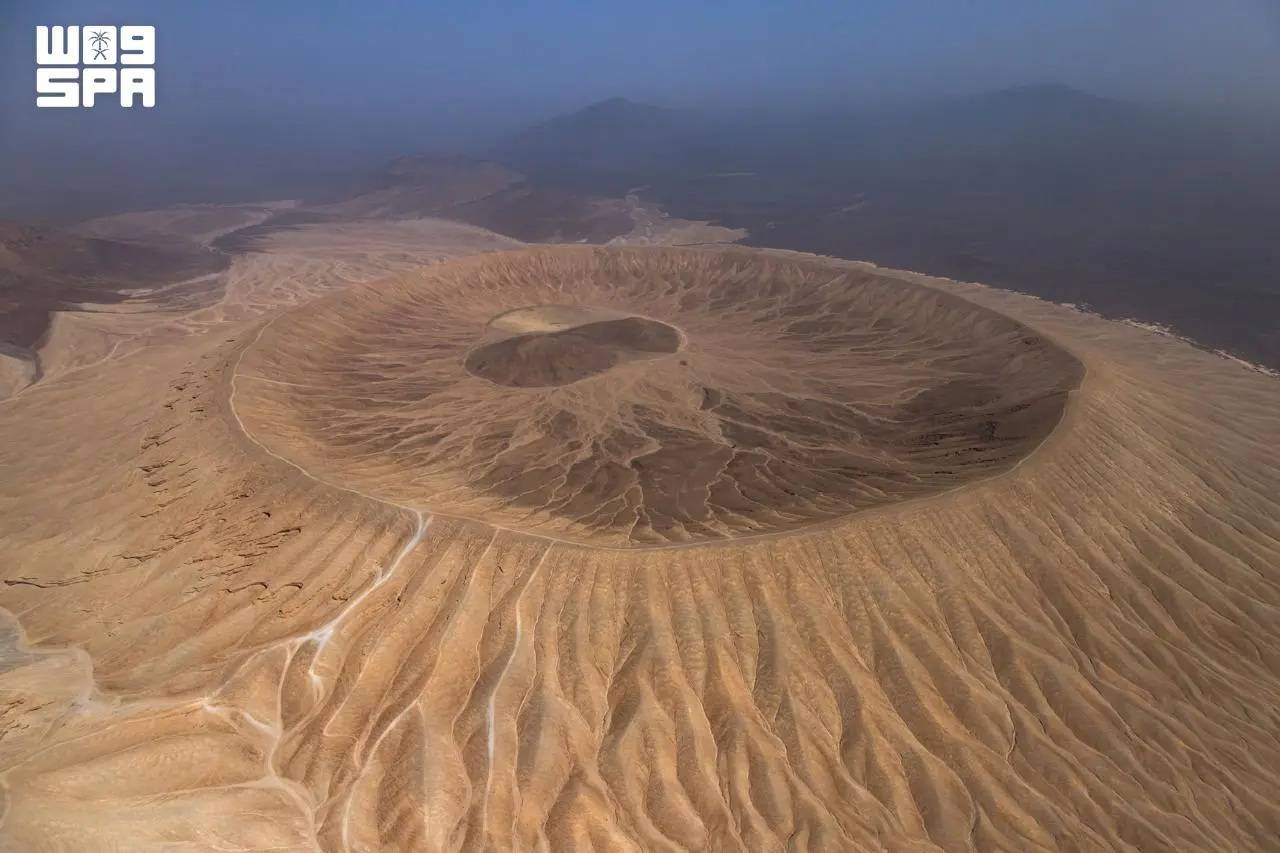
Harrat Khaybar is home to three rare white volcanoes. (SPA)
The reserve is located within Harrat Khaybar, one of the largest volcanic fields in the Arabian Peninsula, where white volcanoes stand alongside black basalt fields, creating a striking geological landscape. The white formations derive their distinctive color from comendite volcanic rocks, setting them apart from the surrounding landscape.
Harrat Khaybar is home to three rare white volcanoes: Jabal Al Bayda, Jabal Al Abyad and Jabal Al Mansaf, highlighting the area's significance for studying geological diversity and the history of volcanic activity.
The reserve falls under Category III of the International Union for Conservation of Nature (IUCN) protected area management categories, which focuses on protecting natural features and their associated biodiversity and habitats.
The area is also home to Umm Jirsan Cave, one of Saudi Arabia’s longest lava tube systems, extending approximately 1,481 meters.
Preliminary surveys conducted by RCU have recorded around 99 plant, 14 mammal, 18 reptile and 59 bird species, including the endangered Egyptian vulture. The surveys have also identified suitable habitats for the mountain ibex.
Species inventories and data updates remain ongoing to enhance knowledge of the reserve’s ecological assets and identify conservation priorities.
The area is also home to Umm Jirsan Cave, one of Saudi Arabia’s longest lava tube systems. (SPA)
The development of the reserve was guided by a scientific approach involving environmental, geological and cultural assessments conducted between 2022 and 2024 in collaboration with the IUCN. The assessments resulted in an operational management plan for 2024–2029, providing a framework for conservation, management and monitoring activities to safeguard the site's natural and cultural values.
RCU continues to pursue international recognition for the area, including efforts to meet the requirements of UNESCO Global Geoparks and the IUCN Green List. These initiatives support the conservation of geological heritage and enhance the effectiveness of protected area management.
The reserve’s registration forms part of RCU’s 10-year ecosystem restoration strategy and its wider efforts to protect natural habitats, conserve biodiversity and safeguard geological heritage. The efforts align with the Saudi Green Initiative’s target of protecting 30% of Saudi Arabia’s terrestrial and marine areas by 2030.
لم تشترك بعد
انشئ حساباً خاصاً بك لتحصل على أخبار مخصصة لك ولتتمتع بخاصية حفظ المقالات وتتلقى نشراتنا البريدية المتنوعة