


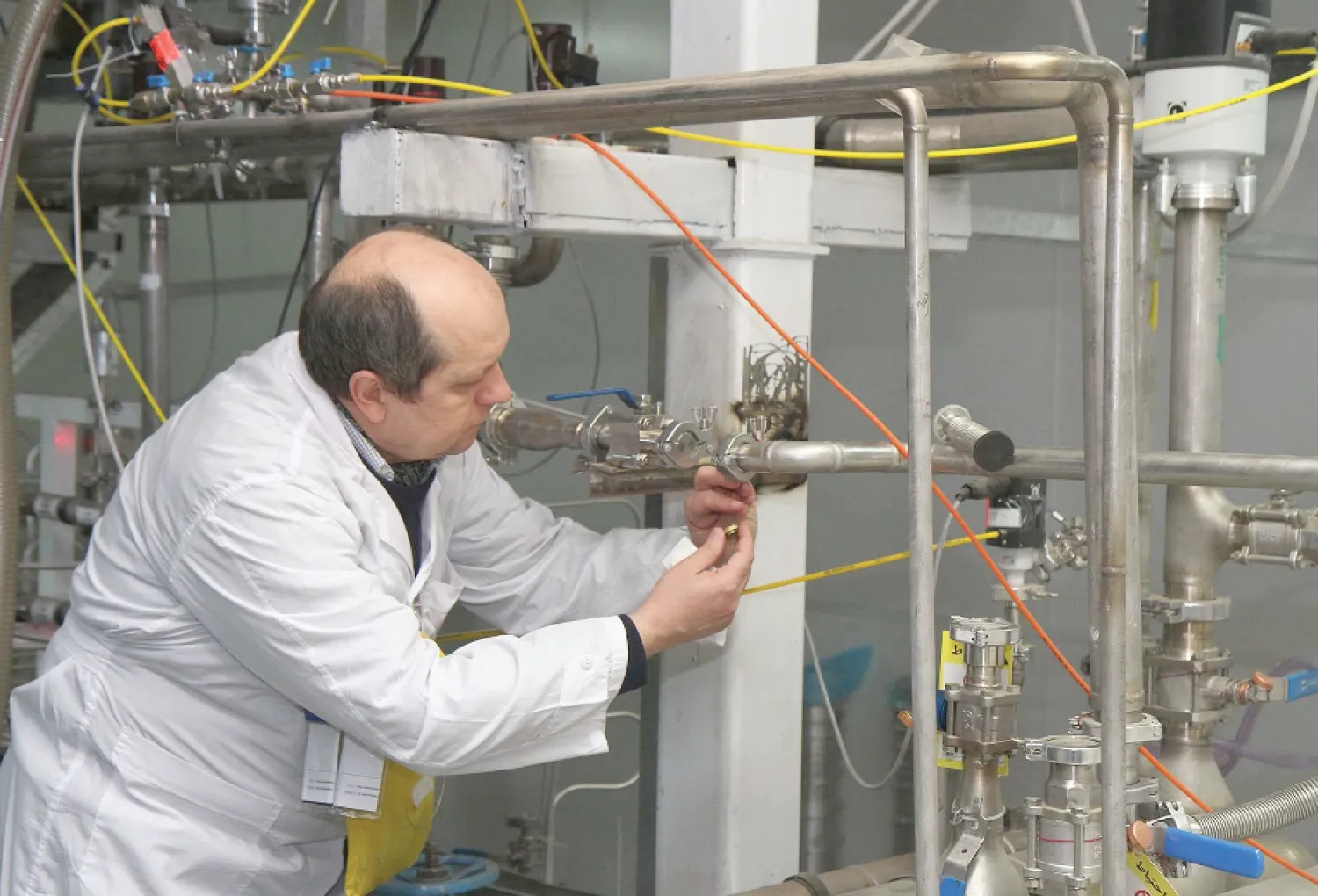

Britain, France and Germany have warned Iran they would trigger a return of UN sanctions if the country enriched uranium to the optimal level for a nuclear weapon, Reuters reported, quoting European sources.
Western concern worsened in February, after United Nations inspectors revealed that they had found uranium particles with a purity of 83.7 percent at the fortified Fordow facility. The sources said that the foreign ministers of the three countries made the threat last year, confirming Western fears that Iran could produce bomb-grade uranium of 90% purity.
A senior Iranian official said that Tehran would not stand idle if the UN sanctions mechanism was revived.
“If the other parties under any pretext trigger it, they will be responsible for all the consequences,” he told Reuters. “Iran’s reaction could range from leaving the NPT (Nuclear Non-Proliferation Treaty) to accelerating our nuclear work.”
The report came hours after US National Security Adviser Jake Sullivan confirmed that Washington was working with allies, including Israel, to deter Iran from developing weapons, although he confirmed that the Biden administration was still seeking a diplomatic solution to the Iranian nuclear crisis.
Meanwhile, Israeli Prime Minister Benjamin Netanyahu warned against the Iranian nuclear threat, saying on Twitter: “Iran is 50 North Koreas. It is not merely a neighborhood bully like the, the dynasty that rules North Korea. This is an ideological force that views us, Israel, as the small Satan, and views you as the Great Satan.”
His comments came during a meeting with US legislators.
US and European officials have been searching for ways to curb Tehran’s program since the collapse of indirect US-Iranian talks on reviving the 2015 nuclear deal between Iran, Britain, China, France, Germany, Russia and the United States.
The deal, aimed at preventing Iran from developing a nuclear weapon, required Tehran to accept curbs on its nuclear program and more intensive UN inspections, in exchange for an end to UN, US and European Union sanctions.
The deal capped Iran’s enrichment of uranium at 3.67 percent. In 2018, former US President Donald Trump abandoned the agreement, which he criticized for not including the Iranian ballistic missile program and Tehran’s regional activities represented by the IRGC.
Trump re-imposed broad US sanctions, many of which have the secondary effect of forcing non-US firms to stop dealing with Iran or risk losing access to the American market. But the UN sanctions were not reactivated.
Moreover, the US sanctions have failed to keep Iran from producing ever-purer levels of uranium.
The nuclear deal specified a “snapback” mechanism that would restore UN sanctions, which include an oil embargo and banking restrictions, if Iran abandons the commitments of the nuclear deal. Any of the countries that signed the original agreement can trigger the re-imposition of sanctions.


