




US State Department Principal Deputy Spokesperson Vedant Patel affirmed on Thursday that Washington continues to stay in close touch with allies and partners, including a number of countries in the region, about the various areas of concern that his country has with Iran.
“We’ll continue to remain focused on constraining Iran’s destabilizing behavior through diplomatic pressure, close coordination with our allies and partners, and de-escalation steps in the region as well,” the principal deputy spokesperson said in a press briefing.
He then affirmed that the indirect talks, which began recently between Washington and Tehran, do not aim to conclude a “new agreement” on the Iranian nuclear program.
Patel was asked about any developments in the Omani mediation to conclude a deal regarding American prisoners held in Iran.
He said: “We also continue to work to bring home the American citizens that are wrongfully detained in Iran... It’s something that we will continue to work for tirelessly.”
He added that “Iran’s wrongful detention of US citizens, including for the use of political leverage, is absolutely outrageous, and we’ll continue to be committed to securing the freedom of all US citizens”.
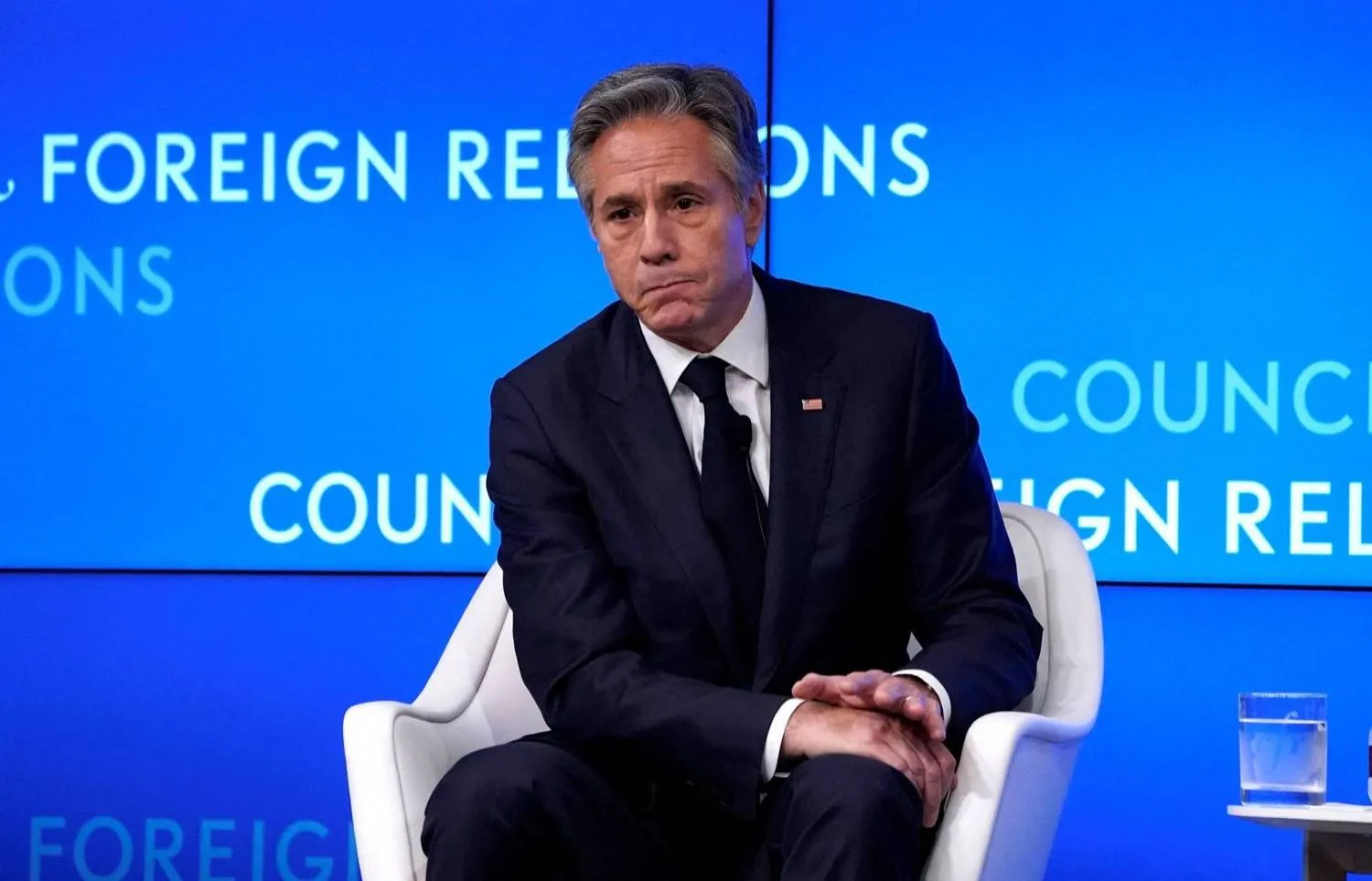
In the same context, US Secretary of State Antony Blinken said Wednesday that no new nuclear agreement was on the table with Iran, after quiet new diplomacy between the adversaries.
“There is no agreement in the offing, even as we continue to be willing to explore diplomatic paths,” Blinken said at the Council on Foreign Relations in New York.
“We’ll see by their actions,” Blinken said of the future relationship, calling on Iran to choose to “not take actions that further escalate the tensions” with the United States and in the Middle East.
The statement came one week after Blinken dubbed as “inaccurate” the reports claiming that Washington is about to reach an agreement on nuclear matters or detainees.
President Joe Biden took office with hopes of returning to a 2015 nuclear accord with Iran scrapped by his predecessor Donald Trump. But EU-mediated talks collapsed and mass protests in Iran made Washington increasingly hesitant to strike a deal with the clerical state.
Diplomats, however, say indirect talks have quietly resumed in recent months with Oman as an intermediary, with the focus largely on the status of US prisoners in Iran.
The talks on restoring the 2015 nuclear accord broke down over disputes on the extent of relief from sweeping US sanctions imposed by Trump and over when Iran would return to compliance by pulling back from countermeasures taken in response to the US withdrawal from the deal.
Blinken said the Biden administration had made a “good-faith effort” with European powers as well as rivals China and Russia to return and that for a time “that looked possible.”
“Iran either couldn’t or wouldn’t do what was necessary to get back into compliance,” he said.
For its part, Tehran says Washington lacks the “political will” to revive the 2015 agreement.
Meanwhile, the news website Axios reported on Thursday that White House national security adviser Jake Sullivan in a tough call with his Israeli counterpart last week expressed concern that Israel is leaking information to the press about indirect talks between the US and Iran, quoting three US and Israeli officials.
Most press reports about the talks began to surface in June, and Israeli Prime Minister Benjamin Netanyahu told Israeli lawmakers in a classified Knesset hearing that the US was working on a “mini-agreement” with Iran.
The website said in his call with Israeli national security adviser Tzach Hanegbi last week, Sullivan mentioned frustrations around Netanyahu's remarks, according to a senior Israeli official.


