


UK Puts Its Defense Industry on ‘War Footing’ as It Gives Ukraine $620 Million in New Military Aid

 British Prime Minister Rishi Sunak and Polish Prime Minister Donald Tusk meet at the Chancellery of the Prime Minister in Warsaw, Poland, April, 23, 2024. (Reuters)
British Prime Minister Rishi Sunak and Polish Prime Minister Donald Tusk meet at the Chancellery of the Prime Minister in Warsaw, Poland, April, 23, 2024. (Reuters)
TT

UK Puts Its Defense Industry on ‘War Footing’ as It Gives Ukraine $620 Million in New Military Aid

 British Prime Minister Rishi Sunak and Polish Prime Minister Donald Tusk meet at the Chancellery of the Prime Minister in Warsaw, Poland, April, 23, 2024. (Reuters)
British Prime Minister Rishi Sunak and Polish Prime Minister Donald Tusk meet at the Chancellery of the Prime Minister in Warsaw, Poland, April, 23, 2024. (Reuters)

UK Prime Minister Rishi Sunak announced Tuesday that the country is putting its defense industry on a “war footing” by increasing defense spending to 2.5% of GDP by the end of the decade, amid NATO concerns of possible repercussions of Russia's war in Ukraine.

Sunak made the announcement to increase spending to well above the 2% target set by NATO during a visit to the Polish capital, Warsaw. It came on the heels of a new pledge to send arms worth 500 million pounds ($620 million) to Ukraine, including missiles, armored vehicles and ammunition.

He described the increased spending as the “biggest strengthening of our national defense for a generation."

“In a world that is the most dangerous it has been since the end of the Cold War, we cannot be complacent," he said at a news briefing alongside NATO Secretary General Jens Stoltenberg. “As our adversaries align, we must do more to defend our country, our interests and our values."

Sunak promised an extra 75 billion pounds ($93 billion) in defense spending over the next six years. The target of 2.5% of GDP spending was a re-commitment of a target set by former Prime Minister Boris Johnson in 2022.

Sunak and his Treasury chief, Jeremy Hunt, had previously only said the 2.5% goal would be met when the economic conditions allow.

“We will put the UK’s own defense industry on a war footing,” Sunak said to an audience of British troops serving on NATO's eastern front. “One of the central lessons of the war in Ukraine is that we need deeper stockpiles of munitions, and for industry to be able to replenish them more quickly.”

Under the new spending plan, Britain’s defense budget will increase immediately and then rise steadily to reach 87 billion pounds at the end the decade.

A decade ago, NATO leaders agreed to commit 2% of GDP to defense spending. Britain has spent above that over the past decade but never higher than 2.35% in 2020, according to NATO data.

UK official figures showed that defense spending last year was about 55.5 billion pounds. NATO data showed that this amounted to about 2.07% of the UK’s GDP, ahead of countries including France and Germany but behind Poland, the U.S., Estonia and others.

Sunak spoke with Ukrainian President Volodymyr Zelenskyy to confirm the assistance and "assure him of the UK’s steadfast support for Ukraine’s defense against Russia’s brutal and expansionist ambitions,” Sunak's office said.

UK authorities said the new commitment to Ukraine included 400 vehicles, 60 boats, 1,600 munitions and 4 million rounds of ammunition, at a time when Ukraine is struggling to hold off advancing Russian forces on the eastern front line of the war, now in its third year.

The shipment will include British Storm Shadow long-range missiles, which have a range of some 150 miles (240 kilometers) and have proved effective at hitting Russian targets.

Sunak said that Britain's commitment “shows that Ukraine is not alone, and Ukraine will never be alone.”

However, Downing Street did not indicate whether the aid would be immediately available for delivery. Zelenskyy has pleaded for greater international assistance, warning that his country will lose the war without it.

The announcement came three days after the US House of Representatives approved $61 billion in aid for Ukraine, as American lawmakers raced to deliver a fresh round of US support to the war-torn ally. The Senate was expected to vote on the package Tuesday.

Ammunition shortages over the past six months have led Ukrainian military commanders to ration shells, a disadvantage that Russia has seized on this year — taking the city of Avdiivka and currently inching towards the town of Chasiv Yar, also in the eastern Donetsk region.



Pope Renews Appeal for Peace in Middle East

 Pope Leo XIV appears at the window of his studio overlooking St. Peter's Square at the Vatican where Catholic faithful and pilgrims gathered for the traditional Sunday blessing at the end of the noon Angelus prayer, Sunday, March 15, 2026. (AP)
Pope Leo XIV appears at the window of his studio overlooking St. Peter's Square at the Vatican where Catholic faithful and pilgrims gathered for the traditional Sunday blessing at the end of the noon Angelus prayer, Sunday, March 15, 2026. (AP)
TT

Pope Renews Appeal for Peace in Middle East

 Pope Leo XIV appears at the window of his studio overlooking St. Peter's Square at the Vatican where Catholic faithful and pilgrims gathered for the traditional Sunday blessing at the end of the noon Angelus prayer, Sunday, March 15, 2026. (AP)
Pope Leo XIV appears at the window of his studio overlooking St. Peter's Square at the Vatican where Catholic faithful and pilgrims gathered for the traditional Sunday blessing at the end of the noon Angelus prayer, Sunday, March 15, 2026. (AP)

Pope Leo XIV renewed his appeal for peace in the Middle East on Sunday, calling for an end to the war and reopening of dialogue.

"Dear brothers and sisters, for two weeks the peoples of the Middle East have suffered the atrocious violence of war," the US pontiff said at his weekly Angelus prayer at the Vatican.

"Thousands of innocent people have been killed, and countless others have been forced to flee their homes.

"I renew my closeness to all those who have lost loved ones in the attacks that have hit schools, hospitals, and residential areas."

Leo said the situation in Lebanon was a particular cause for concern.

"On behalf of the Christians of the Middle East and of all women and men of goodwill, I address those responsible for this conflict," he said in Italian.

"Cease fire! Let paths of dialogue be reopened!

"Violence can never lead to the justice, stability and peace that people await."


Israel Approves Emergency Military Funding as Iran War Rages

Israeli security forces check the damage to cars after a rocket strike in Holon, in the Tel Aviv District on March 15, 2026. (AFP)
TT

Israel Approves Emergency Military Funding as Iran War Rages

Israeli security forces check the damage to cars after a rocket strike in Holon, in the Tel Aviv District on March 15, 2026. (AFP)

Israel has approved an $827-million emergency budget allocation for military purchases, Israeli media reported Sunday, as the war with Iran entered its third week.

The 2.6-billion-shekel package was approved over the weekend by cabinet ministers during a telephone meeting, the daily Haaretz reported.

It will be used for "security purchases" and to address "urgent needs", it said, without providing further details.

A finance ministry document circulated to all ministers and reported by several media outlets, including Channel 12, said that "given the intensity of the fighting" the additional budget allocation was necessary.

"An urgent and immediate need has arisen to provide an operational response, including the acquisition of munitions, the procurement of advanced weapons systems and the replenishment of critical combat stocks," the document said.

The document added that the move constituted "an exceptional emergency decision intended solely to address needs arising from the conduct of the fighting".

The funds will be drawn from the state budget, totaling $222 billion and approved by the government on March 12, and expected to be adopted by the Knesset by March 31, according to the reports.

The government of Prime Minister Benjamin Netanyahu has not yet officially commented on the measure or specified what purchases the funds will cover.

Since the Israeli-US bombardments against Iran that began on February 28, Israel has been targeted daily by Iranian ballistic missile fire, which the military has mostly intercepted using its missile defense systems.

According to Haaretz, citing security officials, 250 ballistic missiles had been fired by Iran at Israel as of March 13.

Twelve people have been killed in Israel by missiles or falling debris since the start of the war, according to an AFP tally of figures given by Israeli authorities and first responders.


UK Says Vital to 'De-escalate' Middle East War

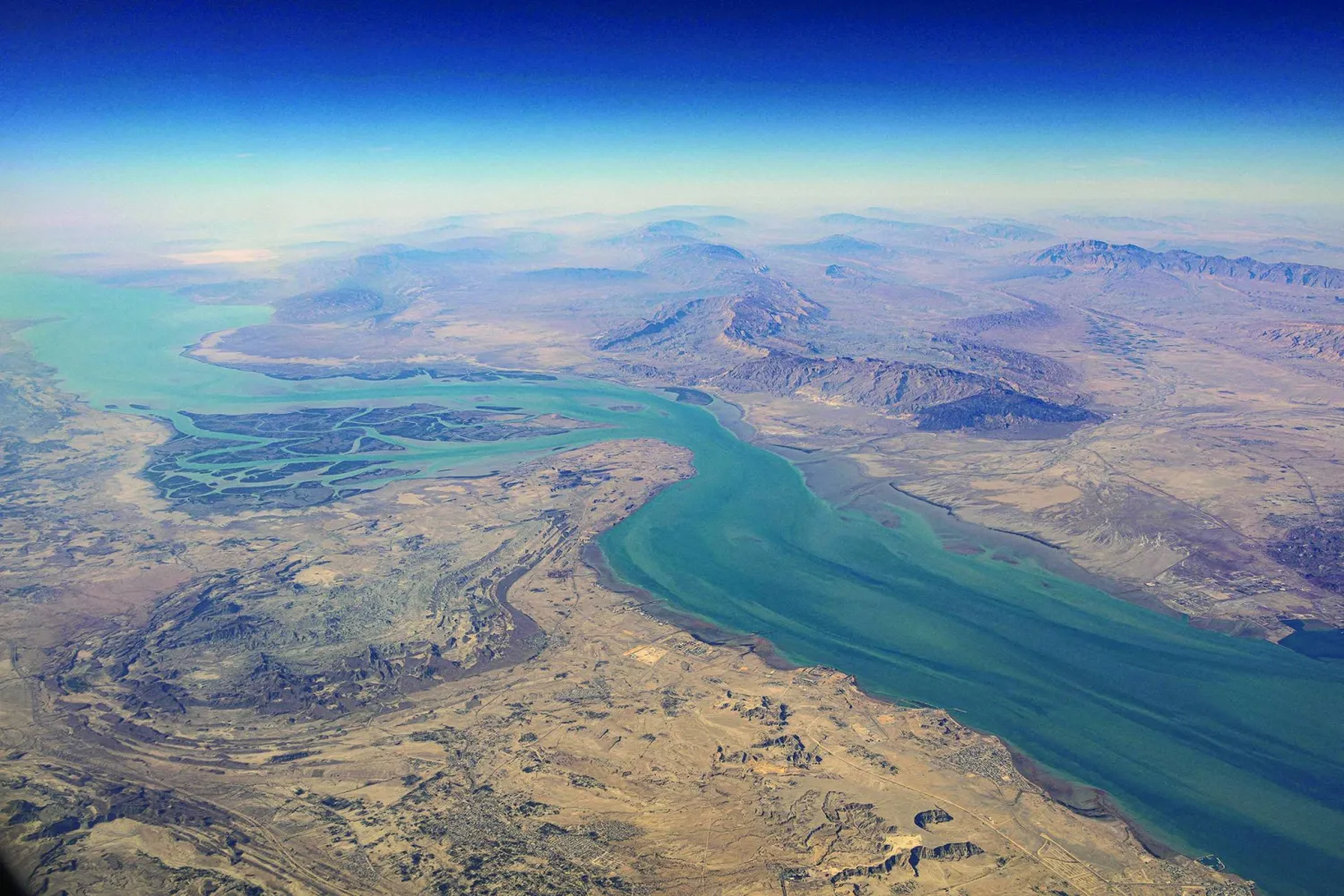
FILE PHOTO: An aerial view of the island of Qeshm, separated from the Iranian mainland by the Clarence Strait, in the Strait of Hormuz, December 10, 2023. REUTERS/Stringer/File Photo
TT

UK Says Vital to 'De-escalate' Middle East War

FILE PHOTO: An aerial view of the island of Qeshm, separated from the Iranian mainland by the Clarence Strait, in the Strait of Hormuz, December 10, 2023. REUTERS/Stringer/File Photo

A British minister on Sunday said it was essential to calm the situation in the Middle East after US President Donald Trump demanded that other nations help protect world oil supplies passing through the Strait of Hormuz. 

The "plan now has to be to de-escalate the conflict", Energy Security Minister Ed Miliband told the BBC. 

"We are talking to our allies. There are different ways in which we can make maritime shipping possible. We are intensively looking with our allies at what can be done, because it's so important that we get the strait reopened," he added, speaking to Sky News. 

A spokesperson for the defense ministry said late on Saturday: "As we've said previously, we are currently discussing with our allies and partners a range of options to ensure the security of shipping in the region."