




As the likelihood of a direct military confrontation between Tehran and Tel Aviv diminishes, a fierce shadow war continues to unfold across digital frontlines, represented by a battle of narratives fought through cyber operations, media campaigns, and anonymous online accounts. Each side seeks to shape perceptions and undermine the other through a campaign of psychological pressure and disinformation.
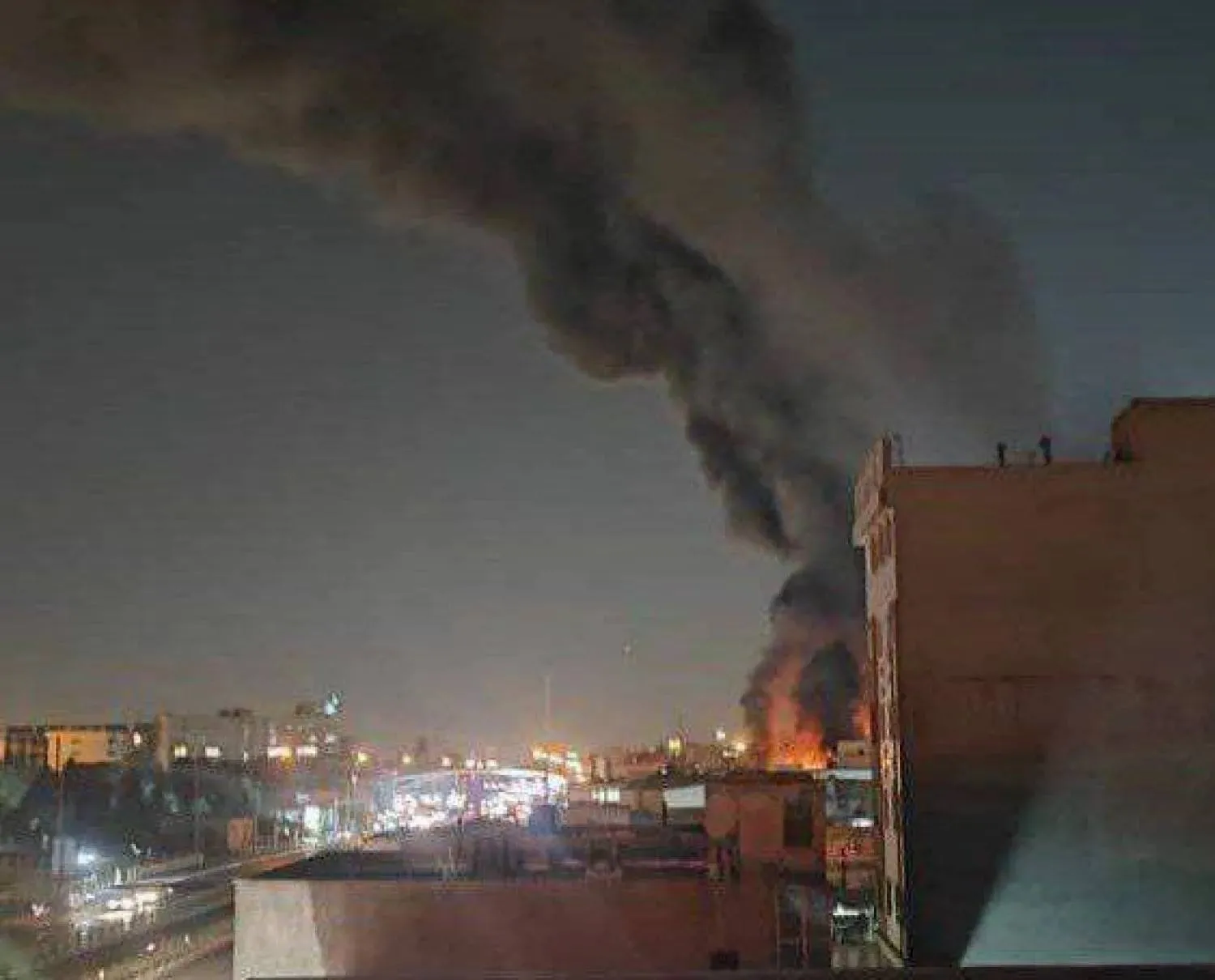
The latest target of these rumors is Major General Esmail Qaani, commander of Iran’s elite Quds Force. Reports circulated Friday night claiming Qaani had survived an assassination attempt in eastern Tehran. Within hours, Iranian state media dismissed the allegations as baseless, linking the reports to a mysterious fire in the capital’s Damavand Street that authorities described simply as a “warehouse blaze.”
Pro-Israeli social media accounts, some linked to Mossad, had spread conflicting claims suggesting Qaani was attacked in an apartment in Tehran. The IRGC-affiliated Tasnim and Fars news agencies swiftly denied the story, calling it part of a “psychological war against Iran” orchestrated by Mossad to sow confusion rather than convey facts.
According to Tasnim, “Since the beginning of Operation Al-Aqsa Flood, Israel has repeatedly circulated false reports about Qaani’s assassination. A Mossad-linked account known as ‘Terror Alarm’ routinely mixes fact and fiction online as part of psychological operations.”
Despite Tehran’s denial, the verified “Mossad Farsi” account on X (formerly Twitter) mocked the situation, posting: “We wish General Qaani a long life and full recovery - and thank him for his cooperation.”
This latest wave of rumors follows Qaani’s own remarks last week marking the anniversary of the Al-Aqsa Flood operation, in which he accused Israel of spreading false news about his death to monitor the reactions of his allies and locate him.
The controversy emerged just a day after Russian President Vladimir Putin revealed that Israel had conveyed messages to Moscow - later passed to Tehran - emphasizing its desire to avoid escalation and pursue a path of de-escalation.
Inside Iran, officials have sought to downplay the tension. Parliamentary security spokesman Ebrahim Rezaei said citizens should “continue their normal lives” despite facing “a reckless regime that could take suicidal action.”
Meanwhile, Iranian intelligence figures disclosed intensified counter-espionage operations. A former IRGC intelligence deputy confirmed that “many individuals suspected of infiltration have been detained or warned.”
Former IRGC commander Hossein Alaei added that Mossad’s “most sophisticated networks” operate within Iran through advanced surveillance systems and satellite technology, underscoring that the confrontation with Israel now extends far beyond the battlefield, into a continuous war of intelligence and cyber operations.
