



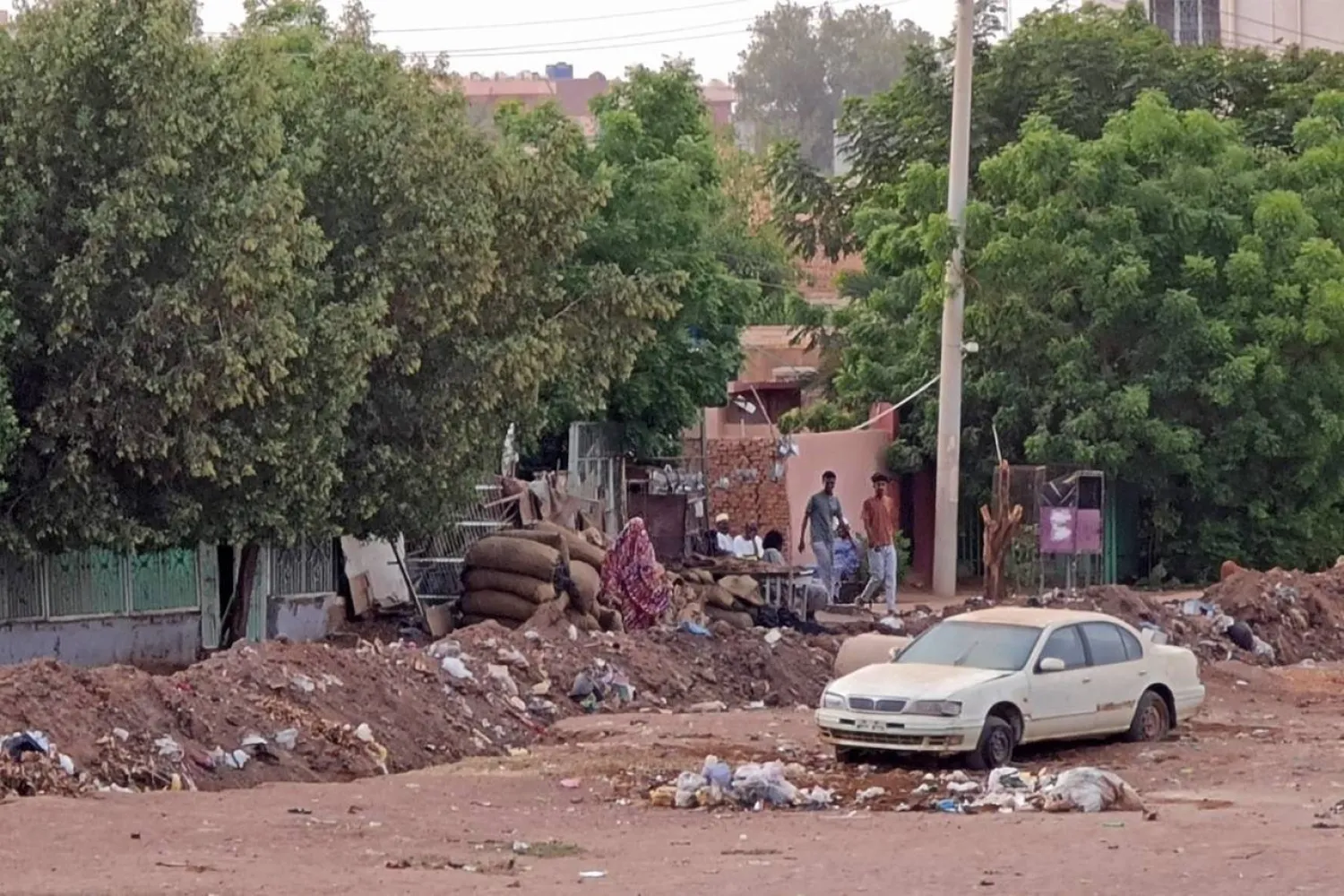

The United Nations Human Rights Council (UNHRC) has voted in favor of detailed monitoring of violations in the ongoing conflict in Sudan, despite Khartoum's opposition.
The resolution was adopted by a vote of 18 in favor, 15 against, and 14 abstentions.
The Council expressed its grave concern at the severe outbreak of the conflict in Sudan since Apr. 15 between the armed forces, led by Lt-Gen Abdulfattah al-Burhan, and the Rapid Support Forces (RSF of Mohammed Hamdan Dagalo.
It expressed alarm at the outbreak of hostilities and a significant escalation of violence, which led to the death of hundreds of civilians and injuries to thousands.
The violence has killed more than 600 people and displaced hundreds of thousands. The fighting spread to other areas across the country, namely the troubled Darfur region.
Several Arab and African countries, including Sudan, were among the 15 states against the mandate, noting that it could hinder the ongoing peace talks.
Algeria's representative, Faouzia Boumaiza-Mebarki, said the resolution could send a negative message to the "opposing sides" and scupper the talks. Likewise, China's ambassador said the country and its warring parties should be "free from external pressure."
Most Western countries voted in favor of the draft resolution, with Europe and the US co-sponsoring it.
During the opening speech of the session, UN High Commissioner for Human Rights Volker Turk accused the two forces of violating international humanitarian law.
Turk accused the Sudanese army of launching attacks in densely populated areas and the RSF of controlling "many buildings" in Khartoum to use them as "operation bases, evicting residents and launching attacks."
The UN expressed concerns about the plight of civilians caught in the crossfire and worries about food security and aid deliveries. It urged support for neighboring countries hosting people fleeing ongoing violence.
"We have also received several reports alleging sexual violence by uniformed men, as well as allegations of unlawful killings and enforced disappearances," Turk said.
The UN rights chief condemned the "wanton violence," which brought more hunger, deprivation, and displacement in the country, saying both sides "trampled international humanitarian law."
He explained that the Human Rights Council called for this particular session to express its urgent interest in the rights and lives of the Sudanese people, urging all concerned parties to encourage a solution.
Turk reminded the Council that in 2019 Sudan appeared as a "beacon of hope" after widespread protests with women and youth "at the forefront" toppled Omar al-Bashir's three-decade-long dictatorship.
He recalled his meetings with Burhan and Dagalo, where he insisted on accountability and human rights as essential to any future agreement.
US Ambassador to the Human Rights Council Michele Taylor echoed Turk's remarks condemning the targeting of hospitals and healthcare providers because, amid the fighting, many hospitals across Khartoum have been damaged and forced to close.
Separately, dozens of independent experts working with the UN Rights Office issued a joint statement Thursday, citing reports that "civilians of all ages are experiencing various human rights abuses" in Sudan, including sexual assault, gender-based violence, looting, and shortages of food, water, and healthcare.
Meanwhile, WHO chief Tedros Adhanom Ghebreyesus says 70 percent of health facilities in areas affected by fighting are out of service, and WHO has verified 30 attacks on health in Sudan.
Ghebreyesus says outbreaks of malaria, dengue, and measles have been reported in Sudan, and millions of children and pregnant and breastfeeding women are estimated to be acutely malnourished.


