

Hundreds of deadly landmines and unexploded ordnance still litter parts of Libya after years of fighting, posing a constant danger to civilians, especially children, long after the conflict.
"It's a disaster zone," said Saleh Farhat, describing his neighborhood on the southern outskirts of the capital Tripoli, where his son Mohamed was being treated in a hospital intensive care unit after being severely injured in an explosion, AFP said.
Although relative calm has returned to the oil-rich country since the battle for Tripoli four years ago, the United Nations says more than 400 people, including 26 children, have been injured or killed since 2019 in accidents linked to left-over explosive devices.
Mohamed Farhat, 10, was playing with friends in a garden when the children picked up what they thought was a piece of scrap metal.
"A few seconds later, a strong explosion threw us to the ground," his friend Hamam Saqer, 12, told AFP from a nearby hospital bed. His feet were badly wounded in the blast and he was covered in bandages.
"We didn't know it was a weapon," he added, vowing never to return to that garden again.
His 11-year-old brother Laith Saqer was lying in the next bed, having had a lucky escape suffering just some light scratches.
"We didn't know," he said of the explosive. "We went to play, that's all."
Libya is still struggling to recover from years of war and chaos after the 2011 overthrow of Moamer Kadhafi -- with clashes periodically between its myriad of rival armed groups.
'Explosives in toys'
The country is divided between a UN-recognized government based in Tripoli led by Abdulhamid Dbeibah and a rival administration in the country's east backed by military strongman Khalifa Haftar.
The rivals fought a bloody battle for control of Tripoli between April 2019 to June 2020, with Haftar's forces halted on the capital's outskirts.
The southern suburbs, where the three children were injured, have been the "scene of all wars since 2011 until today", said Farhat.
"The authorities are not doing enough to eliminate mines and unexploded ordinances," he added, saying he had frequently heard about neighbors having their limbs amputated after a landmine accident.
About 36 percent of Libya's areas which had been littered with mines and ordnance have been cleared, according to the UN mission in Libya, but another 436 million square meters (about 108,000 acres) remain unswept.
If stability and a united government return to the northern African country it would take "five to 10 years to get rid of" the remaining unexploded ordnance, an official from the defense ministry told AFP, asking not to be named.
In early May, authorities and the Libyan Mine Action Center said they were developing a "national anti-mine strategy" to deal with the issue, with the help of the Geneva International Centre for Humanitarian Demining.
"People are afraid because their lives are in danger," said local Tripoli official Seddik al-Abassi, calling for specialized equipment to help sweep the city's residential areas.
But it will come too late for Farhat's son Mohamed, who was wounded in the head by shrapnel from the blast. Doctors say he is in stable condition, but he faces a long road to recovery.


Deadly Landmines Pose Hidden Threat in Libyan Capital
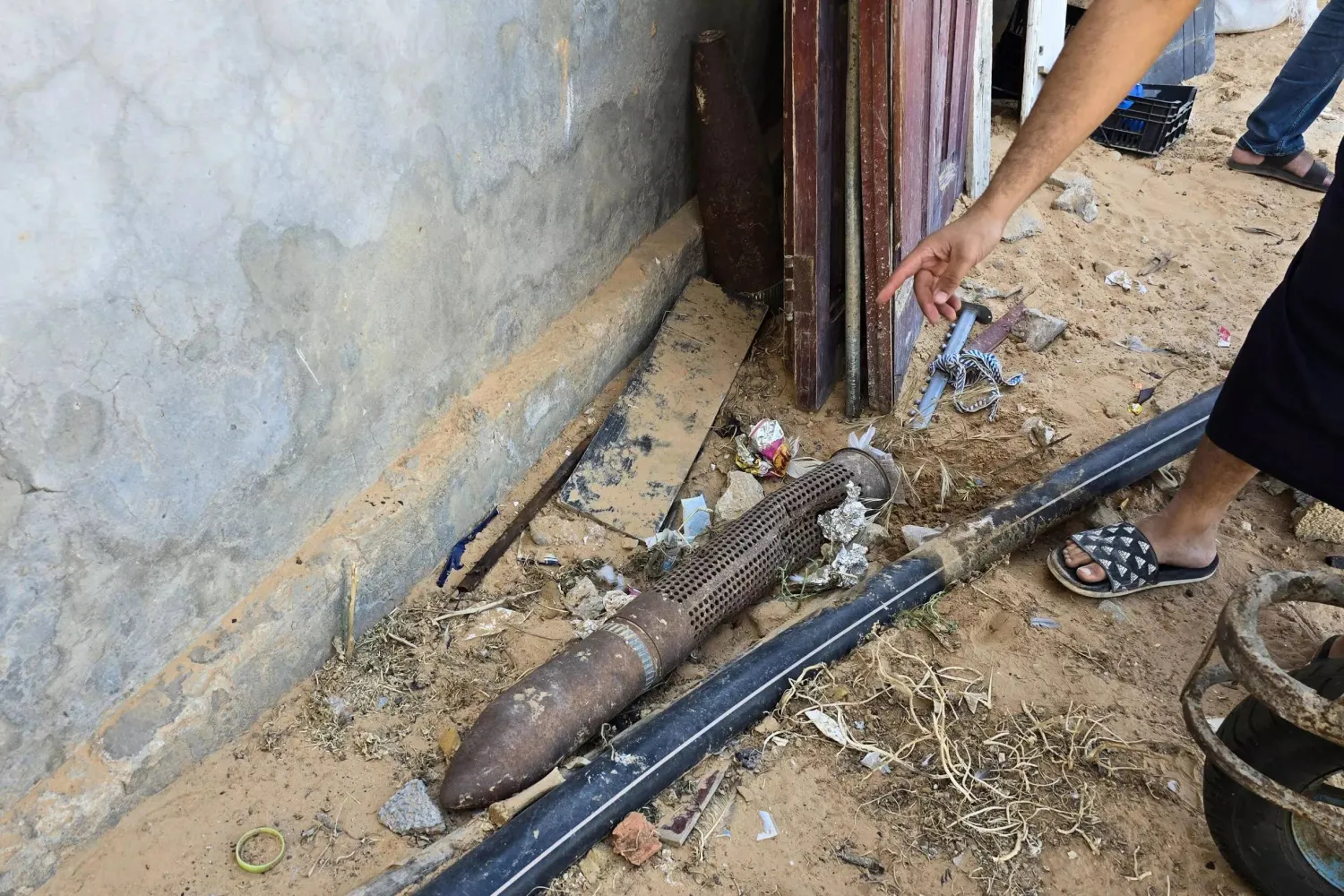
Some 36 percent of Libya's areas which had been littered with mines and ordnance have been cleared, according to the UN mission in Libya, but another 436 million square meters (about 108,000 acres) remain unswept. Mahmud TURKIA / AFP

Deadly Landmines Pose Hidden Threat in Libyan Capital
Some 36 percent of Libya's areas which had been littered with mines and ordnance have been cleared, according to the UN mission in Libya, but another 436 million square meters (about 108,000 acres) remain unswept. Mahmud TURKIA / AFP


لم تشترك بعد
انشئ حساباً خاصاً بك لتحصل على أخبار مخصصة لك ولتتمتع بخاصية حفظ المقالات وتتلقى نشراتنا البريدية المتنوعة
