
US Opens Diplomatic Track to Revise Lebanon-Israel Ceasefire Deal

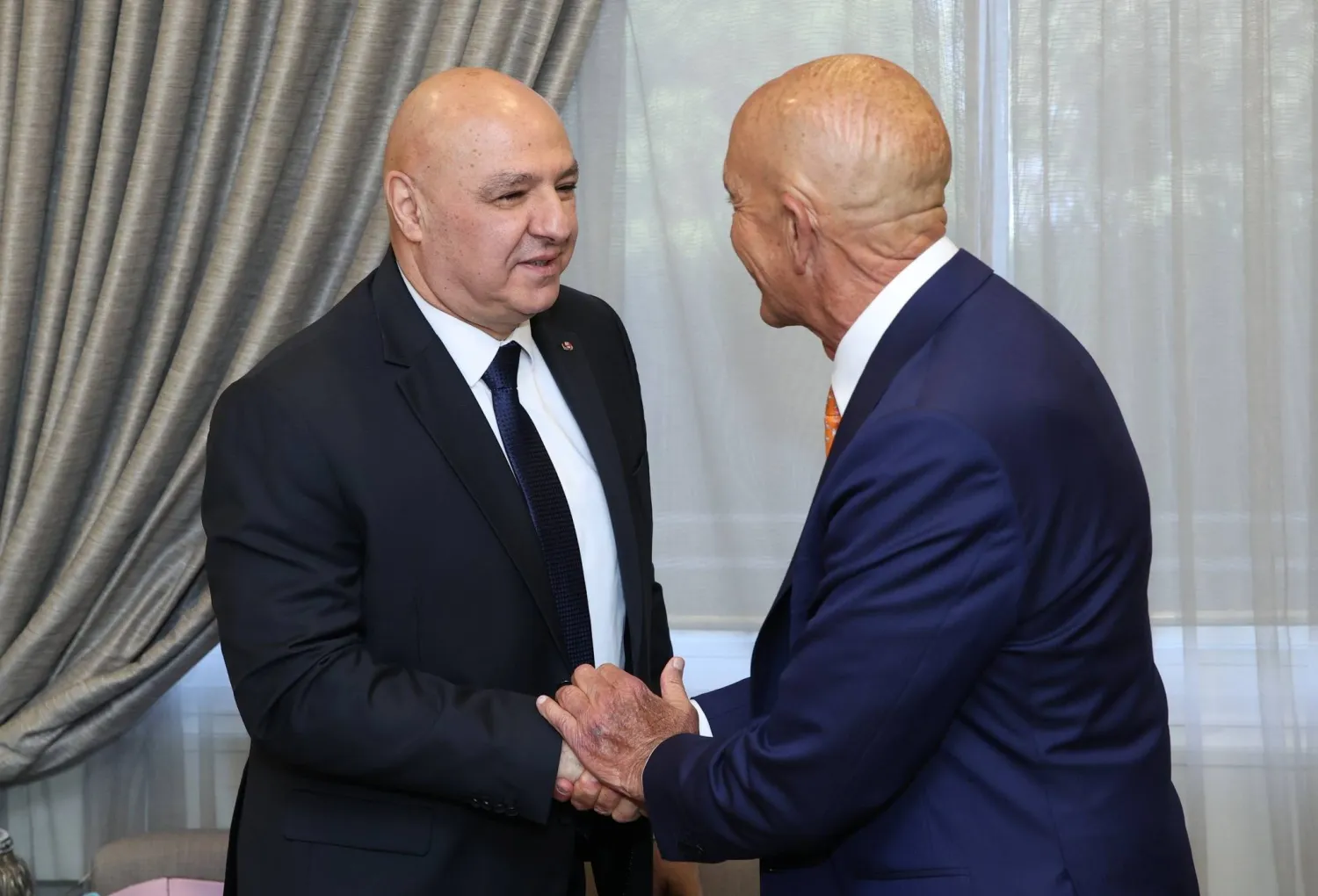
07 July 2025, Lebanon, Beirut: Lebanese President Joseph Aoun shakes hands with Special Envoy to Syria Thomas Barrack ahead of their meeting in the presence of US Ambassador to Lebanon Lisa Johnson, in Beirut. Photo: Lebanese Presidency Office Apai/APA Images via ZUMA Press Wire/dpa
TT

US Opens Diplomatic Track to Revise Lebanon-Israel Ceasefire Deal

07 July 2025, Lebanon, Beirut: Lebanese President Joseph Aoun shakes hands with Special Envoy to Syria Thomas Barrack ahead of their meeting in the presence of US Ambassador to Lebanon Lisa Johnson, in Beirut. Photo: Lebanese Presidency Office Apai/APA Images via ZUMA Press Wire/dpa

A high-stakes visit by US envoy Tom Barrack to Beirut has opened a “diplomatic window” to de-escalate tensions along the Israel-Lebanon border, as Lebanese officials formally submitted a response to a US proposal aimed at ending hostilities – one that includes a path toward disarming Hezbollah.

Barrack’s arrival followed a spike in Israeli military activity that many in Lebanon interpreted as a warning: either accept the US-brokered framework or face the risk of wider conflict.

Lebanese officials told Asharq al-Awsat that Barrack praised Beirut’s “measured and thoughtful” response and plans to study it carefully before relaying his feedback through the US Embassy in Beirut within days. He may return to Lebanon within two weeks if progress continues as expected.

The official response, presented in the name of President Michel Aoun, Speaker Nabih Berri and Prime Minister Nawaf Salam, did not include Hezbollah’s stance.

The group reportedly abstained from joining the presidential committee tasked with drafting the reply.

Still, Berri later submitted separate comments on behalf of the Shiite political alliance that includes his Amal Movement and Hezbollah.

A source close to Berri said the speaker emphasized the need for a “firm and verifiable ceasefire commitment from Israel before any further discussions.”

US Seeks to Patch Ceasefire Gaps

Speaking to reporters in Beirut, Barrack acknowledged that the ceasefire agreement, which paused cross-border fighting in November, lacked strong enforcement mechanisms.

There was no US guarantor in that deal, he said, suggesting that the current talks aim to close those loopholes.

Salam echoed the sentiment, saying the American envoy brought with him “new arrangements to halt hostilities.”

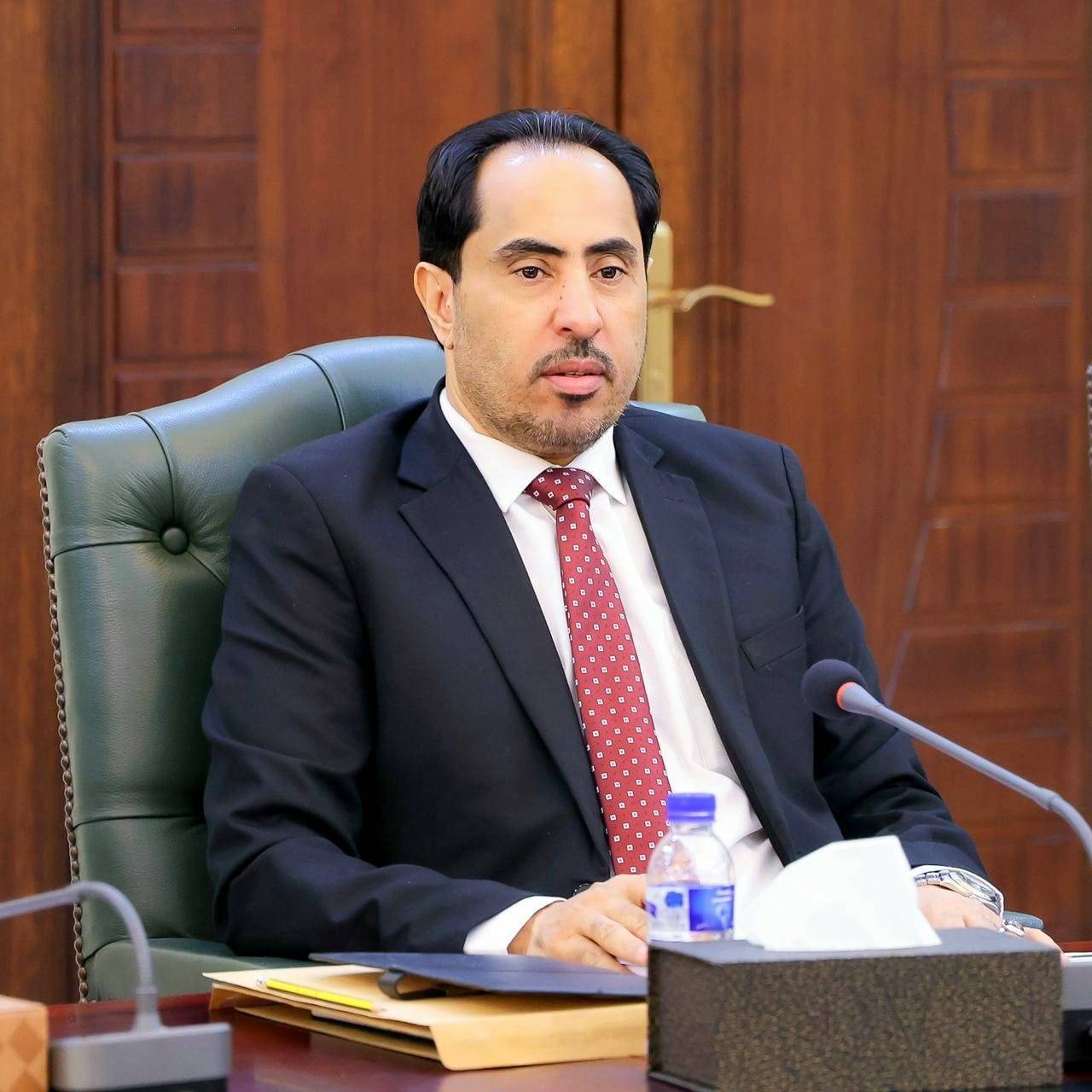
Barrack, who also serves as the US Ambassador to Türkiye and special envoy on Syria, met with Aoun alongside the US ambassador to Lebanon and other officials.

Following the 90-minute meeting, the presidency issued a statement saying Barrack had received “Lebanon’s comprehensive ideas for a solution.”

“Lebanon Must Seize the Moment”

In remarks to journalists, Barrack urged Lebanon to seize what he called a fleeting opportunity for peace and reconstruction.

“What the government gave us was something spectacular in a very short period of time,” Barrack told reporters after meeting Aoun. “I’m unbelievably satisfied with the response.”

Barrack said the current opportunity would require everyone to compromise a little, including letting go of false hopes, unrealistic expectations, and internal hostilities.

When asked about Hezbollah’s rejection of disarmament, Barrack drew a firm line.

He made it clear that the United States has no intention of engaging directly with Hezbollah, insisting that it is up to the Lebanese themselves to address the group’s role. He dismissed any notion that Washington was pushing for regime change or aiming to reshape Lebanon’s sectarian political system.

Instead, he stressed that meaningful reform must come from within, warning that if Lebanon chooses not to act, the rest of the region will continue advancing without it.

Barrack rejected claims that the United States had failed to ensure Israel’s adherence to the previous ceasefire, arguing that the issue stemmed from the absence of a formal security guarantor.

He explained that while a mechanism existed - primarily through UNIFIL - it lacked the authority and credibility needed to enforce compliance. He noted that the Lebanese government is now working to address those shortcomings.

Barrack revealed that Lebanon’s reply addressed 15 specific points. While some differed from the US proposal, he called the Lebanese response “highly responsible.”

He also linked the US initiative to broader international frameworks, including IMF reforms and Lebanese cabinet policies, suggesting that southern Lebanon’s reconstruction and normalization with Israel are part of a larger diplomatic puzzle.

Barrack also pointed to recent developments involving Israel and Syria, revealing that dialogue between the two has begun, and describing the process as complex but necessary.

As for Lebanon's fraught relationship with Israel, Barrack struck a cautiously hopeful tone. "I believe Lebanon and Israel are ultimately seeking the same thing. Israel does not want war with Lebanon, nor does it wish to occupy Lebanon."

Concluding his remarks, Barrack stressed the role of the US, saying, "America cannot provide all the answers. We can only assist from the outside. The real solutions must come from within."

Sudan's RSF Detains El-Fasher Survivors for Ransom

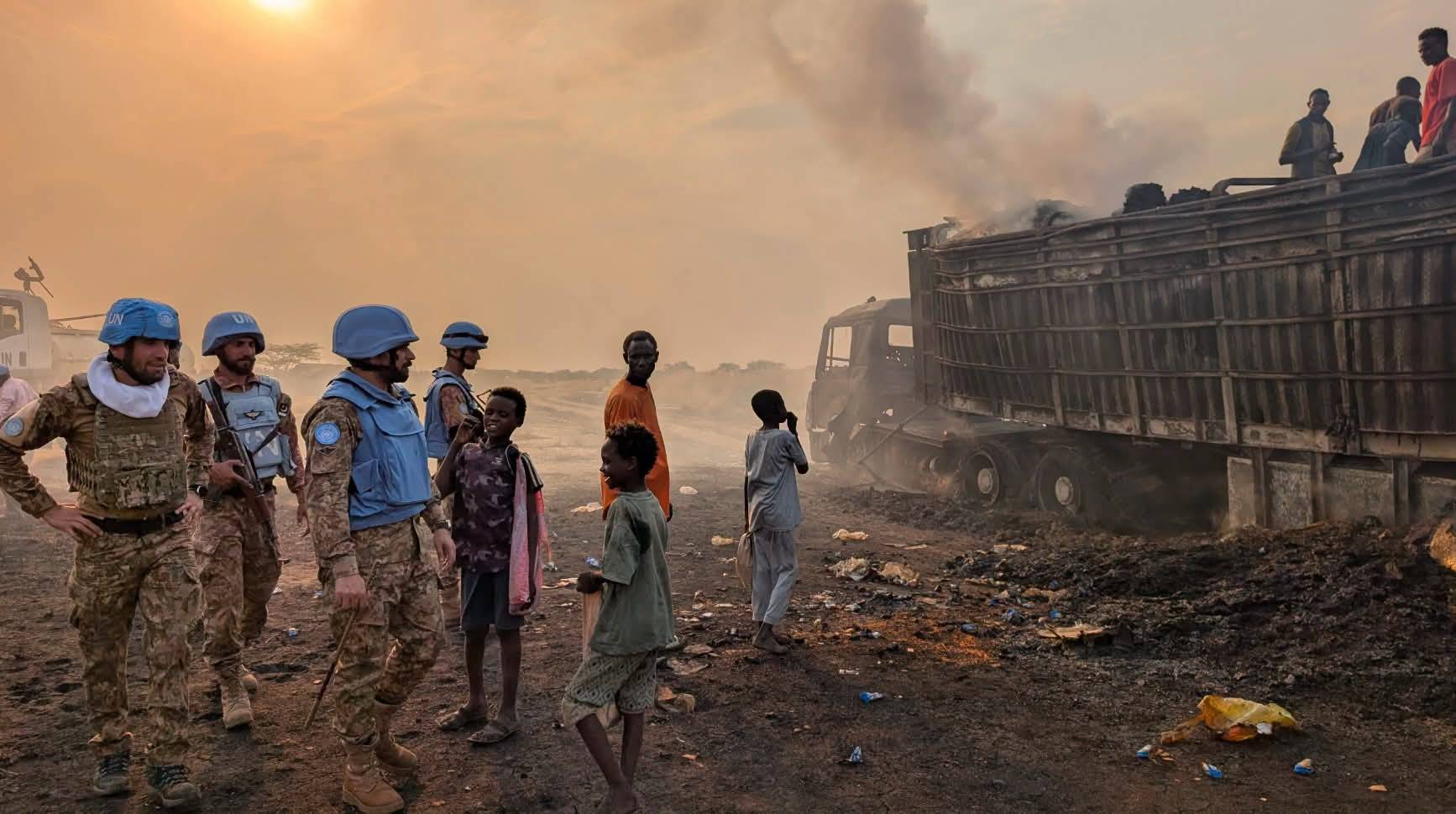
Sudanese displaced people who fled El-Fasher after the city fell to the Rapid Support Forces on 26 October (AFP)
TT

Sudan's RSF Detains El-Fasher Survivors for Ransom

Sudanese displaced people who fled El-Fasher after the city fell to the Rapid Support Forces on 26 October (AFP)

Witnesses, aid workers and researchers said the Rapid Support Forces, which surrounded El-Fasher in Darfur before capturing it in late October, have been holding survivors from the siege in a systematic campaign, demanding ransom for their release and killing or beating those whose families cannot pay, according to a Reuters report.

Reuters said it could not determine how many people are being held by the RSF and allied armed groups in and around El-Fasher, the capital of North Darfur.

However, accounts indicate that large groups are being detained in several villages about 80 kilometers from the city, while others were taken back into El-Fasher where the RSF demands payments worth thousands of dollars from their relatives.

The detention of survivors underlines the risks facing those who failed to escape El-Fasher, which had been the last major stronghold against the RSF in Darfur before its fall.

Witnesses described collective reprisals since the takeover, including summary executions and sexual violence.

The accounts also highlight the plight of tens of thousands still unaccounted for as relief agencies try to reach famine hit El-Fasher and its outskirts, which have become a focal point in the two and a half year war between the RSF and the Sudanese army.

Pay or be killed

Reuters said it interviewed 33 former detainees and 10 aid workers and researchers who provided previously unreported details about the violence faced by detainees, the locations where they were held and the scale of the arrests.

Survivors described ransoms ranging from five million Sudanese pounds, about 1400 dollars, to 60 million pounds, about 17 thousand dollars, sums that are enormous for residents of such a poor region.

Eleven survivors said some of those unable to pay were shot at close range or killed in groups, while others were severely beaten.

According to the agency, survivors who fled across the border to Chad were documented with injuries that appeared to result from beatings and gunshots. Reuters said it could not fully verify their accounts.

Mohamed Ismail, who spoke to Reuters by phone from Tawila, a neutral-held town near El-Fasher, said the RSF gives families three or four days to pay. If no transfer is sent, “they kill him,” he said.

He said he left El-Fasher when the RSF seized the city on 26 October but was arrested with 24 men in the village of Um Jalbakh. He and his nephew were forced to collect 10 million pounds from their family for their release. Nine other men were killed in front of them, he said.

RSF denies responsibility and says it is investigating

RSF legal adviser Mohamed al-Mukhtar told Reuters that most cases of detention and extortion of people from El-Fasher were carried out by a rival group wearing uniforms similar to the RSF.

A committee within the RSF is investigating more than 100 alleged abuses a day in El-Fasher, and many suspects have been detained while nine have been convicted, said committee head Ahmed al-Nour al-Hala.

The fall of El-Fasher after an 18-month siege marked a turning point in a war triggered by a power struggle between the army and the RSF, which the United Nations has described as the world’s worst humanitarian crisis. Both sides face accusations of war crimes.

Survivors of RSF detention in and around El-Fasher told Reuters they were often asked about their tribal identity and were subjected to racial insults.

The International Organization for Migration estimates that more than 100 thousand people fled El-Fasher after the RSF took control. Aid agencies say more than 15 thousand have reached Tawila and about 9500 have crossed into Chad, but most remain in RSF controlled villages around the city, including Garney and Um Jalbakh.

Aid groups say it remains unclear how many have stayed inside El-Fasher itself. Some residents could not flee because they could not afford the cost of leaving, while others were too sick or injured to travel.

Negotiations with families

Yassir Hamad Ali, 36, a former detainee who reached Chad, said RSF fighters arrested him on 29 October with 16 other men after he fled El-Fasher. He said they beat him heavily and demanded 150 million pounds for his release.

Speaking to Reuters from a hospital in Tine near the Chad Sudan border, he said the fighters used a Starlink satellite internet device mounted on their Toyota Land Cruiser to contact his family on Facebook Messenger.

Large areas under RSF control have been cut off from telecommunications since the start of the war, prompting widespread use of Starlink devices. Starlink did not respond to a request for comment.

Ali said his family negotiated the amount down to five million pounds, which they sent via a Sudanese mobile money platform, according to transfer receipts seen by Reuters.

Another man in Tine, Ibrahim Kitr, 30, said his family borrowed against their home in Atbara to pay the 35 million pound ransom, saying he doubted they would be able to repay the loan.

His brother, Alhaj Altijany Kitr, 31, said fighters placed a gun to his head and beat him severely during a video call with their family, a method similar to that used by smuggling gangs on migrant routes in neighboring Libya, where captors show relatives the abuse to pressure them for higher ransom.

The RSF has often recruited fighters or allied factions with the promise of looting rather than a fixed salary, and widespread looting has taken place in areas under its control.

But aid workers said the large ransom demands around El-Fasher represent a new phenomenon.

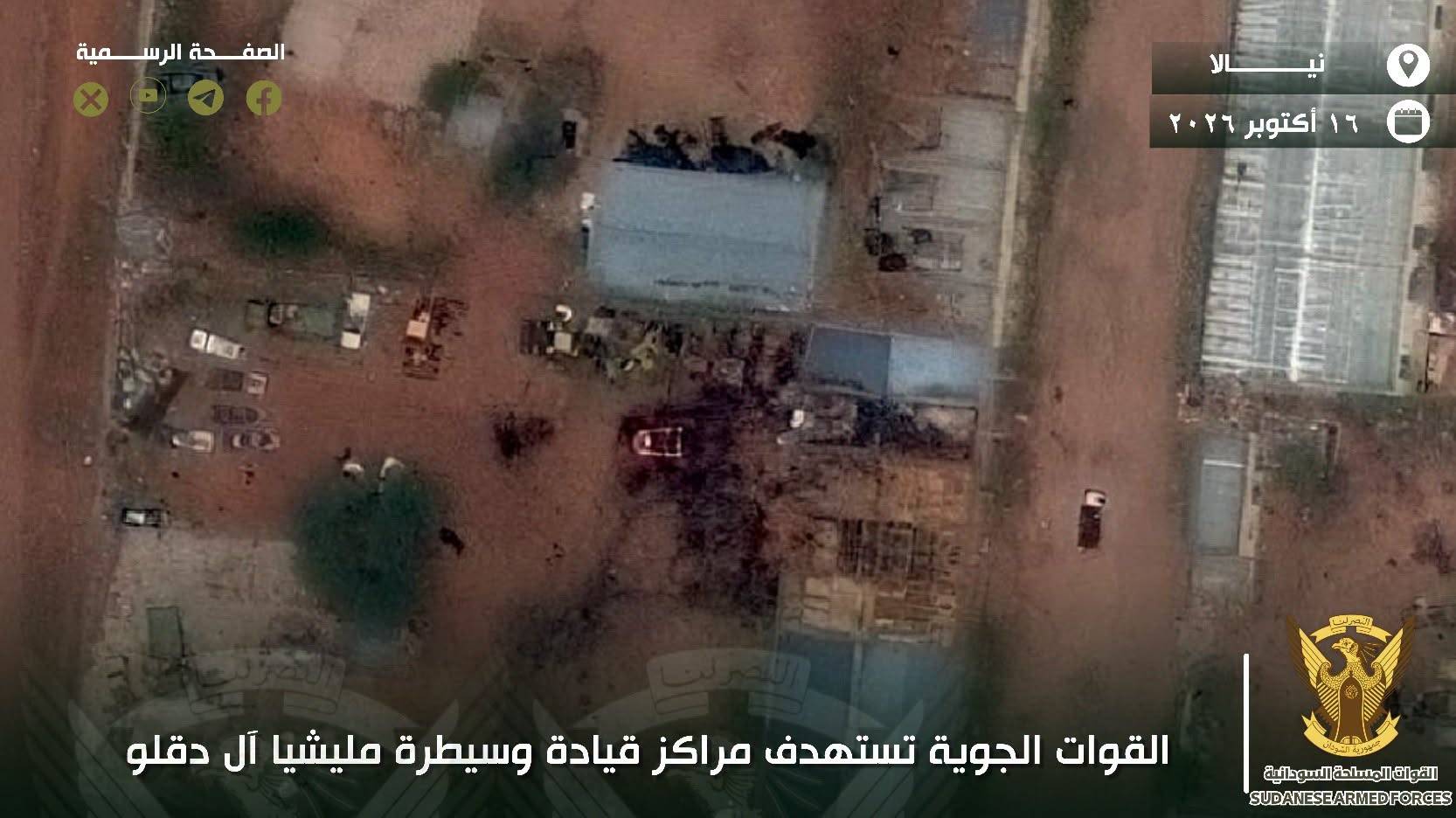
Satellite images of Garni village on 28 November show hundreds of newly built temporary shelters over the past month. Two aid workers said this suggests people could be held there for extended periods.

Detention inside El-Fasher

Reuters said men and women were separated on arrival in Garney, but women were also detained there. One woman said she was blindfolded and raped repeatedly over several days. Another said she witnessed similar assaults.

The second woman cried as she spoke by phone from Tawila. She said RSF fighters threatened to kill her when she tried to intervene.

Eight former detainees said they were taken back to El-Fasher and held for ransom in buildings that included military facilities and university dormitories.

A 62-year-old teacher, who requested anonymity, said he found himself in El-Fasher Children’s Hospital with hundreds of other men.

They were packed in rows, he said, with nothing to drink, so they took water from a stagnant pool in the hospital grounds that they later discovered was sewage. The teacher said about 300 men died.

Two human rights researchers who spoke to witnesses gave Reuters similar estimates.

Mujahid Eltahir, 35, who was detained in El-Fasher, said he was released after a beating for a ransom of 30 million pounds, only to be detained again in Zalingei, where his captors forced his family to pay another six million pounds.

Speaking to Reuters in N’Djamena, Chad, he said he saw the bodies of seven men he had fled with lying along the road, shot in the head and chest. Eltahir displayed a photo of his feet covered in sores from walking barefoot after RSF fighters took his shoes.

Since taking El-Fasher, the RSF has posted videos showing people receiving food and medical care in the city.

A nurse who said she had been detained by the RSF told Reuters that fighters filmed her receiving food and saying she was treated well. She said they abuse people, then show them moments later on livestreams.


‘Deeply Worried’ Macron to Work to Free French Journalist Held in Algeria

(FILES) This undated handout photograph released on June 30, 2025, shows Christophe Gleizes, a prominent French sports journalist, at an unknown location. (Photo by Handout / SO PRESS - RSF / AFP)
TT

‘Deeply Worried’ Macron to Work to Free French Journalist Held in Algeria

(FILES) This undated handout photograph released on June 30, 2025, shows Christophe Gleizes, a prominent French sports journalist, at an unknown location. (Photo by Handout / SO PRESS - RSF / AFP)

France’s President Emmanuel Macron will work toward the release of a French journalist in jail in Algeria “as soon as possible,” his office said Thursday, a day after an Algerian court confirmed his incarceration.

An appeals court upheld a seven-year prison term against Christophe Gleizes, a sports journalist who was jailed in June on terrorism-related charges.

Gleizes, 36, is France’s only journalist imprisoned abroad, according to Reporters Without Borders (RSF).

Macron was “deeply worried” to learn the news, his office said, according to Agence France Presse.

“We will continue to engage with the Algerian authorities to secure his release and his return to France as soon as possible,” it added.

Gleizes was arrested and placed under judicial control in May 2024 after traveling to Tizi Ouzou in northeastern Algeria’s Kabylia region — home to the Amazigh Kabyle people — to write about the country’s most decorated football club, Jeunesse Sportive de Kabylie.

He was accused of having been in contact with a local football figure prominent in the Movement for the Self-Determination of Kabylie (MAK), designated a “terrorist” organization by the authorities in 2021.

French Interior Minister Laurent Nunez said on Thursday that the journalist’s release was “a major element” in current talks between the two countries.

Macron said he was “available” to speak to Algerian President Abdelmadjid Tebboune if it were to allow progress in tense relations between both sides.

Tebboune last month pardoned French-Algerian novelist Boualem Sansal after a year-long imprisonment in Algeria, following comments made by the writer.


New Hamas Security Measures amid Fears of Overseas Assassinations

The building damaged in the Israeli strike on Hamas leaders in Doha last September (Reuters)
TT

New Hamas Security Measures amid Fears of Overseas Assassinations

The building damaged in the Israeli strike on Hamas leaders in Doha last September (Reuters)

Hamas is increasingly bracing for what it sees as a looming Israeli assassination attempt against senior figures operating outside Palestinian territory.

Senior officials in the movement told Asharq Al-Awsat that concern has been mounting over a potential strike targeting Hamas’s top echelon, particularly after the killing of senior Lebanese Hezbollah official Haitham Tabtabai.

The sources said that despite “reassurance messages” conveyed by the United States to several parties, including mediators in Türkiye, Qatar and Egypt, that last September’s Doha operation will not be repeated, the movement’s leadership “does not trust Israel”.

One source linked “expectations of a new assassination attempt with the Israeli government’s efforts to obstruct the second phase of the ceasefire agreement and its claim that the movement has no intention of advancing toward a deal”.

According to the sources, Hamas’s leadership has tightened security measures since the attempted assassination in Doha, convinced that “Israel will continue tracking the leadership and locating them through different methods, foremost of which are advanced technologies”.

A “non-Arab state”

A Hamas source said “there are assessments that the movement’s leaders may be targeted in a non-Arab state”, declining to identify it.

Since the start of the war on Gaza in October 2023, Israel has threatened and carried out overseas assassinations against Hamas leaders. It first killed Saleh al-Arouri, the movement’s deputy leader, in Beirut in January 2024, then killed the head of its political bureau, Ismail Haniyeh, in Tehran in July 2024.

Israel then attempted to eliminate the movement’s leadership council in the Doha operation.

Israeli Prime Minister Benjamin Netanyahu later apologized to Qatar after pressure from US President Donald Trump.

US envoys Steve Witkoff and Jared Kushner subsequently met Khalil al-Hayya, head of the Hamas delegation for ceasefire talks, who had been a primary target in the Doha operation.

“New security instructions”

Asharq Al-Awsat reviewed an internal directive distributed to Hamas leaders abroad regarding personal security and precautionary measures to prevent possible assassinations or at least reduce their impact.

The new instructions, which appear to have been drafted by security experts, say all fixed meetings in a single location must be canceled, and that leaders should resort to irregular meetings in rotating locations.

The instructions also require leaders to “keep mobile phones completely away from meeting sites by no less than 70 meters, and to ban the entry of any medical or electronic devices including watches into meeting venues. There must be no air conditioners, internet routers, television screens or even home intercom systems.”

The guidelines stress the need to “constantly inspect meeting venues in case miniature cameras have been planted anywhere through human agents, particularly since Israeli security services resort to installing cameras and spying devices during maintenance work inside buildings that they identify as future targets”.

The document warns leaders that “Israel relies on a chain of elements to monitor and track its targets, including human factors such as cleaning staff or others, or even individuals in the first circle around the wanted person, as well as mobile phones and other tools that can be used for surveillance such as screens, air conditioners and more”.

It adds that “switching off phones alone does not prevent tracking, especially since there is the ability to hack any device operating through Wi-Fi. Smart watches and similar devices can be used to determine the number of people in any room. Several types of missiles can also penetrate any wall or building and reach their target in a very short period”.

Gaza commander survives

Meanwhile, Israel on Wednesday attempted to assassinate a commander in the Rafah Brigade of the Qassam Brigades, the Hamas military wing, after bombing a tent sheltering his family in the Mawasi area of Khan Younis in southern Gaza.

The strike came hours after four Israeli soldiers were wounded in a firefight with Qassam gunmen in Rafah as the troops emerged from tunnels.

Sources told Asharq Al-Awsat that the targeted figure survived. He is the intelligence chief of the Rafah Brigade.

Israel had previously said it succeeded in dismantling the Rafah Brigade completely and eliminating it, but successive operations carried out by armed cells from the brigade inside the city, which is under Israeli control, have fueled significant doubt about Israel’s narrative.