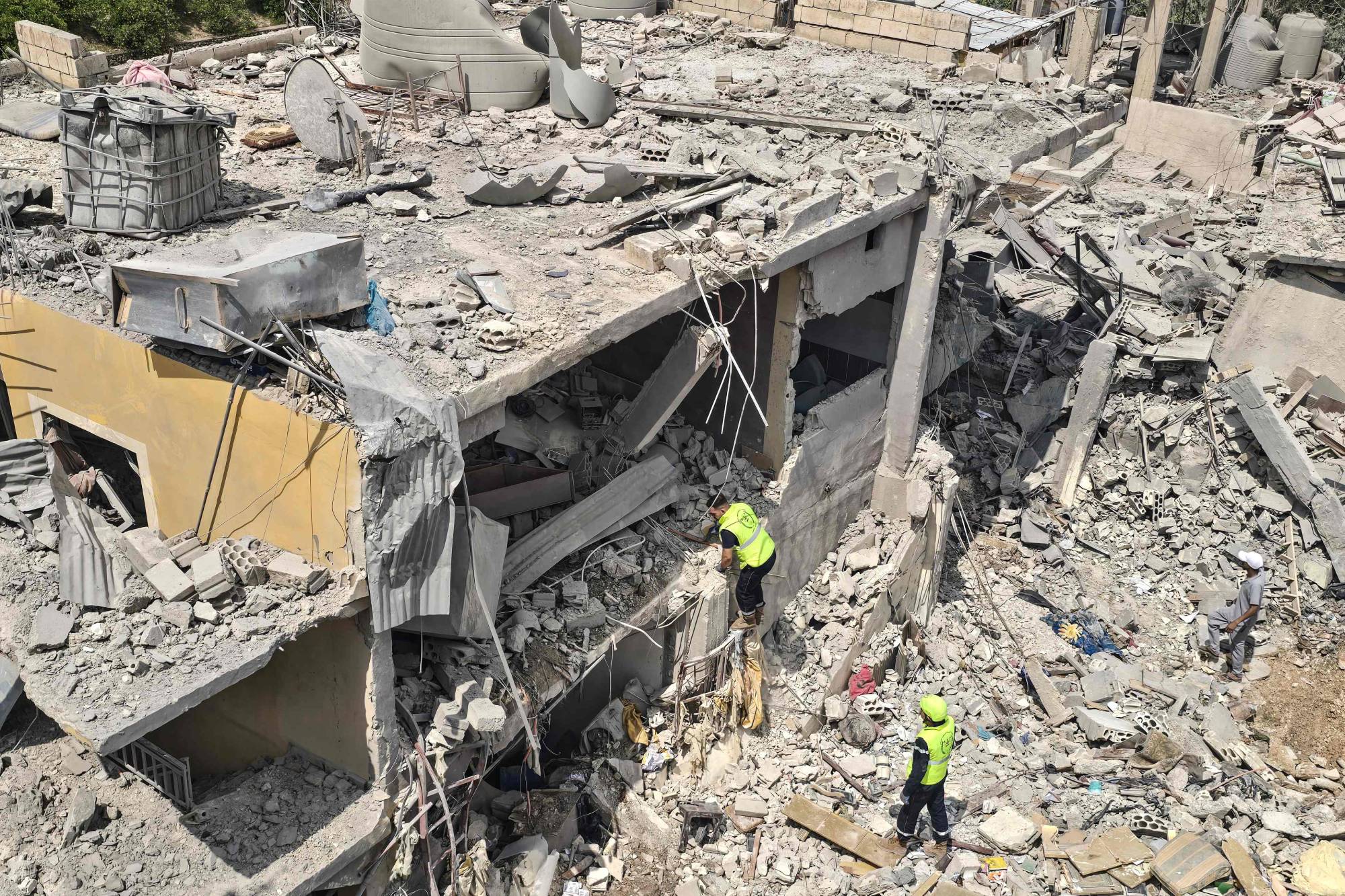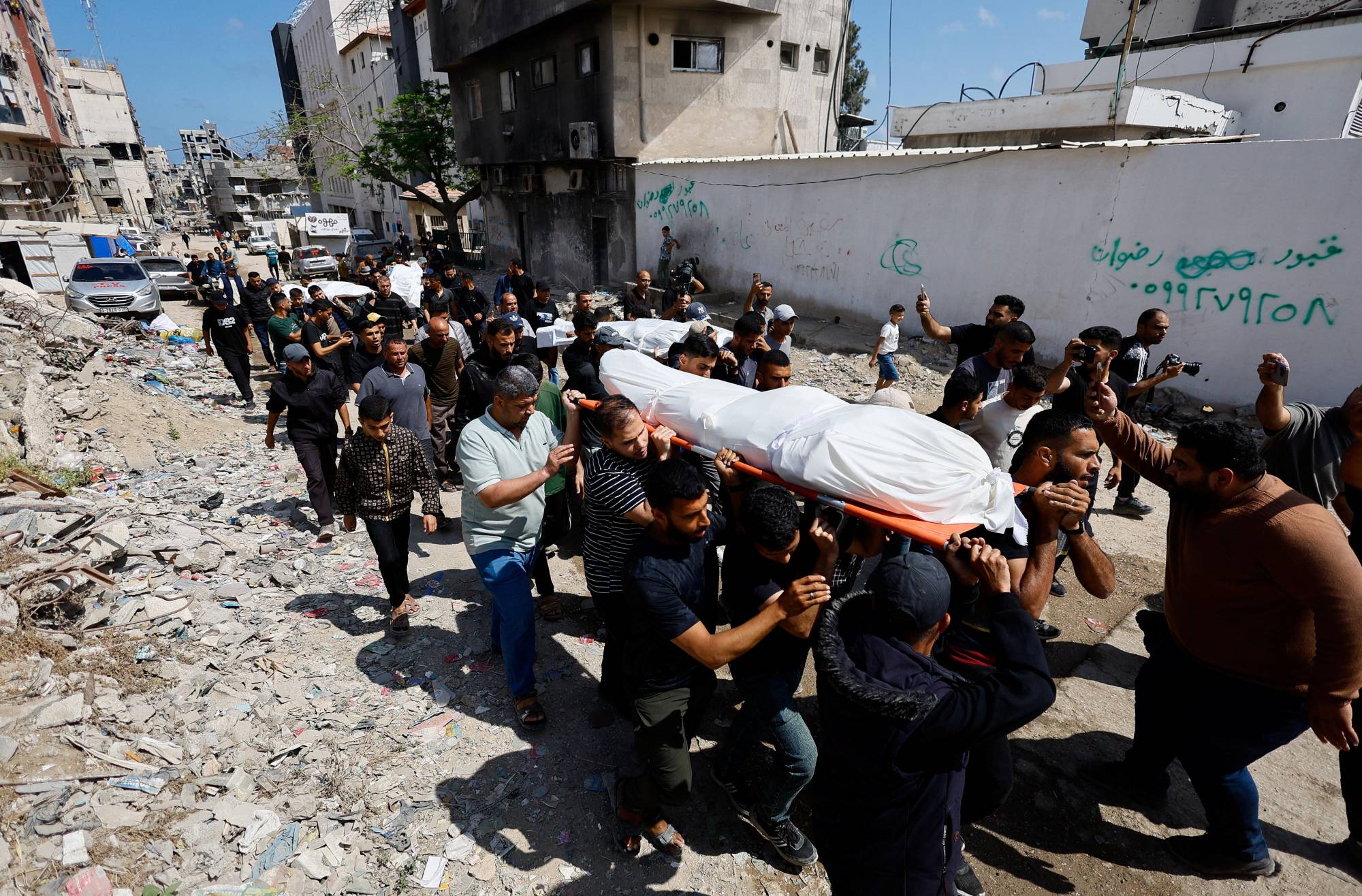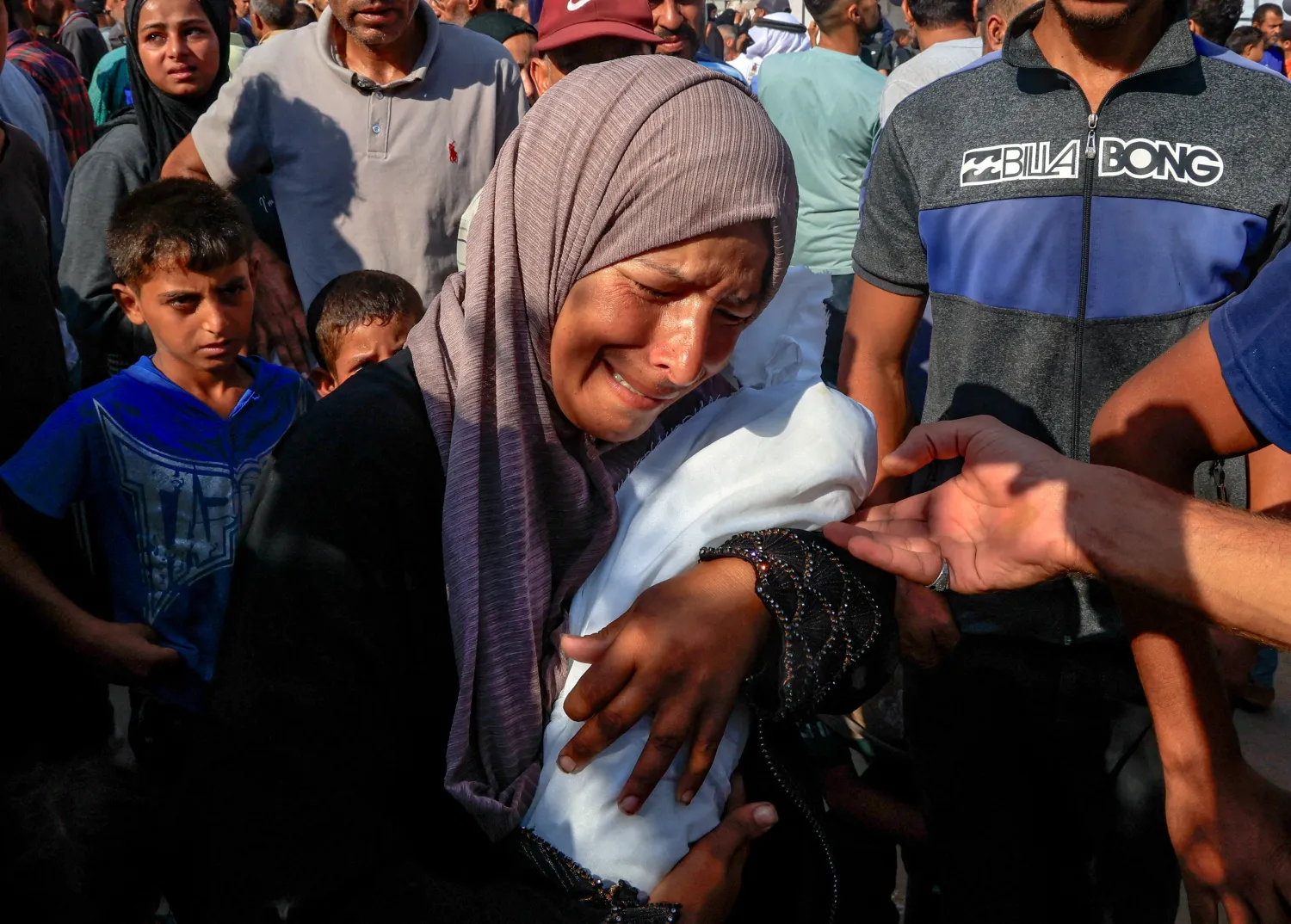

Israeli forces have issued evacuation orders for parts of Deir al-Balah, a central Gaza area previously designated as a “safe humanitarian zone.” Residents, many of whom had fled there under Israeli direction earlier in the war, were told to vacate the southwestern parts of the city amid claims of militant activity in the area.
This marks the first Israeli military operation in Deir al-Balah since the war began, with officials citing efforts to “intensify operations to dismantle enemy capabilities and terrorist infrastructure.”
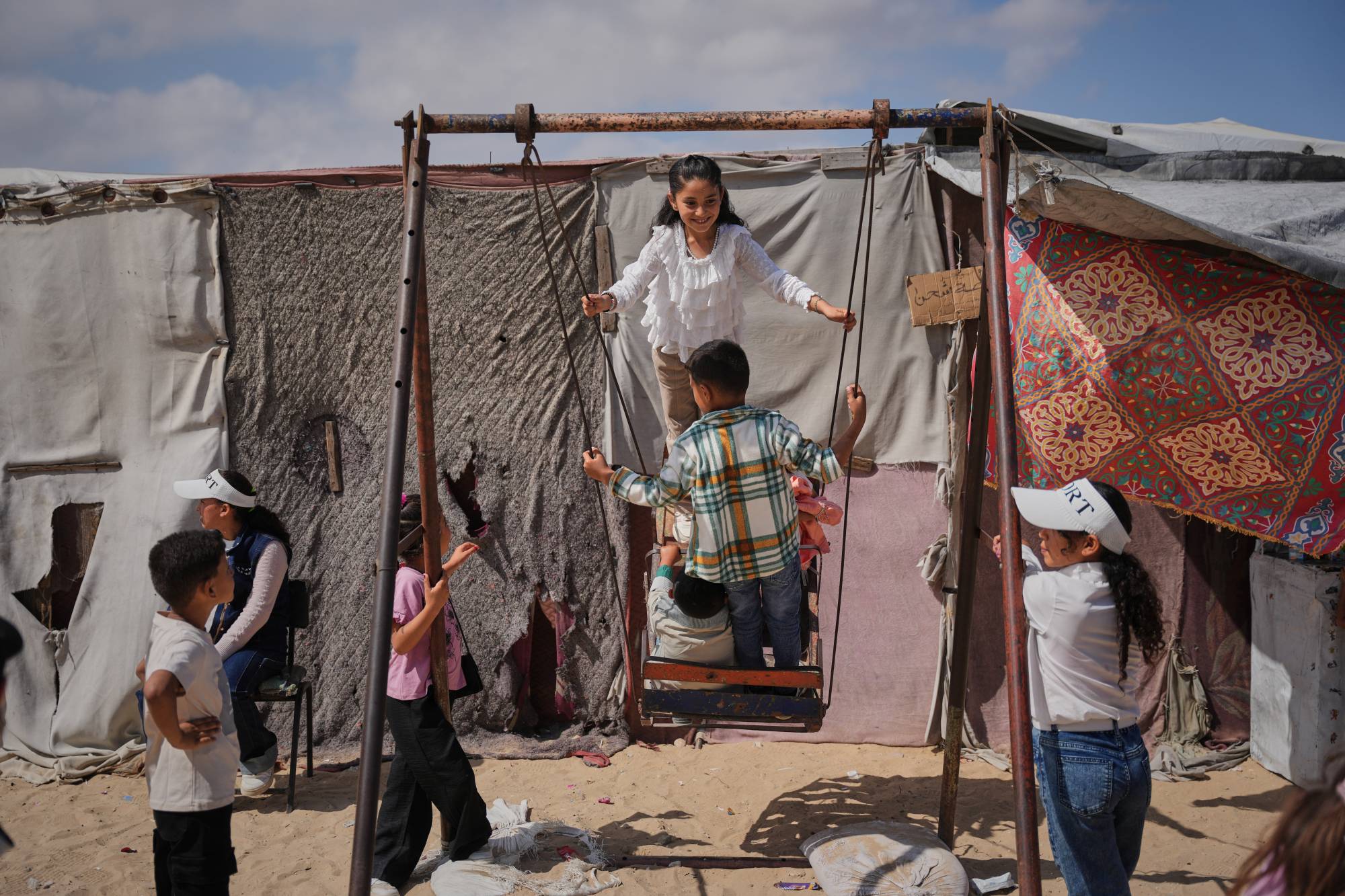
The Israeli army’s directive included the evacuation of displaced persons living in makeshift tents. Leaflets were dropped and electronic notices distributed, requesting residents to head south toward Al-Mawasi, an already overcrowded strip.
The region under evacuation lies between central Deir al-Balah and southern Khan Younis. It houses nearly 100,000 people, many displaced multiple times, and includes Gaza’s largest EU-funded desalination plant, which has been out of service for months due to Israeli power cuts. If Israel advances on the ground here, it could mean the loss of another stretch of critical farmland, deepening the already catastrophic famine in the Strip.
A New Military Corridor in the Making?
Sources told Asharq Al-Awsat that Israel may be seeking to carve out a new military corridor, effectively separating Khan Younis from Gaza’s central region. Similar divisions were previously enacted when Rafah was isolated from Khan Younis. Observers now anticipate the same pattern could unfold between Khan Younis and Deir al-Balah.
Reports suggest Israeli troops might approach from northern Khan Younis to storm the southwestern flank of Deir al-Balah, thereby severing the area from the rest of the city. A comparable strategy was previously employed in the east-west split of Khan Younis through the so-called “Magin Oz Axis.”
Sources further warned that, blocking a ceasefire agreement, Israeli forces may attempt full control of the Netzarim Corridor, effectively dividing northern Gaza from the center. Currently, Israel controls the corridor’s eastern flank but has left the western side, Al-Rashid Street, accessible since the last ceasefire ended on March 18.
Such fragmentation of the Gaza Strip into isolated zones would grant Israel near-total operational control while pushing civilians into ever-smaller, overcrowded pockets, primarily along the coastline.
From Israel’s perspective, these military pressures are aimed at squeezing Hamas into more concessions in the ongoing indirect negotiations hosted by Qatar.
Sunday saw one of the deadliest days in recent weeks. Over 70 Palestinians were killed in northern Gaza as they gathered near the Zikim military zone, hoping to receive flour from a rare delivery of eight trucks, allowed in for the first time in over a week.
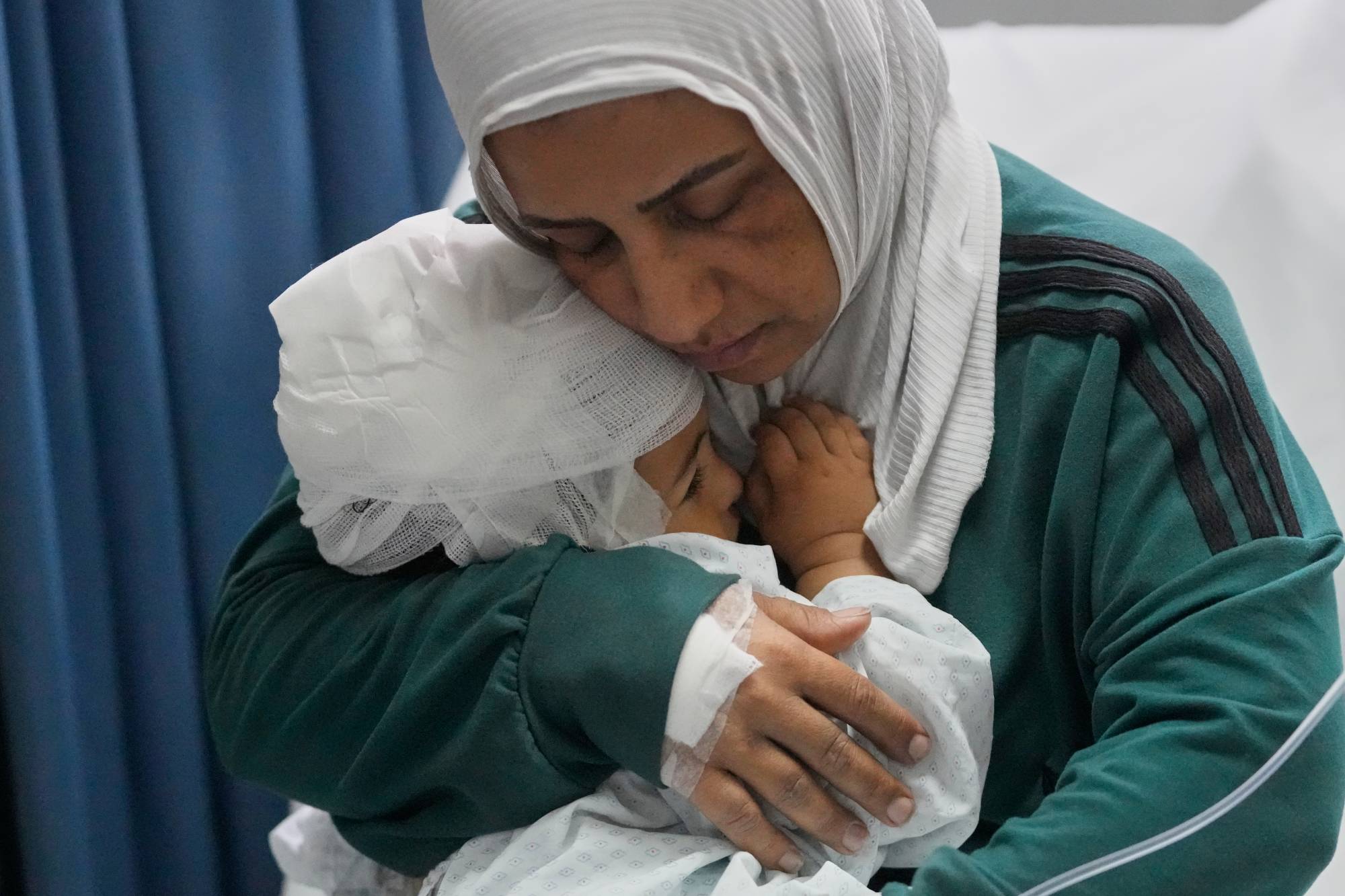
Witnesses say Israeli drone fire and artillery struck the crowd, leaving more than 150 injured, many of them children, teenagers, and women.
The Gaza Health Ministry confirmed 73 deaths, 67 of them in the north, and warned that many injuries were critical. The tragedy came just a day after 30 others were killed in southern Gaza on Saturday.
The incident brings the total number of civilians killed at or near aid distribution points - many of them backed by US humanitarian programs - to more than 1,000 since the end of May.
Hamas described the attacks as “escalation in the genocidal war,” accusing Israel of using food and aid as bait to target vulnerable civilians. “What’s happening in Gaza is a deliberate strategy of ethnic cleansing through hunger, thirst, and violence,” the group stated, urging immediate international intervention.
The humanitarian crisis in Gaza continues to spiral. In recent days, at least seven children have died from malnutrition. The Health Ministry reported 18 famine-related deaths within just the past 24 hours.