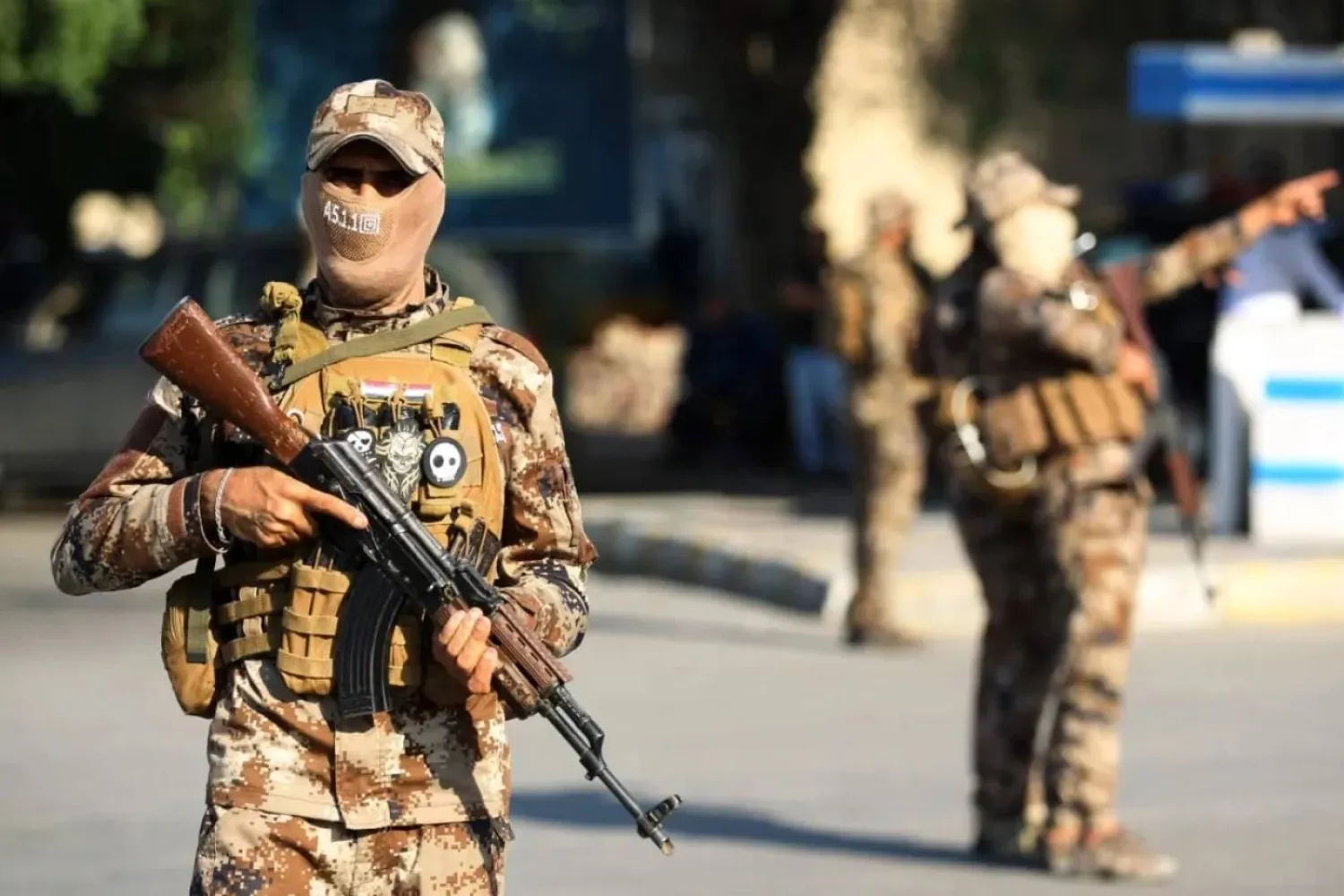

Opposition from the United States has led to the delay of the ratification of a law related to Iraq's pro-Iran Popular Mobilization Forces (PMF).
The Iraqi parliament was supposed to convene to ratify the law, which US Secretary of State Marco Rubio last month said would “institutionalize Iranian influence and armed terrorist groups undermining Iraq’s sovereignty.”
Informed political sources said the American objections mean it is unlikely for the current parliament to ratify the law and the issue will be delayed until a new parliament is elected.
Parliamentary elections are expected to be held in November.
Armed factions and some Shiite parties were pushing for the ratification of the law.
The sources added, however, that there are doubts that even the new parliament would be able to approve the legislation given “regional changes that may arise and with the possibility that the influence of the armed factions may diminish in wake of the elections results.”
The US has for months expressed its opposition to the law during meetings with various Iraqi officials.
On Saturday, US Chargé d'Affaires Steven Fagin explicitly expressed Washington’s concern about the law after meeting with Mohsen Al-Mandalawi, First Deputy Speaker of parliament, reiterating Rubio’s statement.
Despite the firm American opposition, the political sources said Iran remains determined to ratify the law, a stance that was expressed during a secret visit to Baghdad by its Quds Force commander Esmail Qaani.
Conflicts within the Coordination Framework
American opposition is not the only reason for the delay in the ratification. Media reports have pointed to “political conflicts” within the pro-Iran Coordination Framework over the leadership of the PMF, as well as top positions within the organization.
MP Raed al-Maliki told the media that disputes within the Framework over “minor details” prompted the delay.
The Asaib Ahl al-Haq faction, meanwhile, has repeatedly called for referring head of the PMF Falih Al-Fayyadh to retirement given that he has reached the age, reflecting its desire to take over his position.
Beyond Shiite circles, Kurdish and Sunni officials have also objected to the law given their existing reservations over the armed factions that are loyal to the PMF, most notably in wake of the recent attacks on oil and gas fields in the Kurdistan Region that have been blamed on them.
Fayyadh had on Sunday urged parliament to ratify the law, saying it was not only a legislation, “but a consolidation of the rights of those who have shed blood for the glory of the nation.”
“It is an embodiment of the people’s gratitude to those who carried arms in defense of Iraq and its unity,” he added.
His message fell on deaf ears at parliament as it was not included on its Monday agenda.