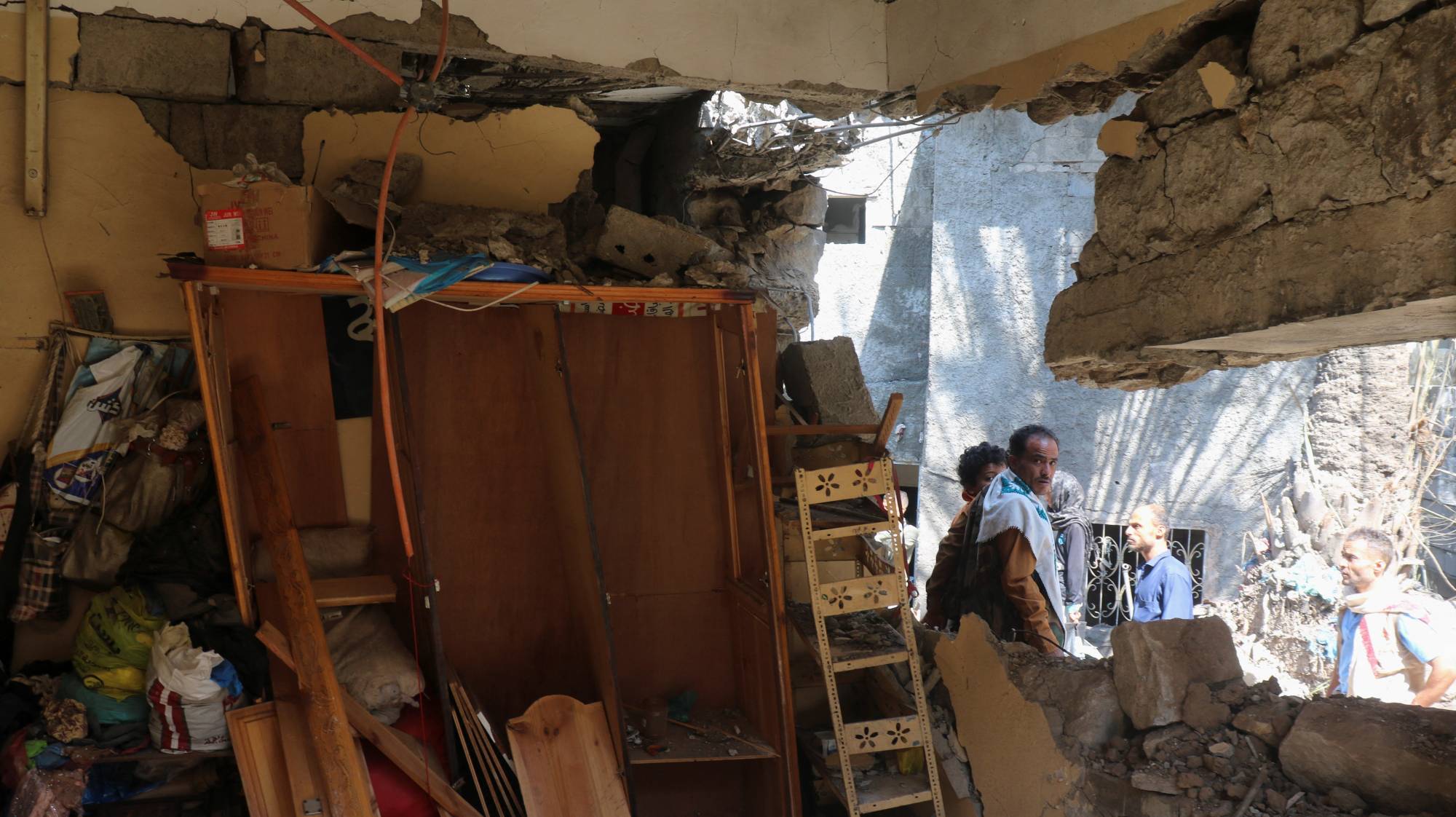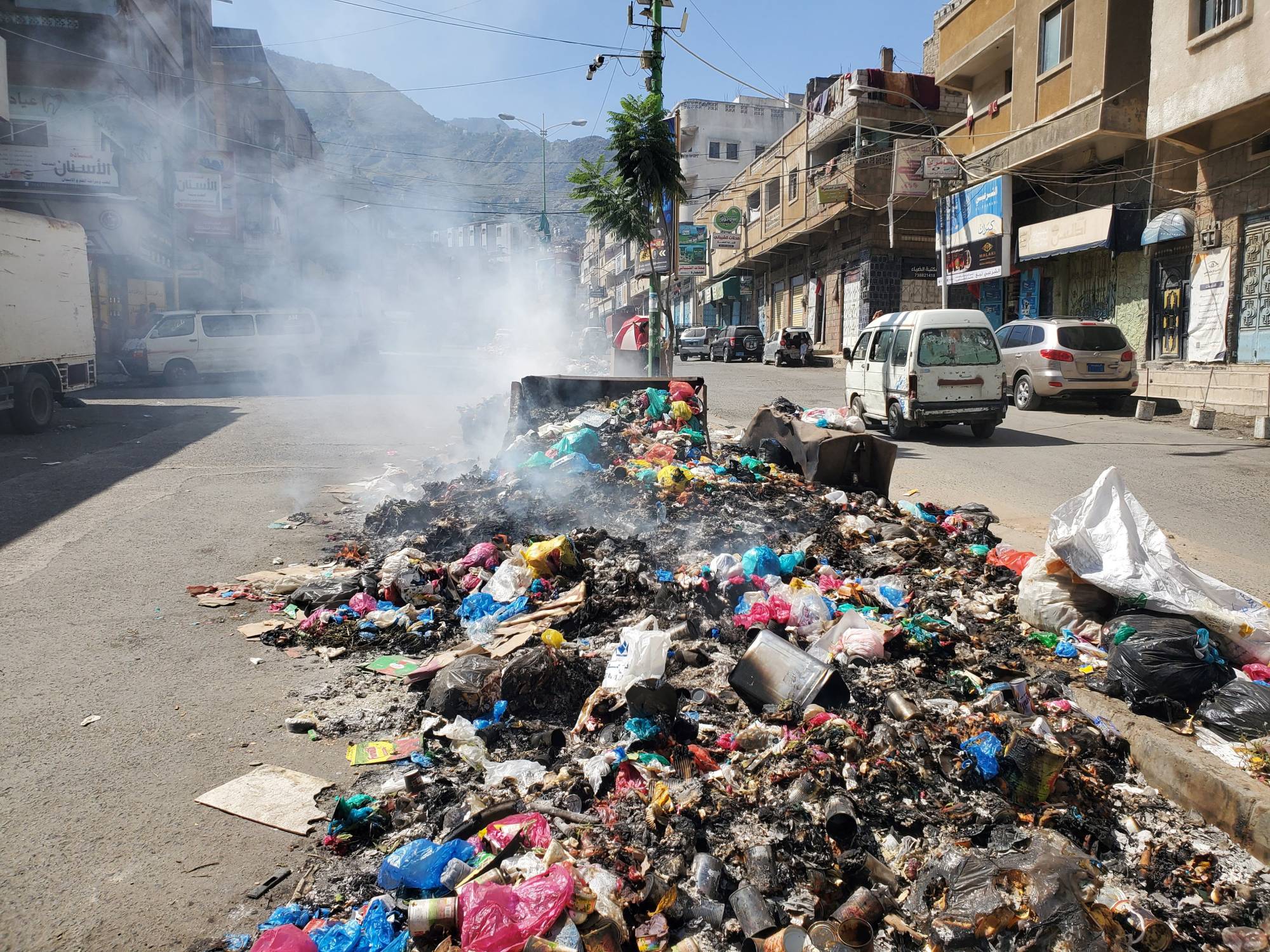

The World Health Organization has issued an urgent appeal for immediate international intervention in Gaza, warning that the catastrophic health situation in the besieged enclave is spiraling beyond control amid unrelenting Israeli attacks and a worsening humanitarian crisis.
The UN agency has documented 746 Israeli strikes on Gaza’s health sector since the war began, and warned that without fuel, critical health services face total shutdown.
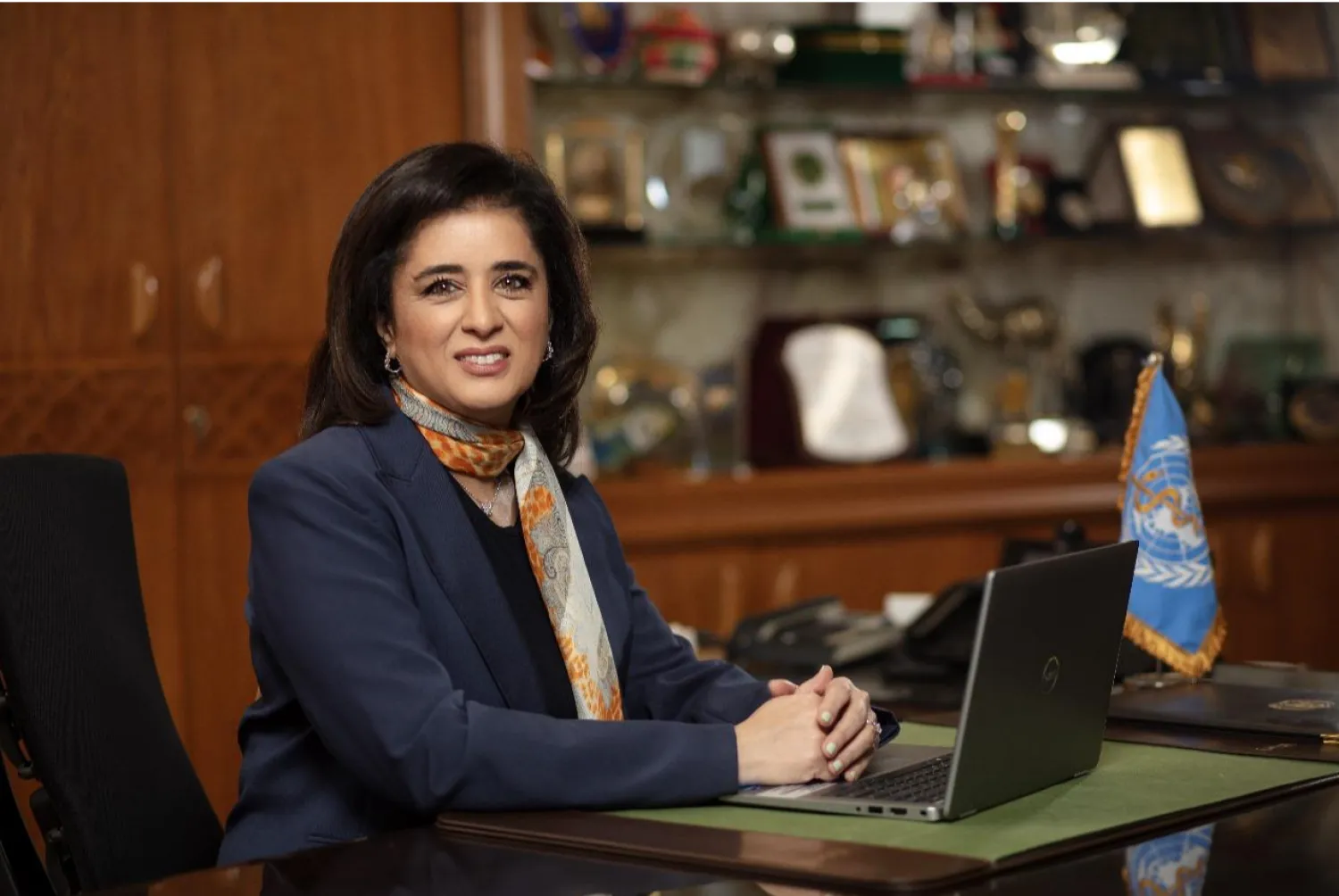
The health situation in Gaza is catastrophic and continues to deteriorate at an alarming rate, Dr. Hanan Balkhy, WHO Regional Director for the Eastern Mediterranean, told Asharq Al-Awsat.
The health system is barely functioning due to ongoing hostilities, the blockade, and the lack of basic resources to keep medical facilities running, she added.
Balkhy said that only 18 of Gaza’s 36 hospitals are partially operational, and even those are working under extreme risk and with severe shortages of fuel and essential medical supplies.
She warned that key units, such as intensive care, emergency departments, dialysis wards and oxygen stations, face imminent closure as no fuel has entered Gaza in more than 120 days.
Access severely restricted
Amid worsening security conditions, nearly 90% of Gaza is either under evacuation orders or classified as closed military zones, making it nearly impossible for patients, healthcare workers and humanitarian aid to move freely, Balkhy said.
Healthcare facilities are under unprecedented pressure due to soaring injury rates and rising cases of severe malnutrition, especially among children and pregnant women, she said.
All of this is unfolding as medical supplies are depleted daily and supply chains are severely disrupted, making the provision of life-saving care increasingly difficult.
The crisis is further compounded by restrictions on international medical teams. WHO said 58 doctors and specialists have been denied entry since March, while only 16% of its 2025 emergency response plan for Palestine has been funded.
'Unprecedented' public health emergency
What the organization is witnessing in Gaza is a multi-dimensional humanitarian and public health catastrophe of unprecedented scale and severity, Balkhy stressed.
Since the start of the war in October 2023, more than 60,000 people have been killed and over 145,000 injured, many of them women and children.
The disaster extends beyond physical injuries and psychological trauma; Gaza now faces an existential threat in the form of famine, she warned.
In July alone, 77 people died from malnutrition, including 27 children under the age of five. Since April, over 20,000 children have been treated for acute malnutrition, more than 3,000 of whom are in critical condition. More than 40% of pregnant and breastfeeding women are suffering from severe undernourishment.
WHO said the four remaining therapeutic feeding centers in Gaza are overwhelmed, operating far beyond capacity and critically low on supplies. Stocks are expected to run out by mid-August, risking a full collapse of life-saving nutrition services.
The cumulative impact of these factors not only threatens current health outcomes but endangers the long-term viability of the entire healthcare system, said Balkhy. It deprives civilians of their right to live with dignity.
Mounting medical needs
Balkhy said over 14,000 patients in Gaza require urgent medical evacuation, including cancer patients, people with chronic diseases, and critically ill children, none of whom can be treated locally due to the decimation of the healthcare system.
The remaining operational facilities are struggling to cope amid severe shortages of antibiotics, insulin, cancer medications, and surgical supplies, she said.
The prolonged fuel crisis threatens to shut down ICUs, dialysis machines, oxygen generators, and operating theatres.
The most vulnerable, children, pregnant and lactating women, and the elderly, are bearing the brunt. Thousands of children are being hospitalized monthly with life-threatening hunger-related complications.
Meeting these urgent needs requires more than just medical services. It demands sustained access to fuel and supplies, unimpeded movement for humanitarian workers, and at least a minimum operational capacity across health facilities, Balkhy said.
The scale of need demands a rapid and large-scale international response, including medical, logistical and financial support.
WHO under fire
The WHO is facing immense operational challenges in Gaza, with security risks topping the list. On July 21, the agency’s staff residence in Deir al-Balah was struck three times, forcing the evacuation of employees and their families under heavy bombardment.
One staff member remains in detention, and WHO is calling for his immediate release. Its main warehouse was also damaged and subsequently looted.
These threats don’t only affect WHO, but also other UN agencies operating in Gaza, Balkhy said, adding that getting medical shipments into the enclave remains difficult due to limited approvals.
The restrictions on international medical missions have significantly undermined our response efforts, she said, repeating that 58 medical professionals were denied entry since March.
Emergency response underway
Despite the dangers, WHO remains on the ground and committed to its operations in Gaza. Since August 1, the agency has delivered 24 trucks loaded with essential medicines, surgical supplies, lab equipment and water testing kits to overwhelmed hospitals.
WHO has also helped evacuate 47 patients along with 129 companions to countries including Spain, Türkiye, France, Norway and Jordan. The organization is working to ensure a steady and secure flow of fuel and medical supplies into Gaza.
It continues to call for the immediate release of its detained colleague and for the protection of health workers and medical infrastructure, in line with international humanitarian law, Balkhy said.
She reaffirmed WHO’s commitment to scaling up its response, in cooperation with humanitarian partners, despite the immense challenges on the ground.