


Israel Steps up Gaza City Bombing After Netanyahu Vows to Expand the Offensive 

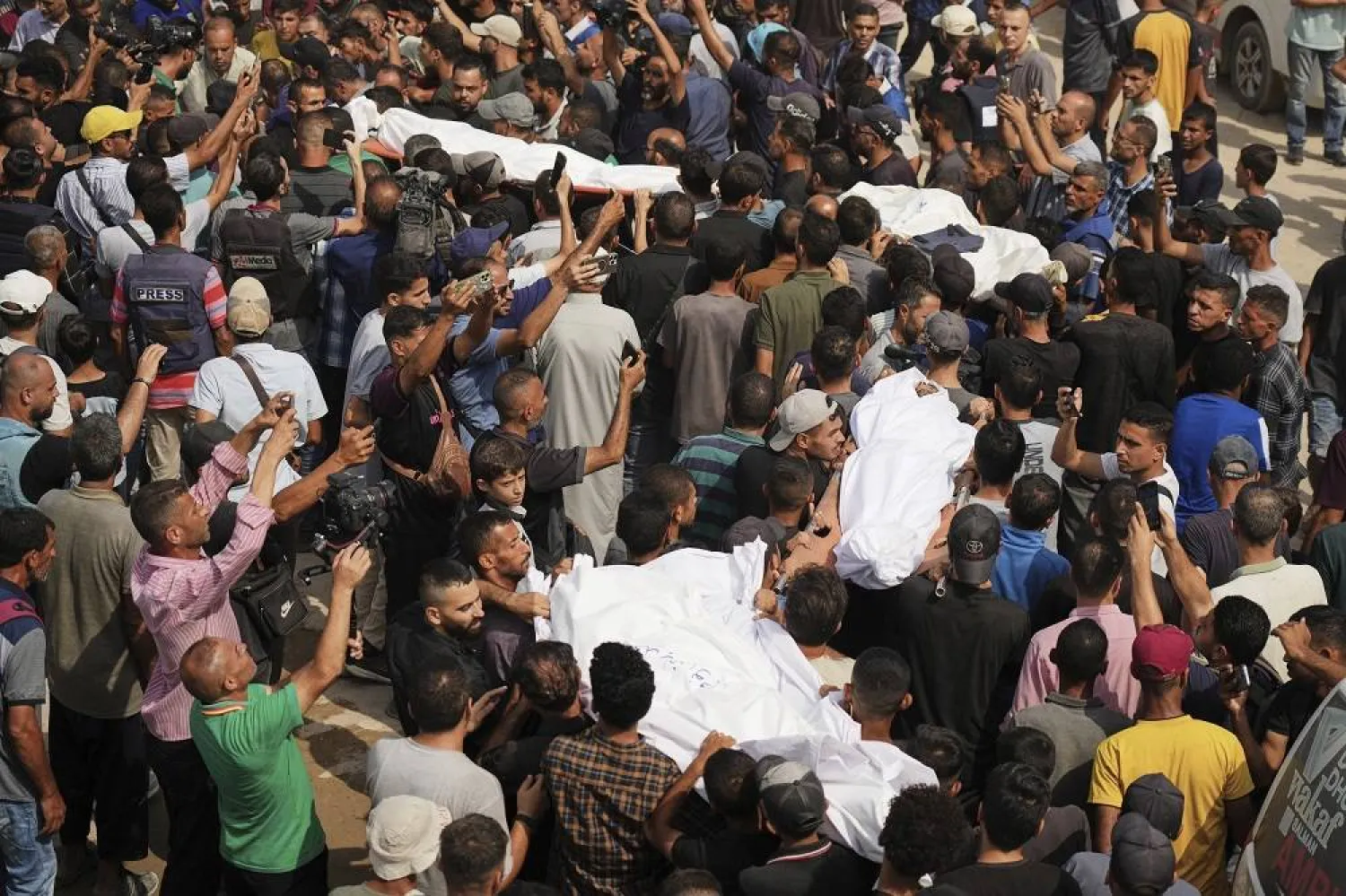
Palestinians carry the bodies of journalists, including Al Jazeera correspondents Anas Al-Sharif and Mohamed Qreiqeh, who were killed in an Israeli airstrike, during their funeral outside Gaza City's Shifa hospital complex, Monday, Aug. 11, 2025. (AP)
TT

Israel Steps up Gaza City Bombing After Netanyahu Vows to Expand the Offensive 

Palestinians carry the bodies of journalists, including Al Jazeera correspondents Anas Al-Sharif and Mohamed Qreiqeh, who were killed in an Israeli airstrike, during their funeral outside Gaza City's Shifa hospital complex, Monday, Aug. 11, 2025. (AP)

Palestinians reported the heaviest bombardments in weeks on Monday in areas east of Gaza City, just hours after Israeli Prime Minister Benjamin Netanyahu said he expected to complete a new expanded offensive in the enclave "fairly quickly".

An airstrike also killed six journalists, including prominent Al Jazeera correspondent Anas Al-Sharif, in a tent at the Al Shifa Hospital compound.

Witnesses said Israeli tanks and planes pounded Sabra, Zeitoun, and Shejaia, three eastern suburbs of Gaza City in the north of the territory, on Monday, pushing many families out of their homes westwards.

Some Gaza City residents said it was one of the worst nights in weeks, raising fears of military preparations for a deeper offensive into their city, which according to Palestinian group Hamas is now sheltering about 1 million people after the displacement of residents from the enclave's northern edges.

The Israeli military said its forces fired artillery at Hamas fighters in the area. There was no sign on the ground of forces moving deeper into Gaza City as part of the newly approved Israeli offensive, which is not expected to begin in the coming weeks.

"It sounded like the war was restarting," said Amr Salah, 25. "Tanks fired shells at houses, and several houses were hit, and the planes carried what we call fire rings, whereby several missiles landed on some roads in eastern Gaza," he told Reuters via a chat app.

The Israeli military said its forces on Sunday dismantled a launch site east of Gaza City, which Hamas used to fire rockets towards Israeli communities across the border.

Netanyahu on Sunday said he had instructed the Israeli military to speed up its plans for the new offensive.

"I want to end the war as quickly as possible, and that is why I have instructed the IDF (Israel Defense Forces) to shorten the schedule for seizing control of Gaza City," he said.

Netanyahu on Sunday said the new offensive will focus on Gaza City, which he described as Hamas' "capital of terrorism". He also pointed to a map and indicated that the coastal area of central Gaza may be next, saying Hamas fighters have been pushed there too.

The new plans have raised alarm abroad. On Friday, Germany, a key European ally, announced it would halt exports of military equipment to Israel that could be used in Gaza. Britain and other European allies urged Israel to reconsider its decision to escalate the Gaza military campaign.

Mike Huckabee, the US ambassador to Israel, told Reuters that some countries appeared to be putting pressure on Israel rather than on Hamas, whose deadly attack on Israel on October 7, 2023, ignited the war.

JOURNALISTS KILLED

The airstrike that killed Al Jazeera's Anas Al-Sharif and four of his colleagues at Al Shifa Hospital was the deadliest for journalists in the conflict so far and was condemned by journalists and rights groups.

Medics at the hospital said on Monday that local freelancer Mohammad Al-Khaldi had also died in the attack, raising the number of dead journalists from the same strike to six.

Al-Sharif had previously been threatened by Israel, which confirmed it had targeted and killed him, alleging he had headed a Hamas cell and was involved in rocket attacks against Israel. Al Jazeera rejected the claim, and before his death, Al-Sharif had also rejected Israeli allegations that he had links to Hamas.

Hamas, which runs Gaza, linked his killing to the new planned offensive.

"The assassination of journalists and the intimidation of those who remain pave the way for a major crime that the occupation is planning to commit in Gaza City," it said.

The Hamas-run Gaza government media office said 238 journalists have been killed in almost two years of war. The Committee to Protect Journalists said at least 186 journalists have been killed.

Hamas-led fighters triggered the war in October 2023, when they stormed into Israel, killing 1,200 people and taking 251 hostages, by Israeli tallies. About 50 hostages are still in Gaza, but only around 20 are thought to be alive.

More than 61,000 Palestinians have since been killed by Israel's campaign, according to Gaza health officials. Most of Gaza's population has been displaced multiple times and its residents are facing a humanitarian crisis, with swaths of the territory reduced to rubble.

Syrian Interior Ministry Details Results of Security Campaigns in Latakia, Damascus Countrysides

Security personnel inside the Imam Ali bin Abi Talib Mosque in the Wadi al-Dhahab neighborhood of Homs following a bombing . (AFP)
TT

Syrian Interior Ministry Details Results of Security Campaigns in Latakia, Damascus Countrysides

Security personnel inside the Imam Ali bin Abi Talib Mosque in the Wadi al-Dhahab neighborhood of Homs following a bombing . (AFP)

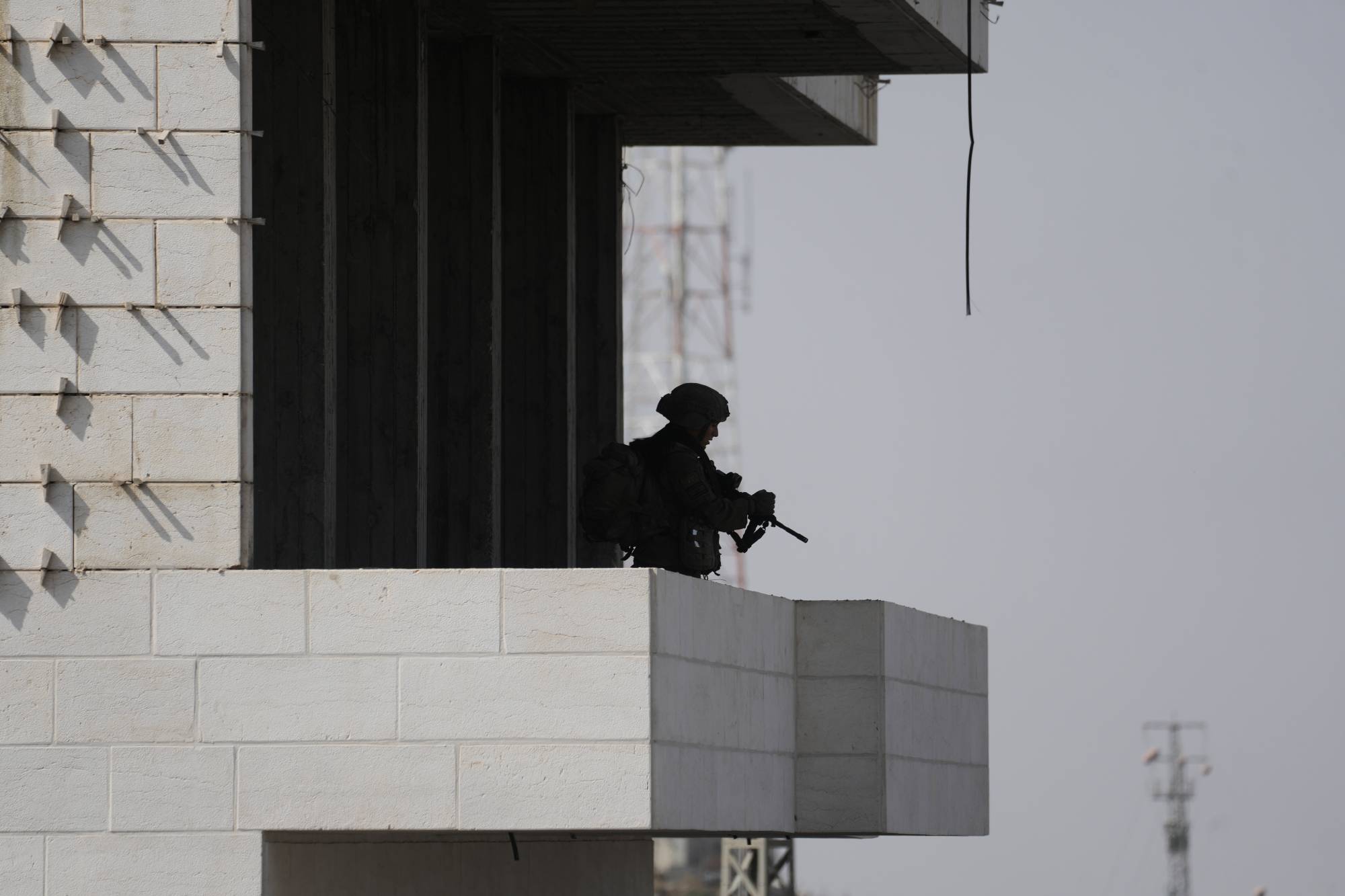
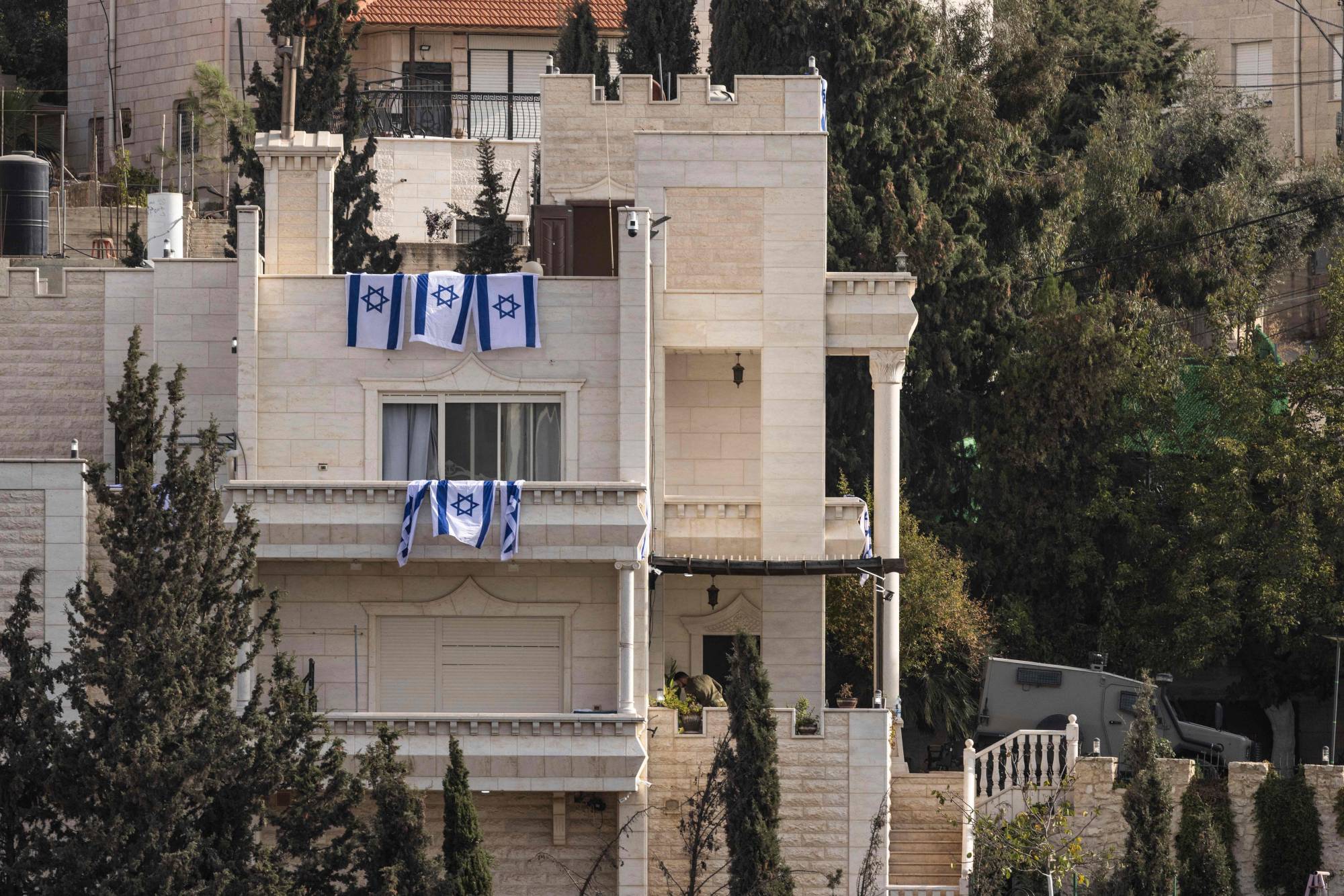
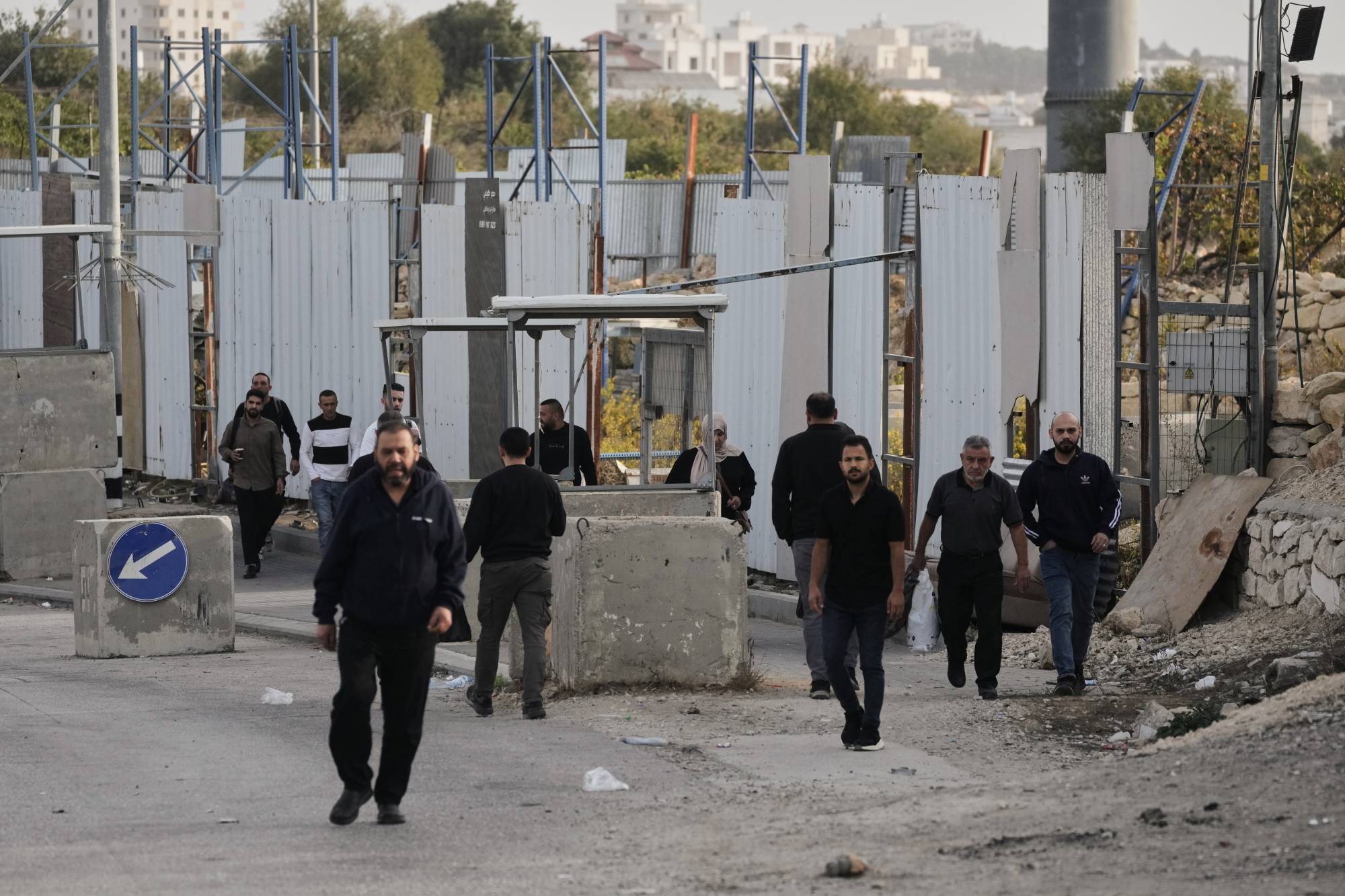
Syria’s Interior Ministry has announced the results of a series of security operations carried out in recent days in Homs, Latakia, and the Damascus countryside, including the arrest of two alleged ISIS members accused of involvement in the bombing of the Imam Ali bin Abi Talib Mosque in Homs last month.

The ministry said the operations led to the arrest of three senior figures in a cell known as “Lieutenant Abbas,” affiliated with the “Coastal Shield Brigade” led by Miqdad Fteiha, a prominent figure loyal to the former regime.

Security forces also detained an armed group in the al-Wuroud neighborhood of Damascus that was allegedly planning “acts of sabotage.”

The operations form part of broader efforts to dismantle armed groups and restore the state’s exclusive authority over weapons.

Interior Minister Anas Khattab vowed to continue pursuing ISIS operatives and bringing them to justice.

In a post on X, he said security and intelligence services had conducted a “highly precise operation” resulting in the arrest of those involved in the December 26 attack on the Imam Ali bin Abi Talib Mosque in the Wadi al-Dhahab district of Homs, which killed eight people and wounded 18 others.

According to the Interior Ministry, security units in Homs, in coordination with the General Intelligence Service, arrested two persons identified as ISIS members. Authorities said explosive devices, various weapons, ammunition, documents, and digital evidence allegedly linking the suspects to terrorist activities were seized.

The two were referred to the Counterterrorism Directorate to complete investigations ahead of prosecution.

In a separate statement earlier Monday, the Interior Ministry said a “valuable catch” was detained by security and intelligence forces in Latakia. It said he was a key figures in the “Lieutenant Abbas” cell. Initial investigations indicated the cell had targeted internal security and army positions in the province.

Meanwhile, in the Damascus countryside, the ministry said security forces carried out a “preemptive operation” in the al-Wuroud neighborhood of Qudsaya city, arresting three individuals accused of planning armed attacks.

The ministry said security services would continue pursuing remaining members of the groups, pledging to “eradicate them completely” to ensure security and stability.


Gaza Deal: Cairo Talks Aim to Settle Sector’s ‘Administrative Committee’

Displaced Palestinians stand beside a pool of rainwater amid makeshift shelters at the Bureij refugee camp in central Gaza (AFP). 
TT

Gaza Deal: Cairo Talks Aim to Settle Sector’s ‘Administrative Committee’

Displaced Palestinians stand beside a pool of rainwater amid makeshift shelters at the Bureij refugee camp in central Gaza (AFP). 

Cairo is hosting renewed consultations on the Gaza ceasefire agreement, which entered into force on Oct. 10, following the arrival of a delegation from Hamas and amid anticipation of an announcement on the committee that will administer the territory.

Experts told Asharq Al-Awsat that the talks provide an important boost at a critical moment for the second phase of the Gaza agreement, which has been stalled for some time. They stressed that moving forward hinges largely on US will and pressure on Israel.

A Palestinian source said Monday that a Hamas delegation headed by the movement’s leader, Khalil al-Hayya, arrived in Cairo to discuss the second phase and push ahead with the ceasefire deal. The source added that indications suggest the Gaza administration committee will be finalized during the Cairo round, with factions briefed on the names, particularly after recent changes prompted by Israeli objections.

Hamas Political Bureau member Mohammed Nazzal said in televised remarks Sunday night that the delegation would discuss follow-up on implementing the ceasefire amid “major difficulties hindering its application and continued Israeli violations.”

He said the delegation would hold meetings with Palestinian factions and forces, as well as with Egyptian officials, to discuss several files linked to the agreement.

These include ways to consolidate the ceasefire and move to subsequent phases, alongside key issues - foremost the formation of a Palestinian technocratic committee to administer Gaza - aimed at preventing Israeli Prime Minister Benjamin Netanyahu from reneging on or delaying the deal.

Former Egyptian assistant foreign minister and member of the Egyptian Council for Foreign Affairs, Ambassador Rakha Ahmed Hassan, said the Cairo consultations are highly significant and could revive the stalled agreement.

He pointed to anticipation surrounding US President Donald Trump’s announcement of a Peace Council, followed by the Gaza administration committee, adding that discussions would also cover approaches to dealing with weapons in Gaza to undercut Netanyahu’s justifications.

He suggested Hamas would press for full implementation of the first phase first, including opening the Rafah crossing from the Palestinian side, increasing aid, maintaining the ceasefire, and Israel’s withdrawal from Gaza in parallel with any later steps.

On the Egyptian front, Foreign Minister Badr Abdelatty stressed, during a Cairo meeting with Irish Minister for Migration, Trade and Defense Helen McEntee, the importance of announcing a temporary Palestinian technocratic committee to manage daily affairs in Gaza and forming an international stabilization force.


Lebanese Govt Vows to Carry out Second Phase of Plan to Impose State Monopoly over Arms

Lebanese Prime Minister Nawaf Salam and ambassadors of the quintet countries meet at the Grand Serail in Beirut. (Lebanese government's press office)
TT

Lebanese Govt Vows to Carry out Second Phase of Plan to Impose State Monopoly over Arms

Lebanese Prime Minister Nawaf Salam and ambassadors of the quintet countries meet at the Grand Serail in Beirut. (Lebanese government's press office)

Lebanese Prime Minister Nawaf Salam stressed on Monday that his country is determined to carry out the second phase of imposing state monopoly over weapons that the government approved last year.

The army is expected to kick off in February the second phase of the plan, which covers areas north of the Litani River. The first phase, covering south of the river, is close to completion.

Salam received at the Grand Serail in Beirut on Monday ambassadors of the quintet committee overseeing the ceasefire with Israel. The quintet includes Saudi Ambassador to Lebanon Waleed al-Bukhari, French Ambassador Herve Magro, Qatari Ambassador Sheikh Saud bin Abdulrahman Al Thani, Egyptian Ambassador Alaa Moussa, and the United States' Ambassador Michel Issa.

After the talks, Salam said he expressed his gratitude to the envoys for their continued support for his reformist government and the army's disarmament plan.

"I stressed to them our firm determination to implement the second phase of the plan," he added.

Egyptian envoy Moussa said the meeting tackled several issues, including Lebanon's economic reforms and the disarmament plan.

The Lebanese state and army are on the right path, he remarked.

"We have positively assessed the first phase and the state's efforts have been very encouraging," he added.

Moreover, he stressed that Egypt is maintaining its efforts to de-escalate the tensions in Lebanon, especially in the South.

"Our sole goal is to create the circumstances that would ease the tensions," Moussa said.

"We are informing the Lebanese government of all of our efforts. We believe that if the situation is left without Egyptian or non-Egyptian efforts, then the chances of escalation will be greater," he continued.

"We have so far averted the situation from deteriorating," he added.

Meanwhile, Hezbollah has opposed efforts to kick off the second phase of the disarmament plan. It had already objected to its disarmament altogether.

Hezbollah MP Hussein Ezzedine said: "The government should work on getting the enemy to unconditionally withdraw from Lebanese territories it is occupying and release prisoners."

He said it should "avoid making concessions at the expense of the national interest, which will only encourage the enemy to continue to extort" Lebanon.
