



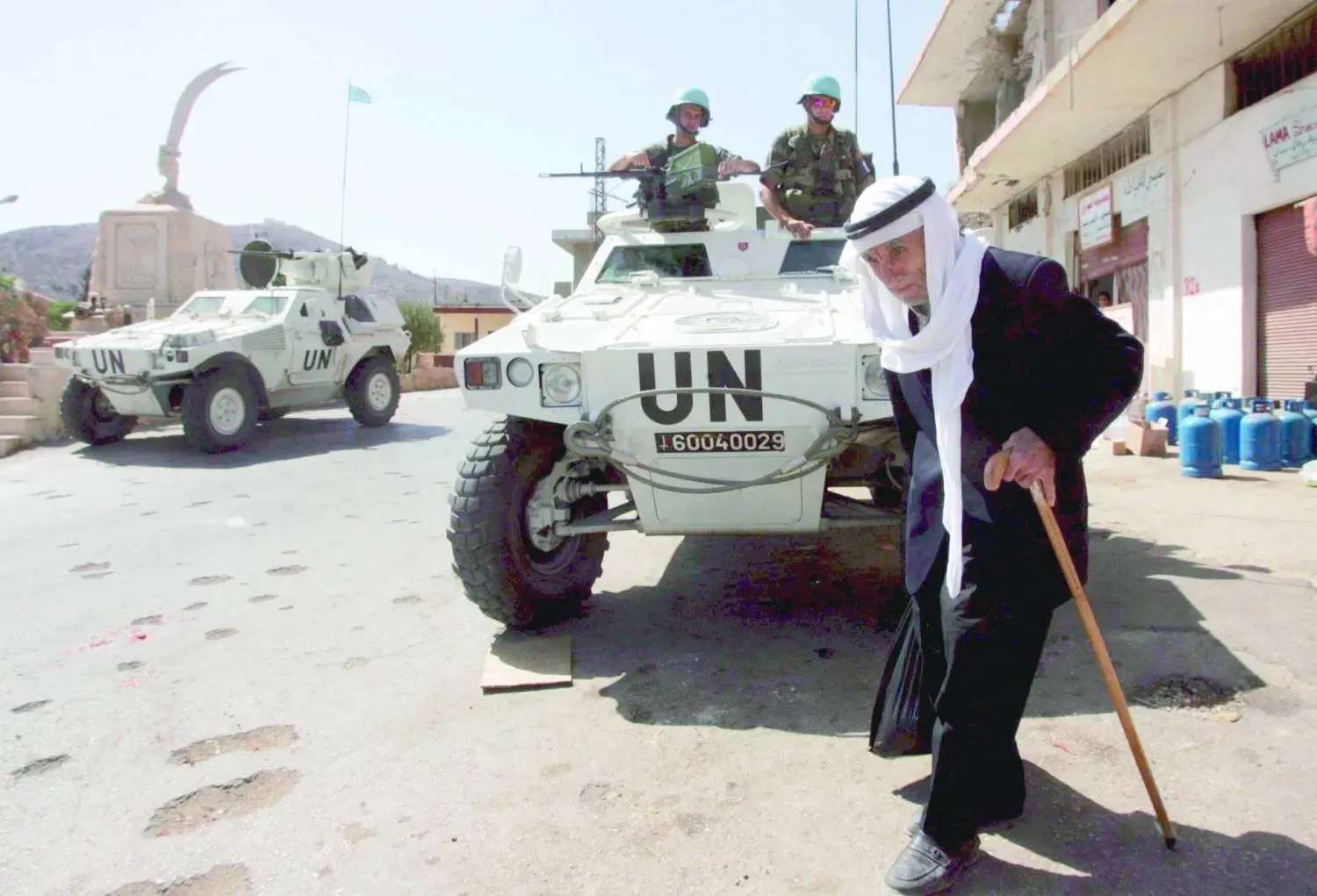

As the mandate of the United Nations Interim Force in Lebanon (UNIFIL) approaches its expiration on Aug. 31, Beirut has launched a political and diplomatic campaign to secure a one-year renewal. The effort comes amid Israeli pressure to end the mission altogether and US hesitation over its continuation, with Washington leaning either toward withdrawing support or gradually reducing troop numbers.
France has assumed the role of rallying international backing and securing enough votes in the UN Security Council to extend the mission, emphasizing its importance in maintaining security and stability in southern Lebanon.
The renewal of UNIFIL dominated the agenda of US envoy Morgan Ortagus, who accompanied President Donald Trump’s special representative Tom Barrack during a visit to Beirut. A Lebanese political source familiar with the talks revealed that Ortagus’ focus was solely on UNIFIL and that she conveyed Washington’s reservations about renewing the peace-keeping mission’s mandate.
According to the source, Ortagus told Lebanese officials that if the Security Council reached a consensus and presented compelling justifications for renewal, the US would agree to a final one-year extension. She did not raise the issue of modifying UNIFIL’s mandate, instead stressing the need for the force to fully exercise its existing role.
The source added that no changes to UNIFIL’s powers are expected to be discussed in the upcoming Security Council session, noting that France has already taken the lead in drafting the renewal resolution. He underlined that the mission’s role remains defined by cooperation frameworks between UNIFIL and the Lebanese Army, which have been in effect since the ceasefire agreement between Lebanon and Israel took hold.
British and Pakistani Support
As part of Lebanon’s push for international backing, Foreign Minister Youssef Raji met with UK Ambassador Hamish Cowell, who affirmed Britain’s support for Lebanon’s position on extending UNIFIL’s mandate. Cowell also reiterated London’s stance that all weapons in Lebanon must remain under the authority of the state.
Raji also met with Pakistan’s Ambassador Suleman Athar, whose country currently holds a non-permanent seat on the Security Council. Athar conveyed Islamabad’s backing for renewing the mission in line with Lebanon’s position.
Former Lebanese Ambassador to Washington Antoine Chedid described the renewal as “a difficult battle,” one that will likely require intense lobbying until the very last moments before the Security Council vote. He cautioned that even if the extension passes, it could come with American conditions - chief among them closer US scrutiny of UNIFIL’s operations in the months ahead, ensuring its freedom of movement, protection from attacks, and the right to self-defense.
Washington’s reservations about UNIFIL go beyond the Trump administration. According to Chedid, there is a prevailing view in Congress that the mission is ineffective, costly to US taxpayers, and hampered by frequent restrictions and assaults.
This skepticism aligns with Washington’s broader stance: that full implementation of UN Security Council Resolution 1701, which extends Lebanese Army authority throughout the south, consolidating state control over all weapons, Israel’s withdrawal from occupied positions in southern Lebanon, and the demarcation of Lebanon’s southern border, would render UNIFIL unnecessary.
Only under such conditions, Chedid argued, could the Lebanese Army effectively secure the borders and respond to any Israeli violations of Lebanon’s sovereignty.


